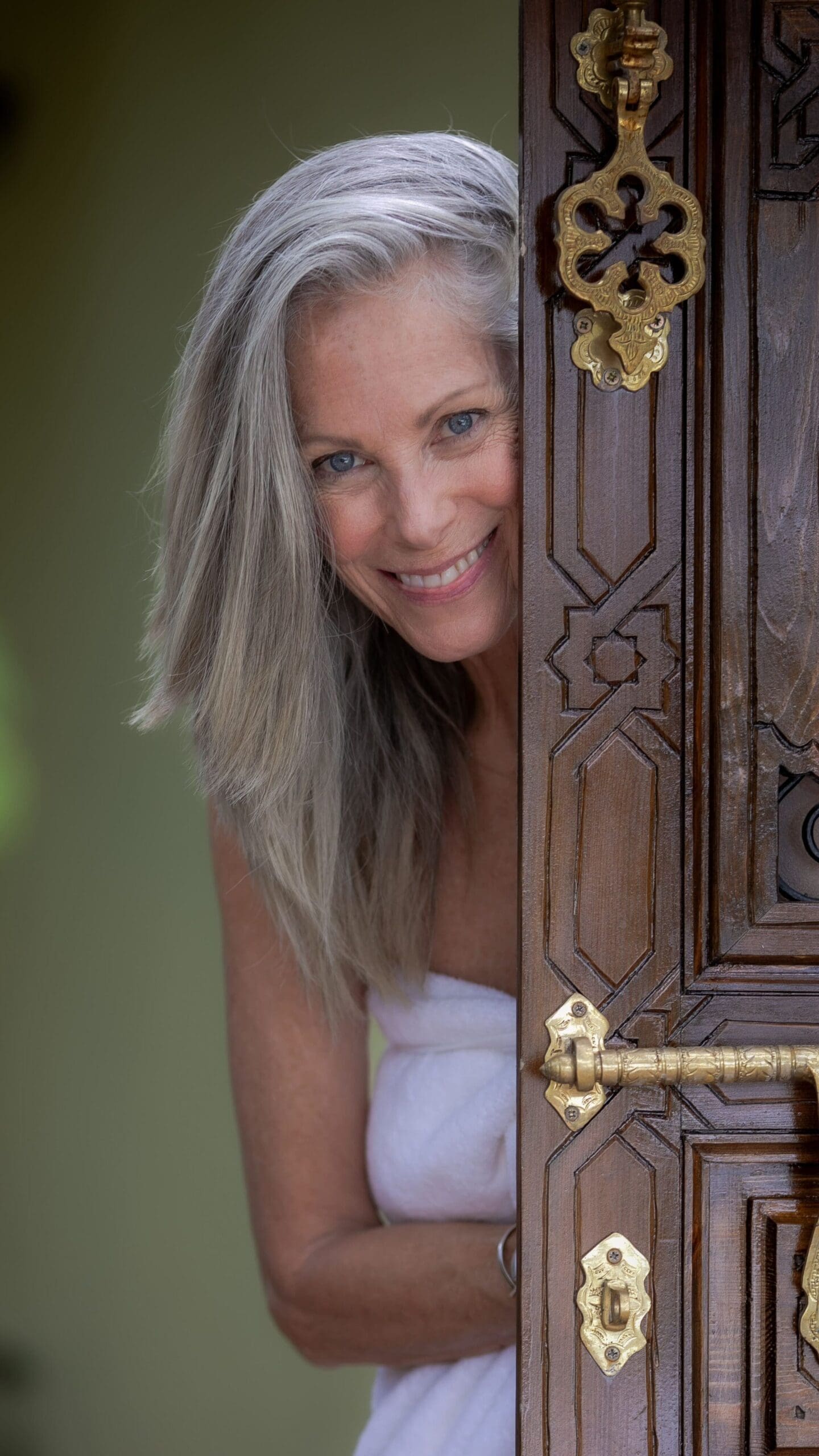

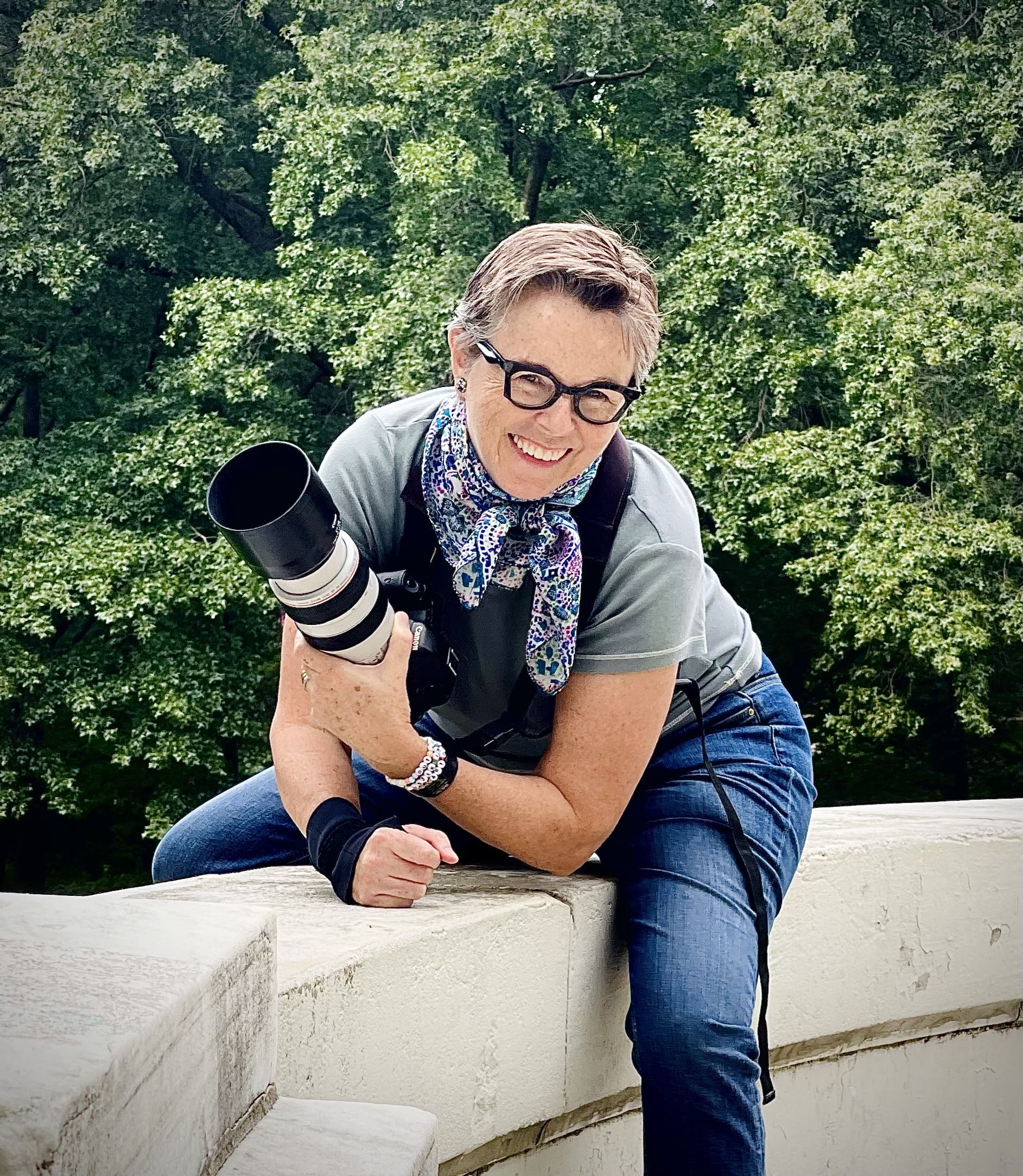
Susie Lang was once a young girl from Renmark who got behind the camera to take photos of her father. She’s now a highly respected photographer and psychotherapist living in New York City, relishing the art and power of connection and promoting the importance of visibility.
‘I was first inspired by the travelling photographer John Sprod, who visited properties in our region, taking photos of kids,’ Susie says. ‘This was in the 1960s when cameras weren’t commonplace. I remember thinking I could do something like this.’
Years later, her father bought the family a camera, which was really for him. ‘He was a very good sportsman – a golfer, tennis player, a horseman and speedboat racer – and he wanted somebody to photograph him doing these things,’ she says. ‘At the age of 12, the photographer was me. When he decided he didn’t want to be photographed anymore, I asked if I could use the camera for myself. I’d take photos of all sorts of things. The camera was attached to my hip! I worked on the property to buy film and then pay for the processing.’
Pursuing photography seriously didn’t happen until some years later.
Life at School
In 1969, at the tender age of 11, Susie packed her bags for boarding school at Girton. She was cared for under the leadership of Yvonne Turner, the namesake of Turner House.
‘Miss Turner was a tough cookie (as seen through my adolescent eyes), and there were a lot of mixed feelings and emotions about being in the boarding house. Lots of homesickness and sorting out life away from family alongside girls from all over the country, with a few international students. Miss Turner took us all under her wings as our parents’ representatives.’
Susie’s gift for caring and connecting with others became apparent at school. She was known for consoling others. The year that she graduated, she was awarded for her interactions with the younger students. To this day, some 50 years later, Susie reconnects with lifelong boarding house and school friends whenever she’s back in Adelaide.
This period of life also introduced Susie to choral music, where she was a founding member of the Pembroke Girls’ Choir. Susie loved singing so much that she wanted to become a singer/ songwriter when she finished.
Finding her Way
‘I was never very academic and much more interested in The Arts, music and sports. Because I failed miserably in academics, I went back to night school to complete some of my courses.’
Then, dissuaded from a musical career by her mother, Susie started training to become a Registered Nurse at the then Adelaide Children’s Hospital. Although drawn to care, it wasn’t the right fit. Her interactions with the counselling therapist, however, did light a spark.
A relocation to Darwin saw Susie in charge of 32 children under five at a childcare centre, which she loved. When her first marriage ended, she uprooted again, this time to London, and it was there that she attended photographic school.
Susie says she started taking portraits constantly, improving her photographic skills. The hard work paid off. She was awarded the Kodak Photographic Award for Portraiture.
Simultaneously, she took a short course in psychotherapy, increasingly aware of how often people shared their stories with her. She has juggled two careers – photography and Psychotherapy – ever since.
Mature-Aged and Marvellous
Susie accumulated hundreds of counselling hours in the UK, working in women’s drop-in centres, women’s refuge centres and a community drop-in centre for domestic violence.
When her second husband retired in 2003, they moved to New York City. By the time Susie applied to practise there, she’d missed the chance to transfer her therapy hours and had to attend university.
‘I’d never been to university before, and as a 50 year old, everybody said I’d have to apply to more than one because I’d never get in. I couldn’t see why they wouldn’t want someone my age in their course, with a rich quality of life experience. I applied only to New York University, and I was accepted.
I learnt so much throughout a Master of Arts course in Mental Health Counselling. I got my counselling licence and have been working in private practice since 2010. I’m proud of my achievements – it feels like part of my life calling.’
Susie particularly cherishes the work she does that supports and empowers women, and that extends to her photography. ‘I’m most passionate about helping them feel visible and worthy.’
From the moment she started taking photos, Susie noticed a particular resistance from women – a fear and disdain of how they might look, and an uncertainty about how they might come across. She admits she’s hidden behind the lens at times, ‘Because it’s much easier to shoot somebody and avoid being the centre of attention.’ However, she’s used that role to put people at ease, draw them into conversation and share some powerful moments.
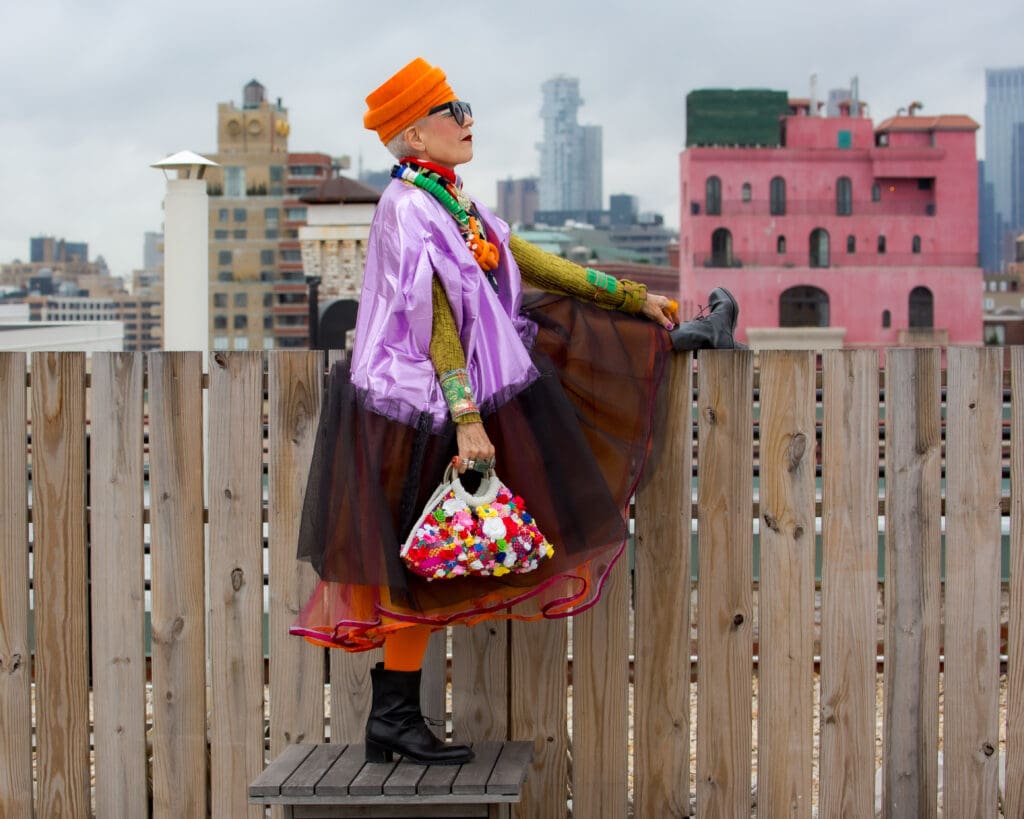
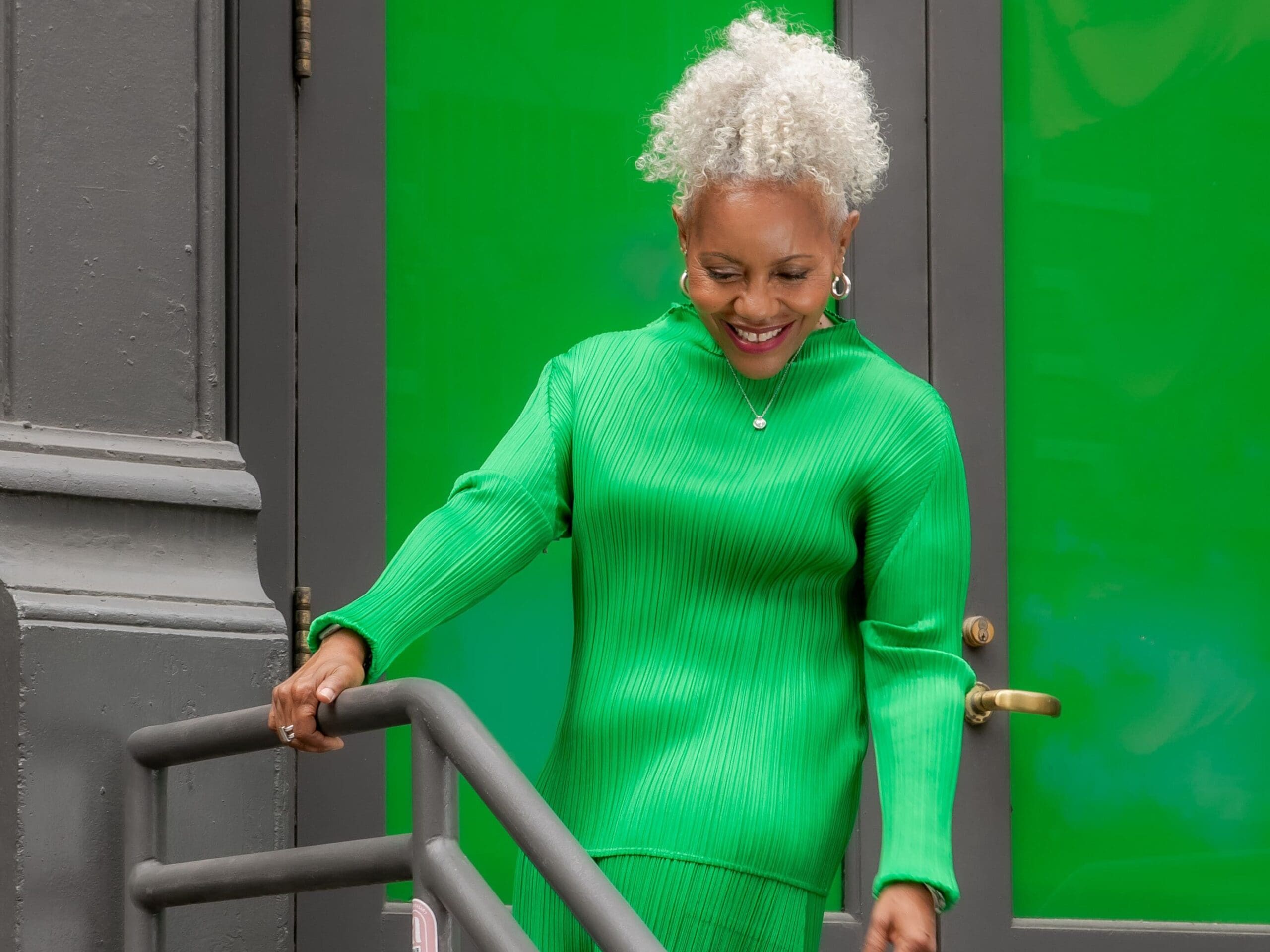
As her own anxiety about ageing crept in, Susie established ‘Women 60 Plus’ portraits to focus on those she felt were underrepresented and underserved, especially in Western society.
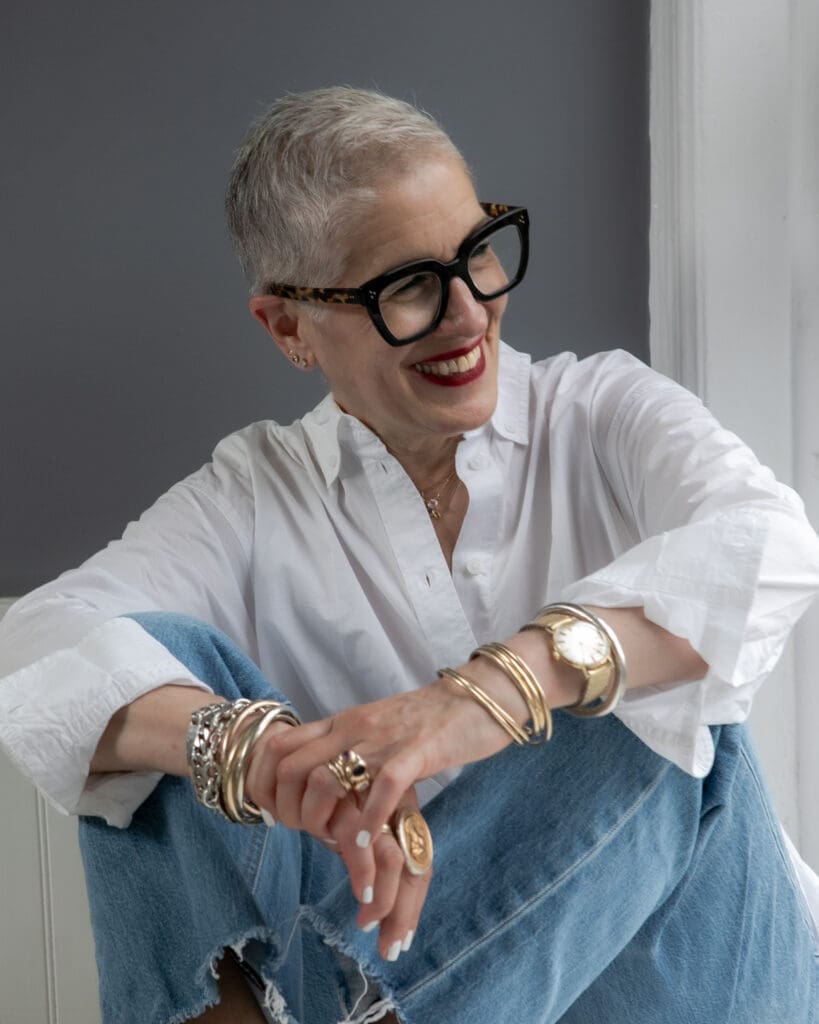
‘Then, during the 2016 US Presidential election (Donald Trump and Hillary Clinton), there was a lot of talk and media coverage about women not being very visible, and that this became more apparent as they aged. I wanted to do something supportive beyond simply protest marching. I figured I could use my counselling and photography skills to make an impact in a small way.
During the annual New York Easter Sunday Bonnet Parade, I handed out 100 flyers to women I thought might be over 60, offering to spend time together and take their photos, to show that as we age, we are not invisible. We have more life to live! Only one woman phoned back, a fashionista whom I still work with today. Many women have come to me via her. It’s a solid network and community.’
The Instagram account linked to that offer, @women.60.plus, has amassed 44K followers and is laden with portraits of bright, bold, older women. Those Susie’s captured say it’s the ‘most challenging, confronting and rewarding experience they’ve had.’
Just as importantly, Susie hopes those who see her images realise that women over 60 have still have so much more to give.
‘My advice to the younger generations is to give older people time. There’s so much of life that we’ve experienced and a lot we can and want to share.’
Take Miss Turner, for example. After a chance meeting on a plane flight, the two became like family, with Susie turning to her for wisdom right up until she passed away, aged 97.
Kate Holland (1992)
Old Scholar