
The documentation and display of School Archives is an eternal commitment.
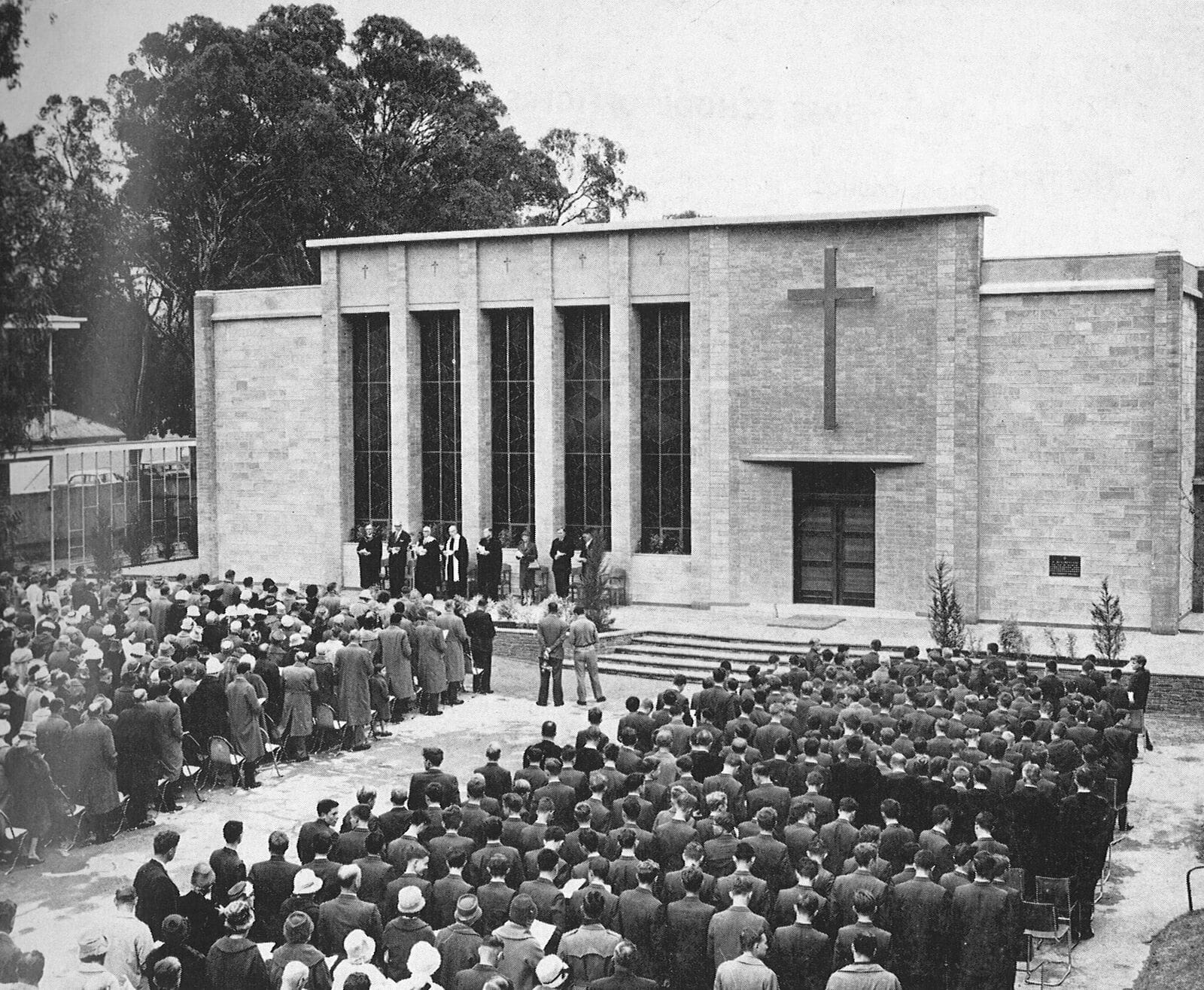
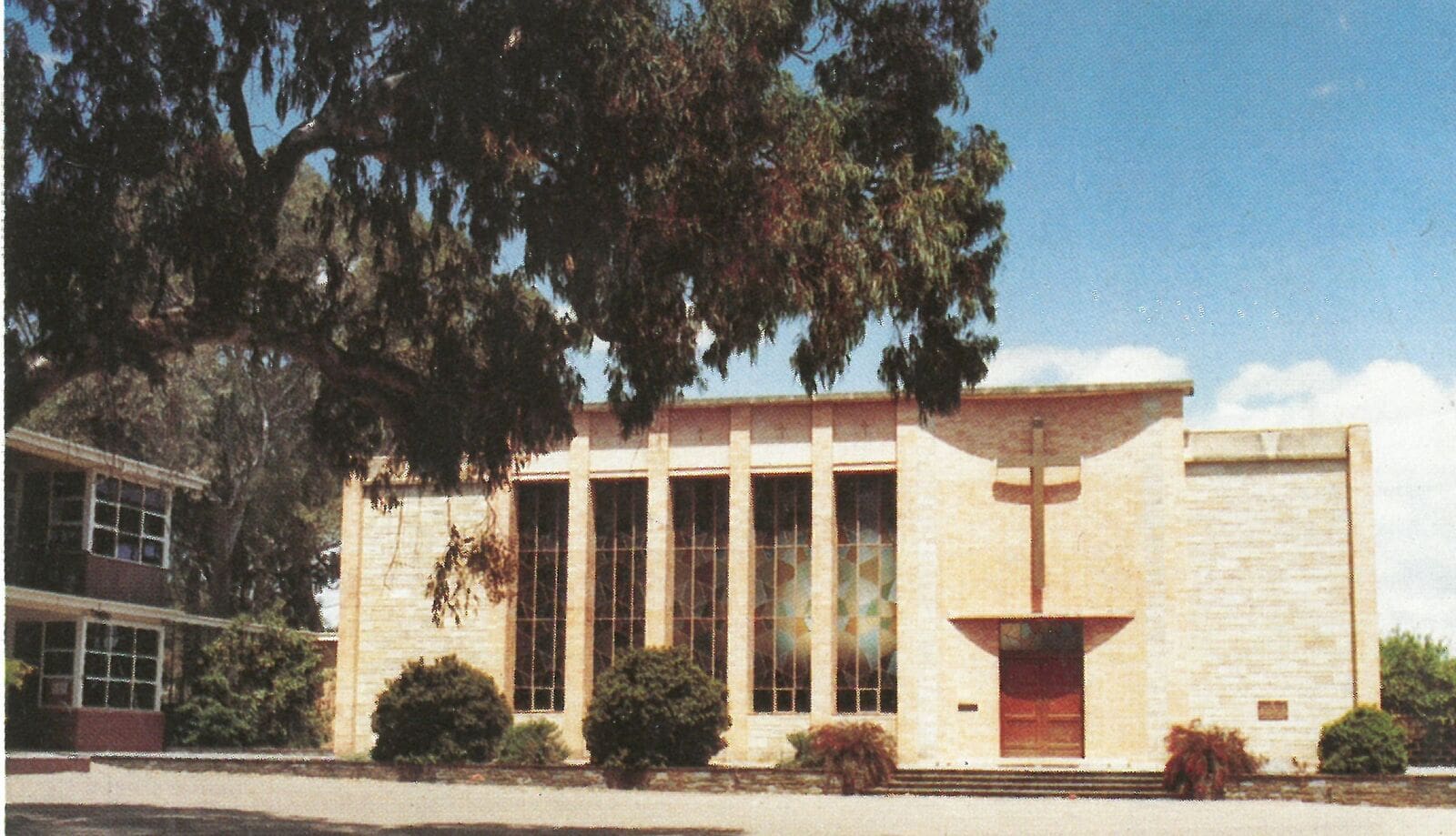
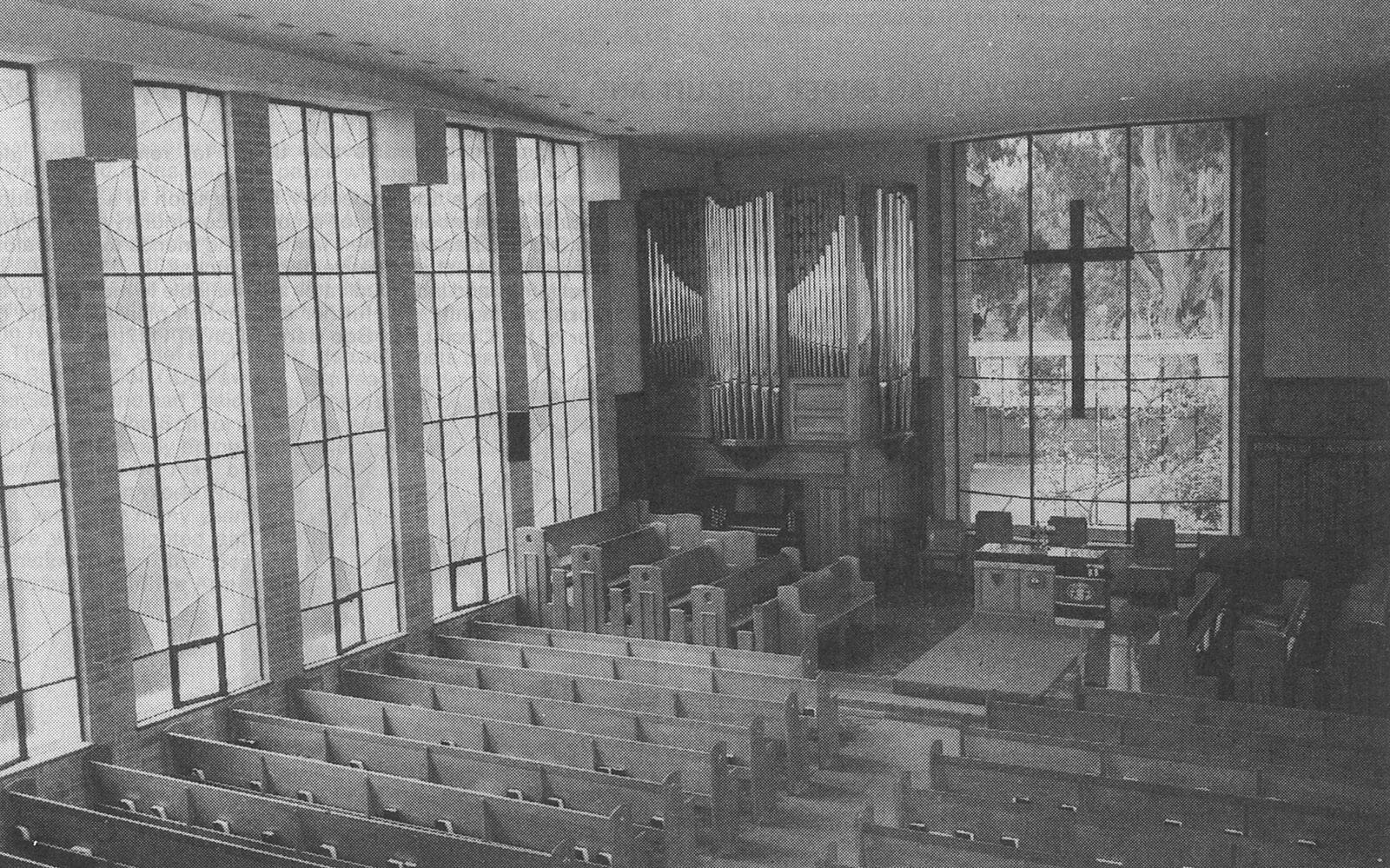
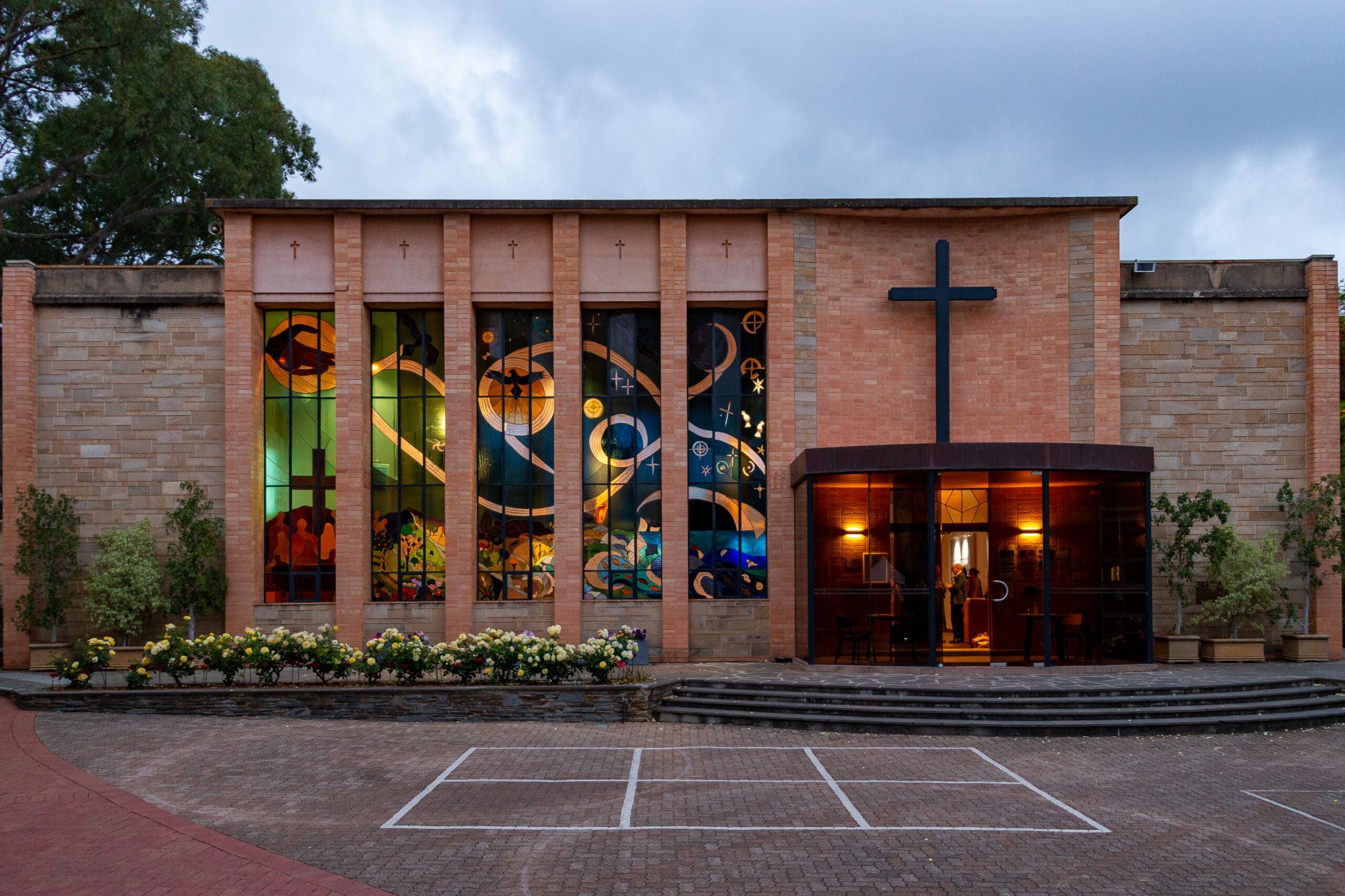
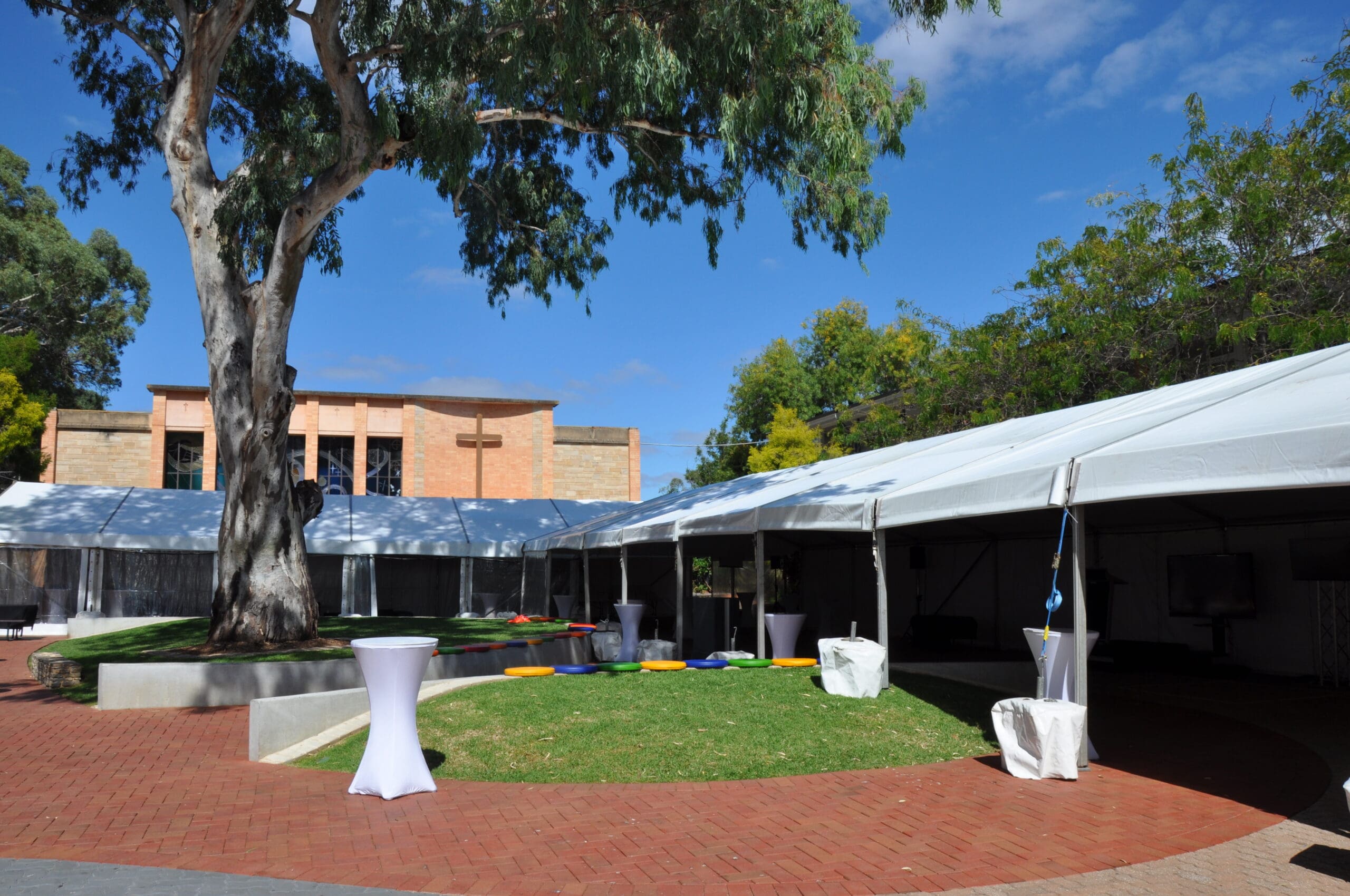
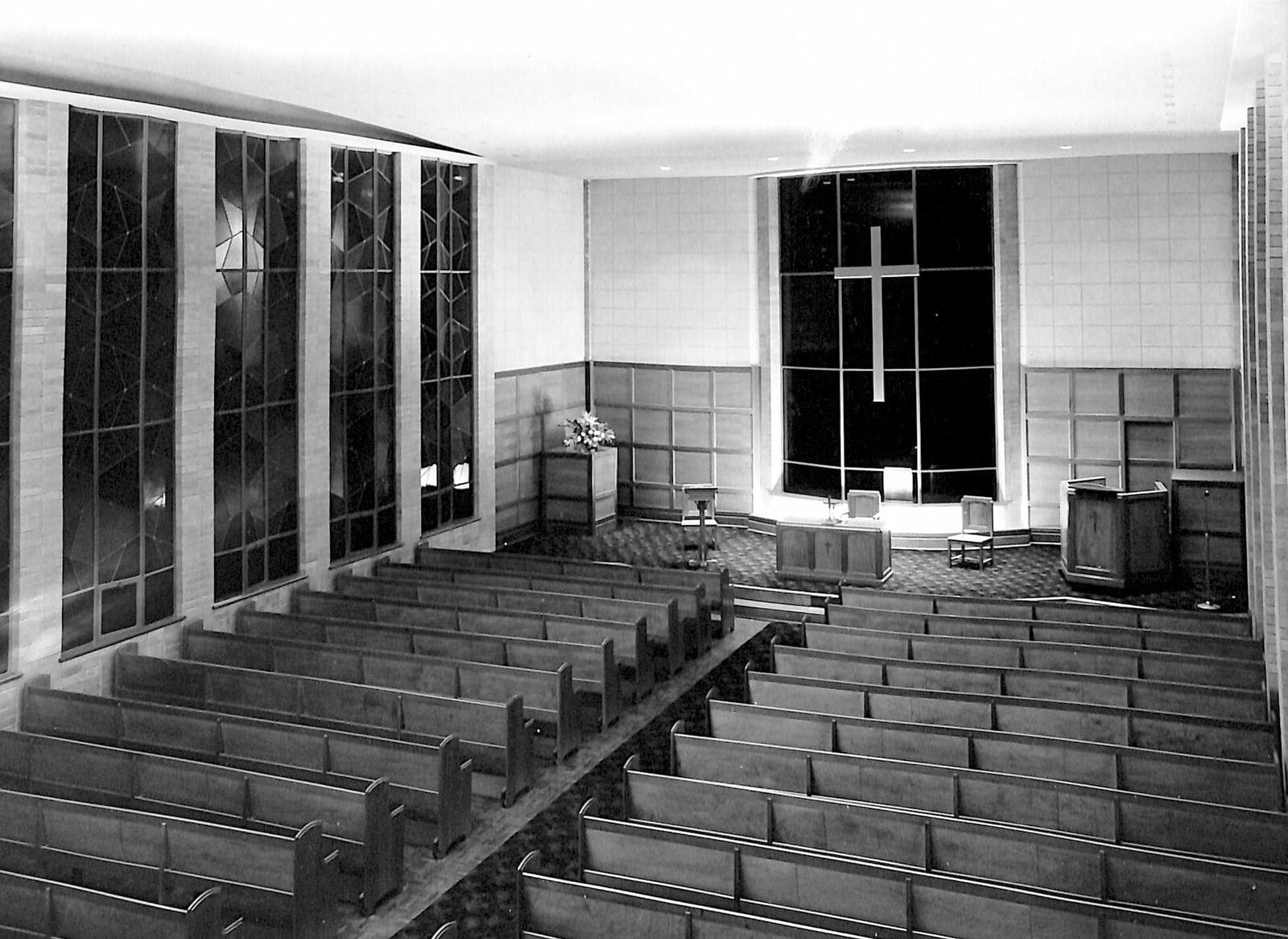
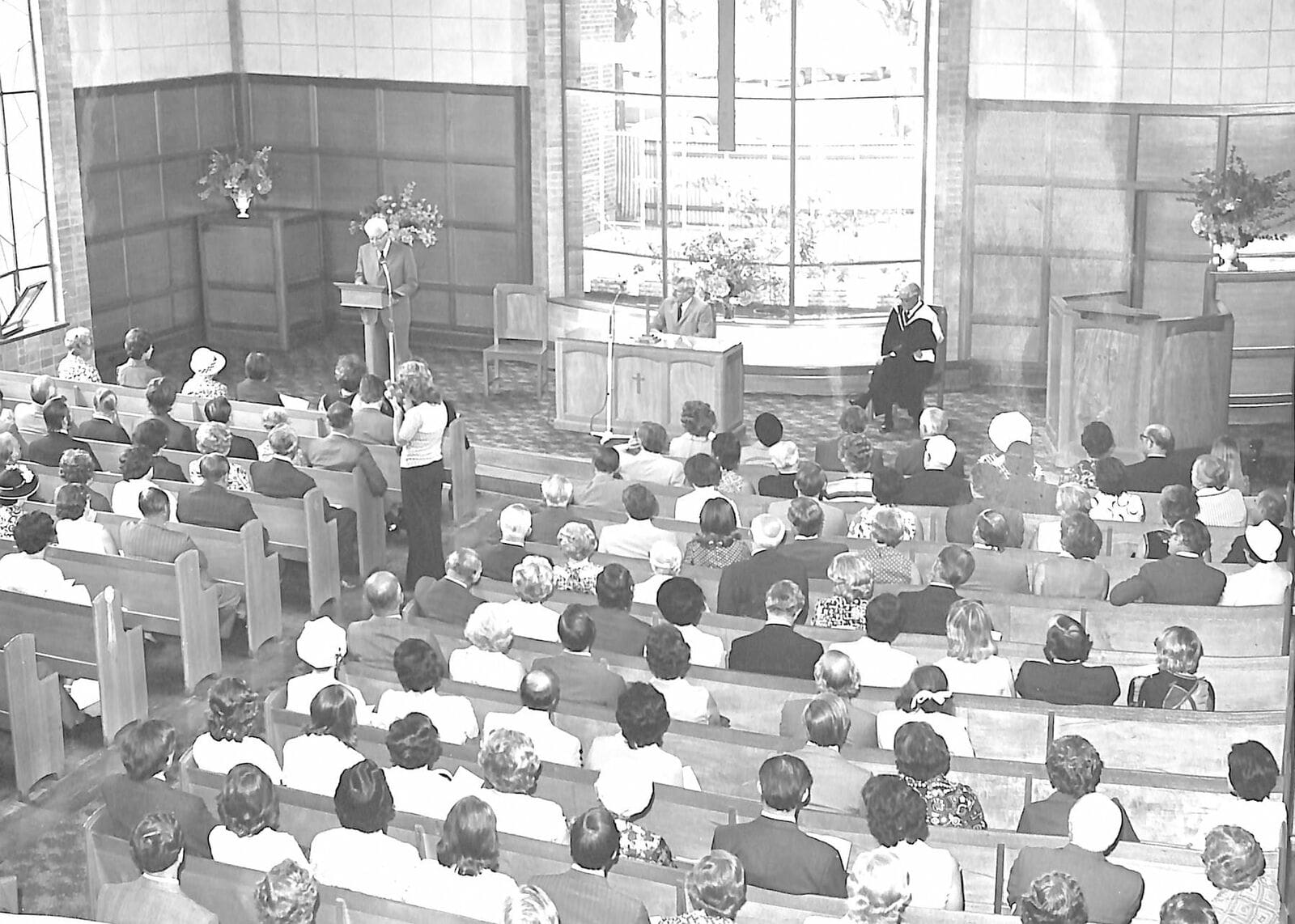
Pictured: Opening of RA Cook Chapel in 1962
School Archives
Our Archives bring to life the history of Pembroke and our founding institutions King’s College and Girton Girls’ School.
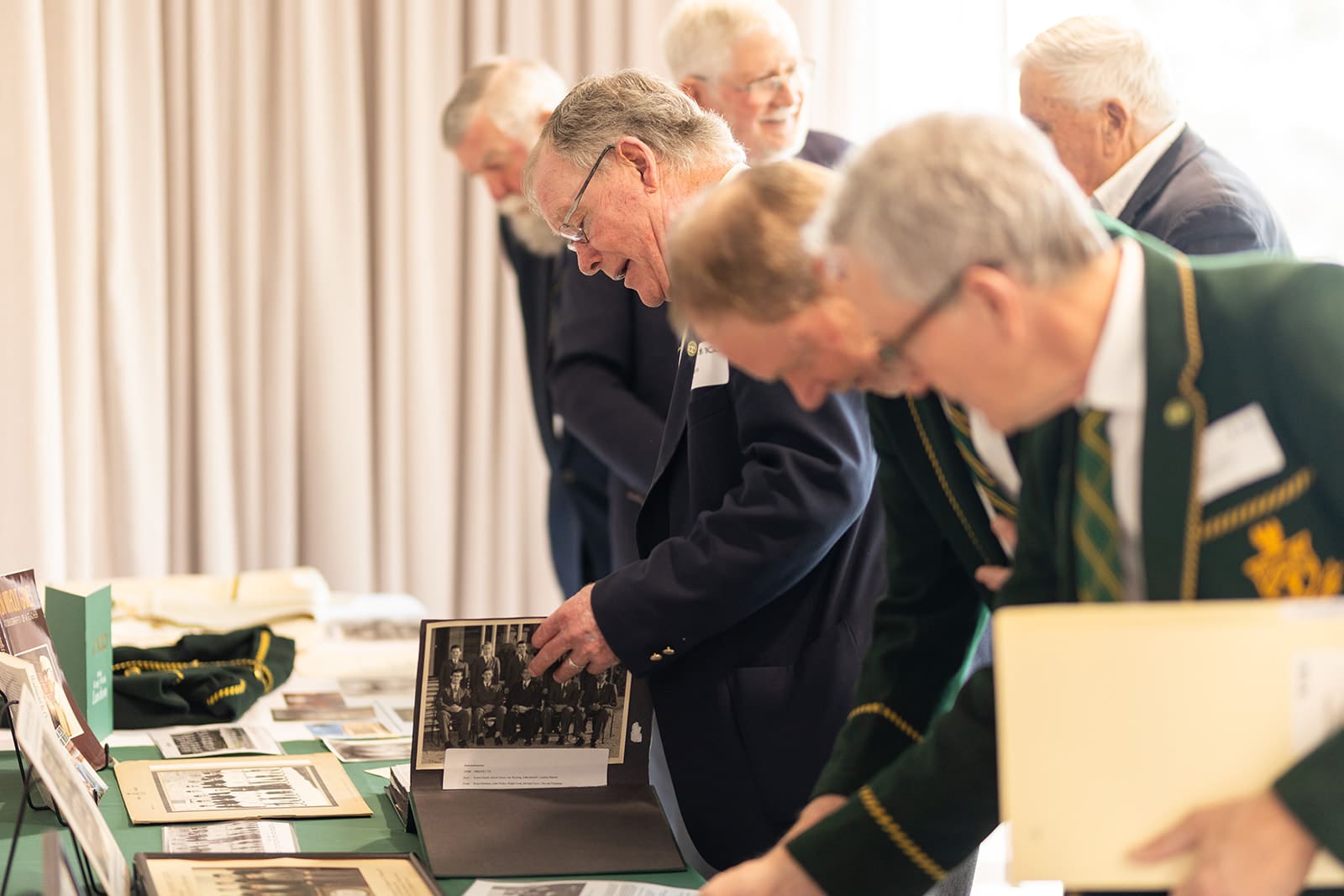
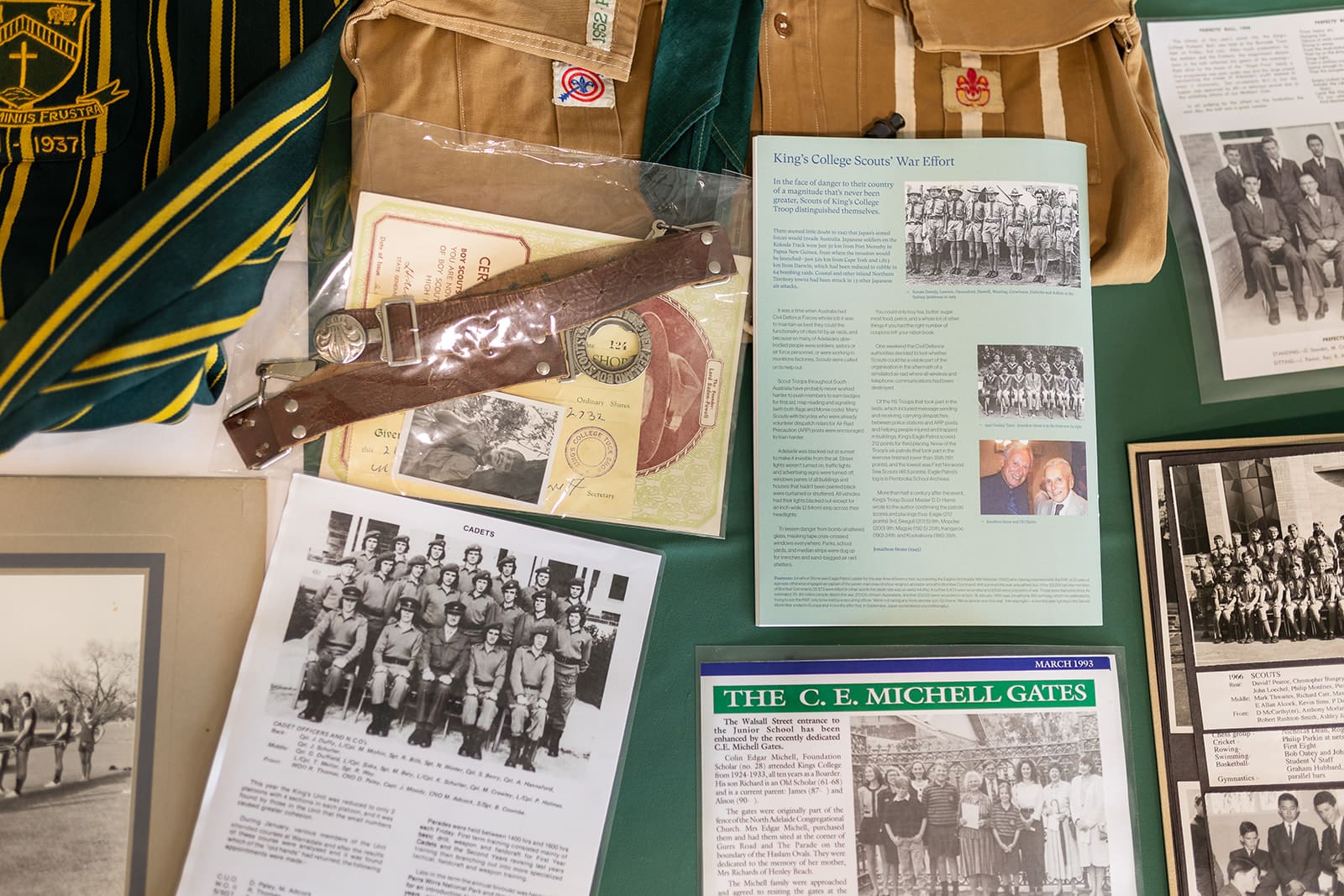
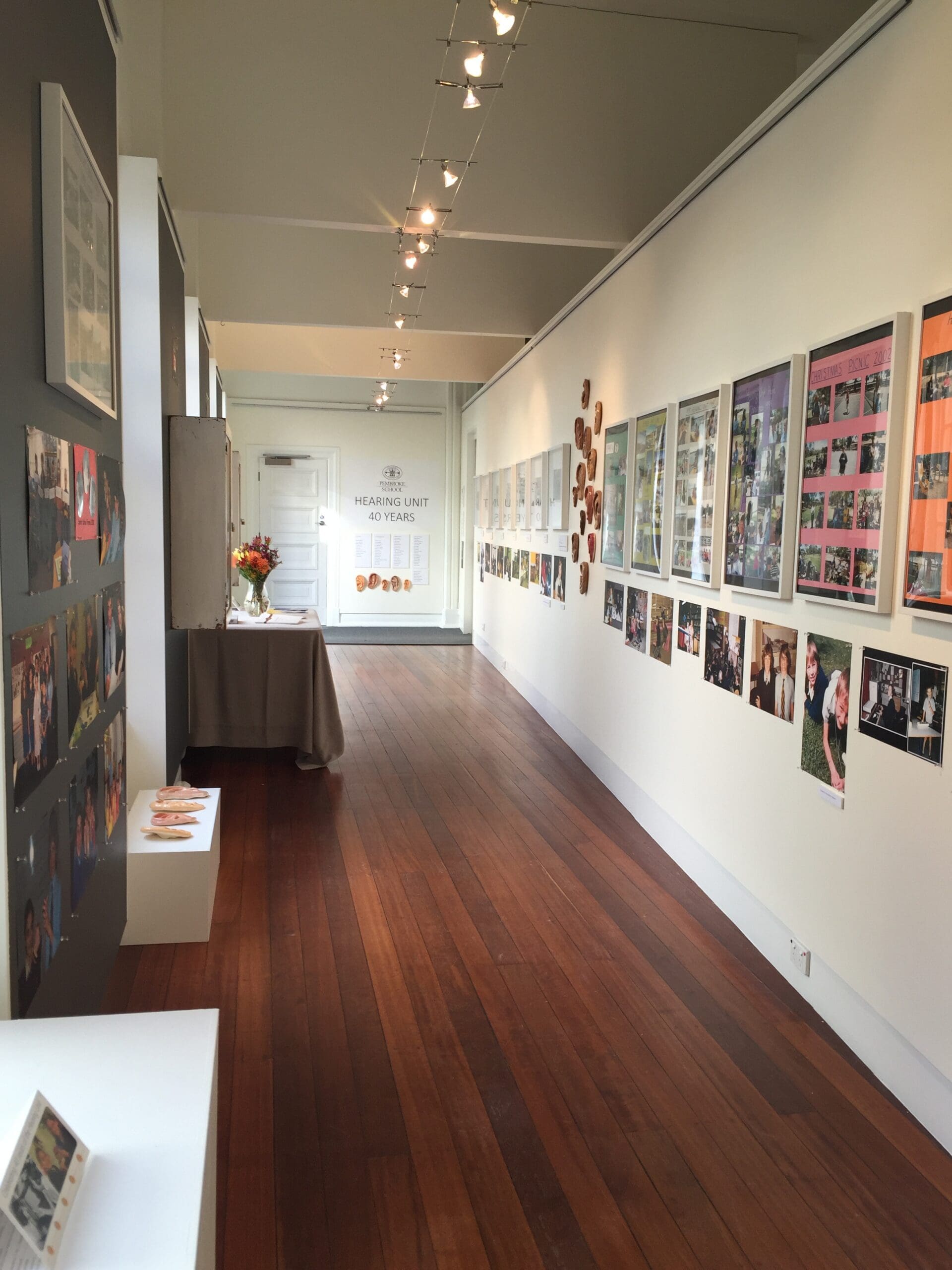
Managed by the School Archivist with the support of passionate volunteers, memorabilia is recorded, carefully preserved and displayed around the School and at special events.
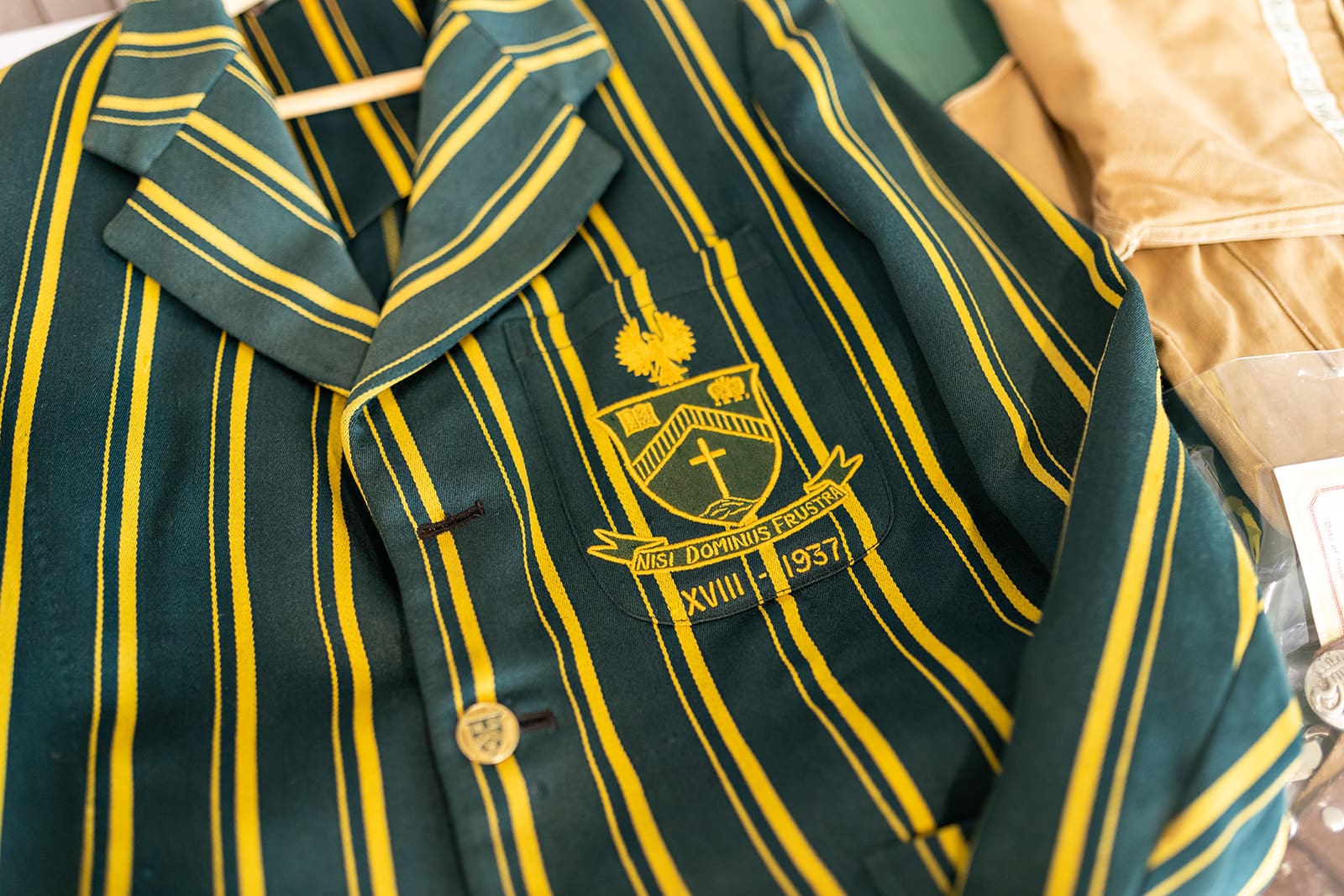
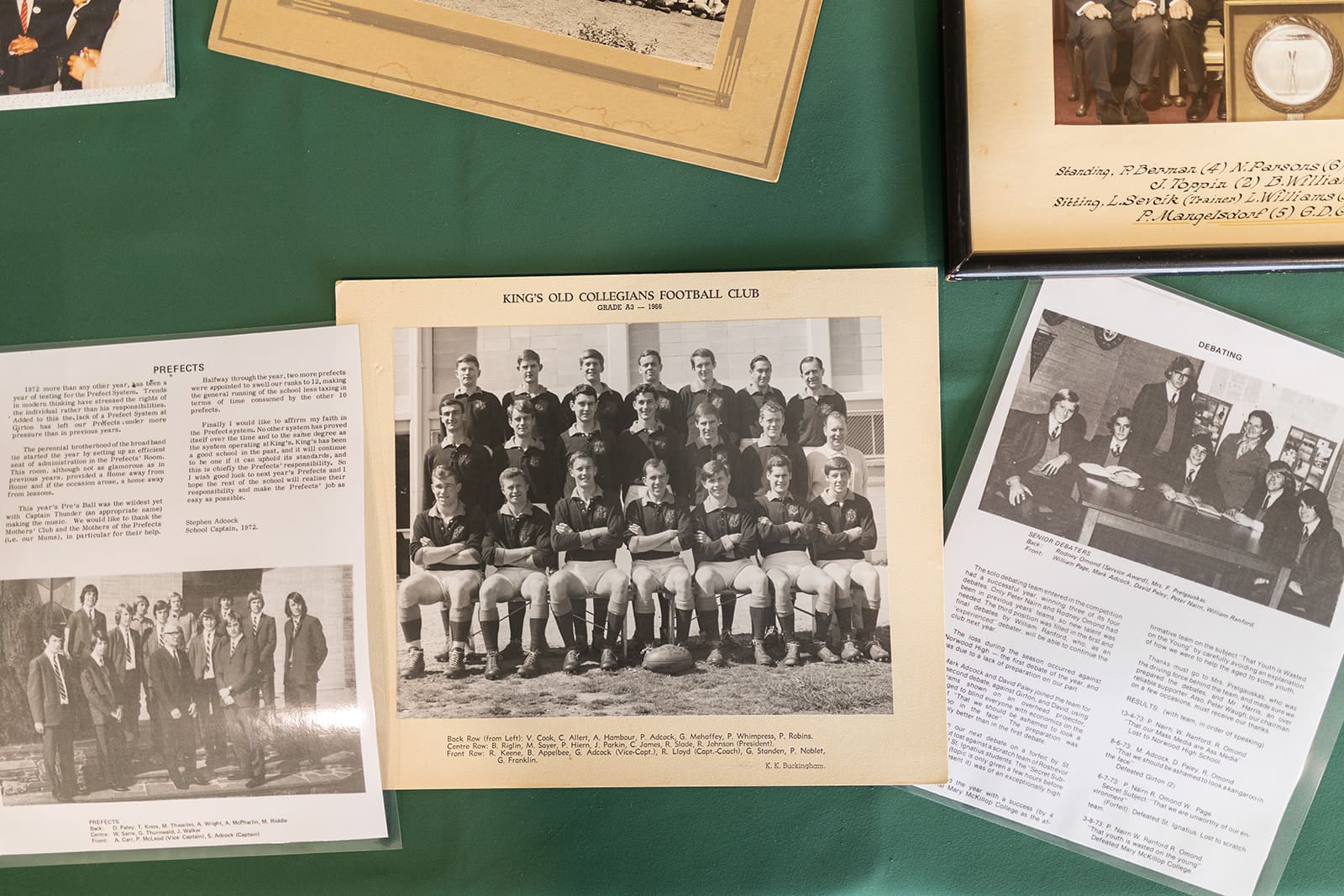
Donations to Archives are always gratefully accepted. We are delighted to receive so many different types of memorabilia such as photographs, magazines, china, books, trophies, posters, and items of clothing or textiles from King’s, Girton and Pembroke school days.
The School Archives are located at 51 Park Road, Kensington Park and are open to visitors during term time by appointment.
To donate items to Archives, visit us or for any queries, please contact our School Archivist Peta Harries via archives@pembroke.sa.edu.au or +61 8 8366 6753.
Remember – Archives Matter!
Archives Gallery
Pembroke
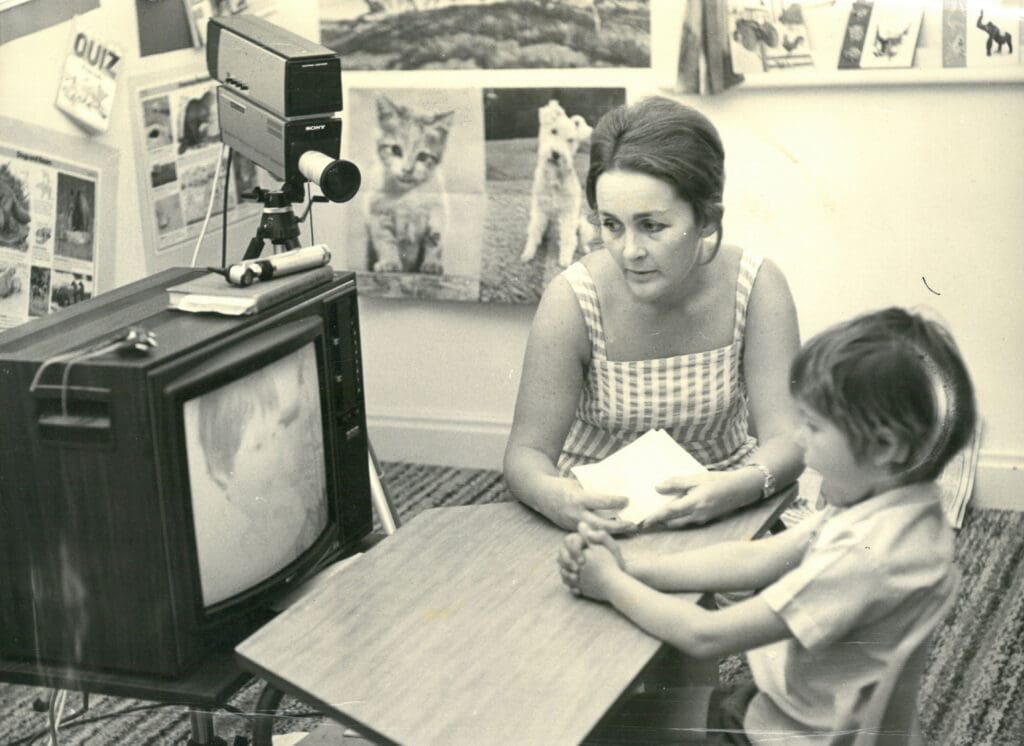
Pembroke School in Kensington Park was opened on 5 February 1974 by Sir Mark Oliphant, the Governor of South Australia. It was created through the merger of Girton Girls’ School and King’s College for boys. The founding schools had occasionally combined for social functions, debates and musical productions, and sometimes shared staff and facilities. In 1972, Girton and King’s commenced a two-year experiment to share senior classes for Year 11 and 12 students, and the full merger took effect in 1974.
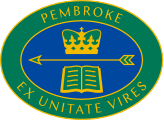
A new School name was chosen after Pembroke College, Cambridge University – noting that King’s College and Girton College are colleges at Cambridge. Two Co-Principals were appointed – Mr John Moody, based at King’s Campus, and Mrs Diana Medlin, based at Girton Campus. Under their direction, Pembroke established the new School Aims and new School Uniform, reflecting the heritage of both founding schools. Green, blue and gold became the new School colours, with gold being the colour both shared: King’s – green and gold, and Girton – blue, white and gold. The new School logo took the oval shape and arrow (an aim in life) from Girton, and from King’s, the crown (a symbol of community life) and the book (representing an individual quest for truth). The motto of Pembrokeshire in Wales, Ex Unitate Vires – Out of Unity, Strength was selected and a new School Hymn was created.
In the final years of King’s and Girton, student numbers totalled 715. In 1974, Pembroke opened with 836 students, rising to 970 in 1978 and continuing to steadily increase to 1369 in 1990, 1530 in 1993 and close to 1800 today. Pembroke fulfilled the dreams of our founders to become a successful and dynamic school based on sound principles and the power of co-education.
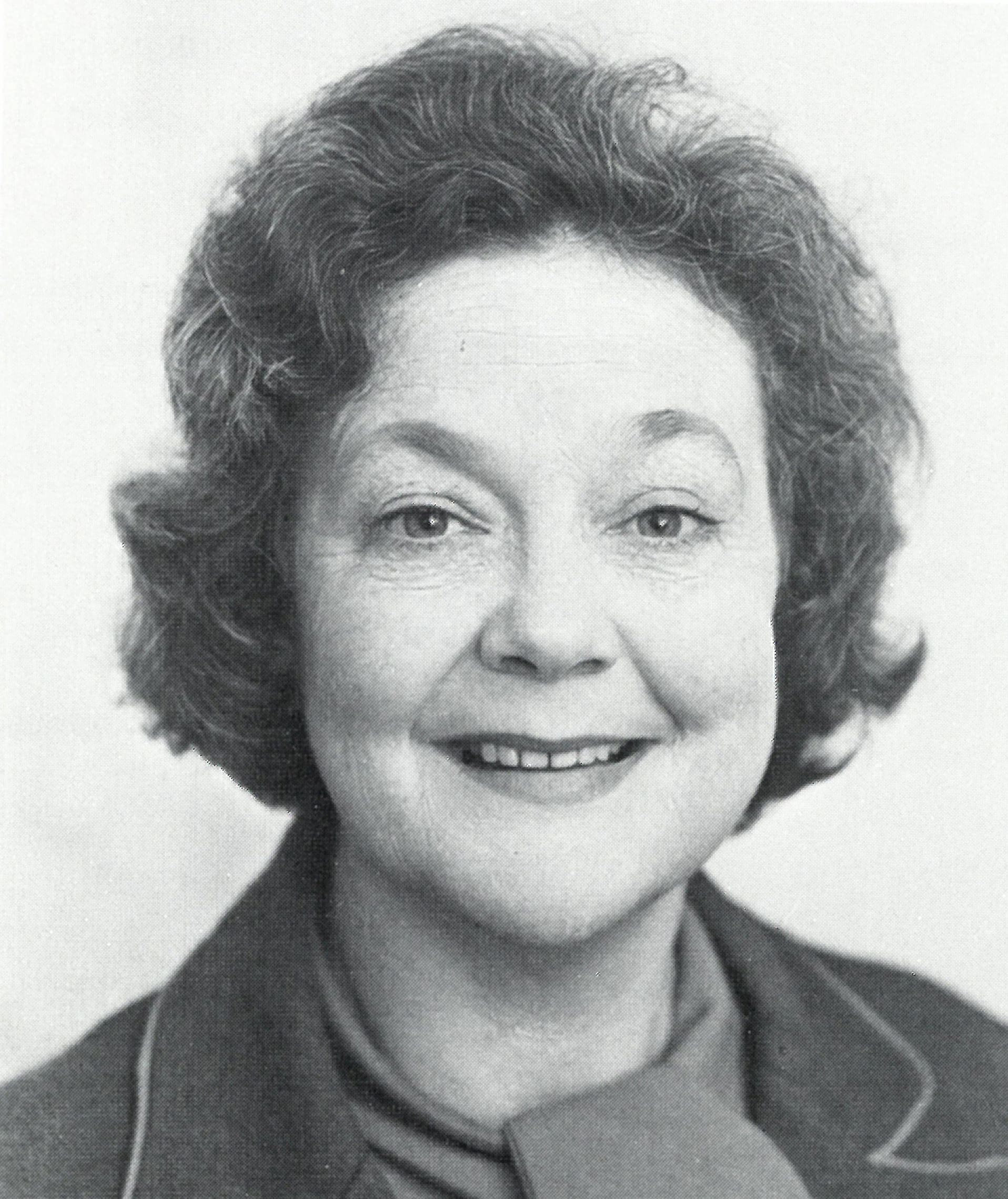
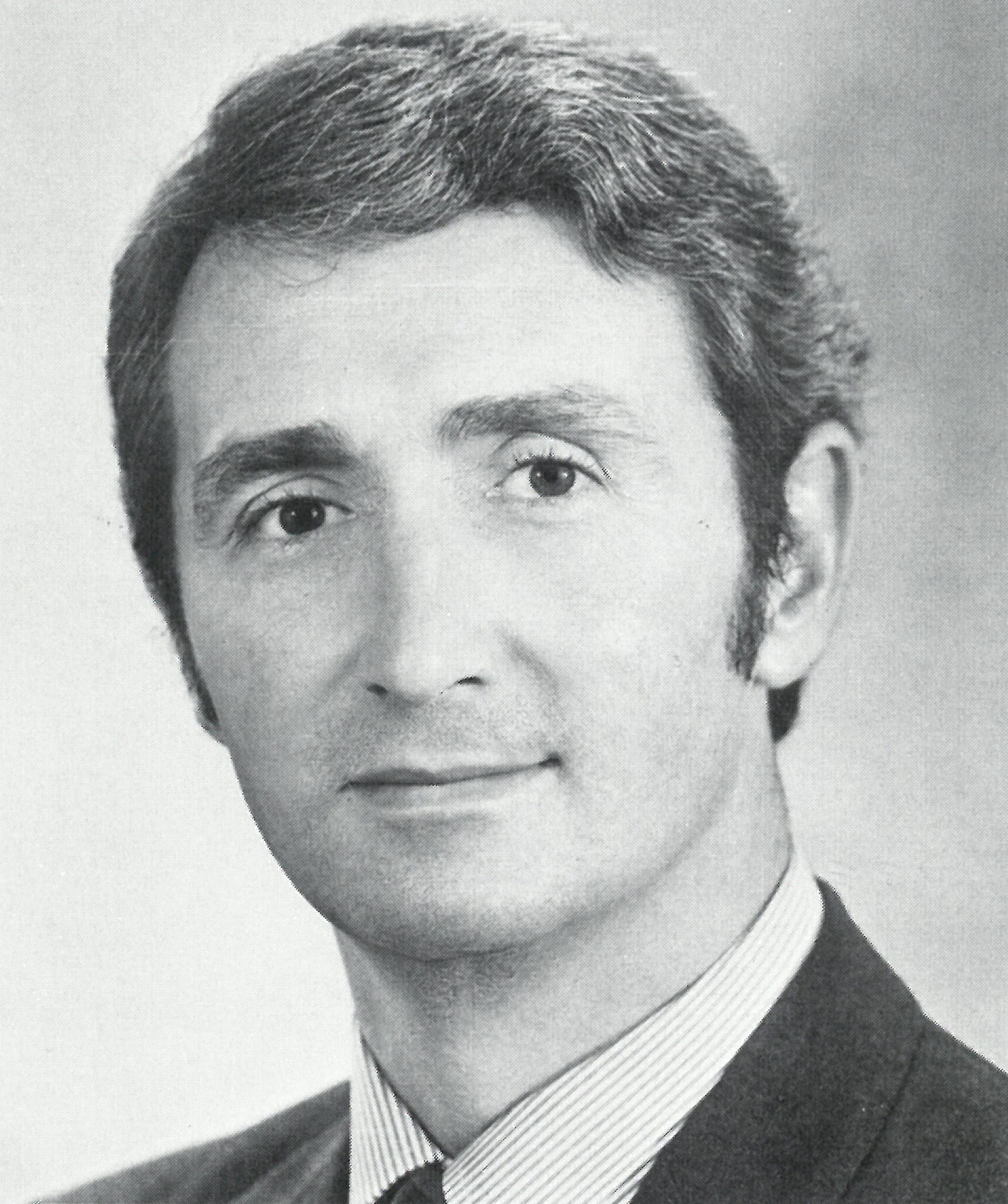
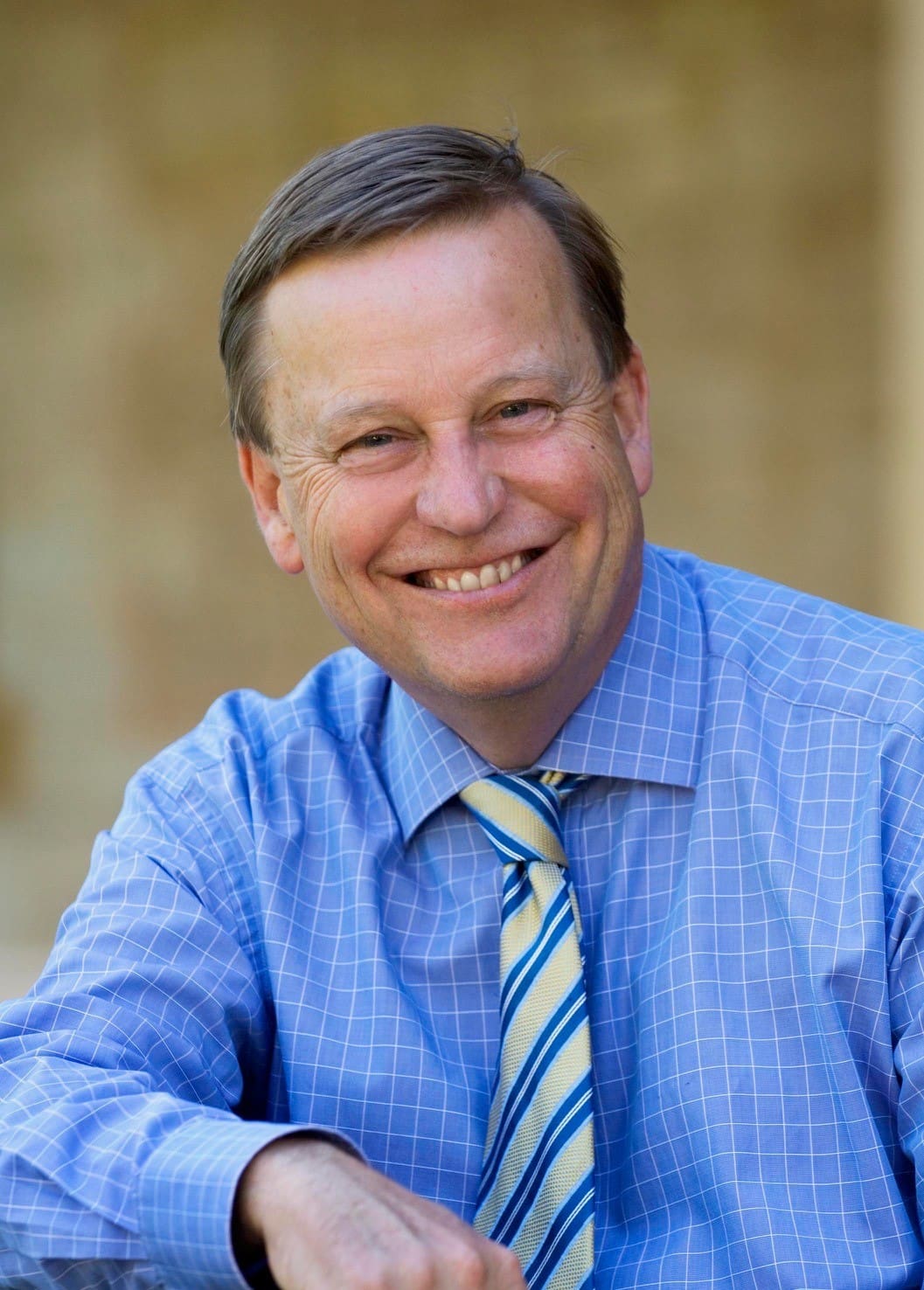
John Moody retired in 1978, and Diana Medlin was Principal from 1979 to 1990. Mr Malcolm Lamb was appointed in 1991 and served until 2010, followed by Mr Luke Thomson from 2010 to 2022. Mr Mark Staker commenced in July 2022 and is our current Principal.
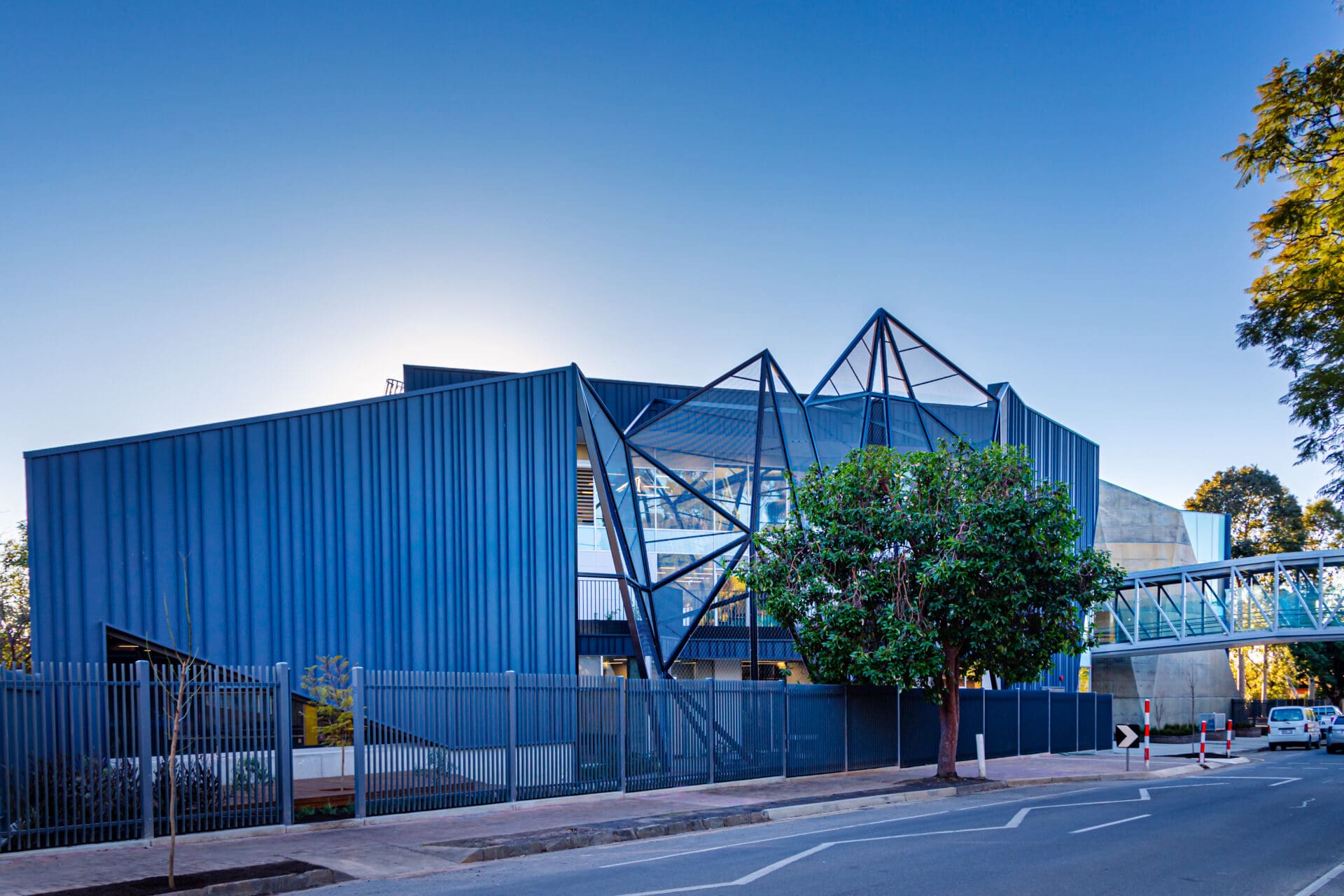
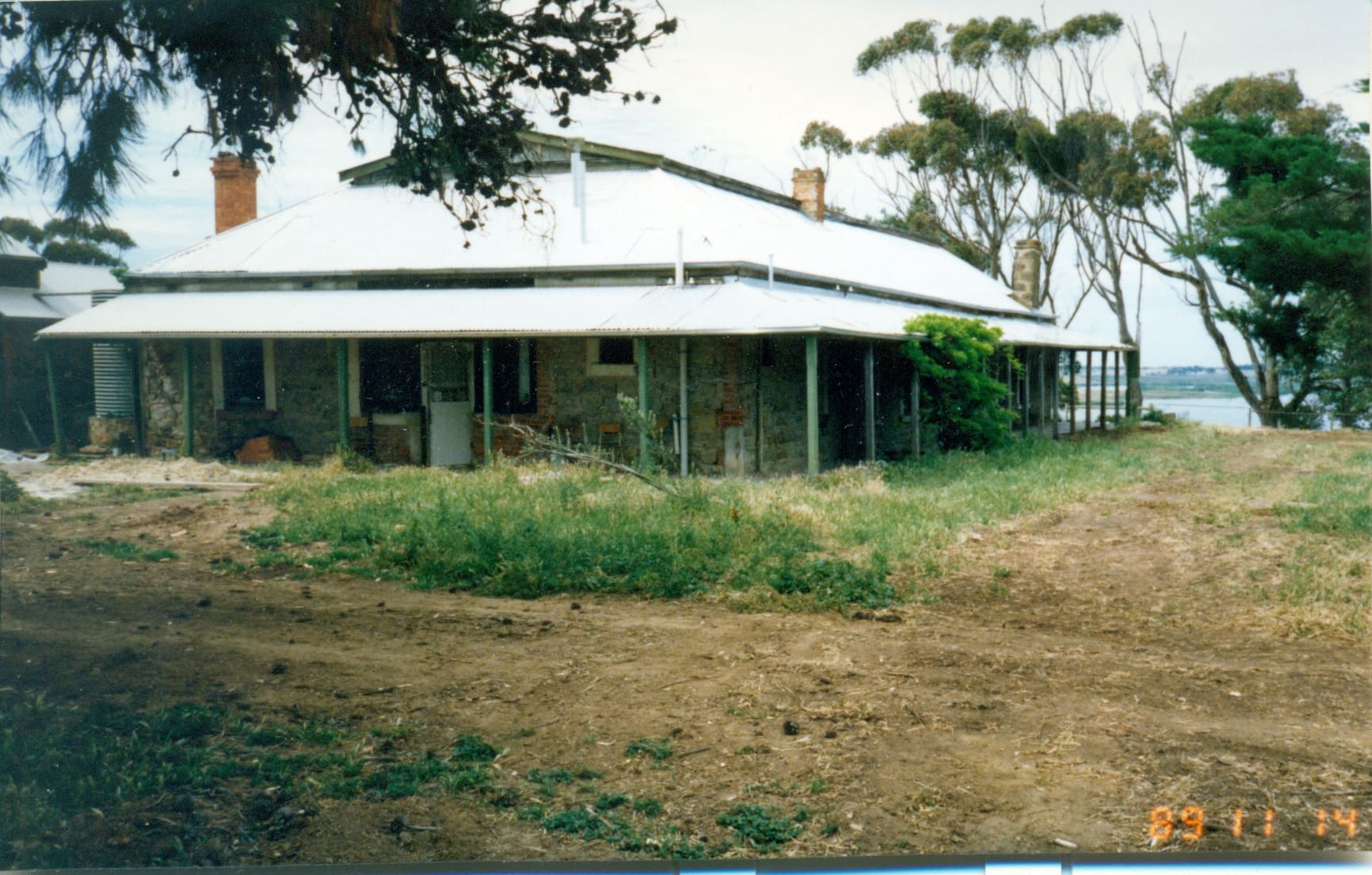
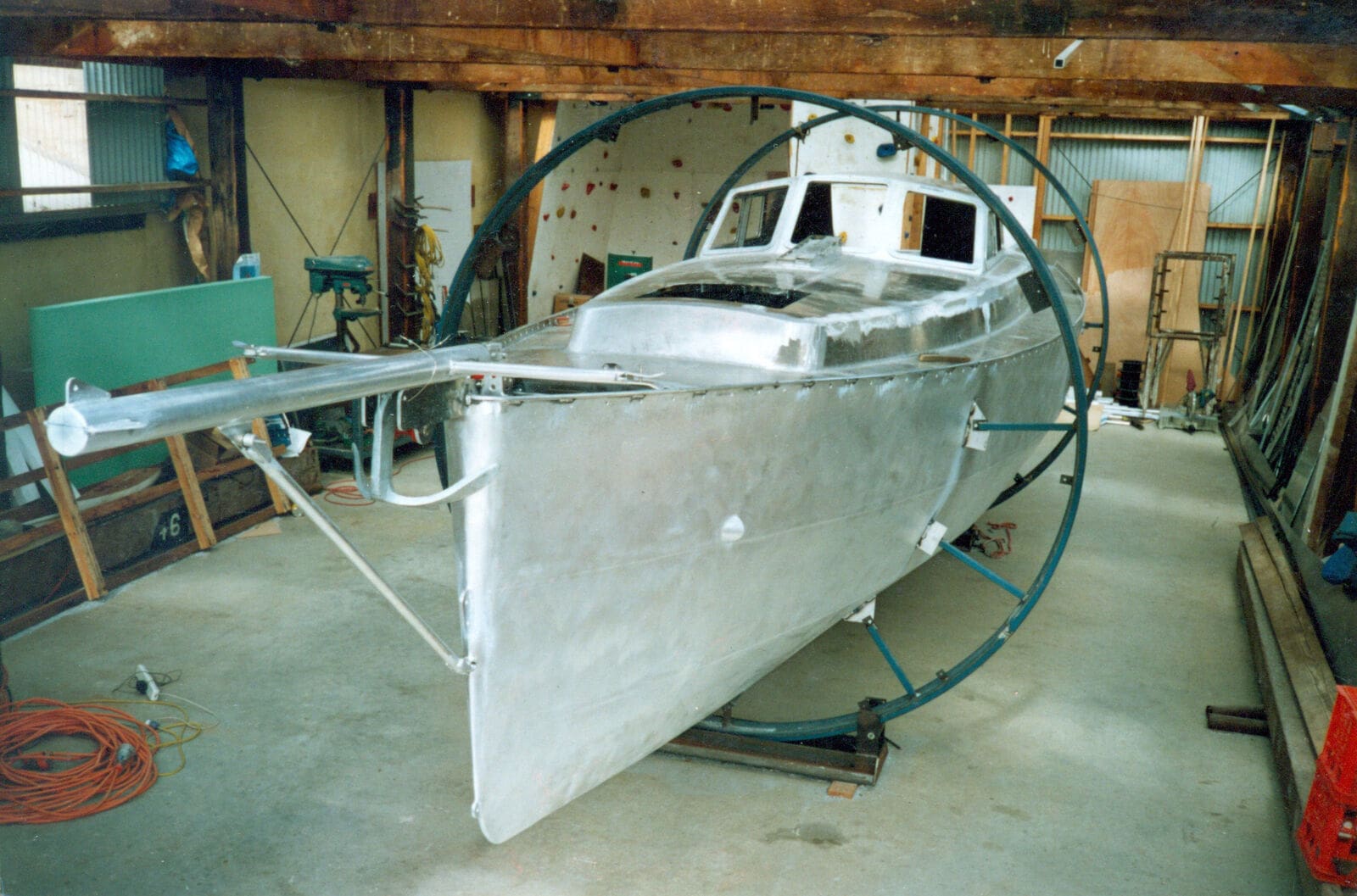
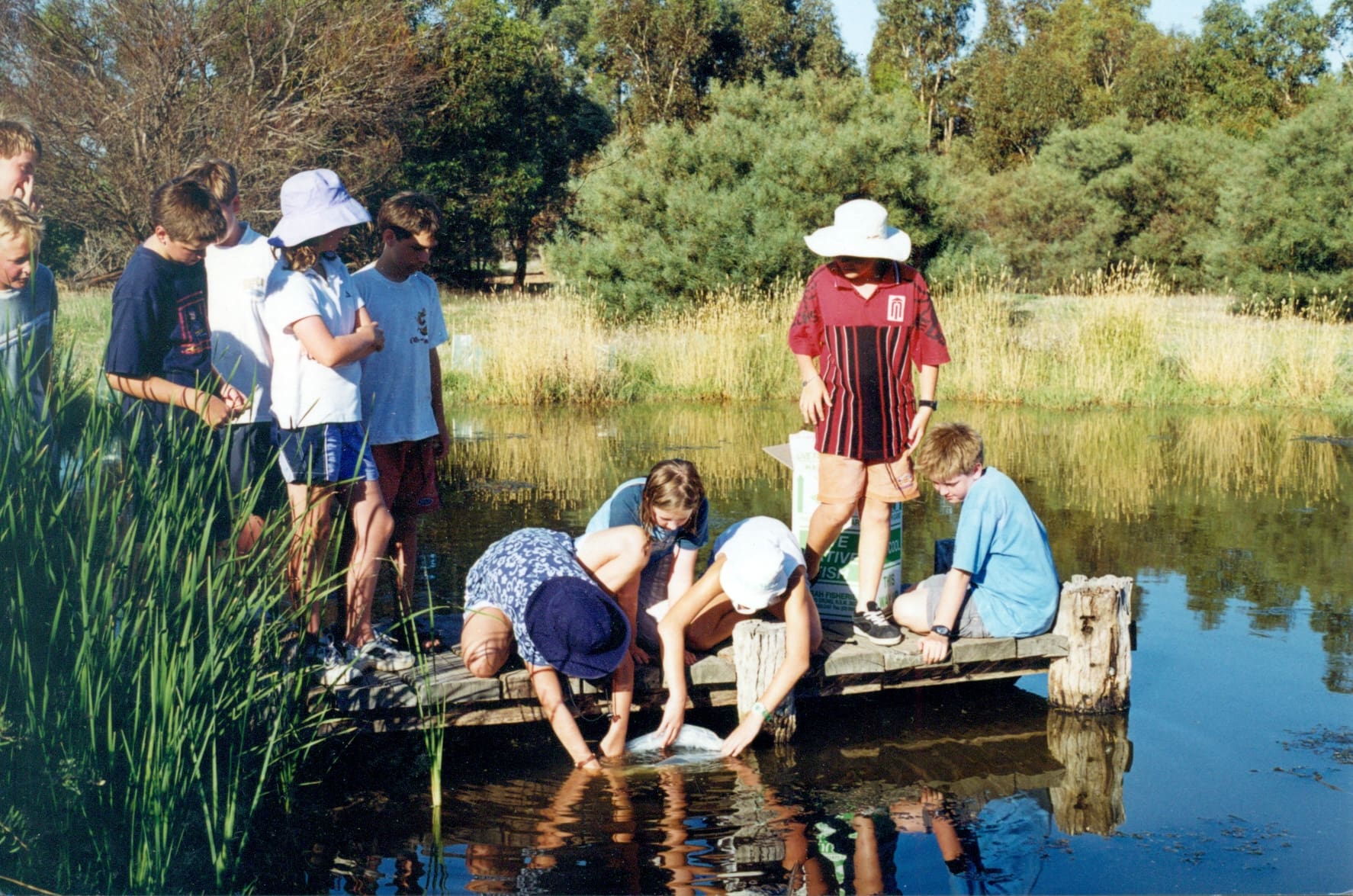
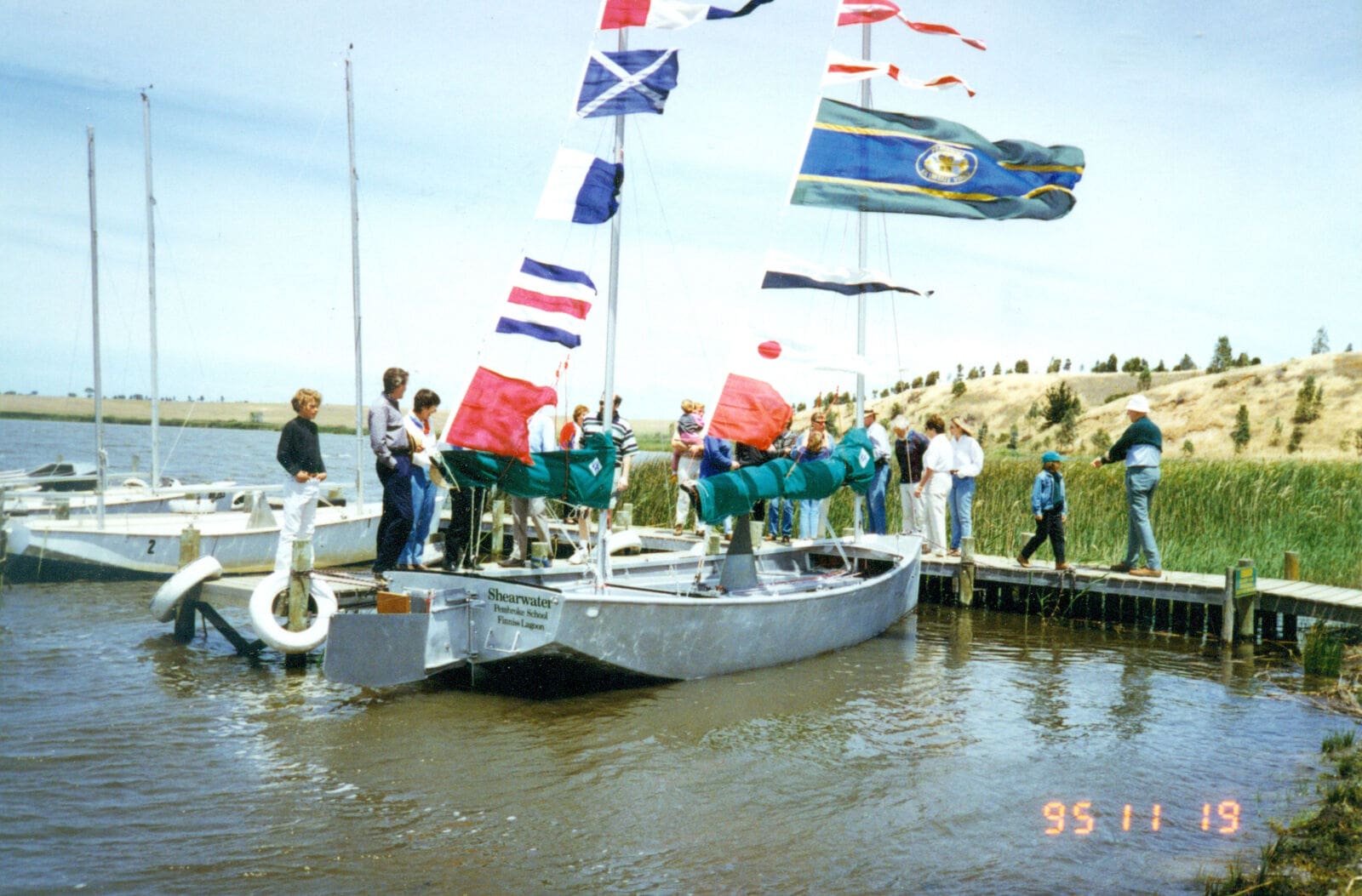
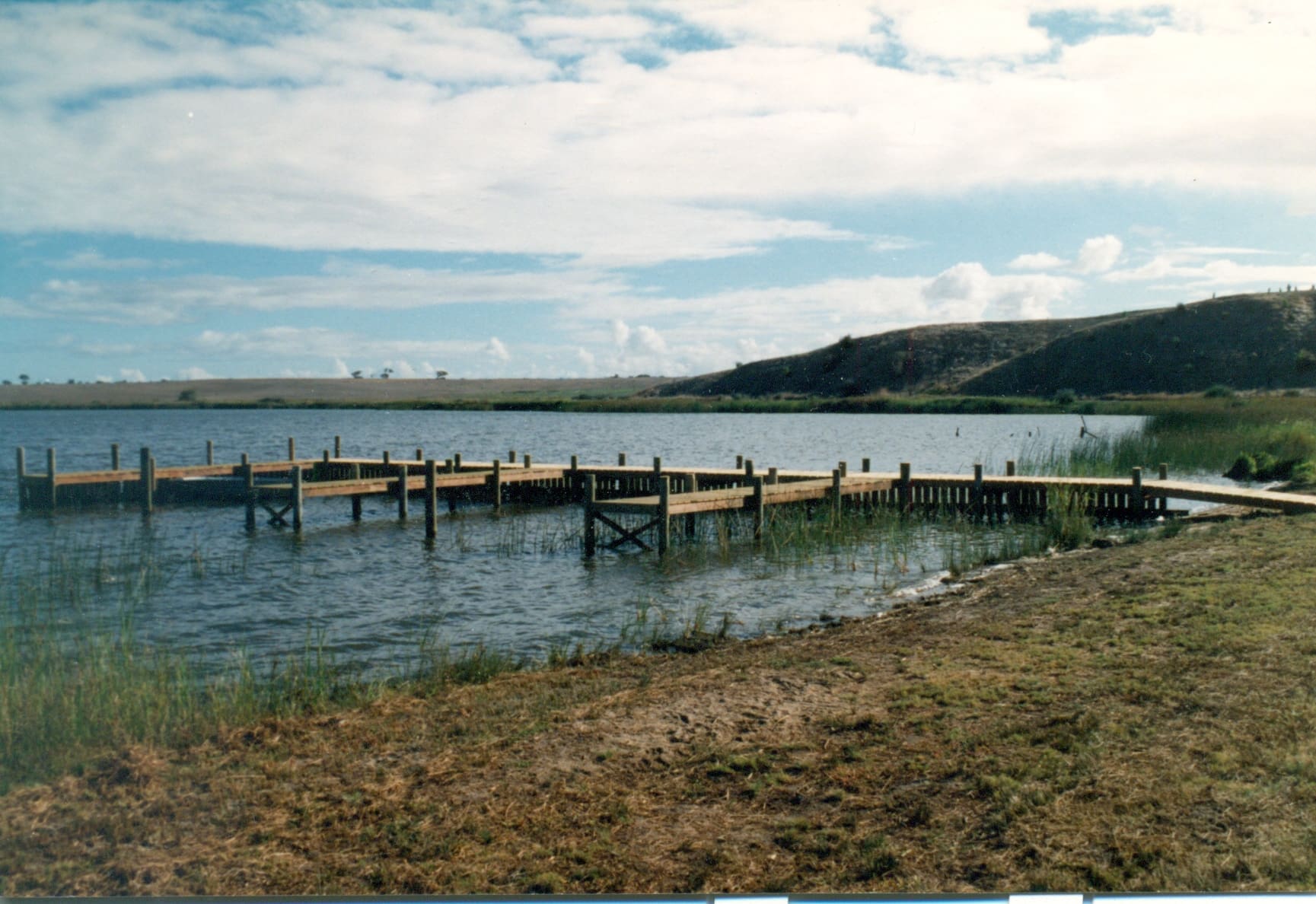
Under our ‘One School’ philosophy, Pembroke celebrates four Sub-Schools of Junior, Middle, Senior and Boarding, and our students thrive across King’s Campus, Girton Campus, the Haslam Oval Precinct and Old Watulunga, our Environmental Education Centre on the Finniss River.
Principals


The Story of Pembroke – 50th Anniversary Video (2024)
Campus and Facilities
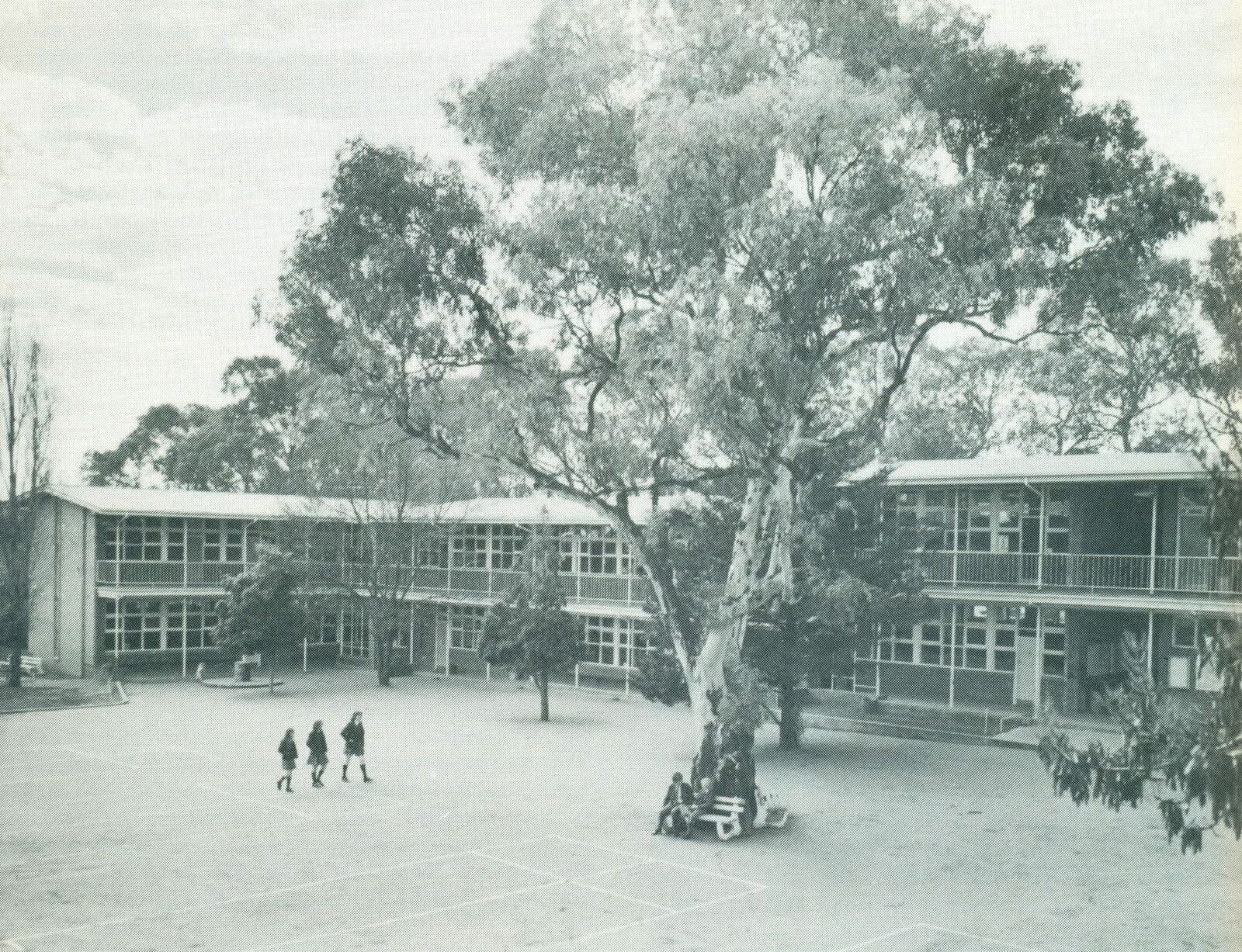
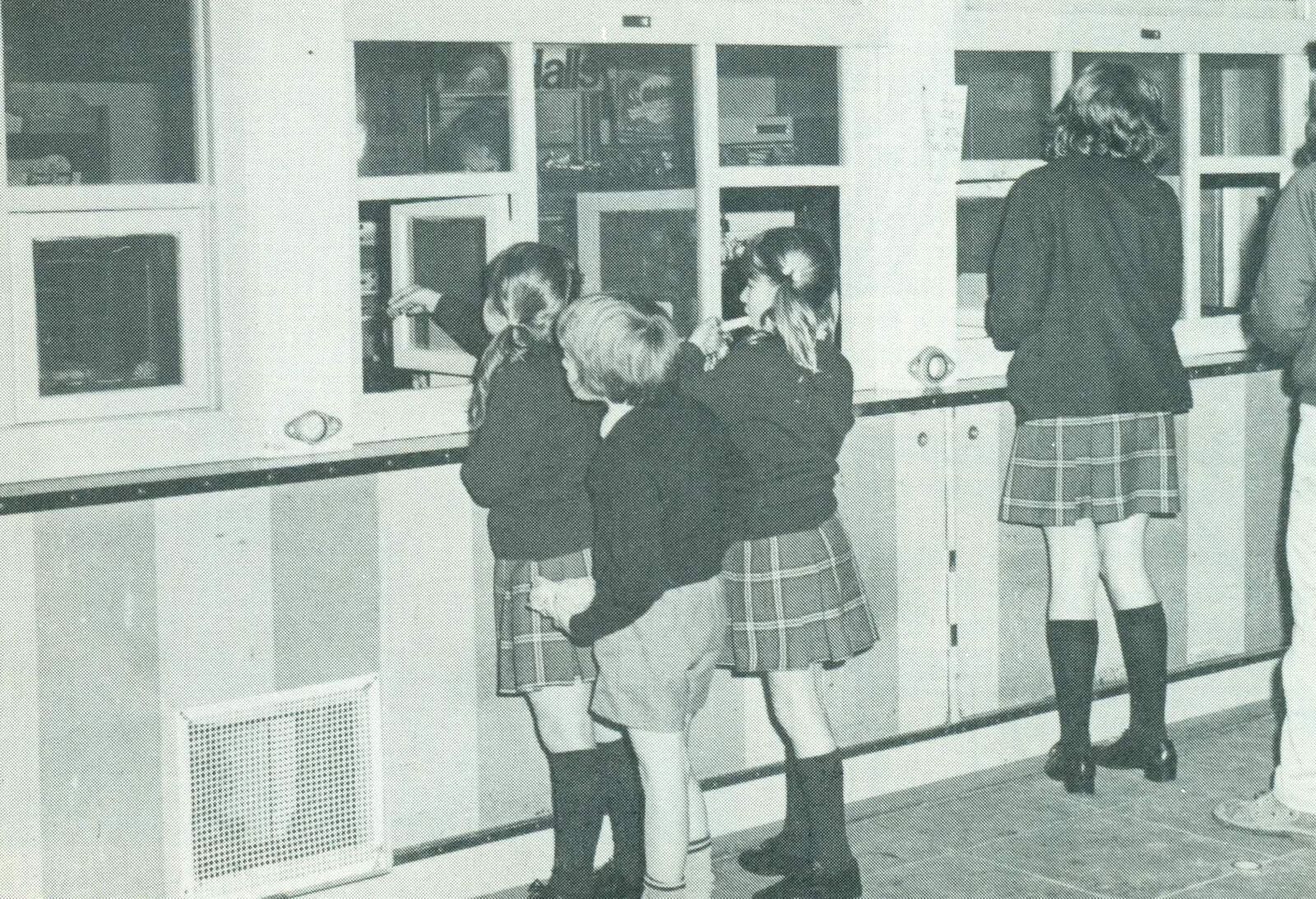
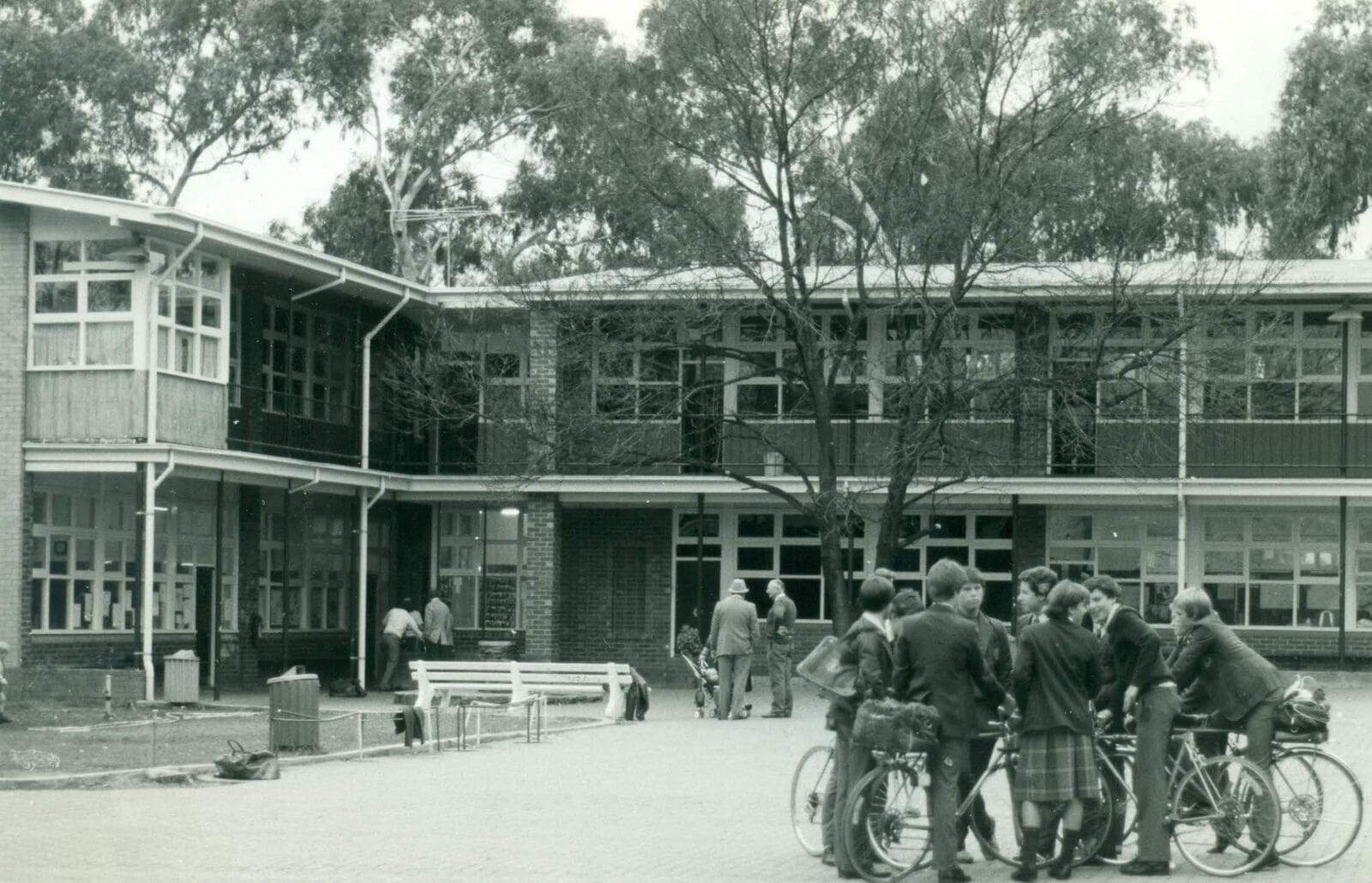
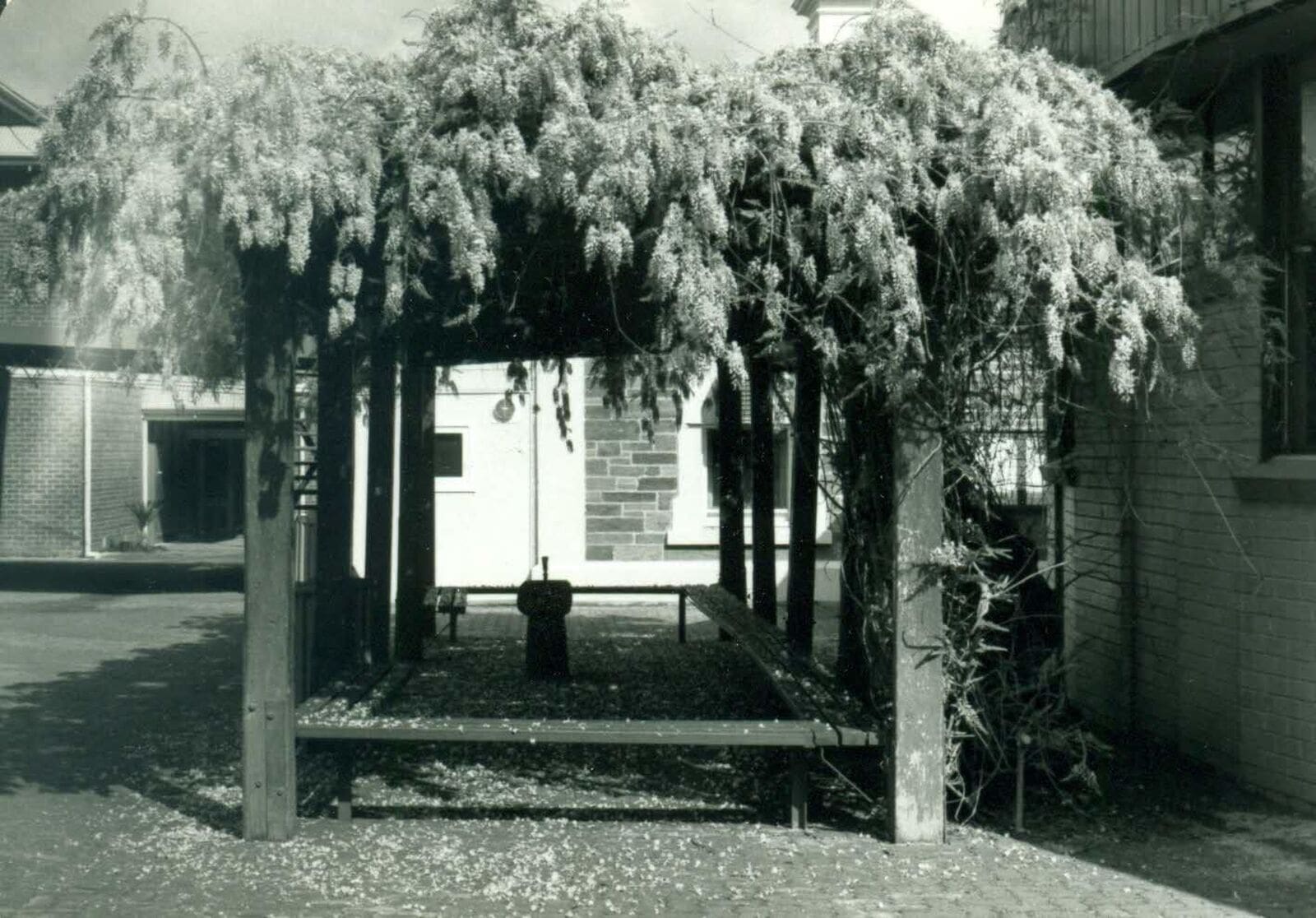


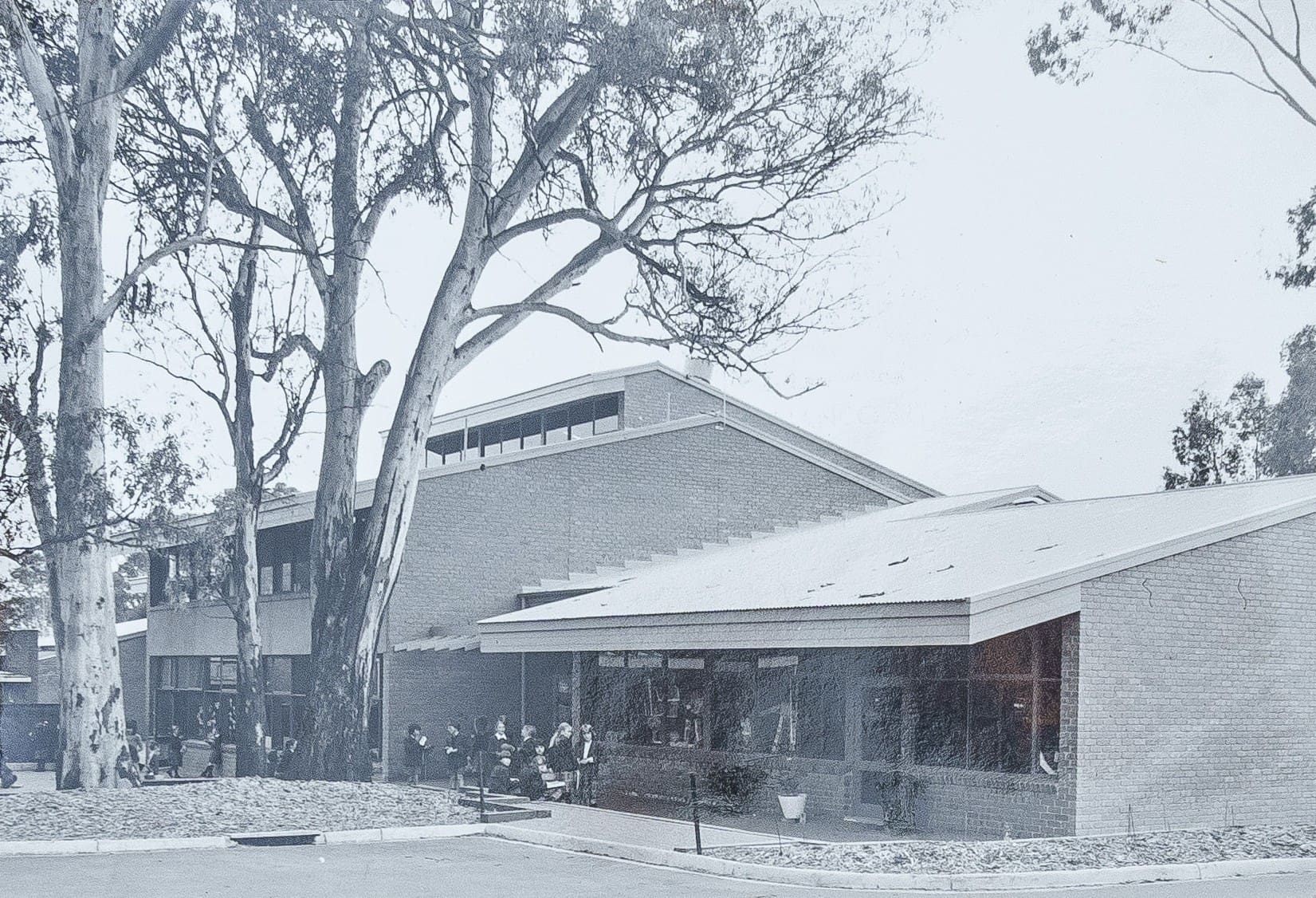


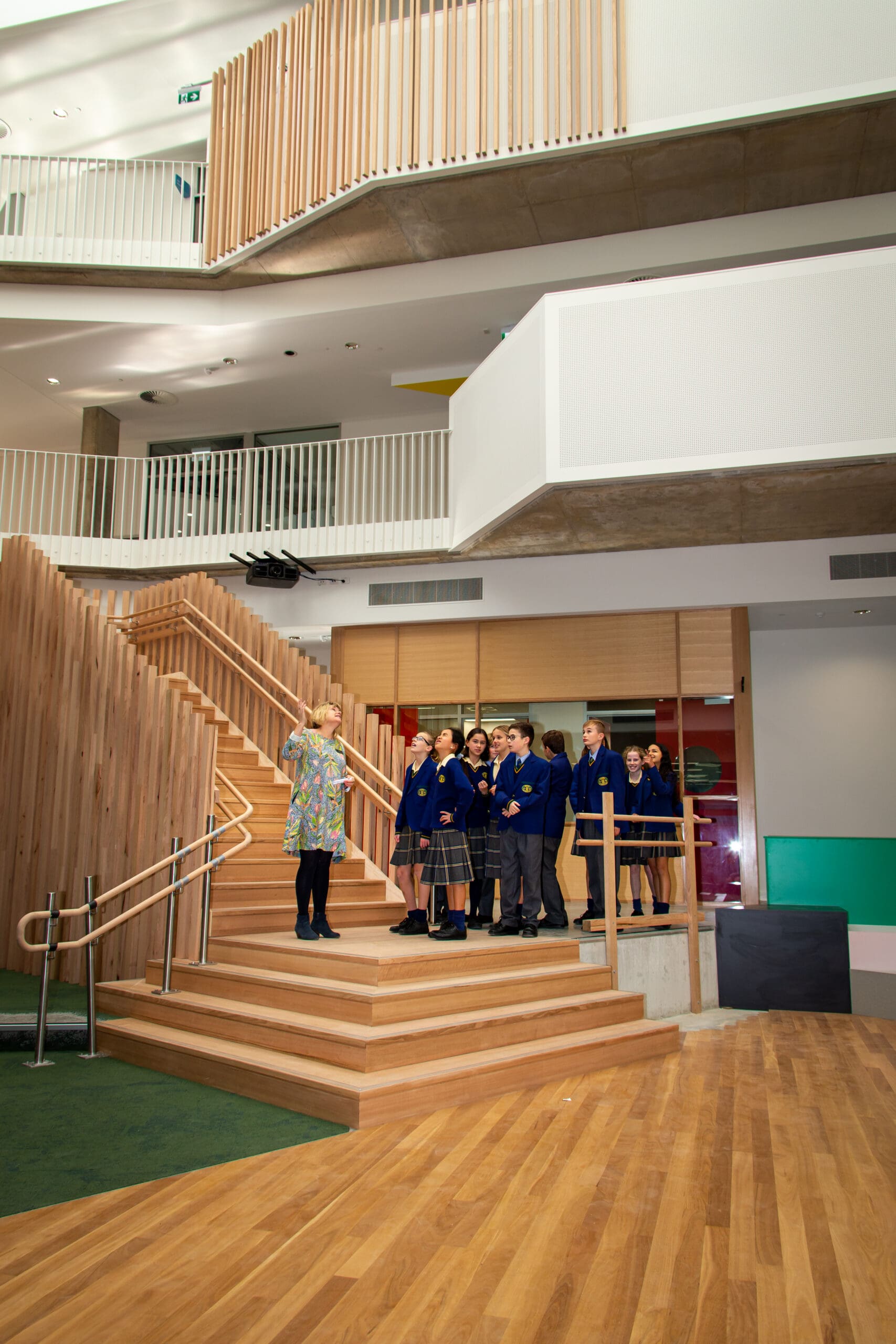
Student Classes and Boarding
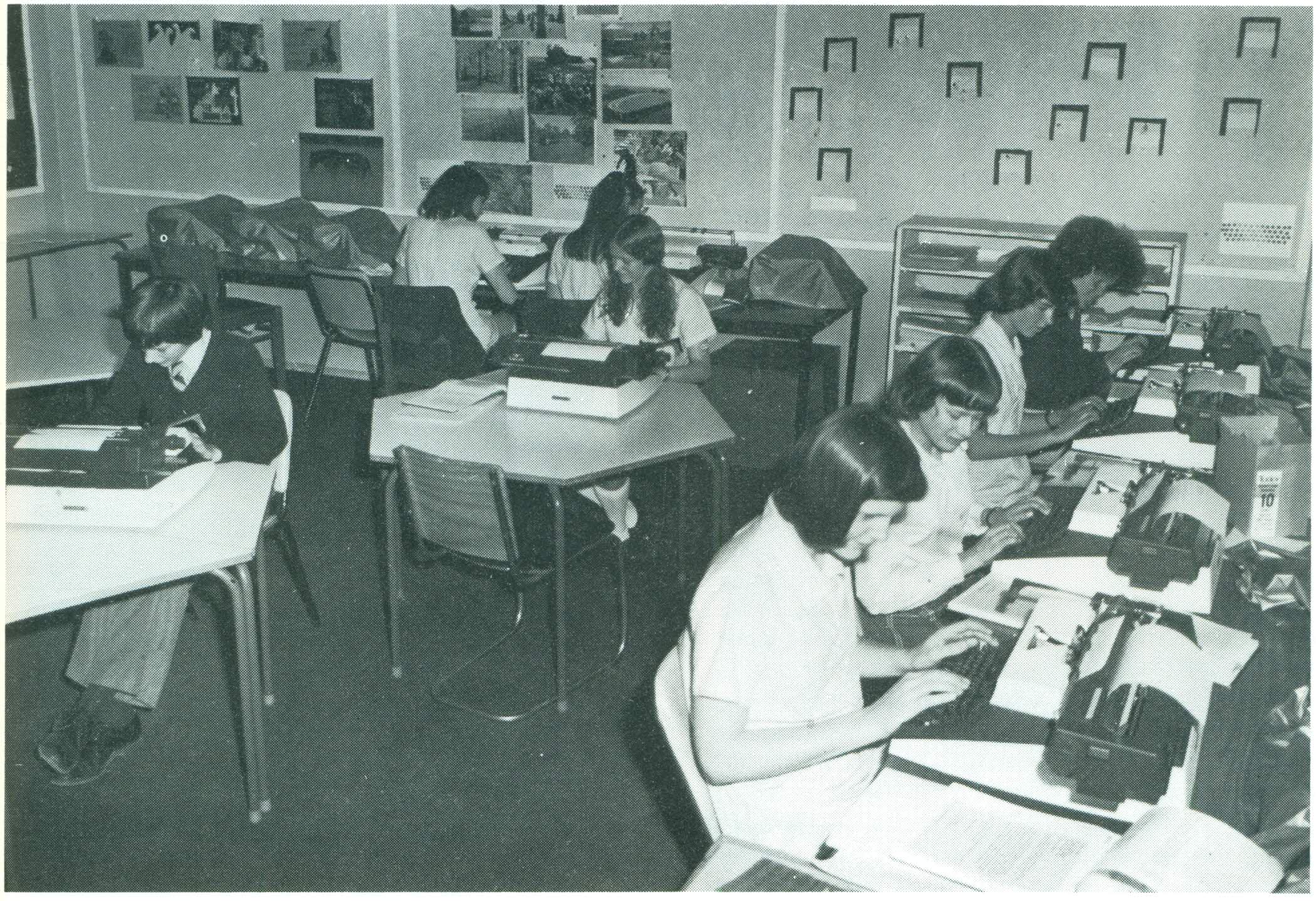
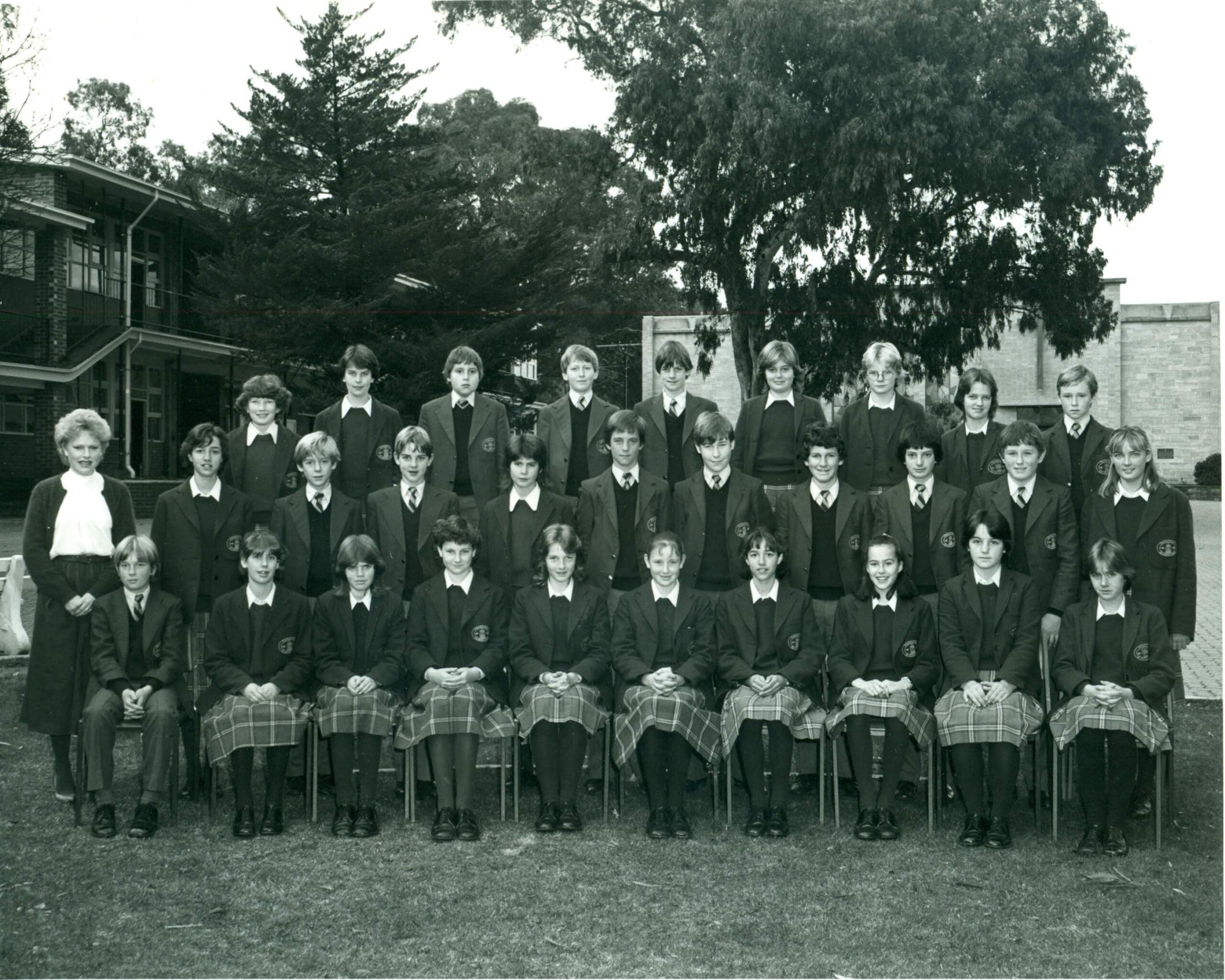
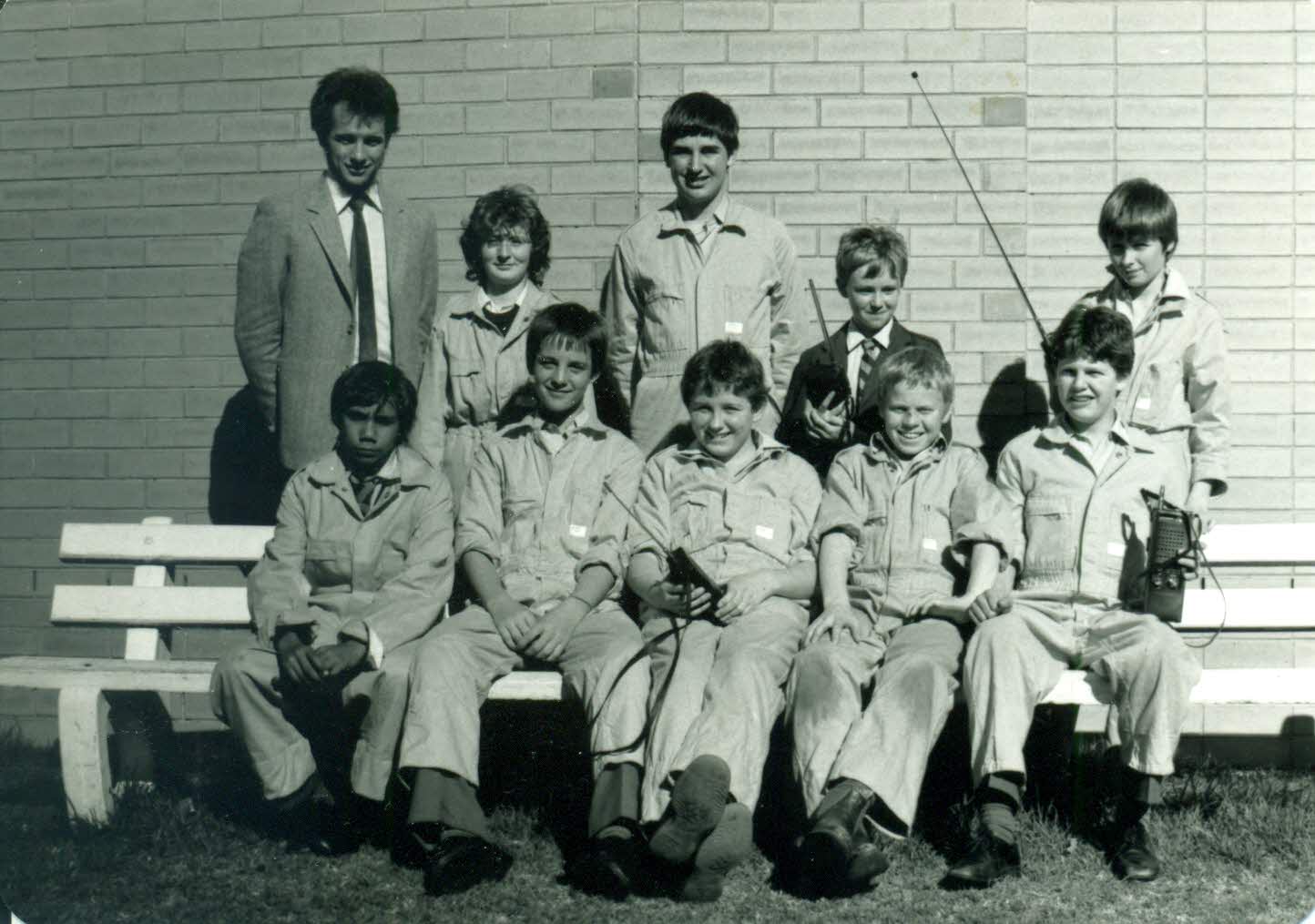
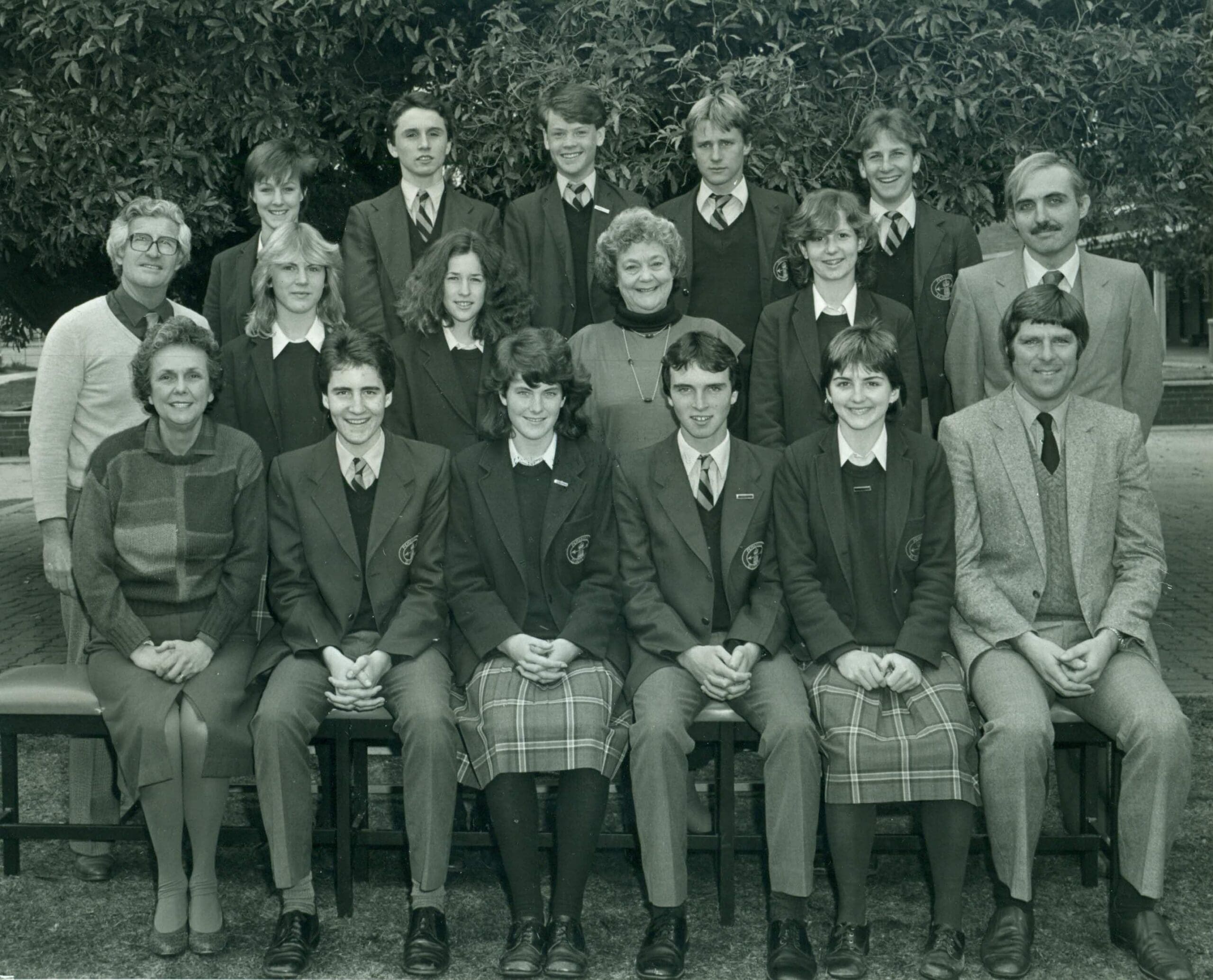
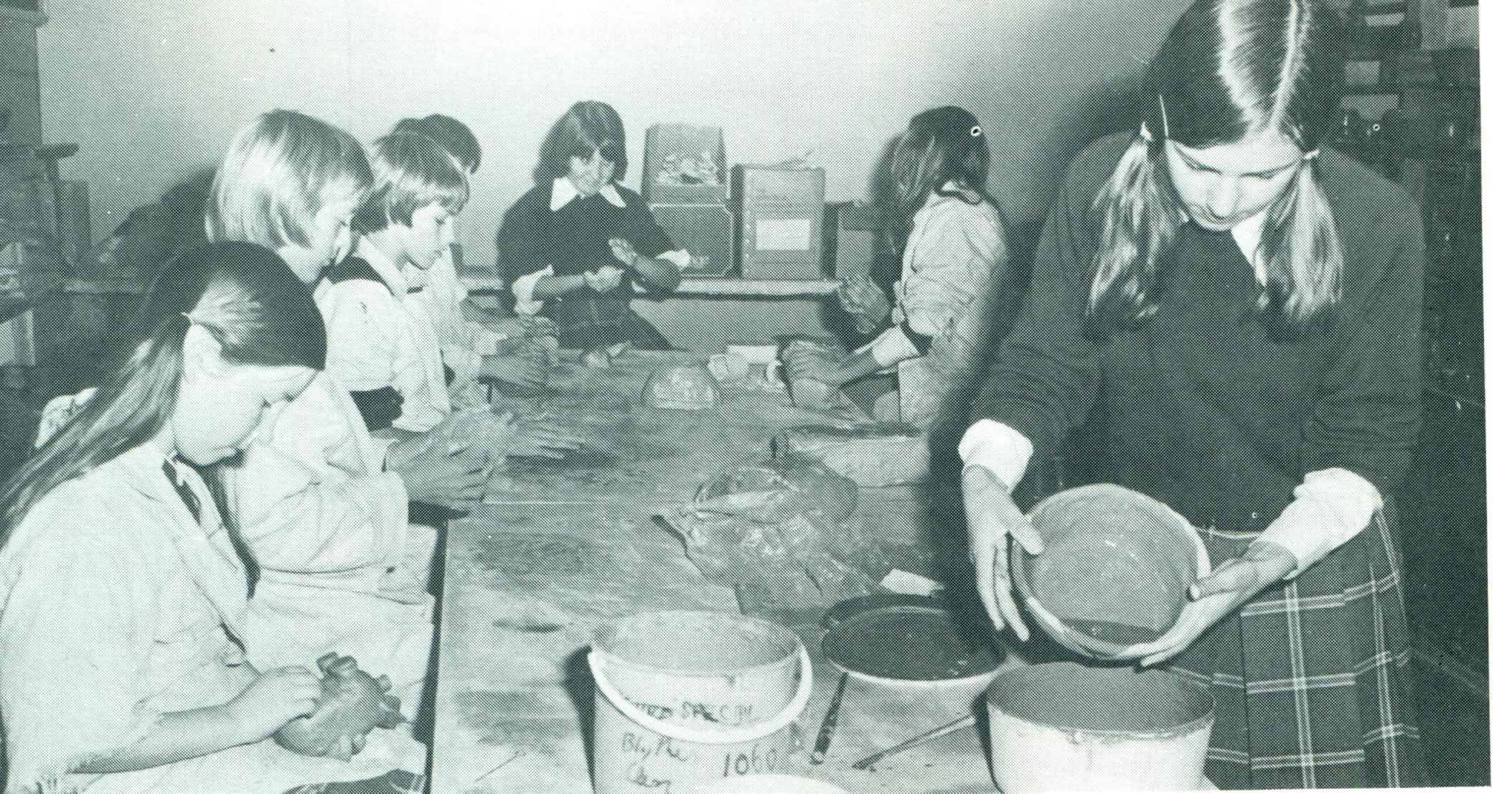
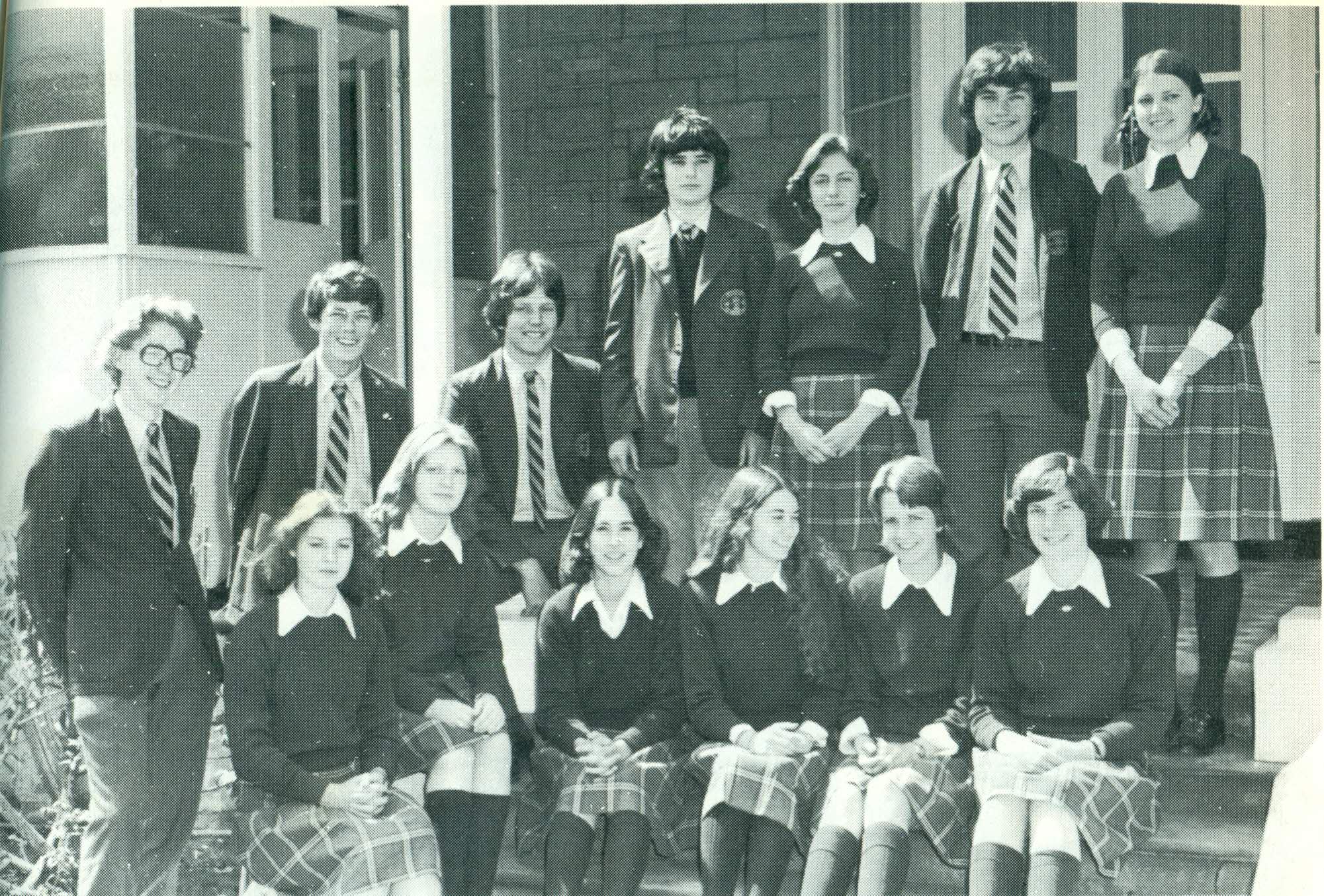
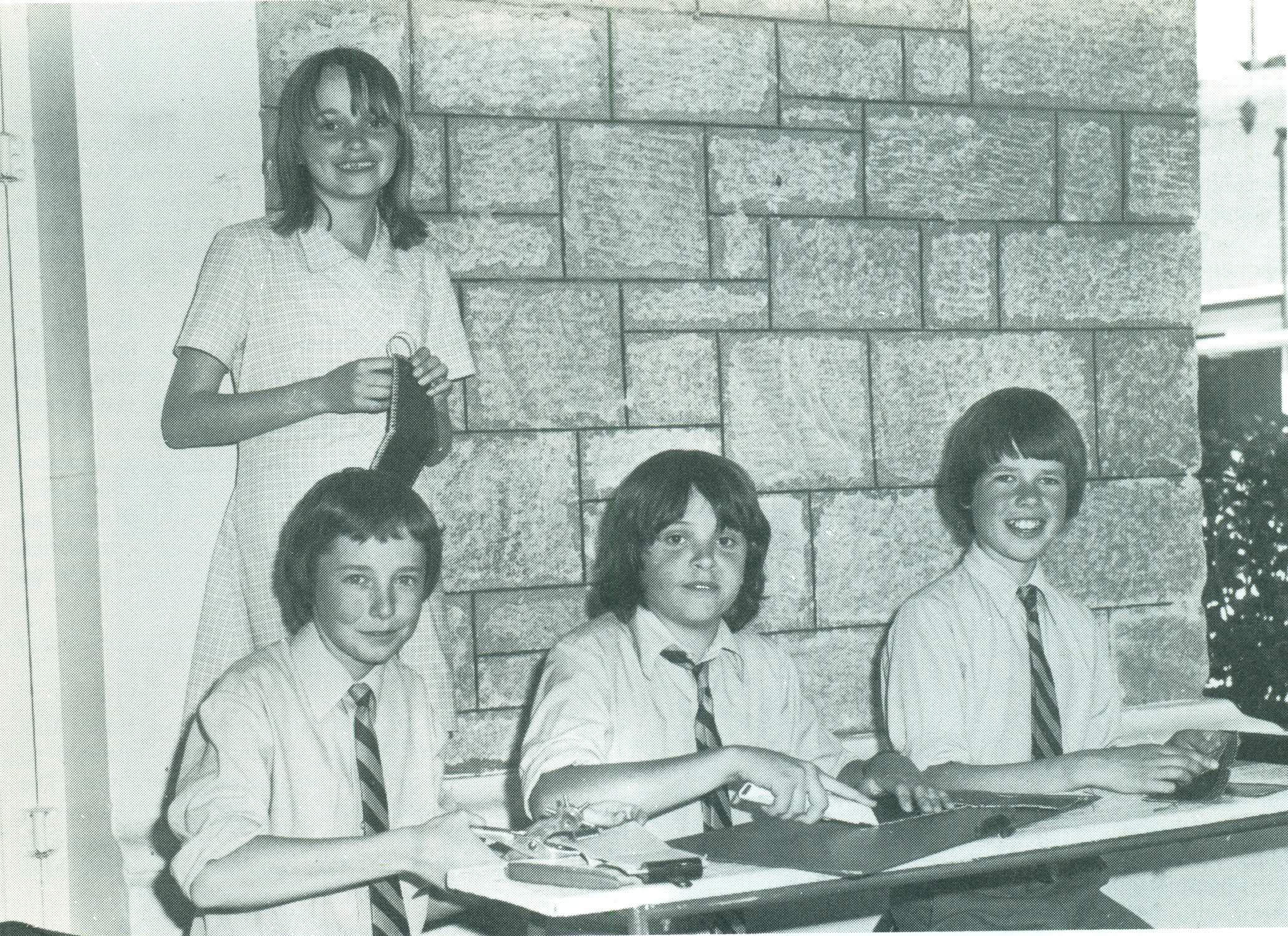
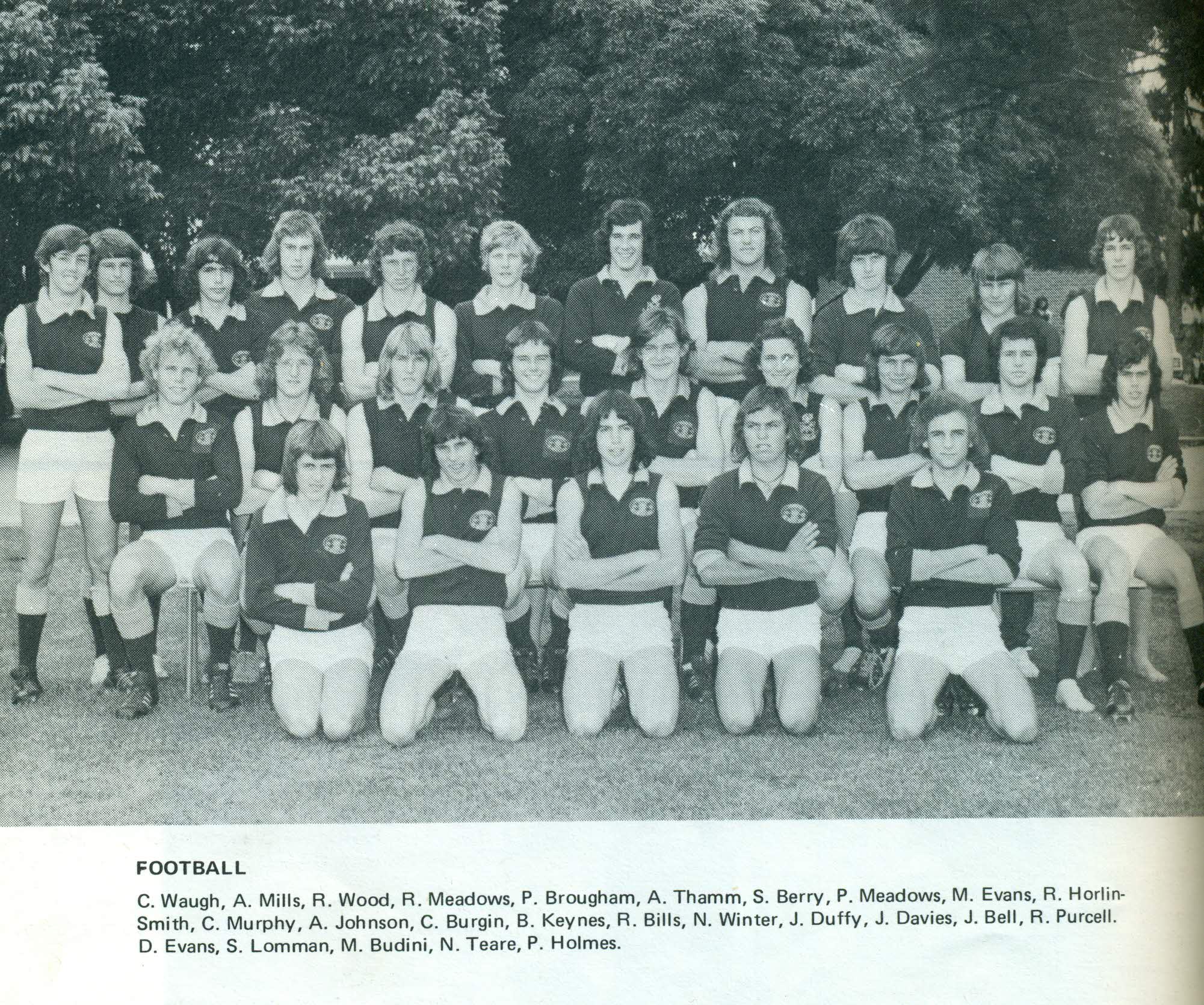
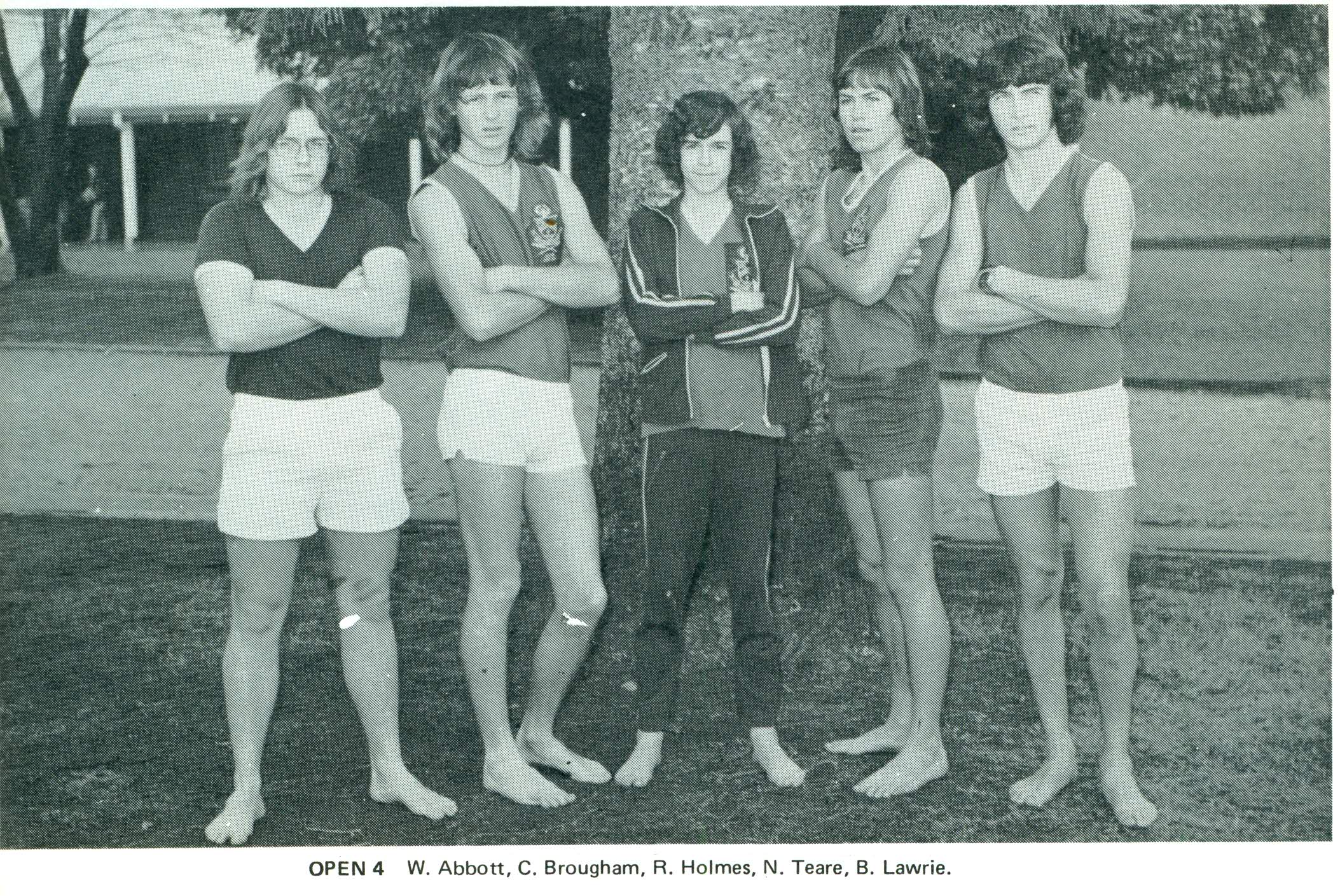
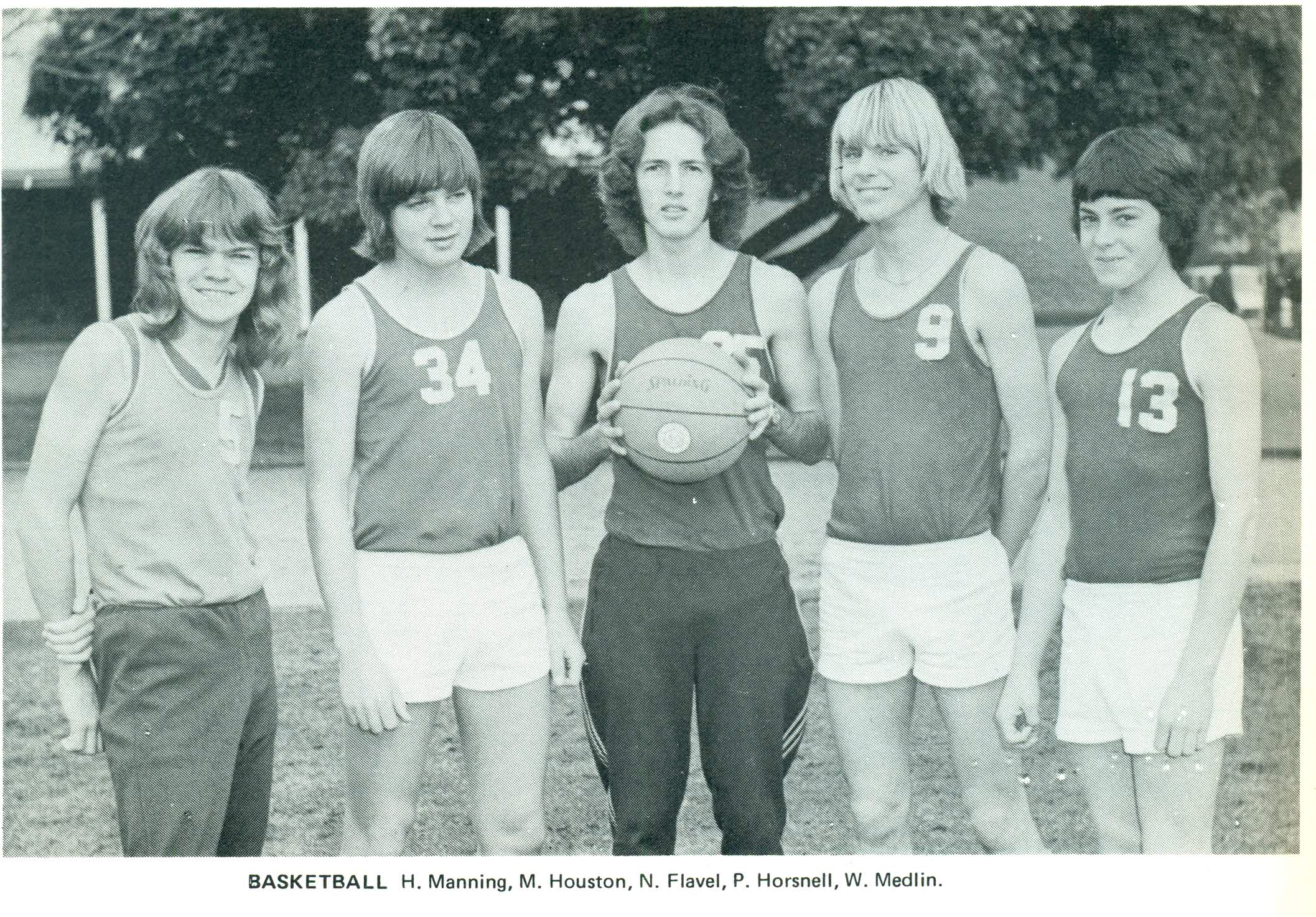
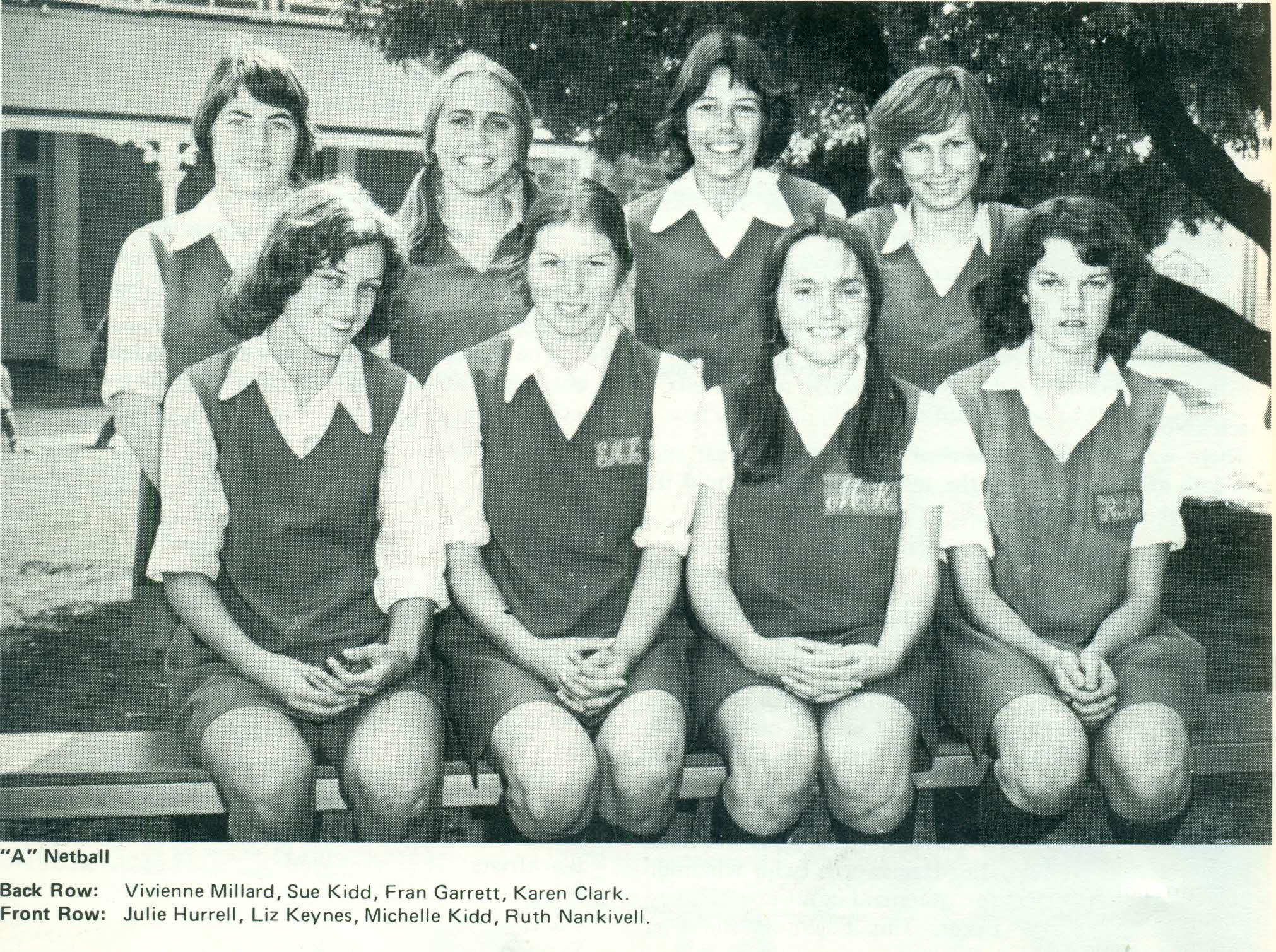
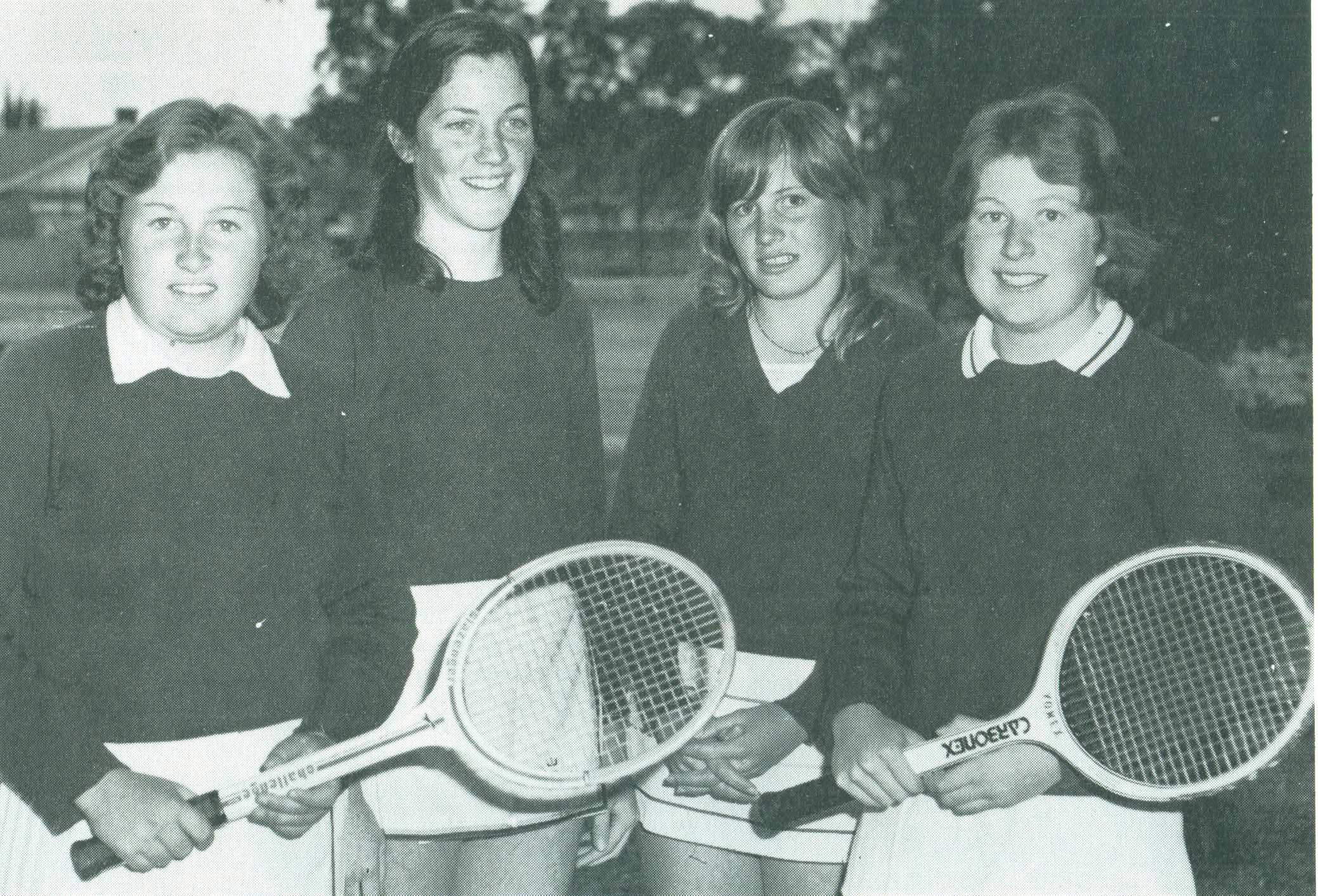
The Arts, Sports and Other Co-Curricular
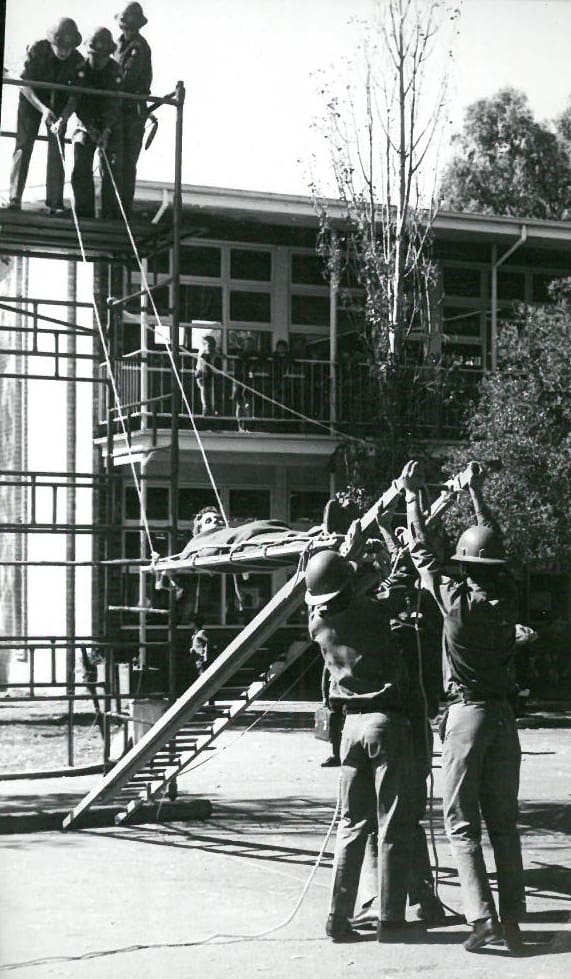
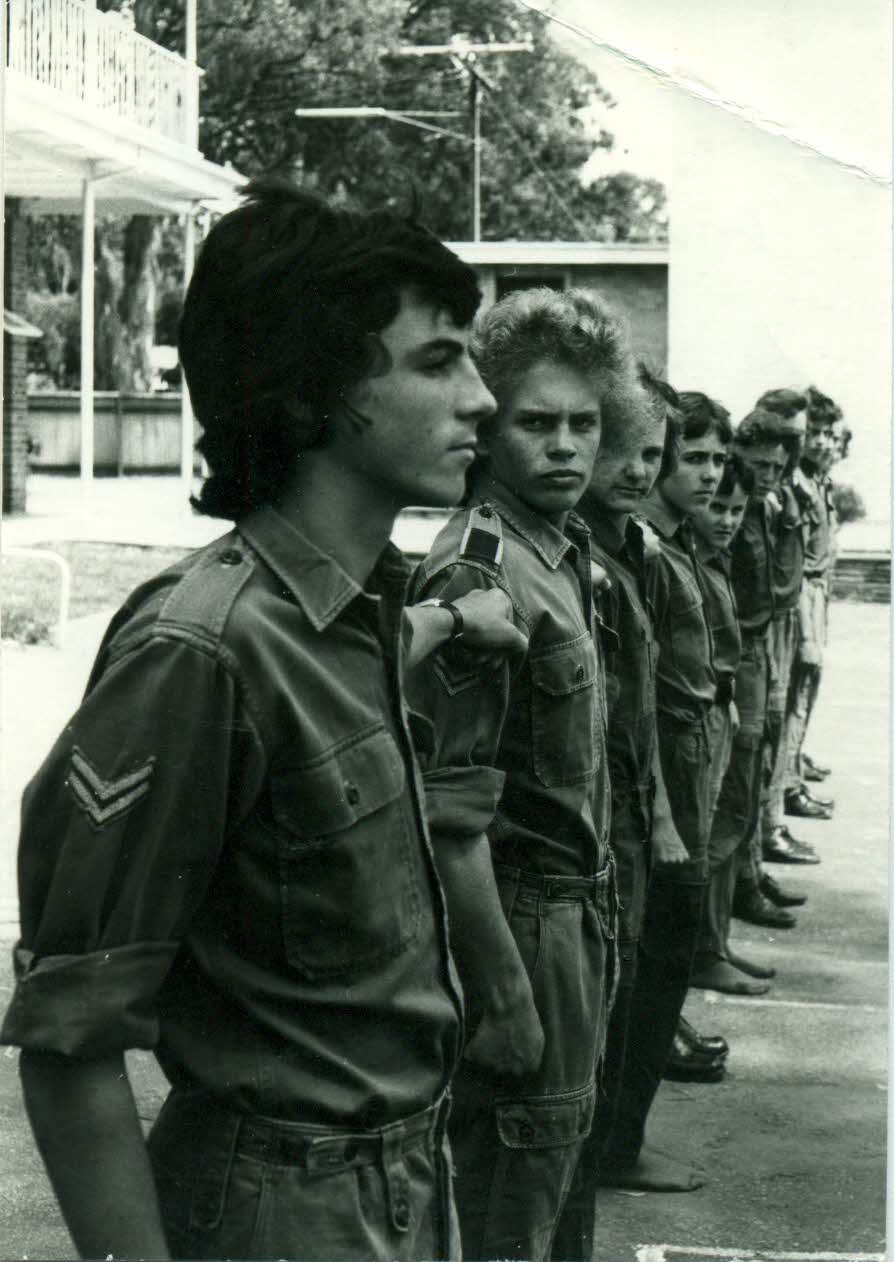
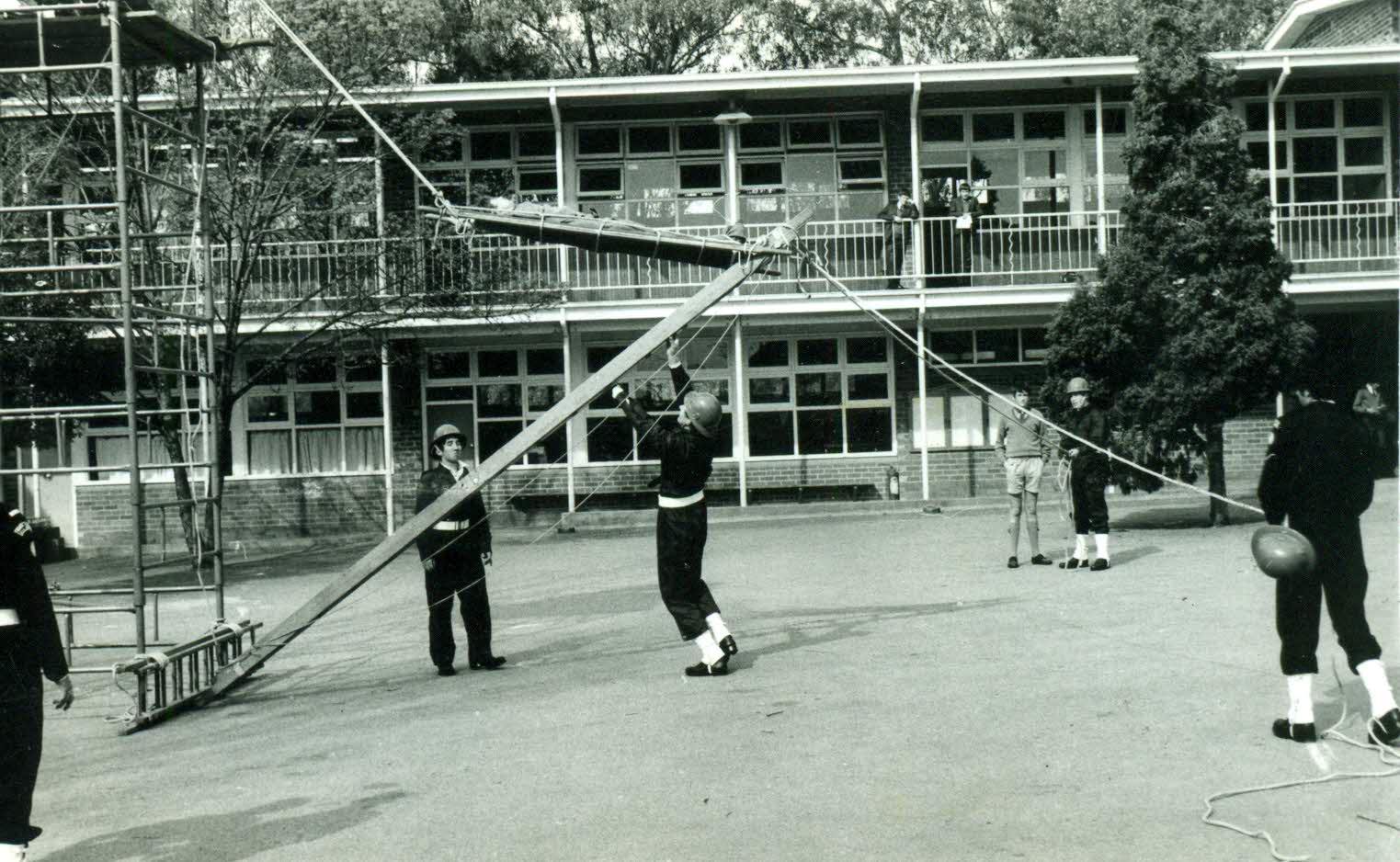
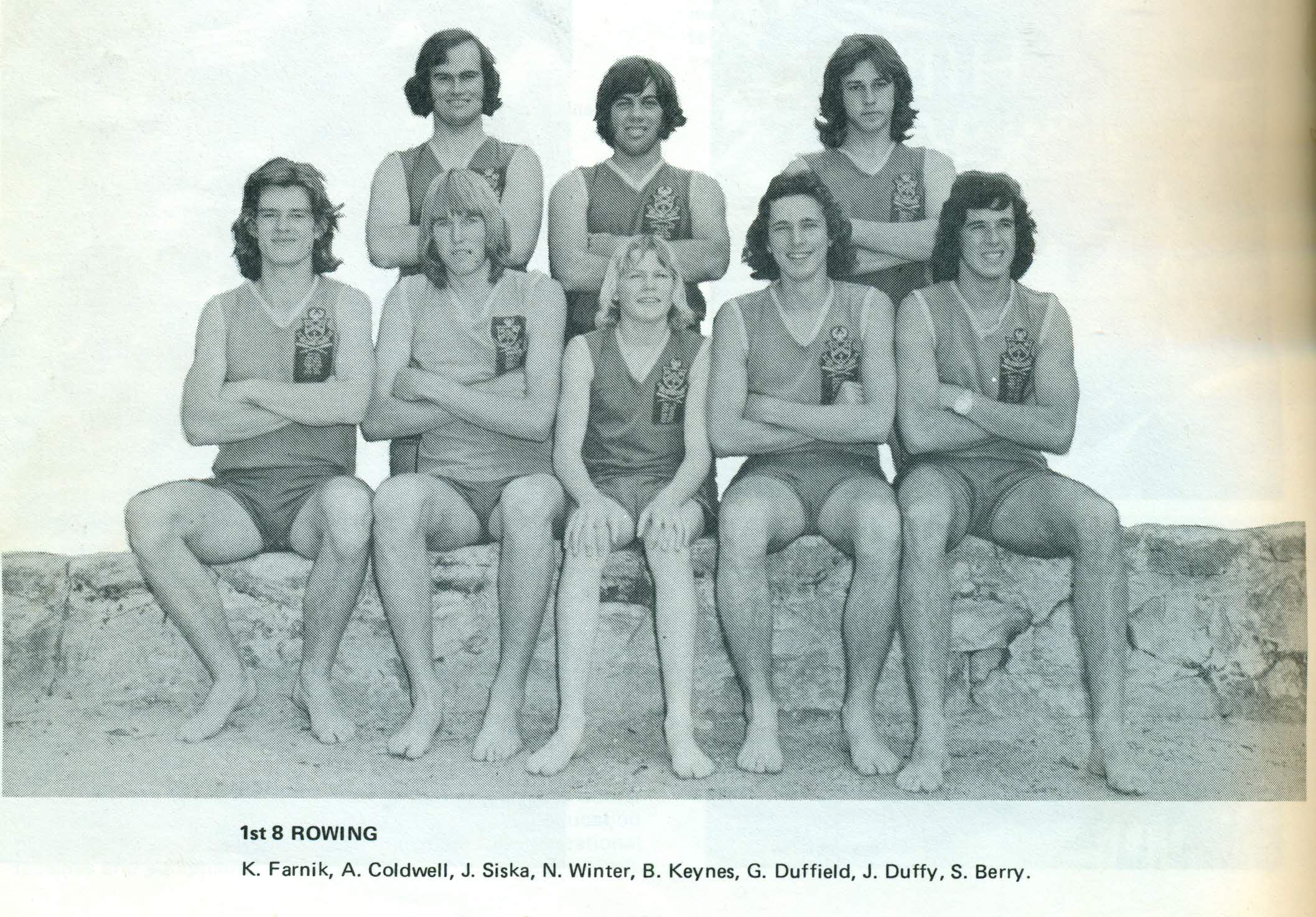
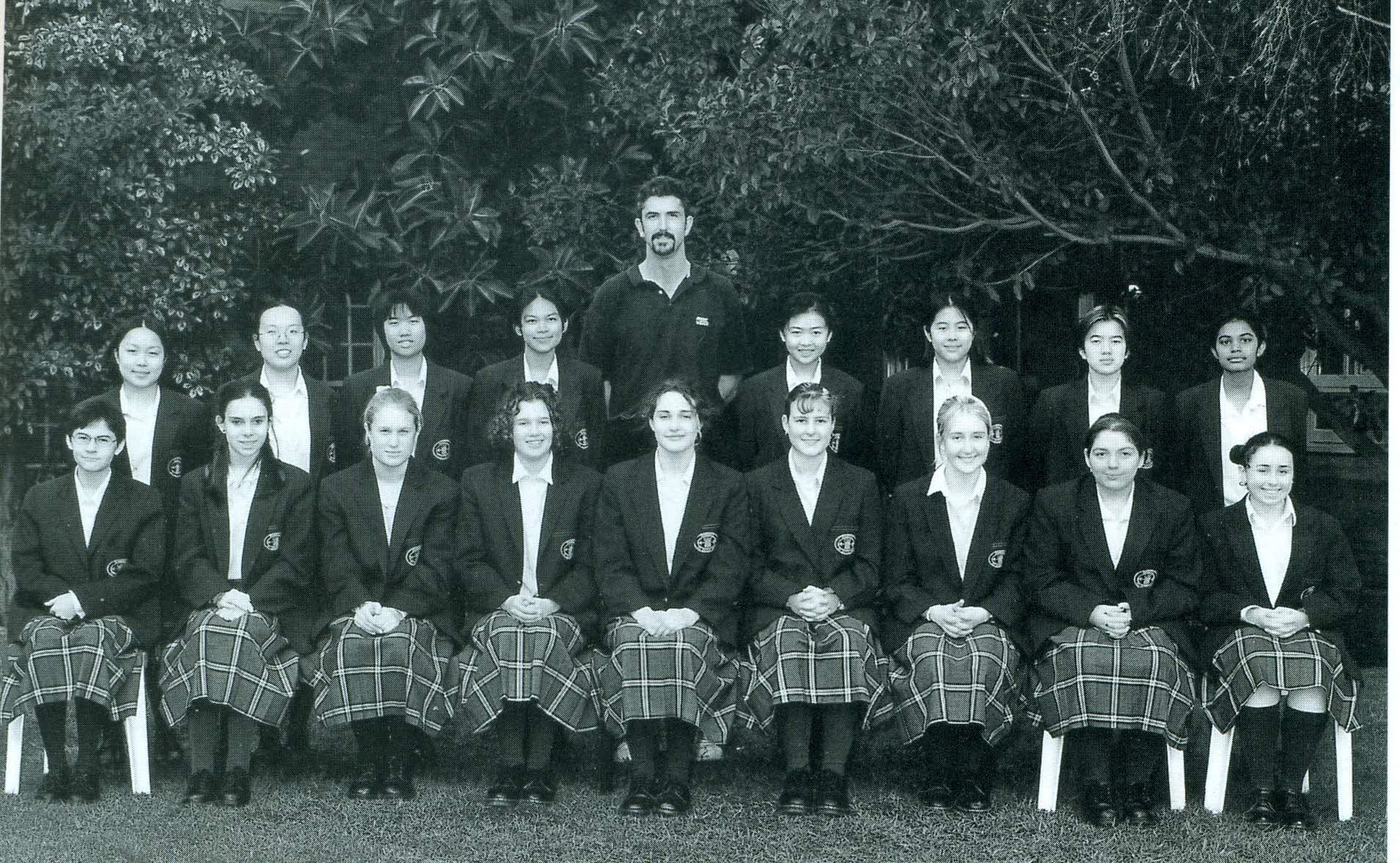
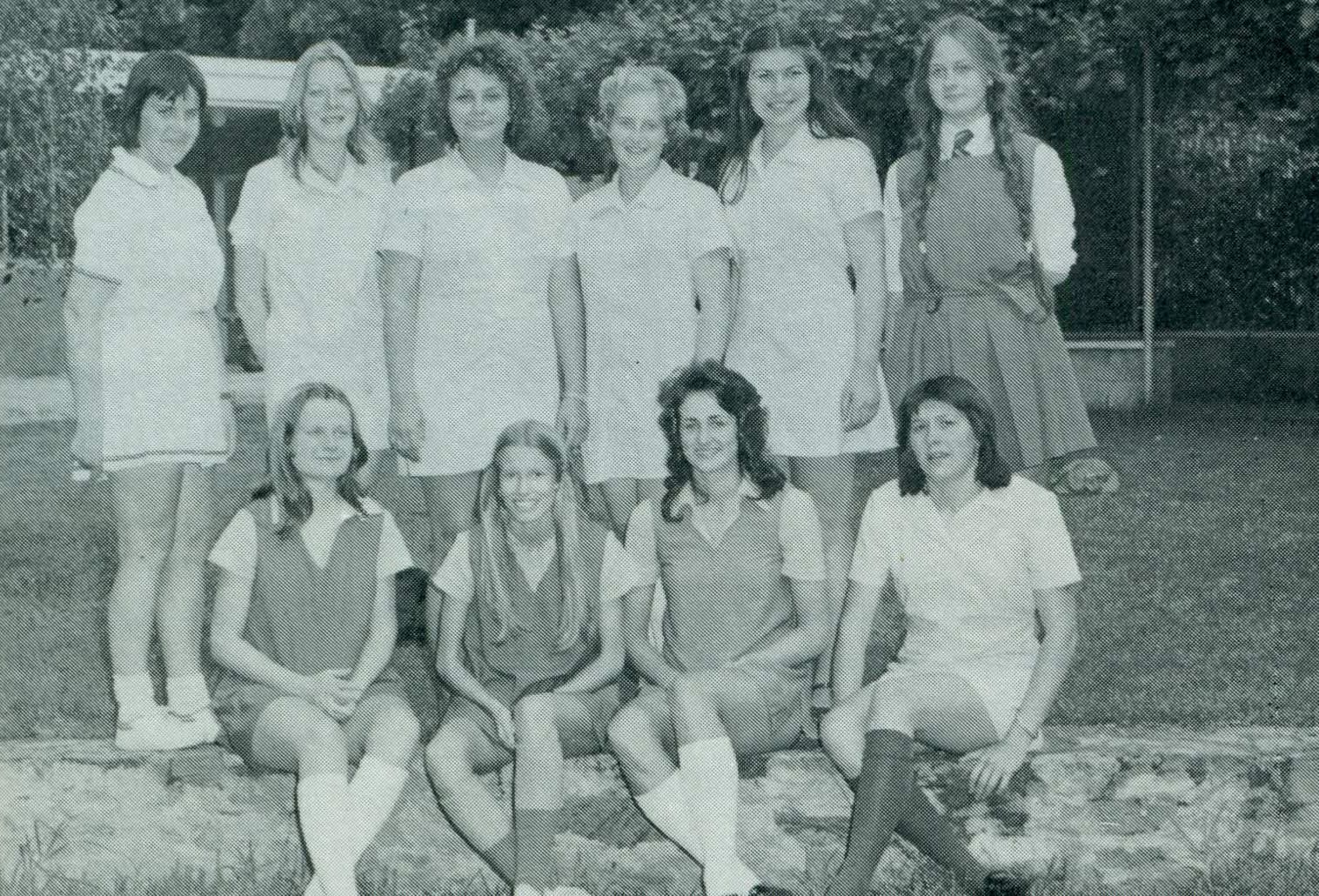
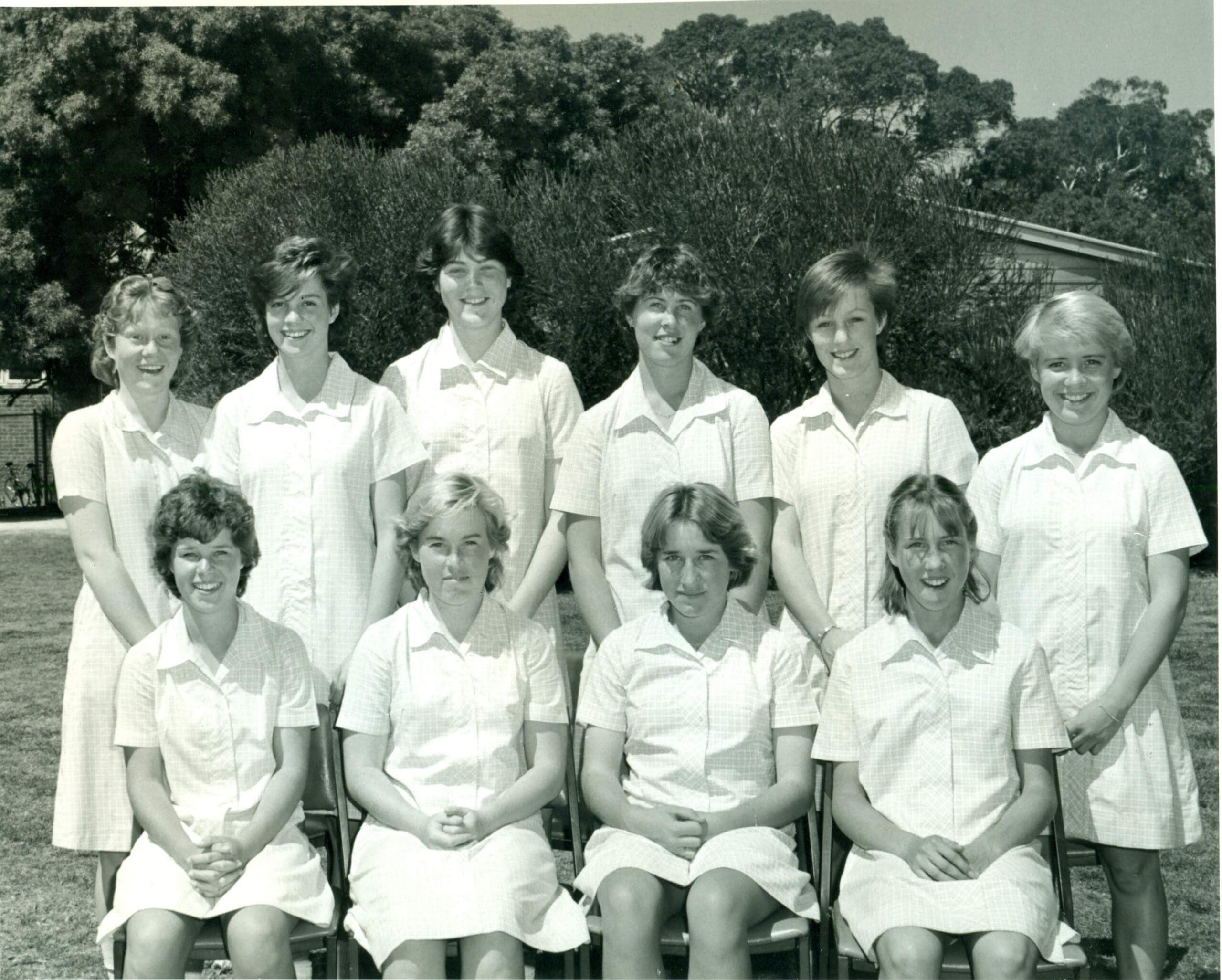
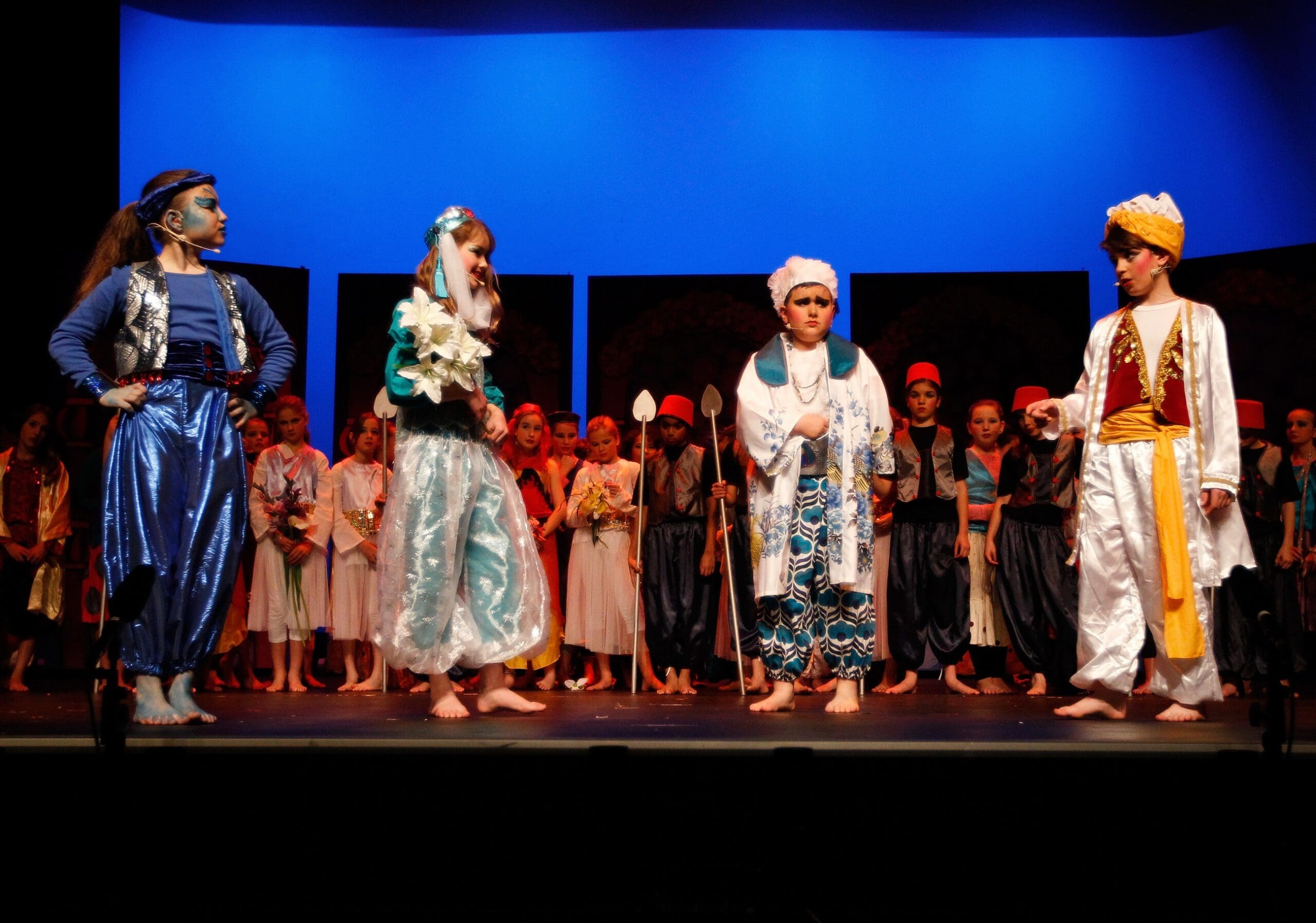
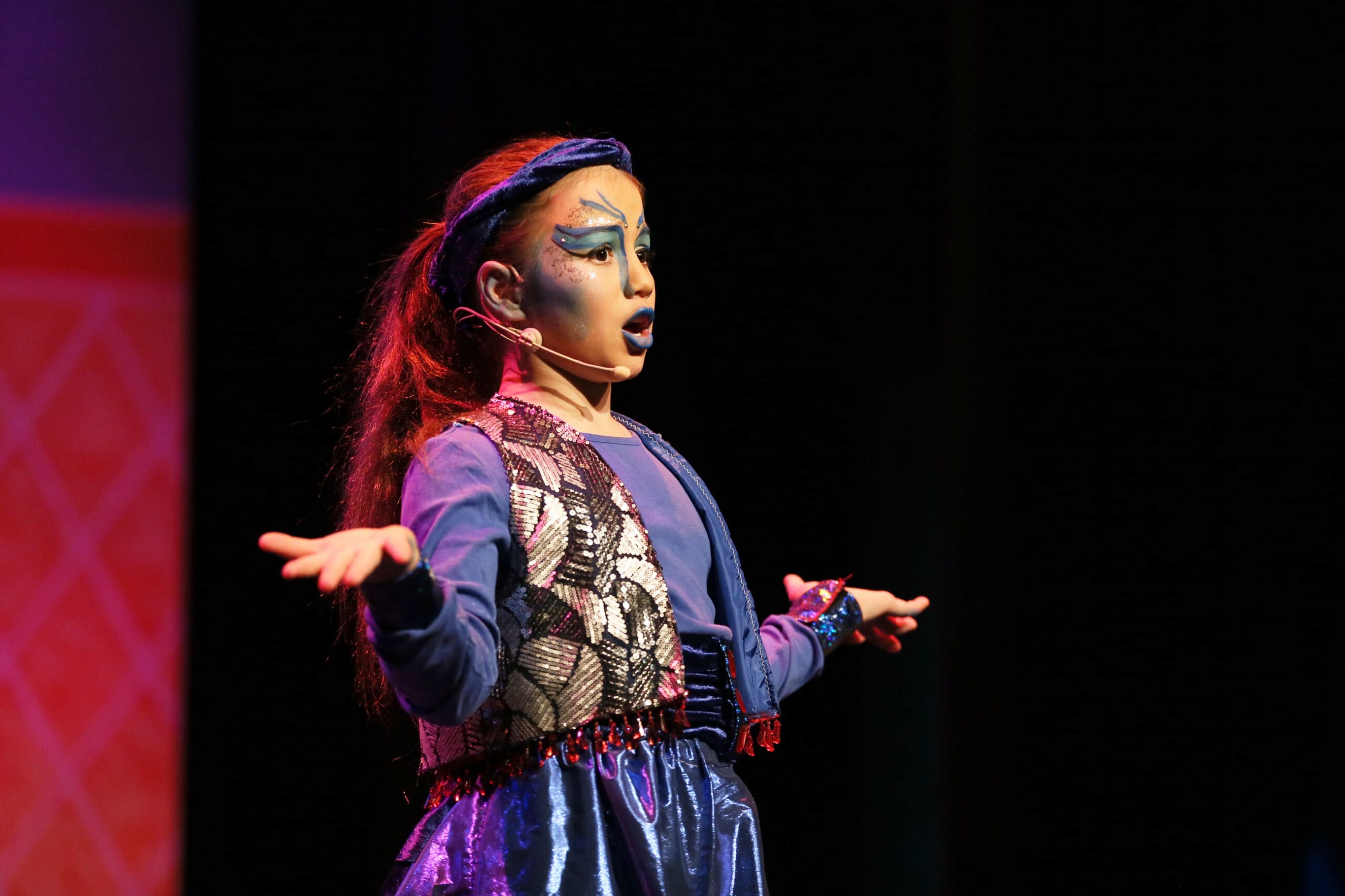
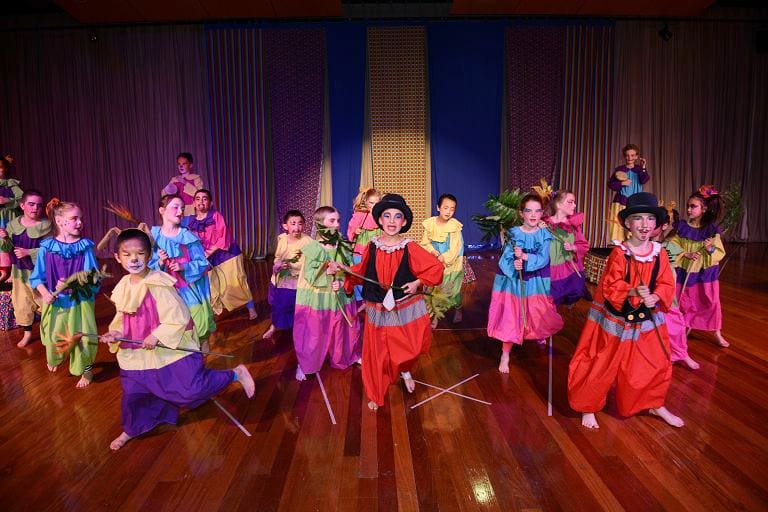
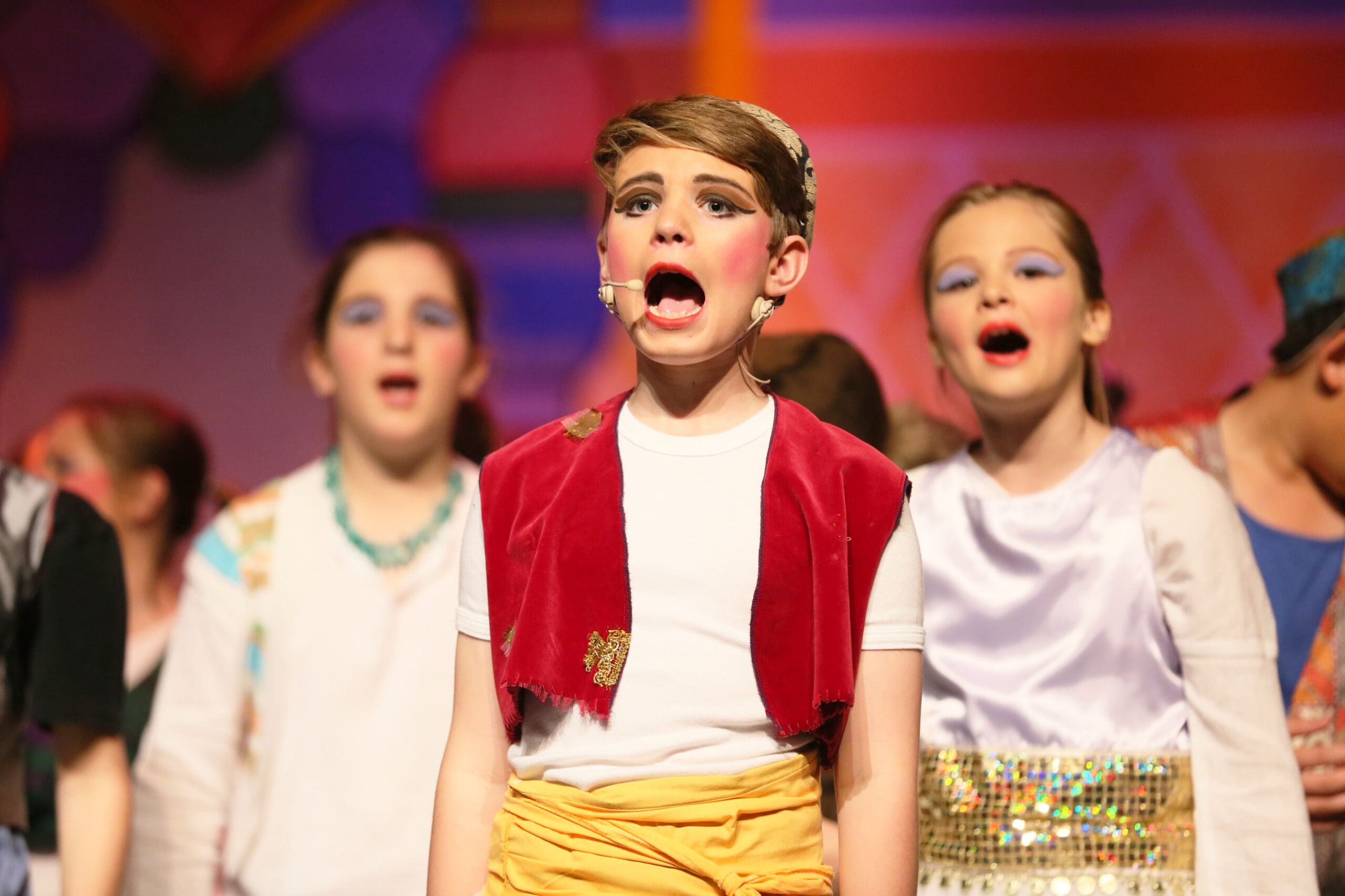
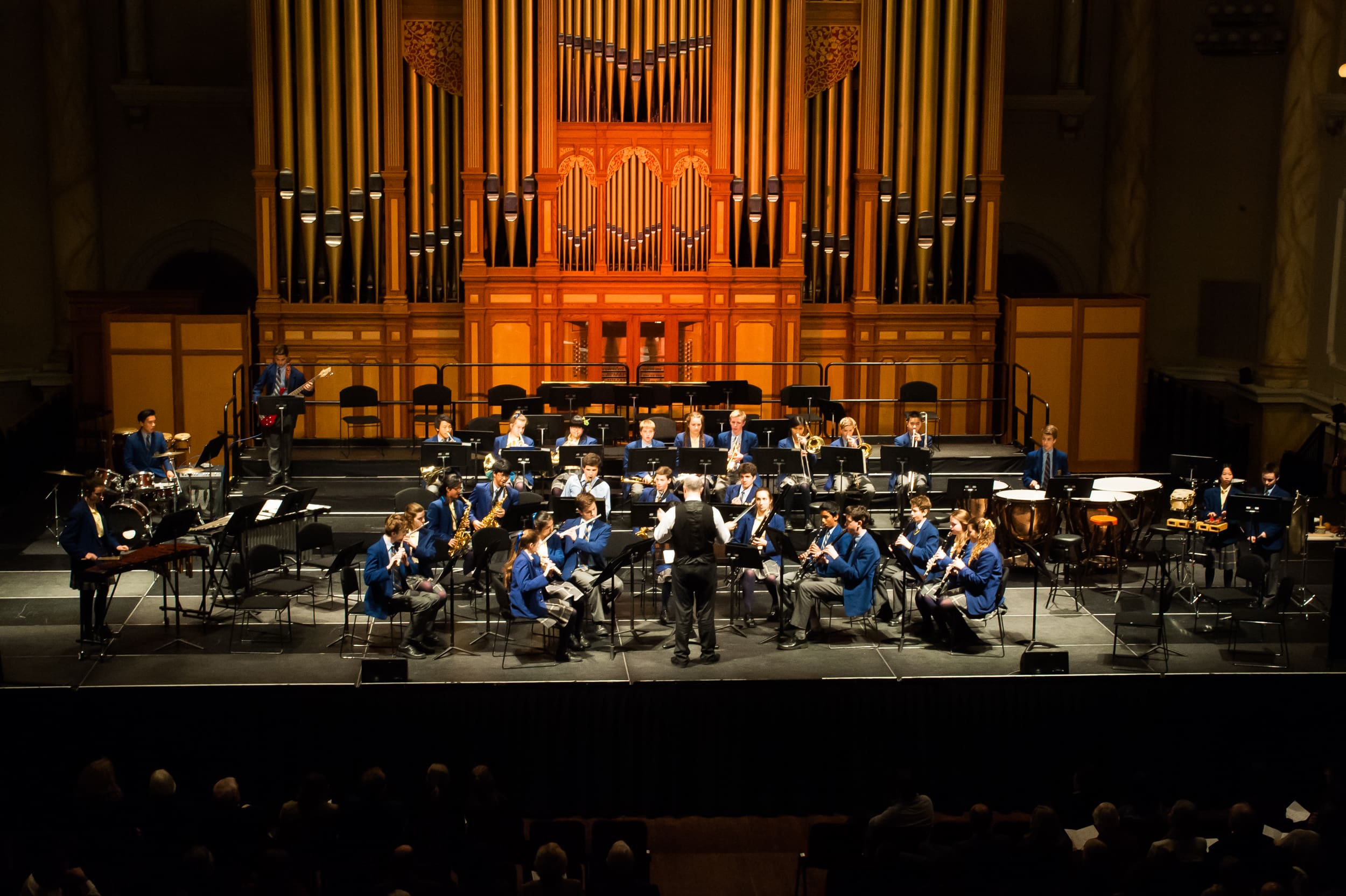
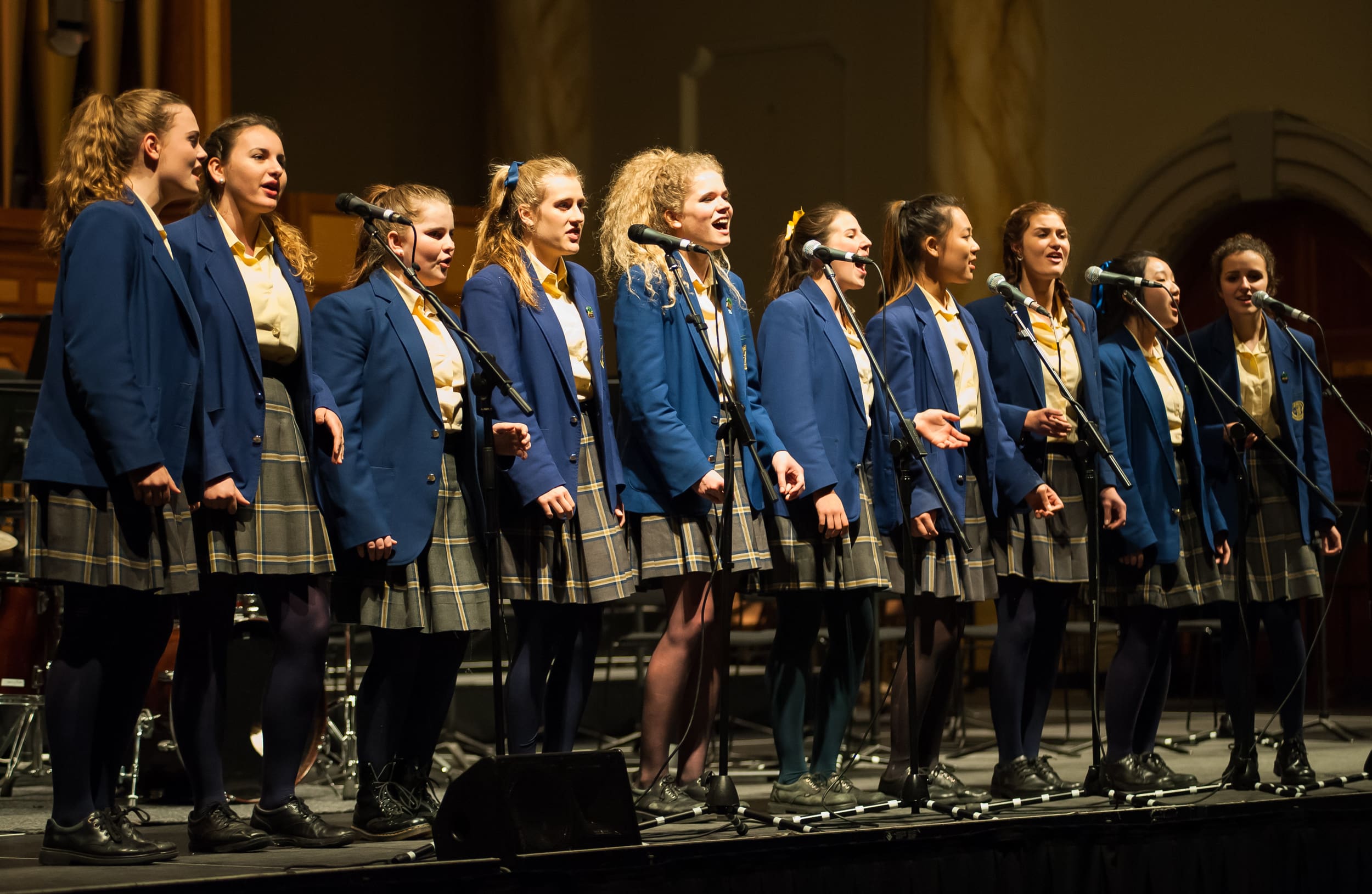
Special Events and Functions
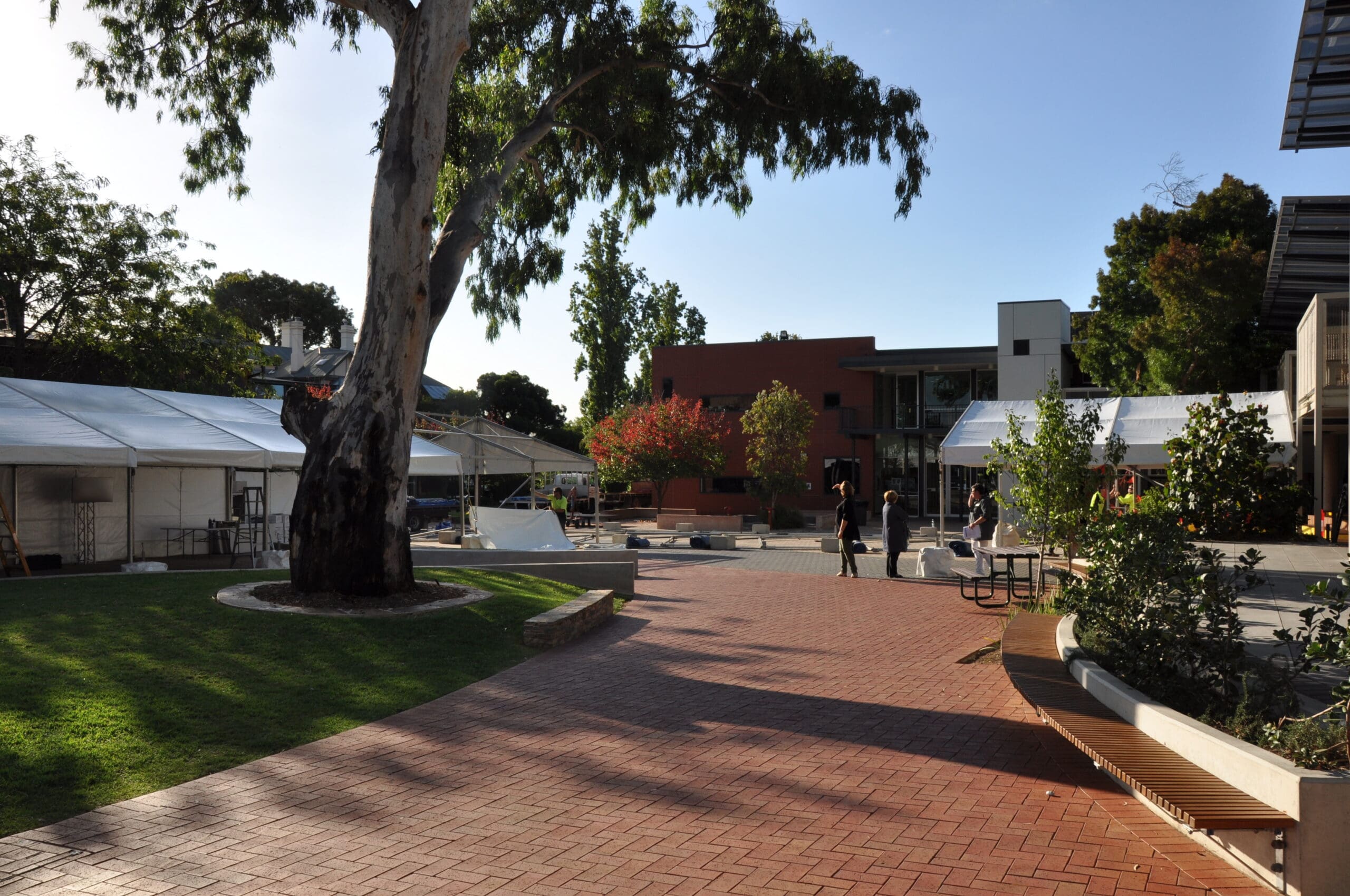
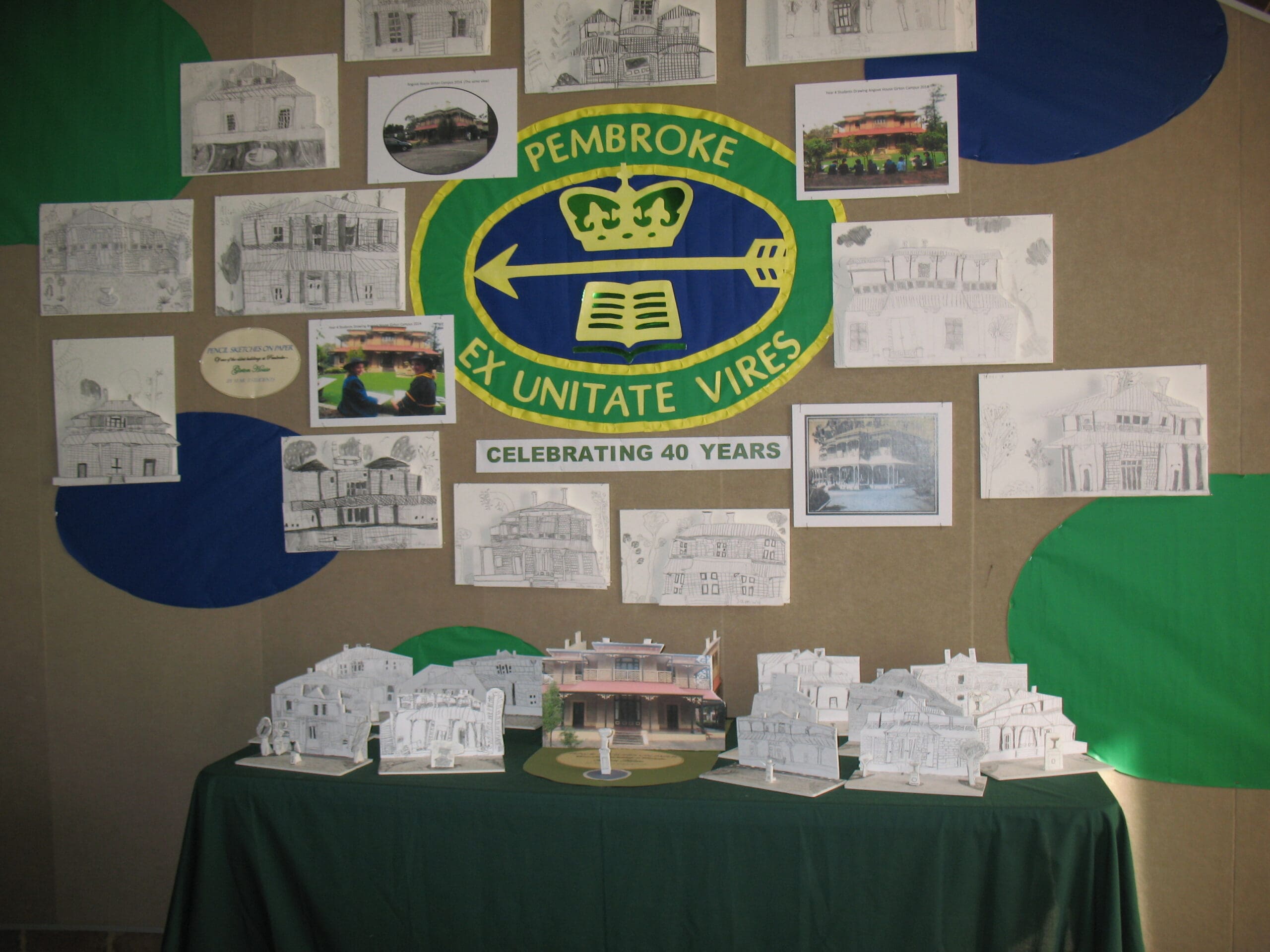
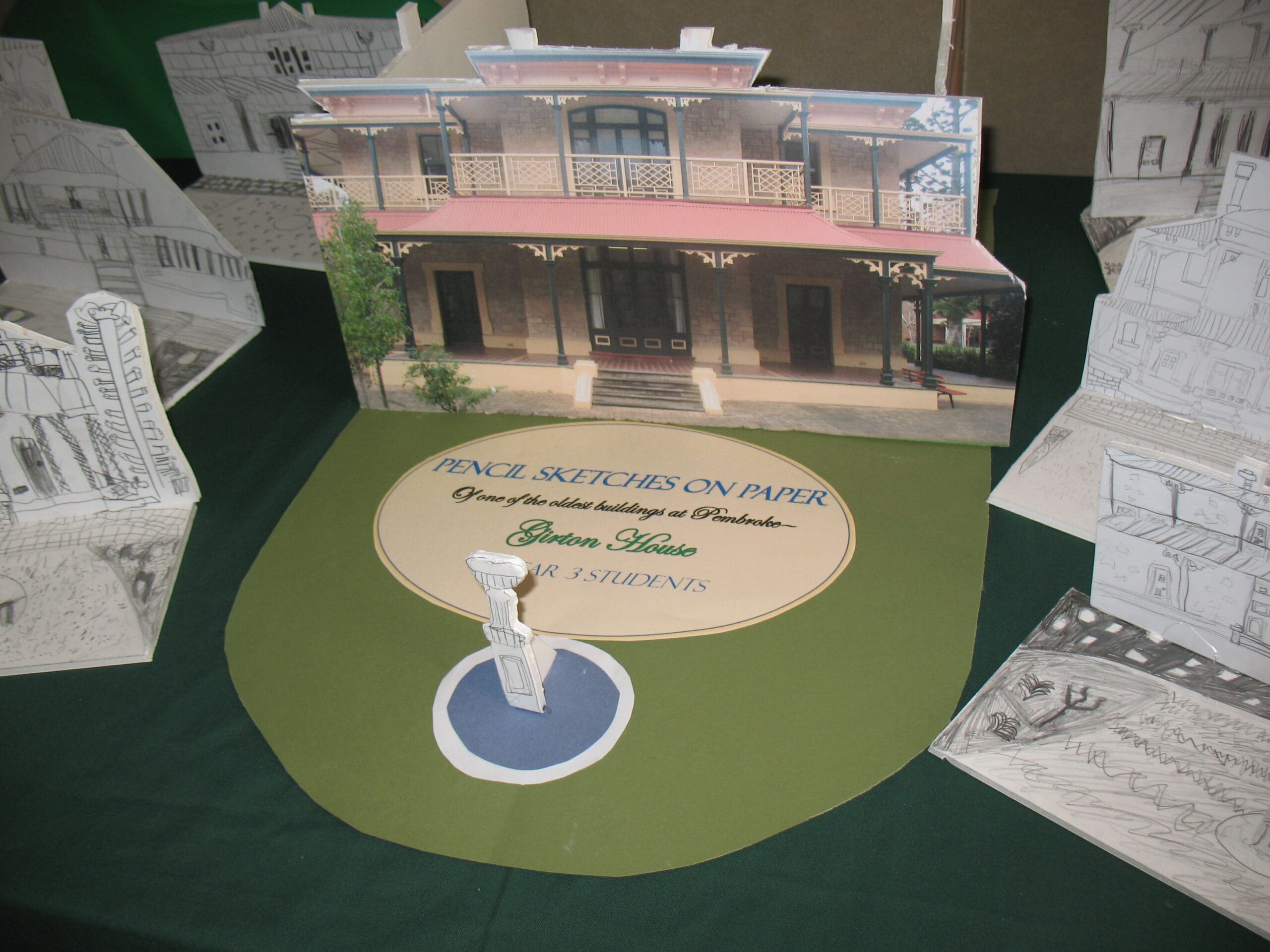
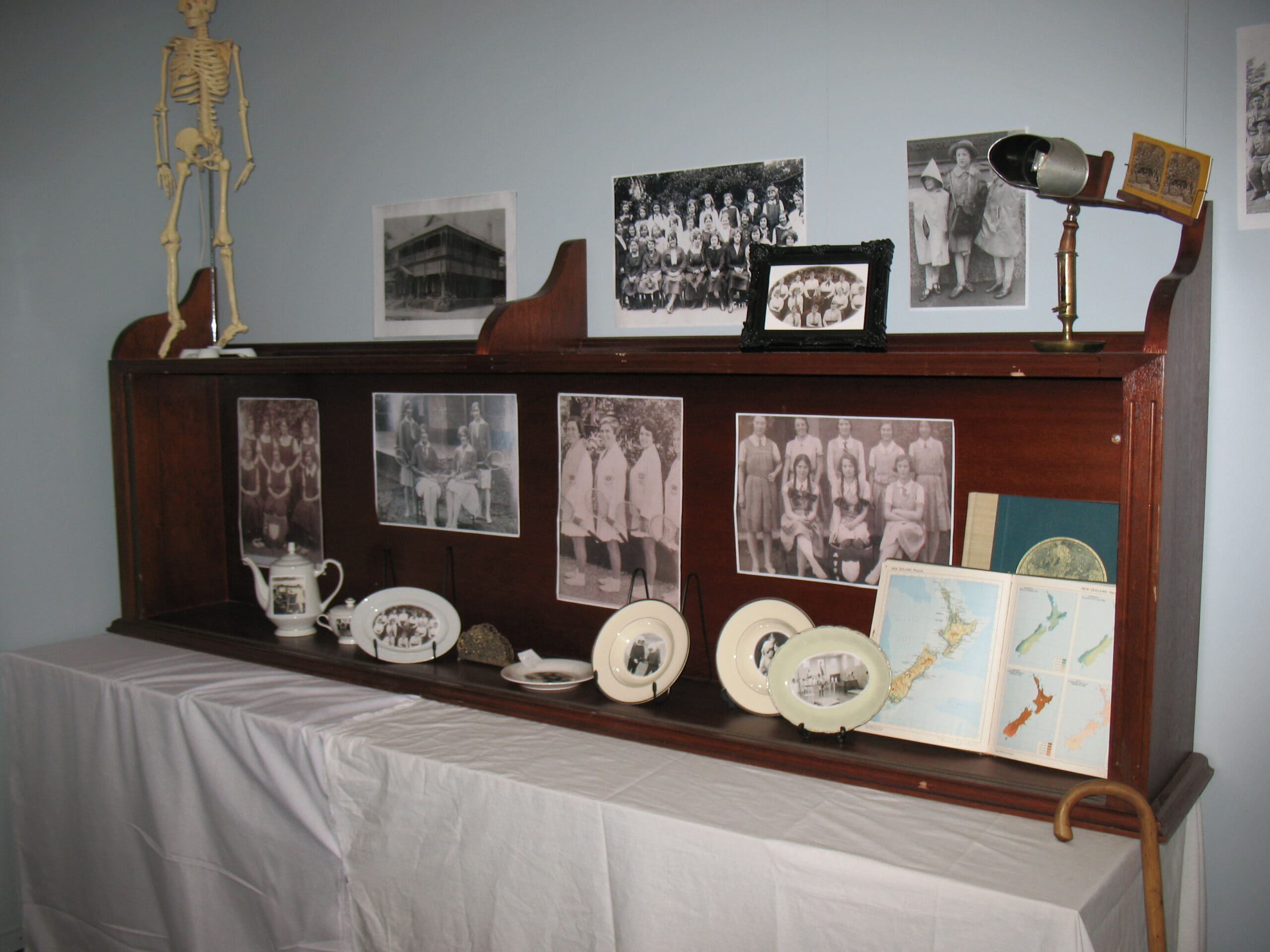

Archives Gallery
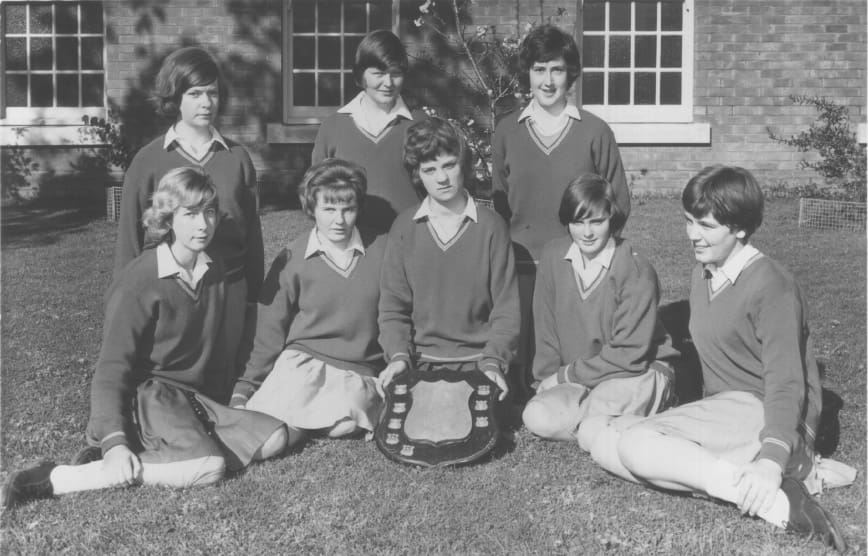
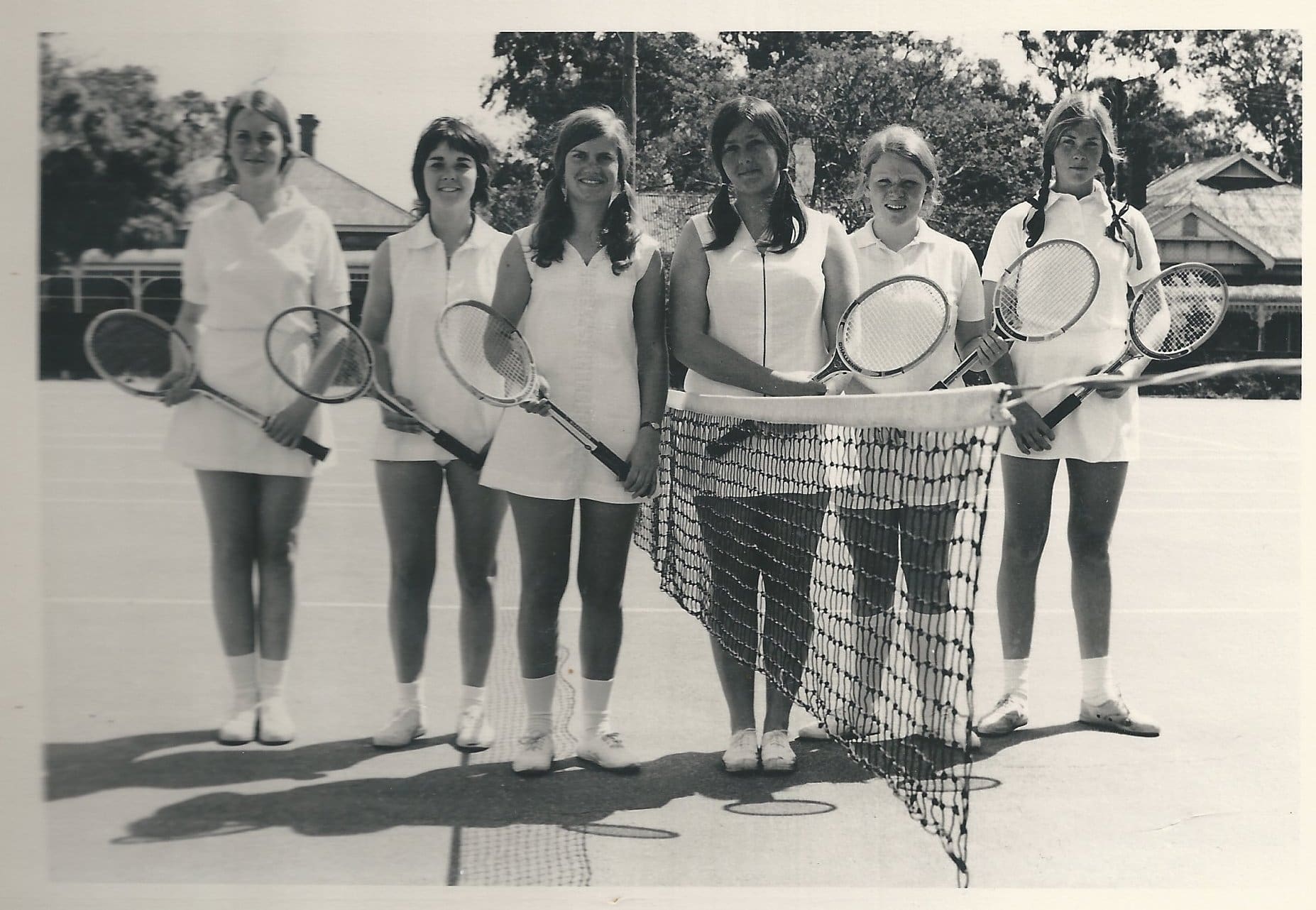
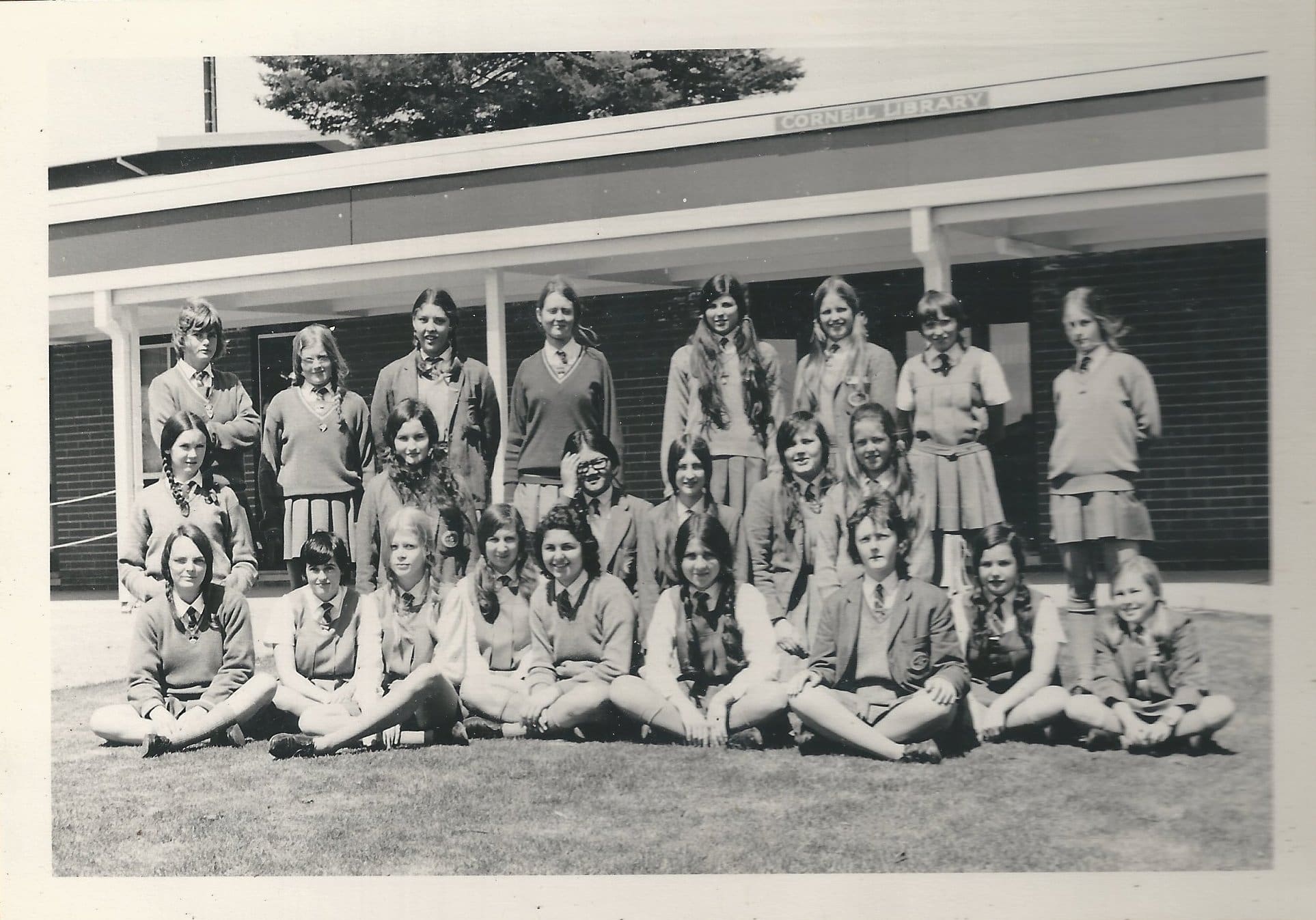
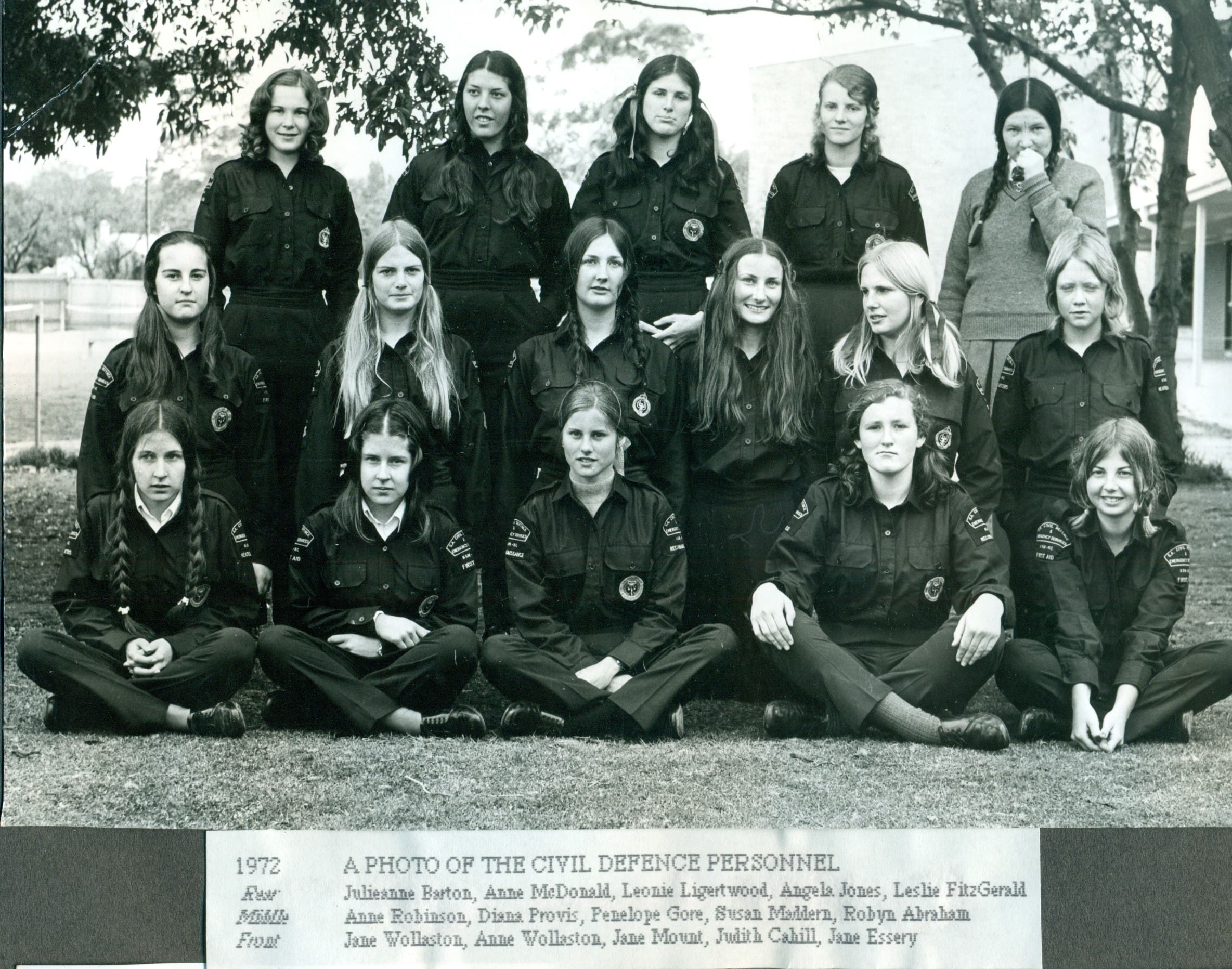
Girton Girls’ School
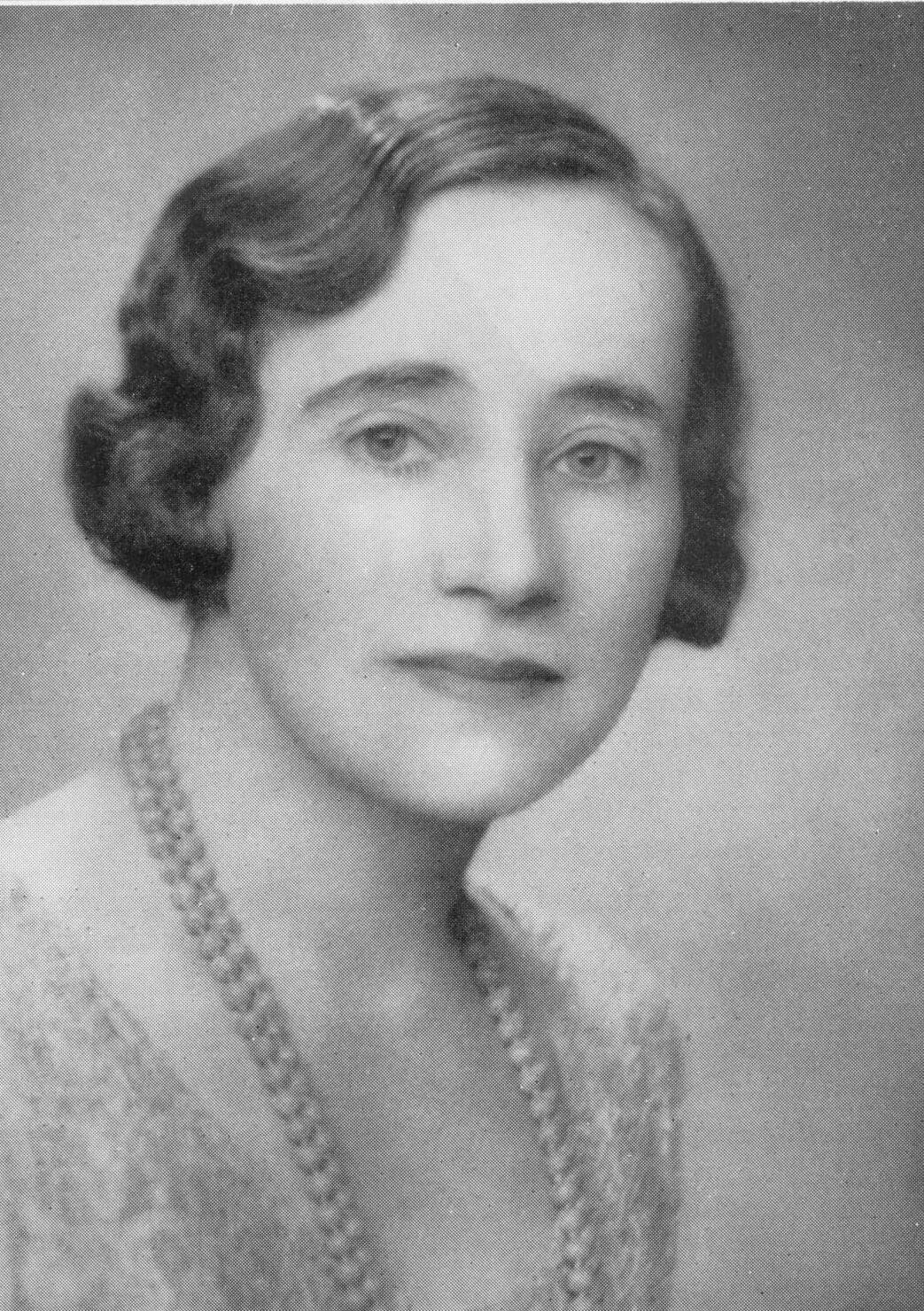
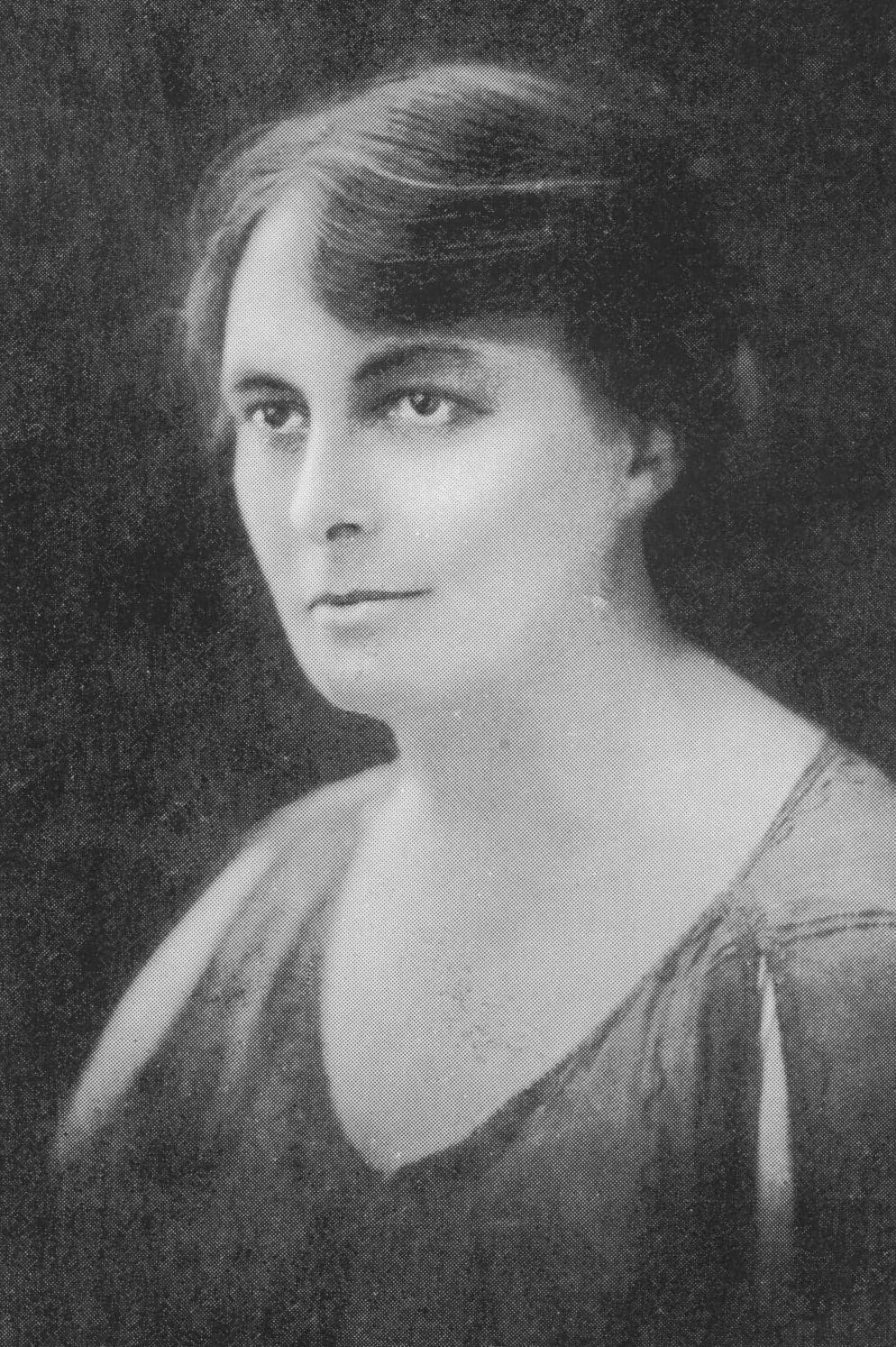
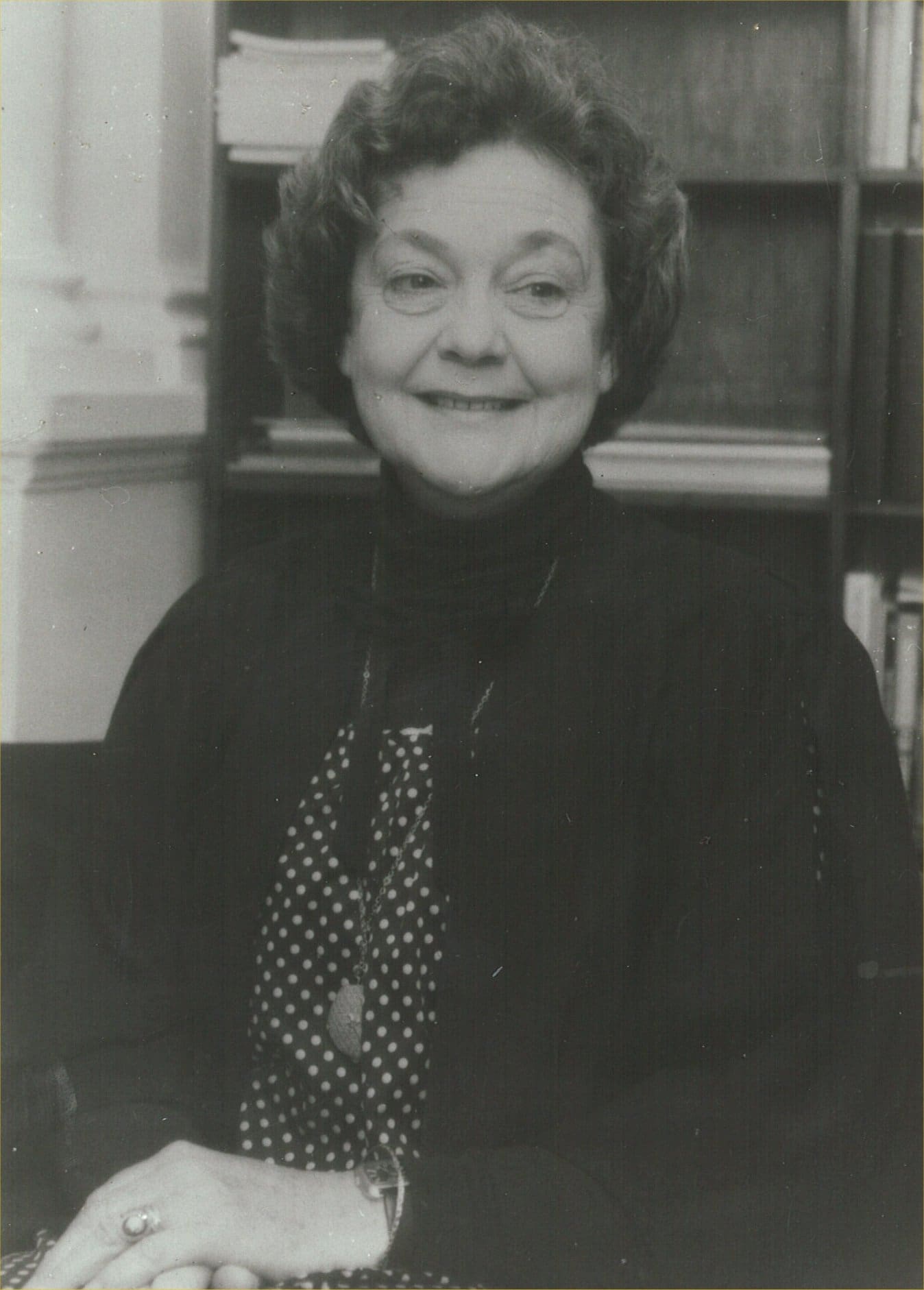
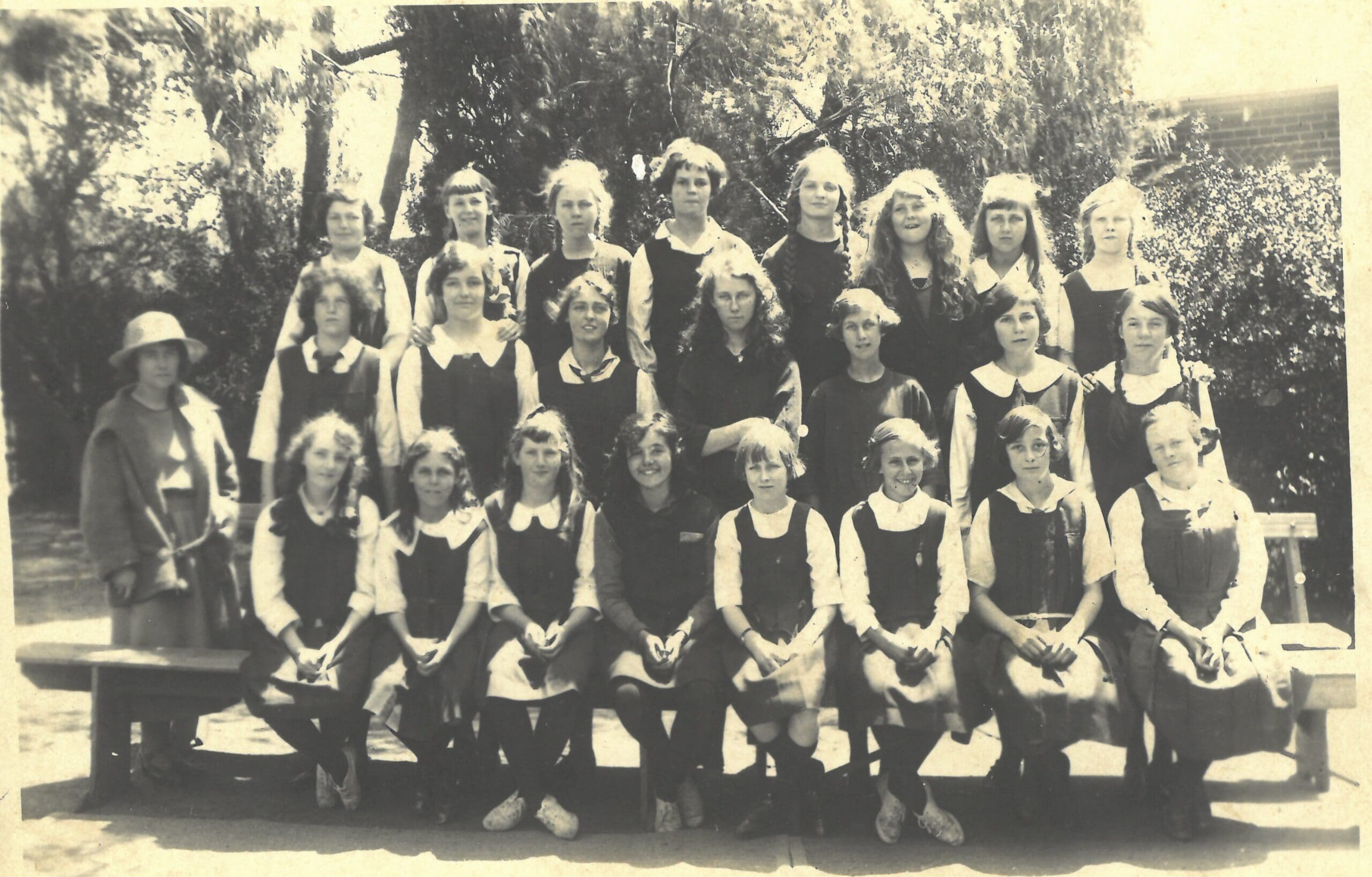
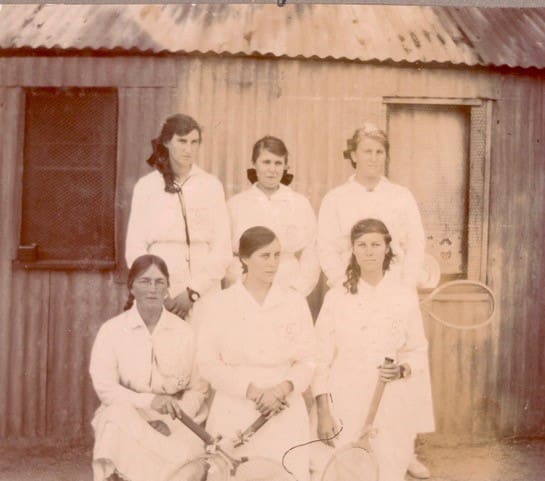
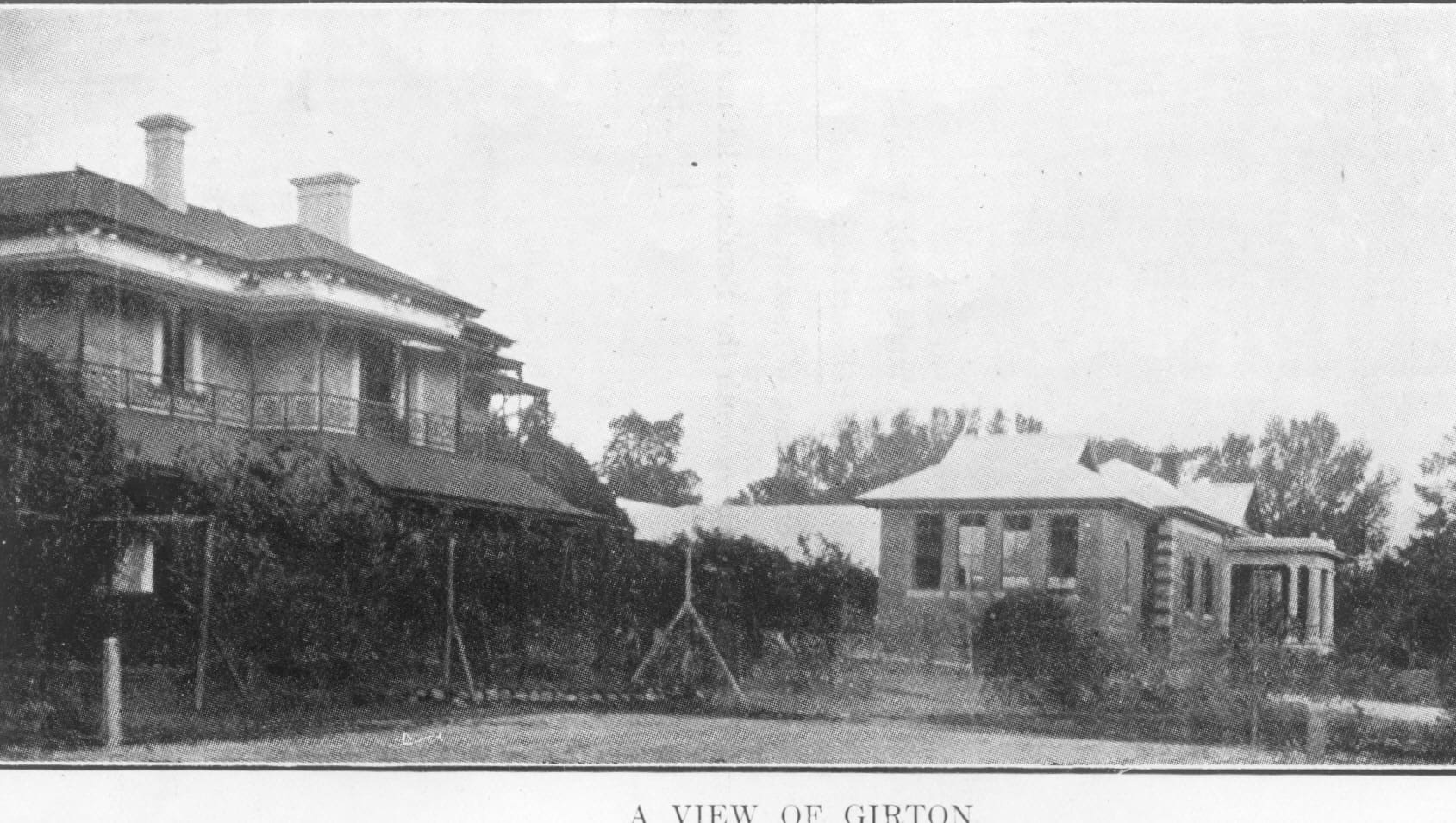
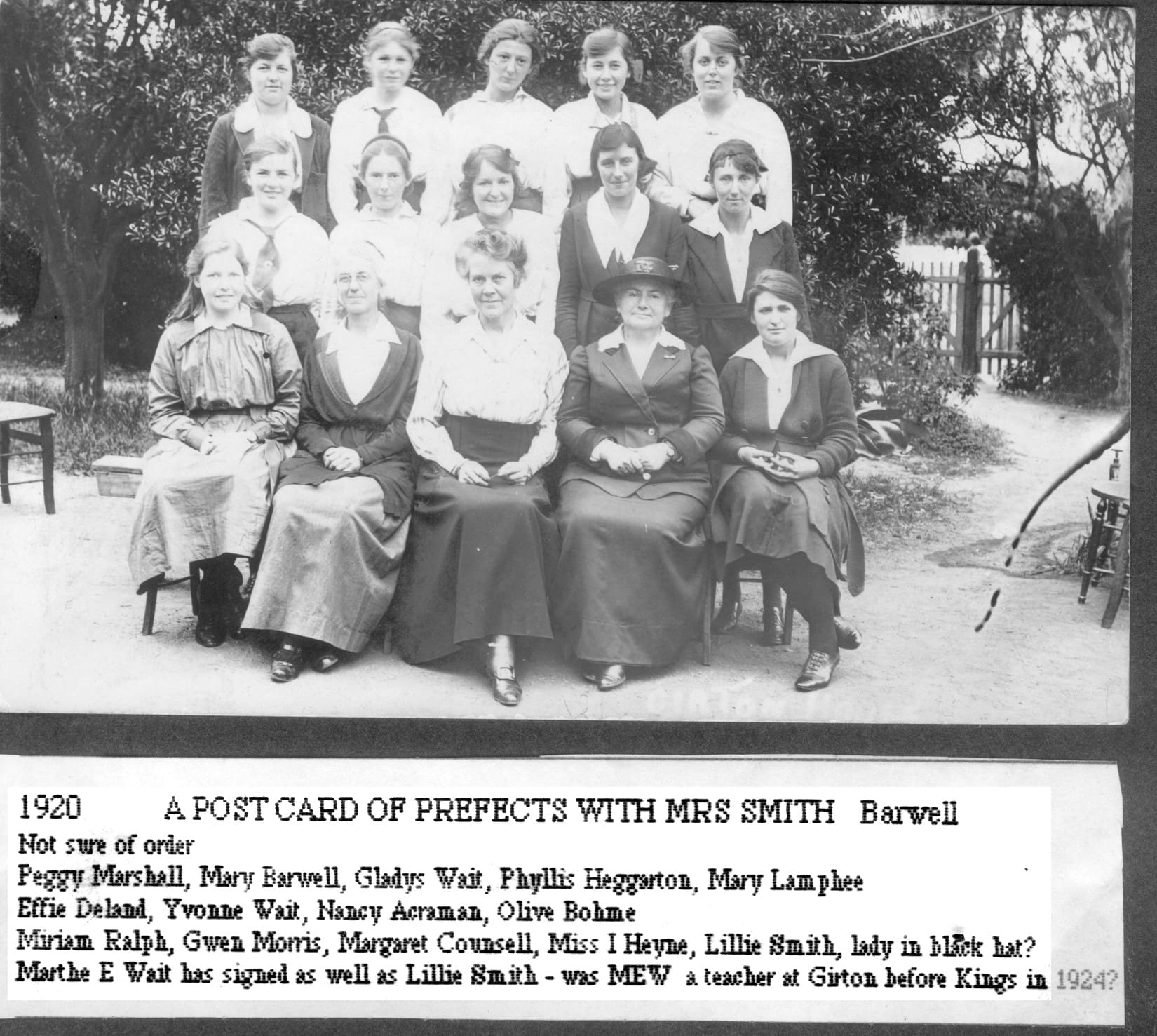
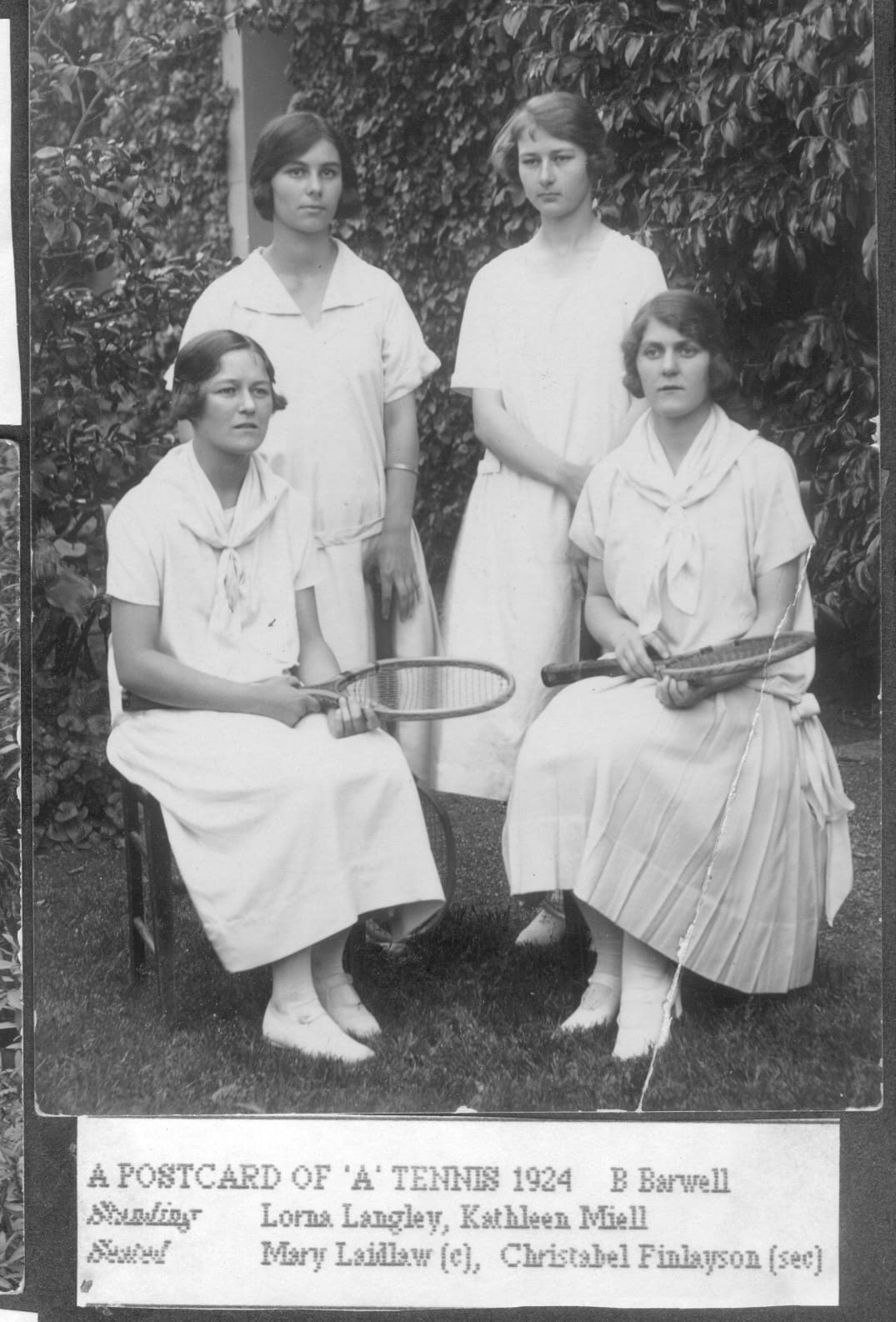
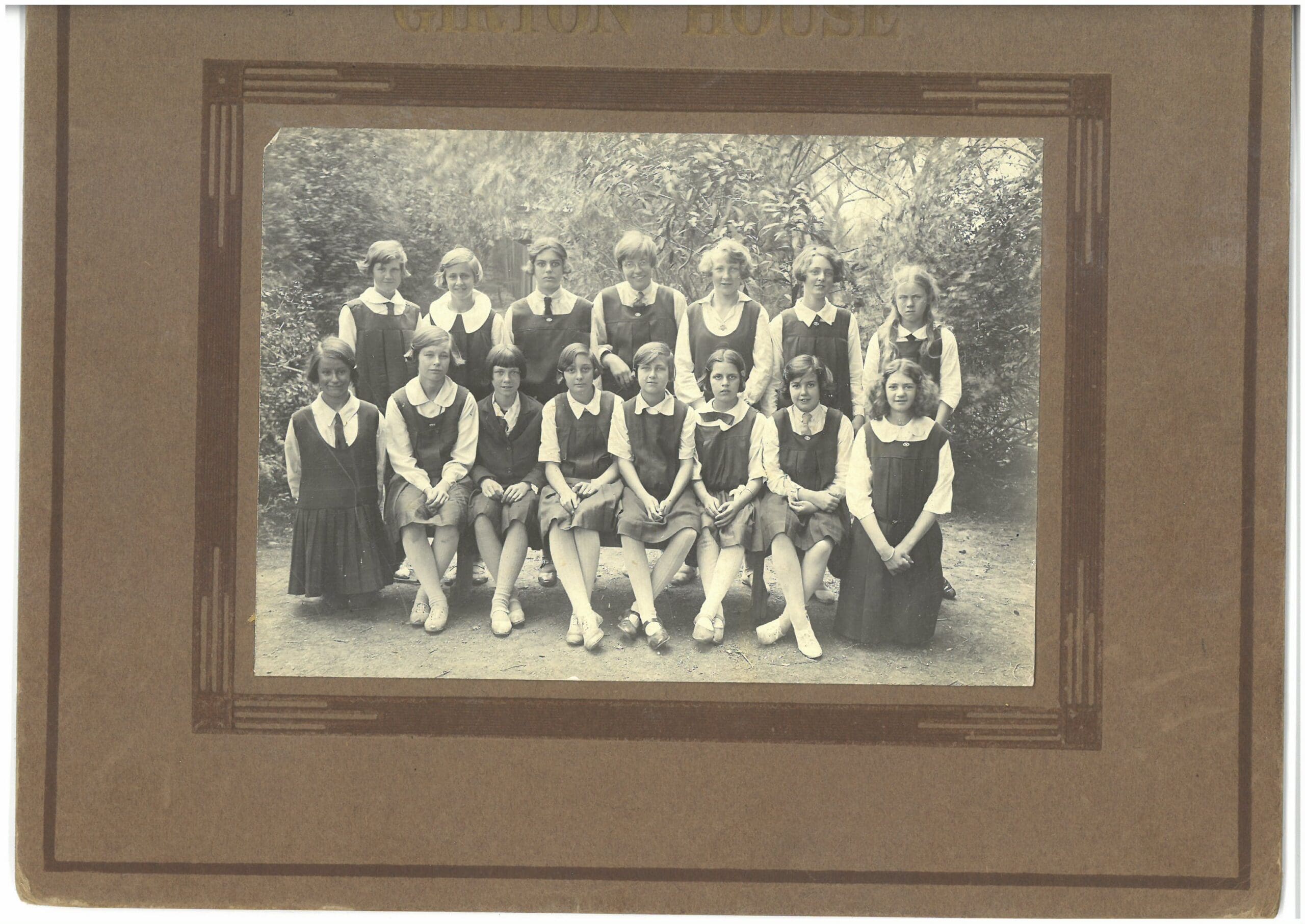
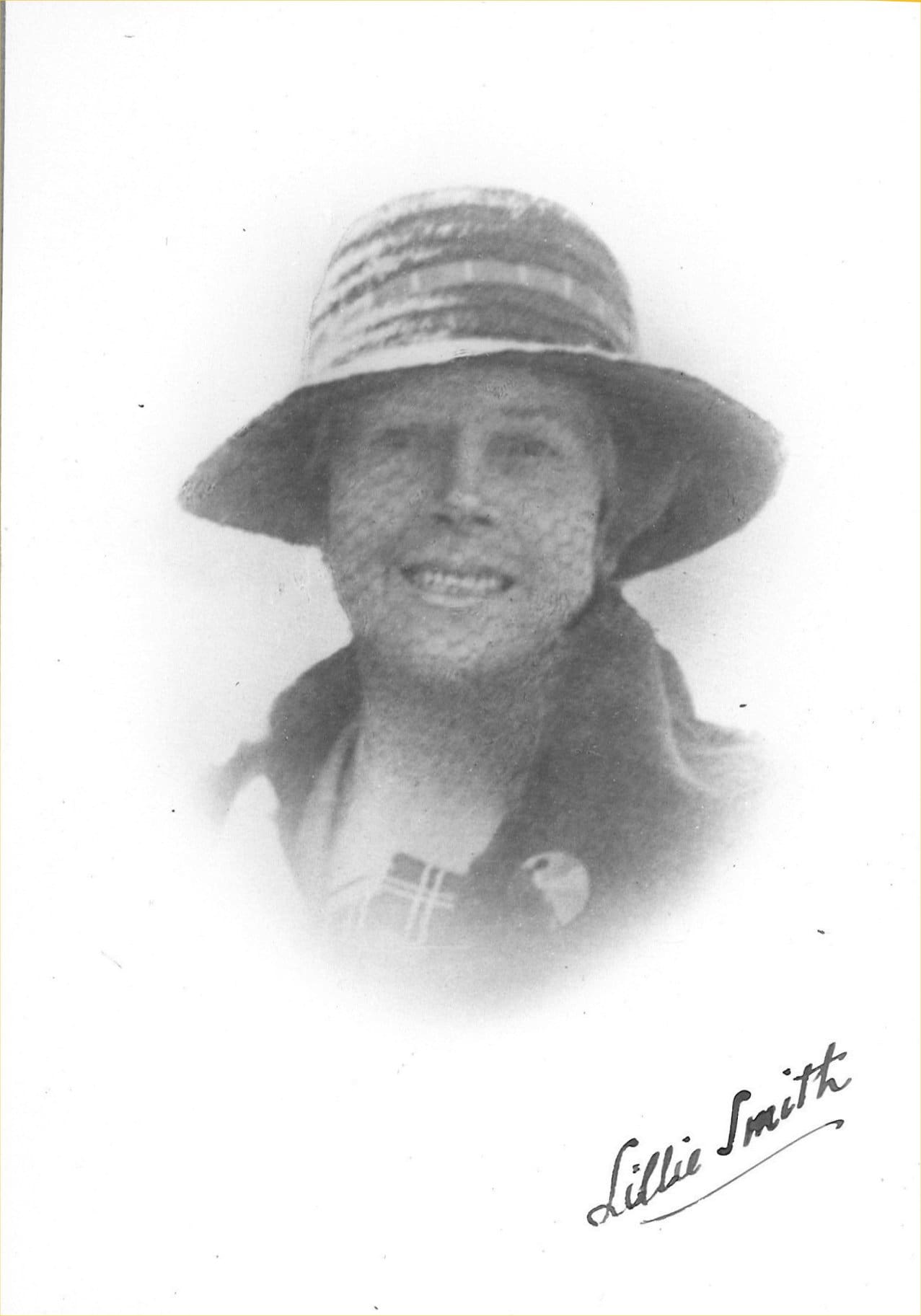
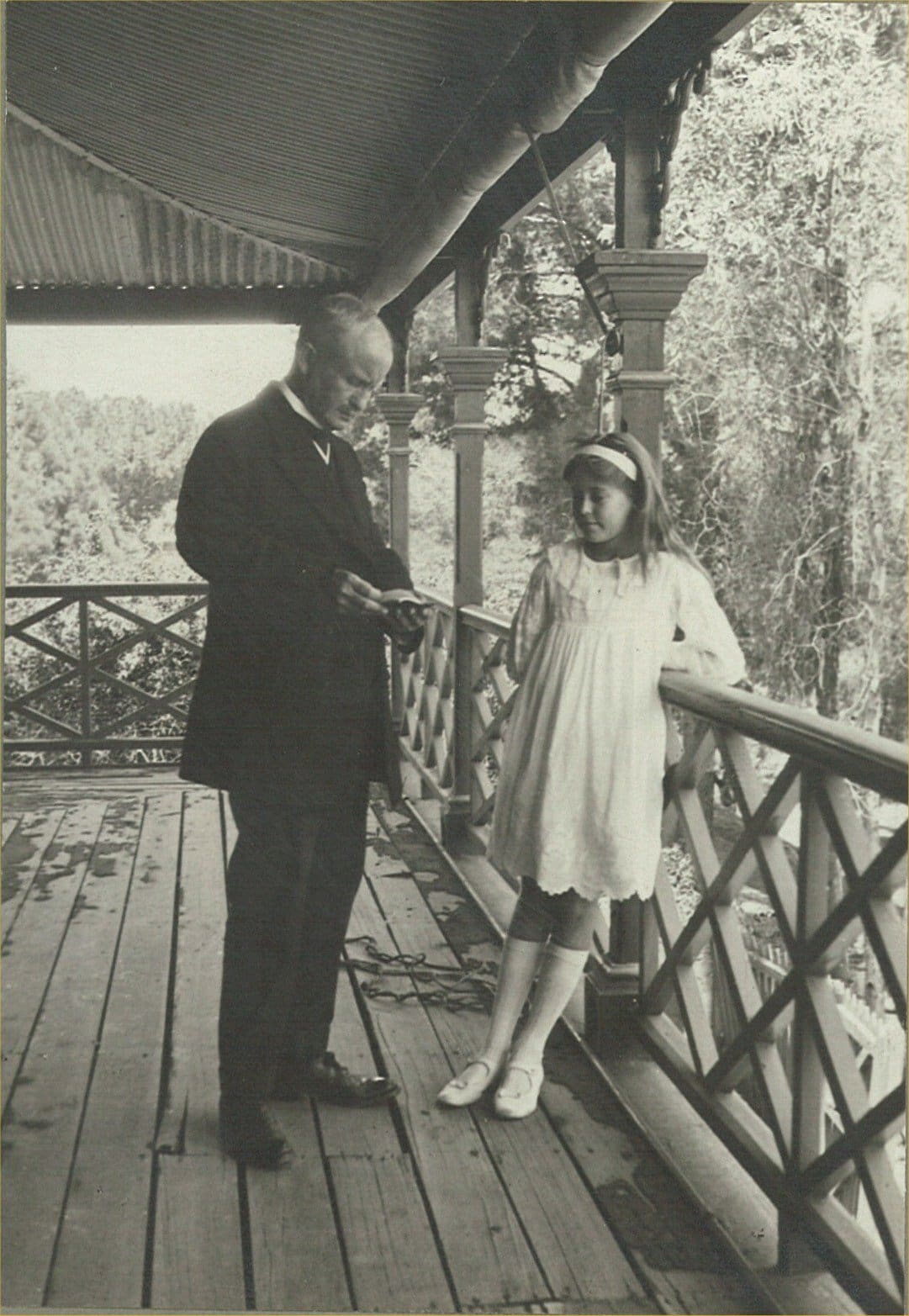
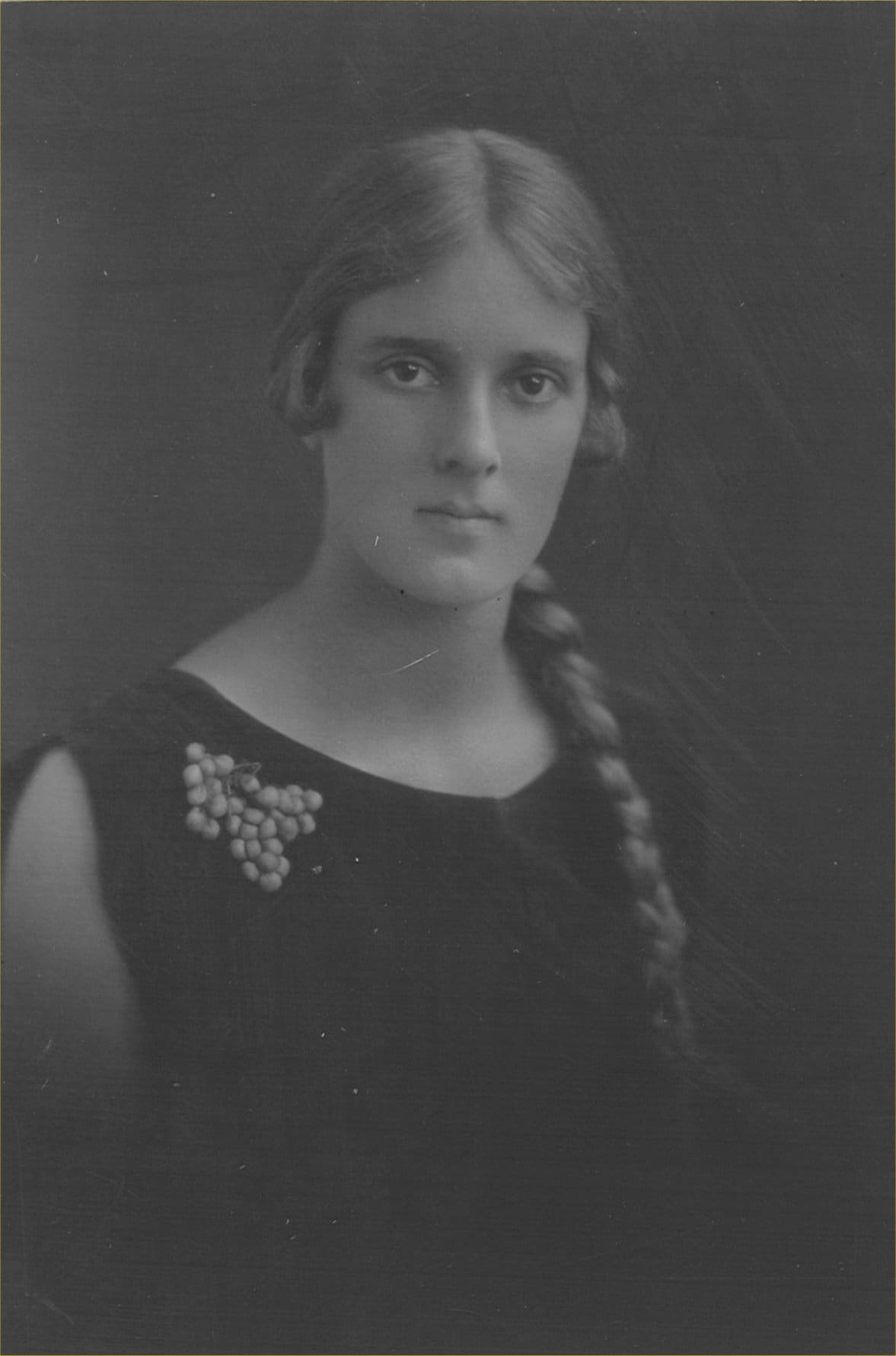
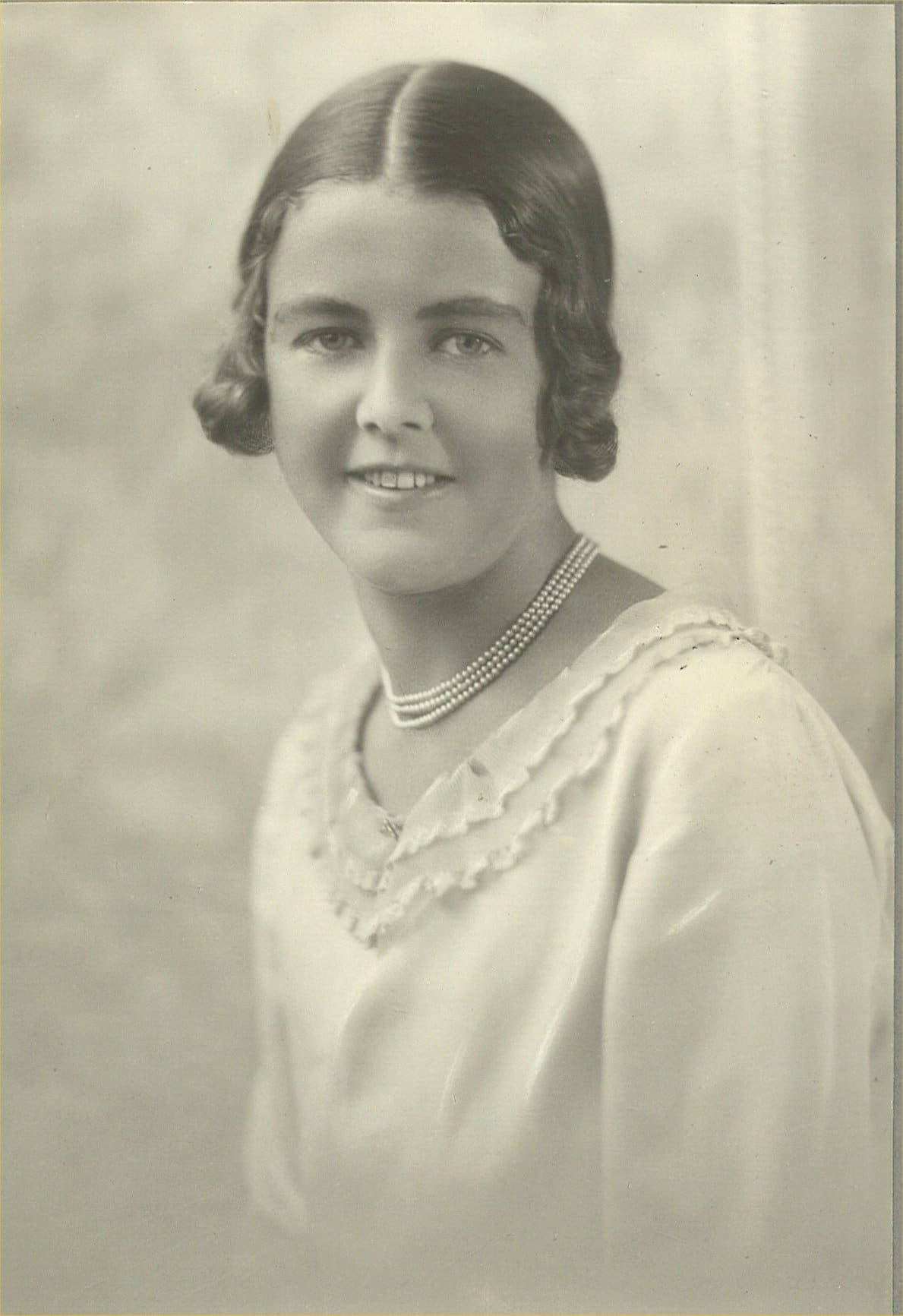
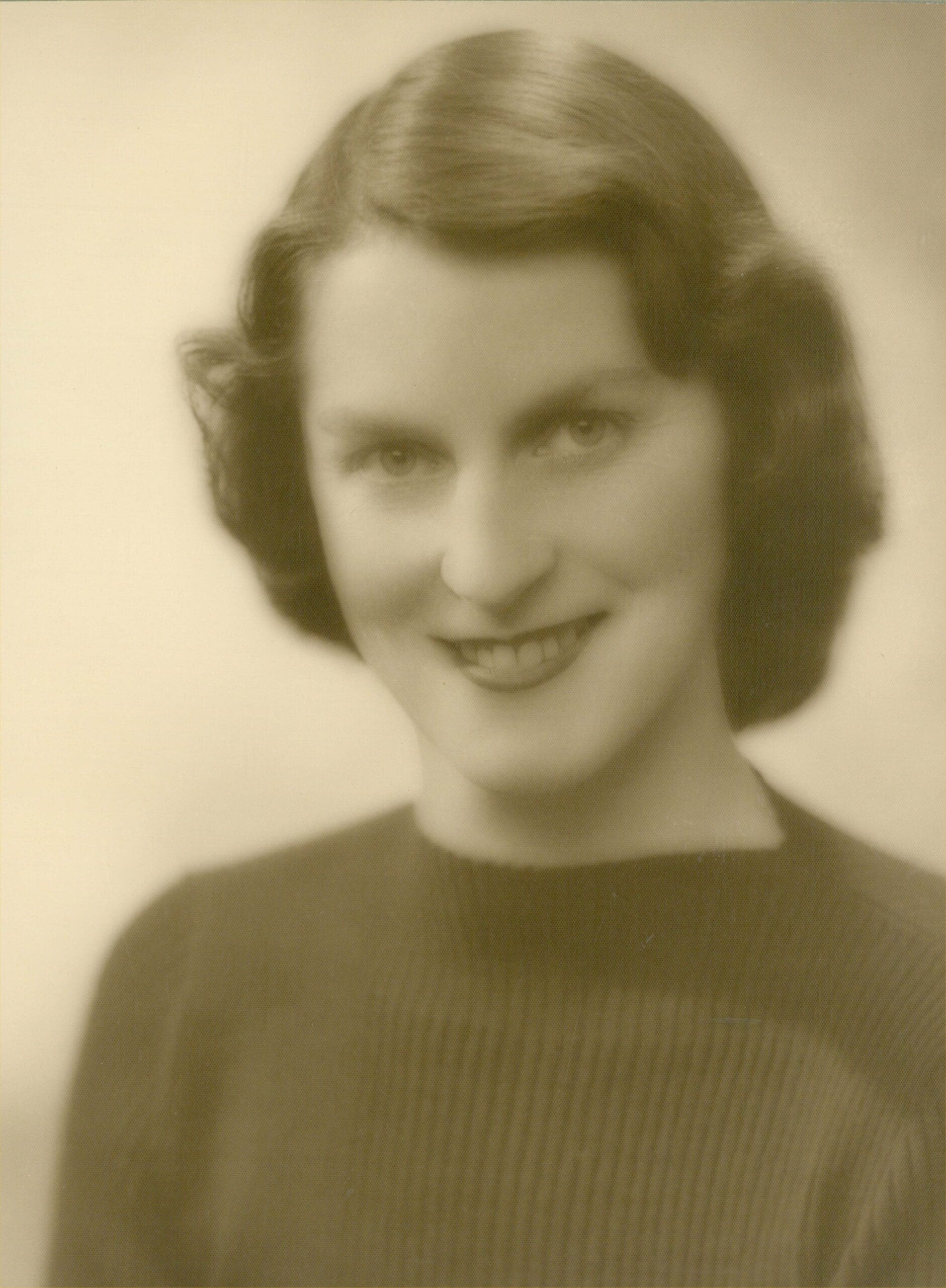
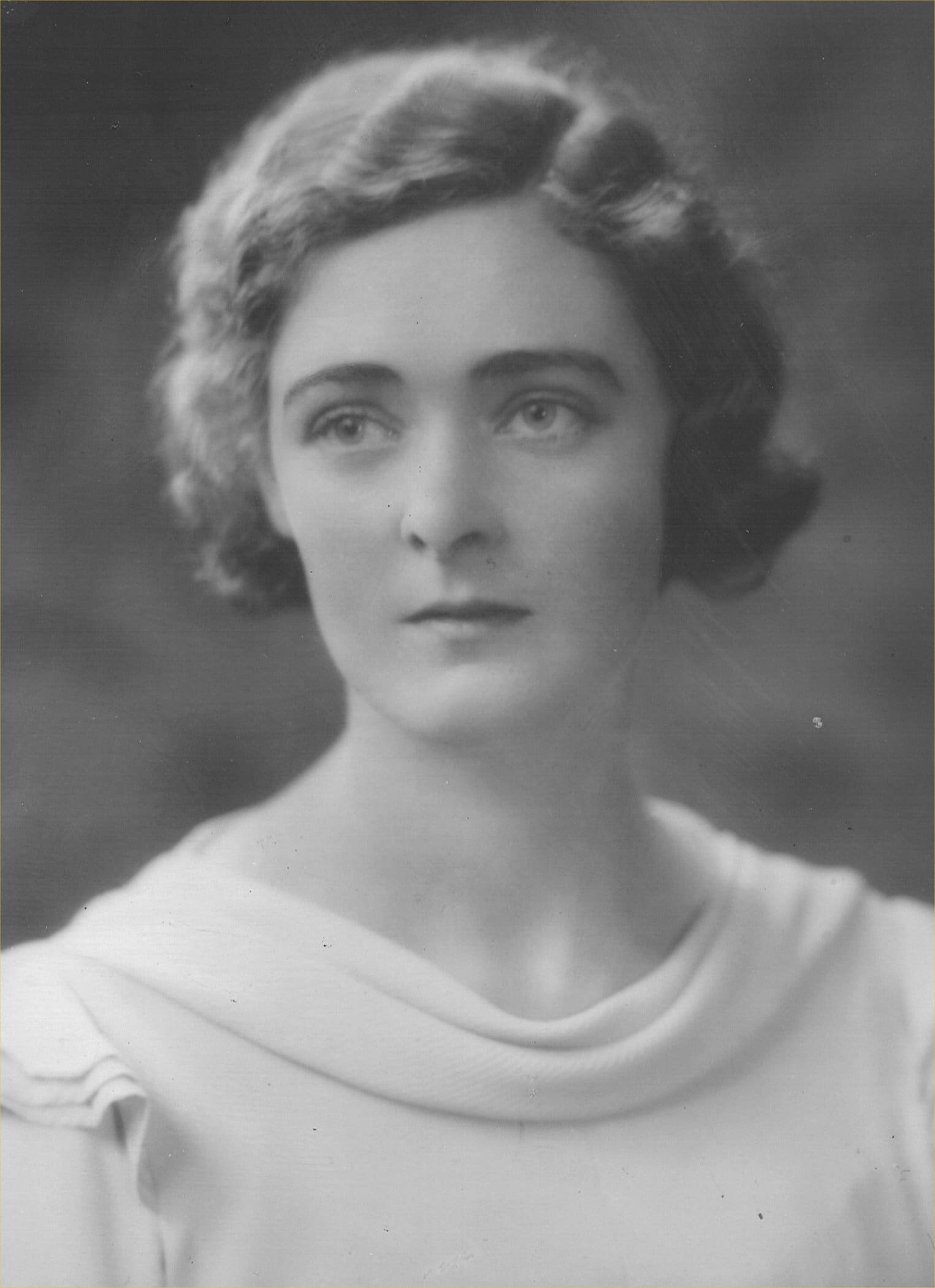
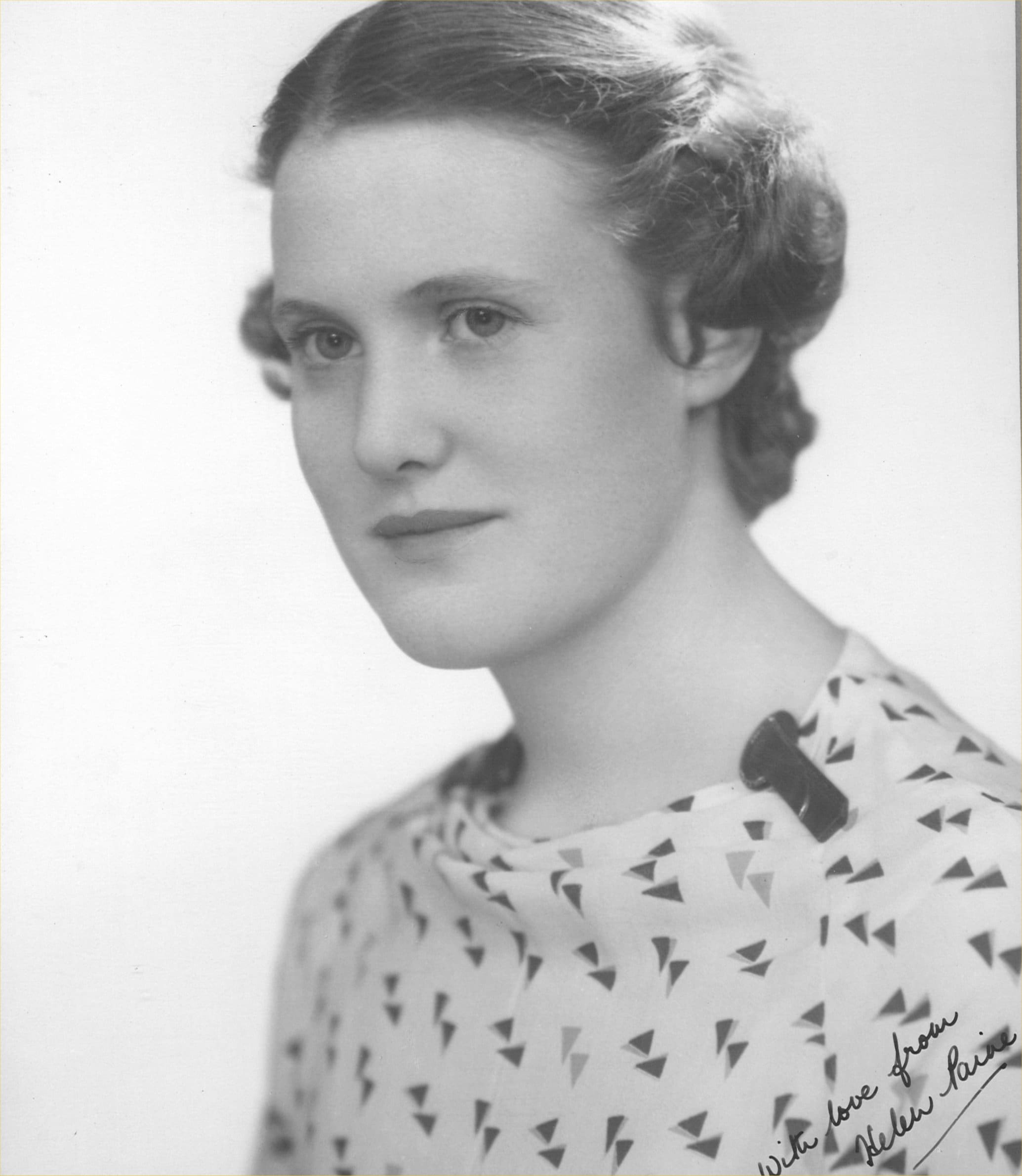
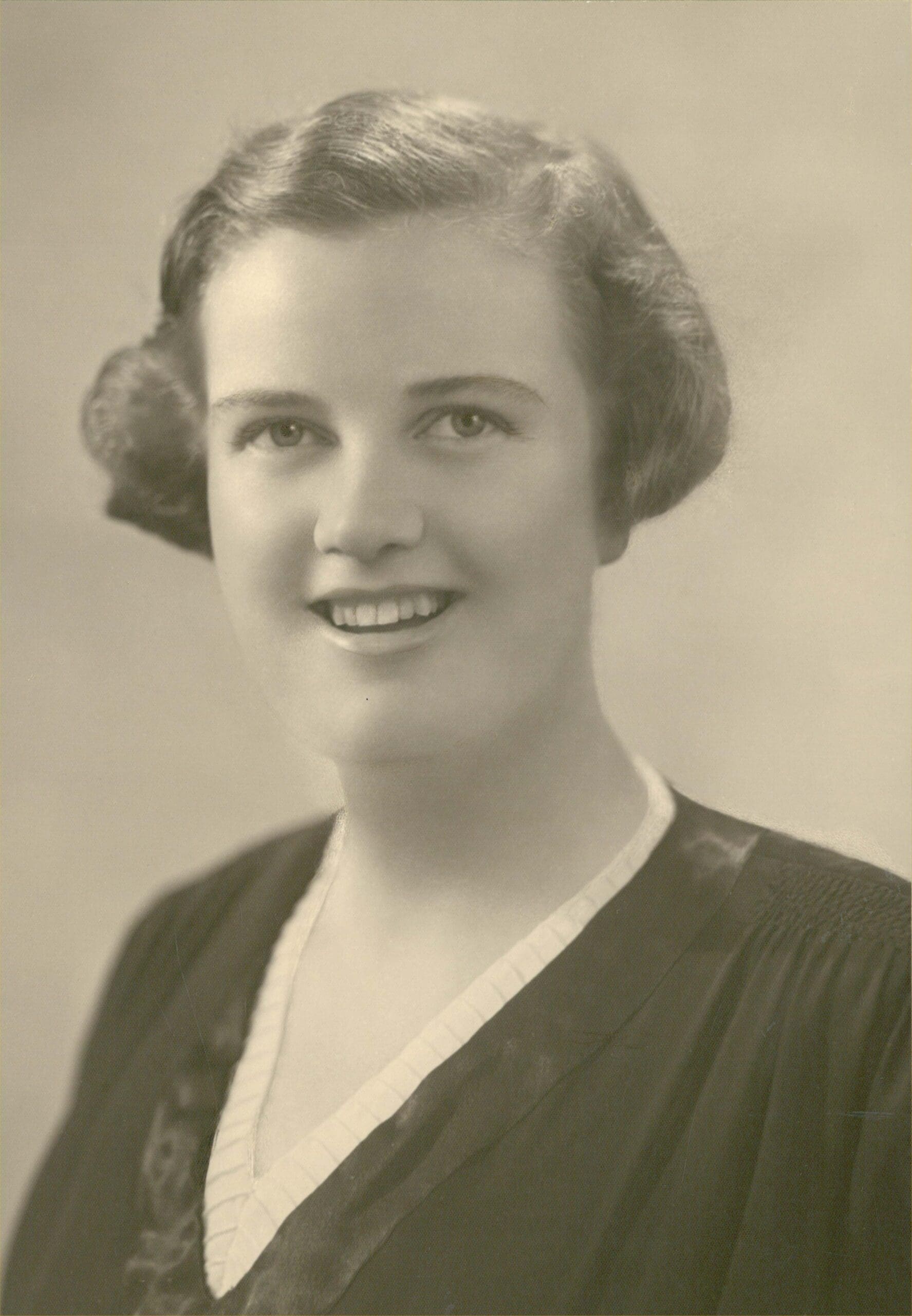
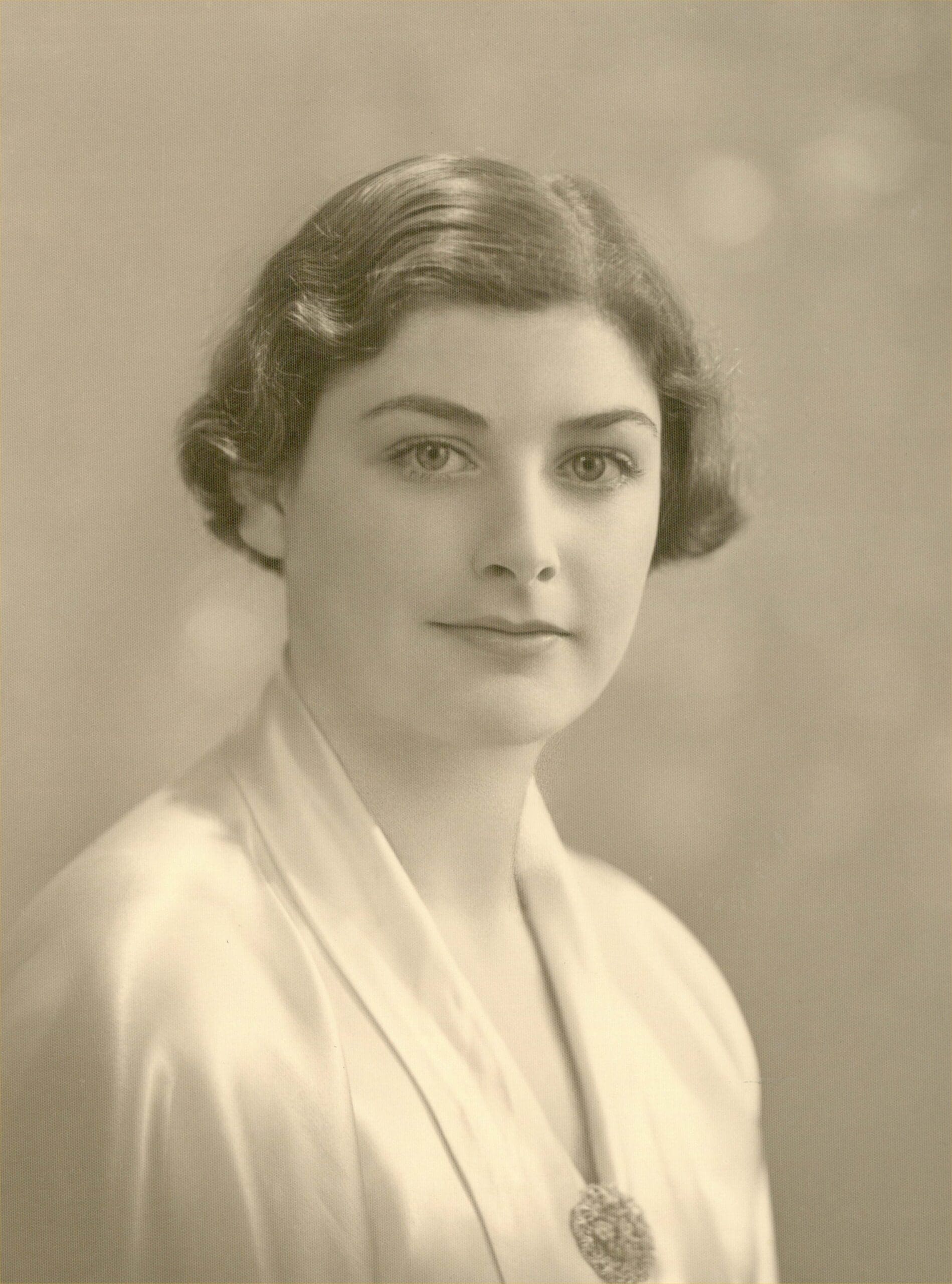
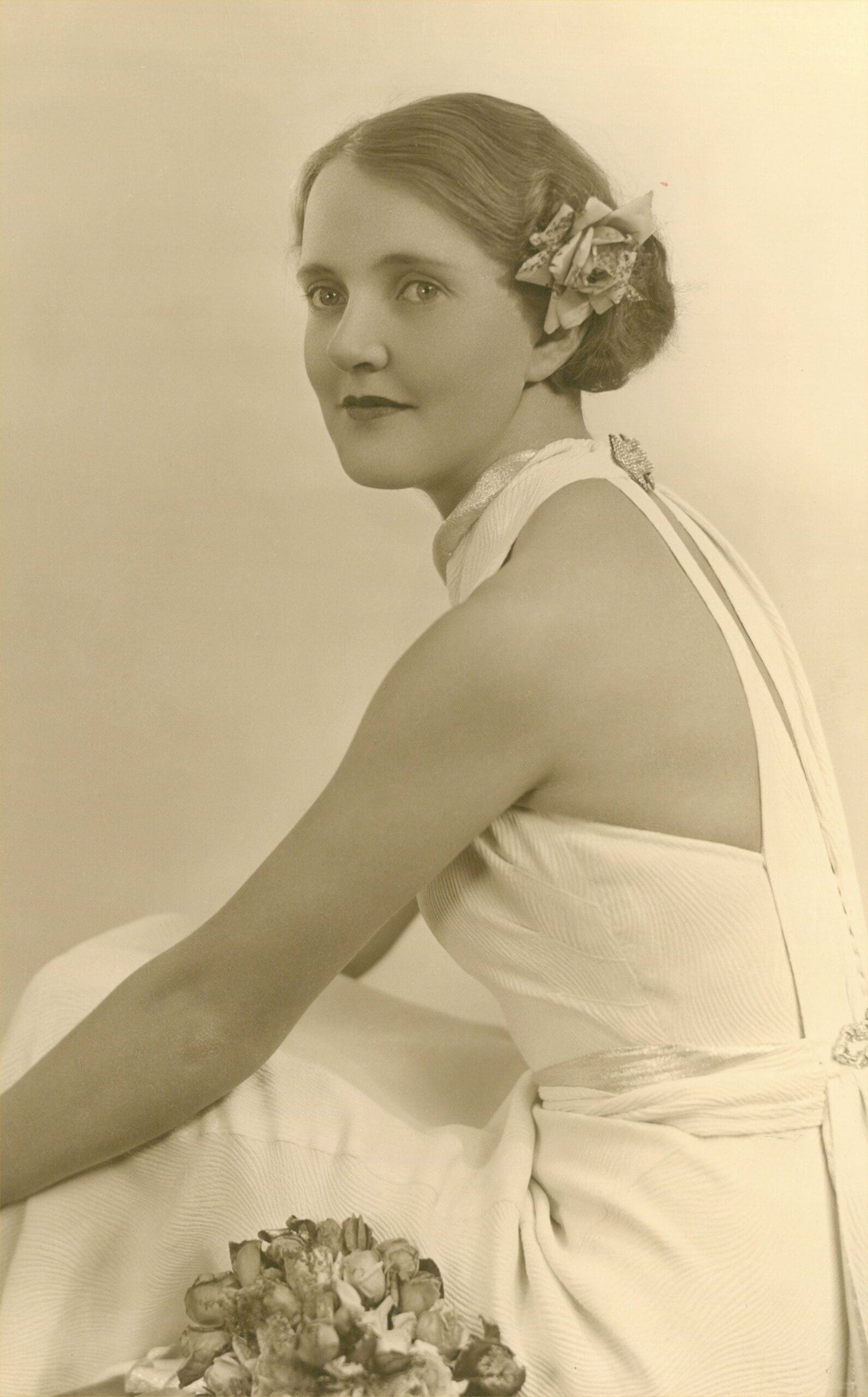
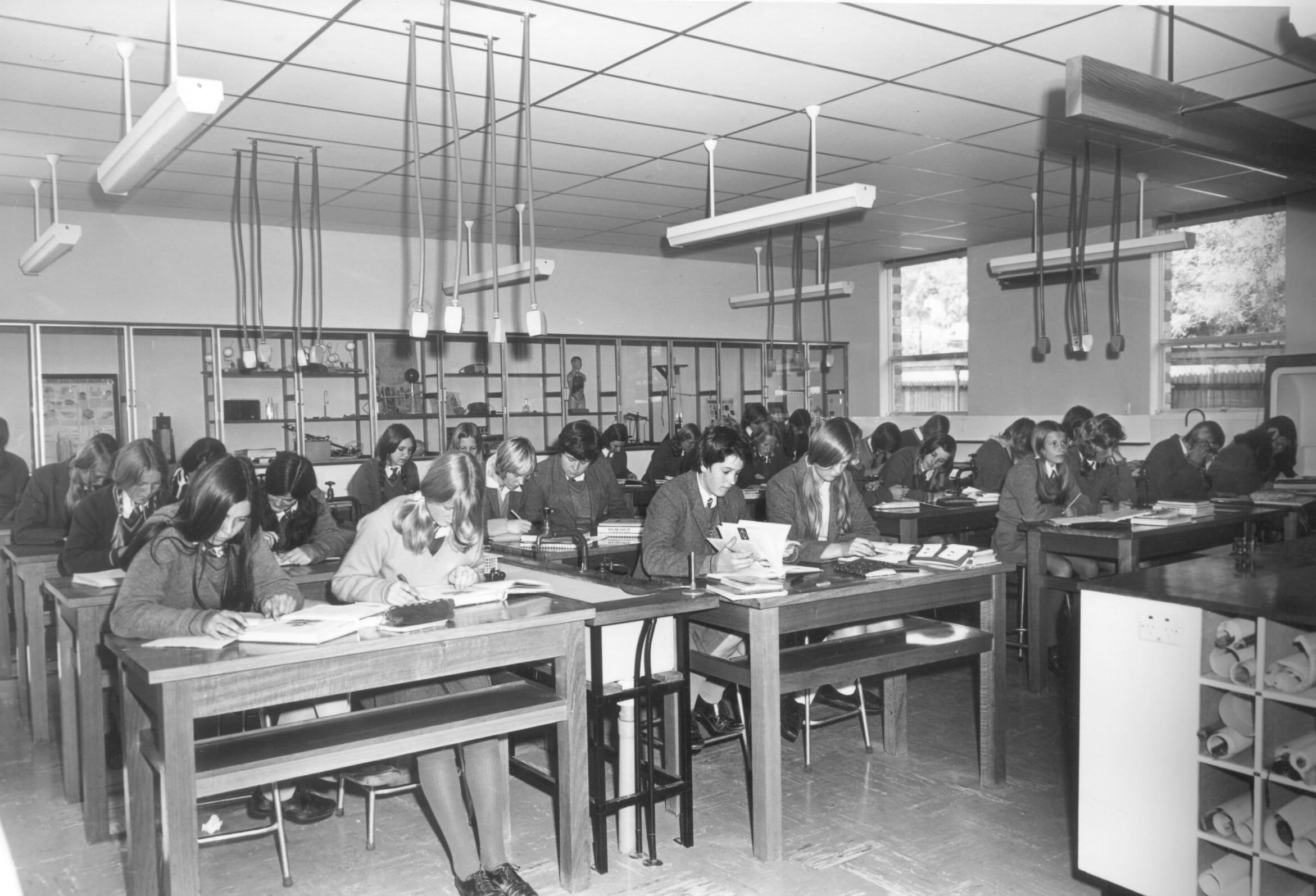
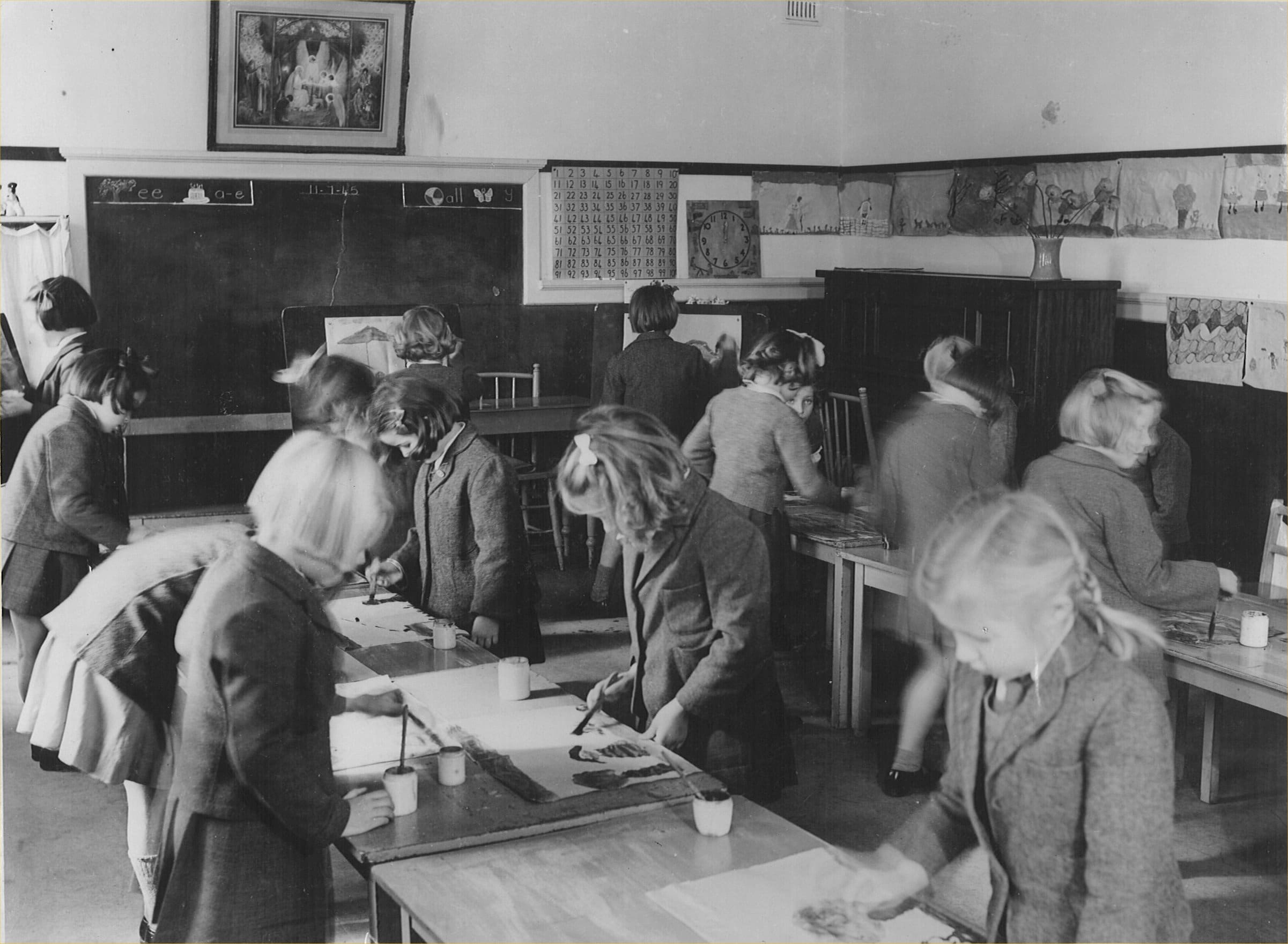
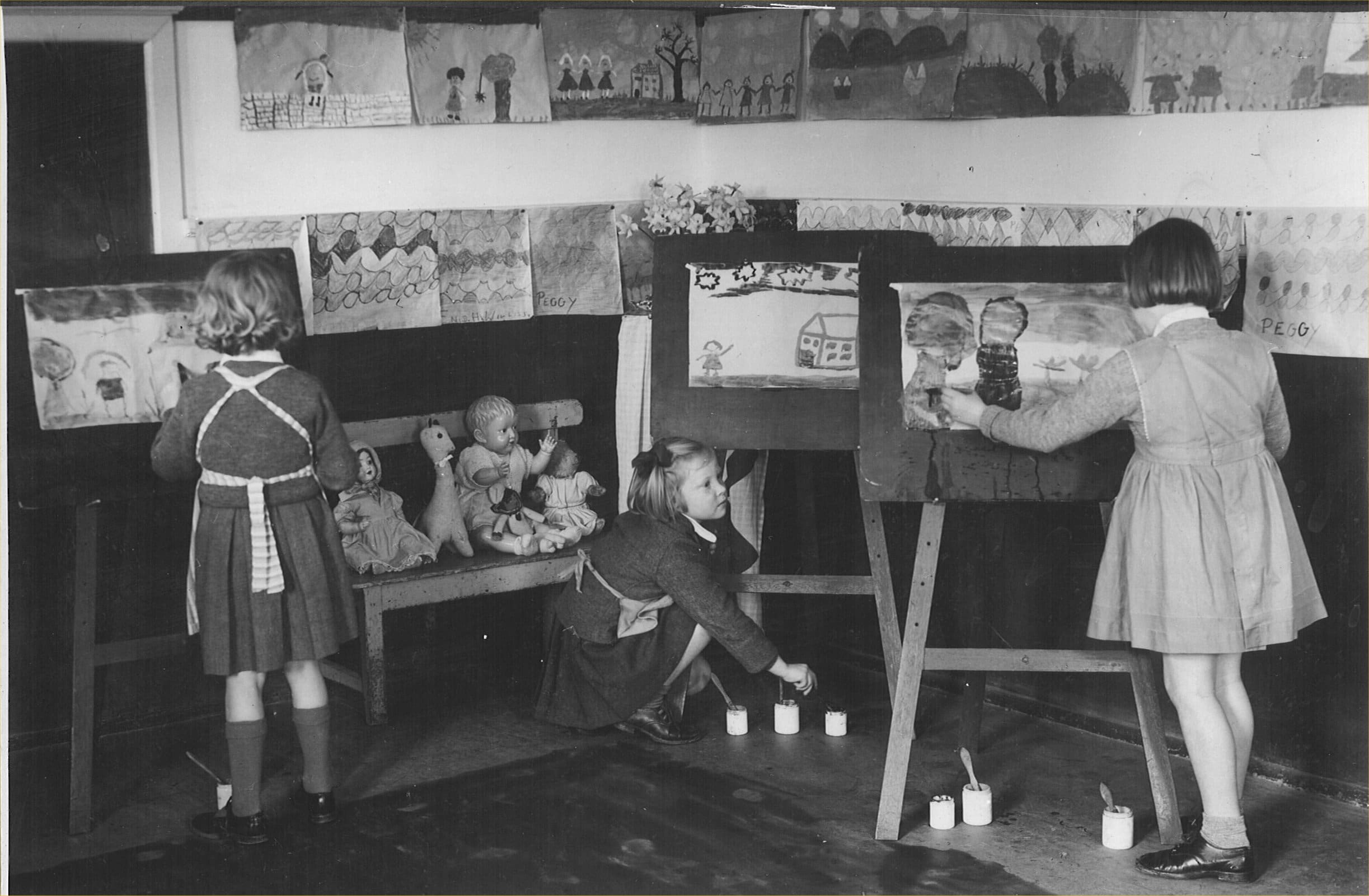
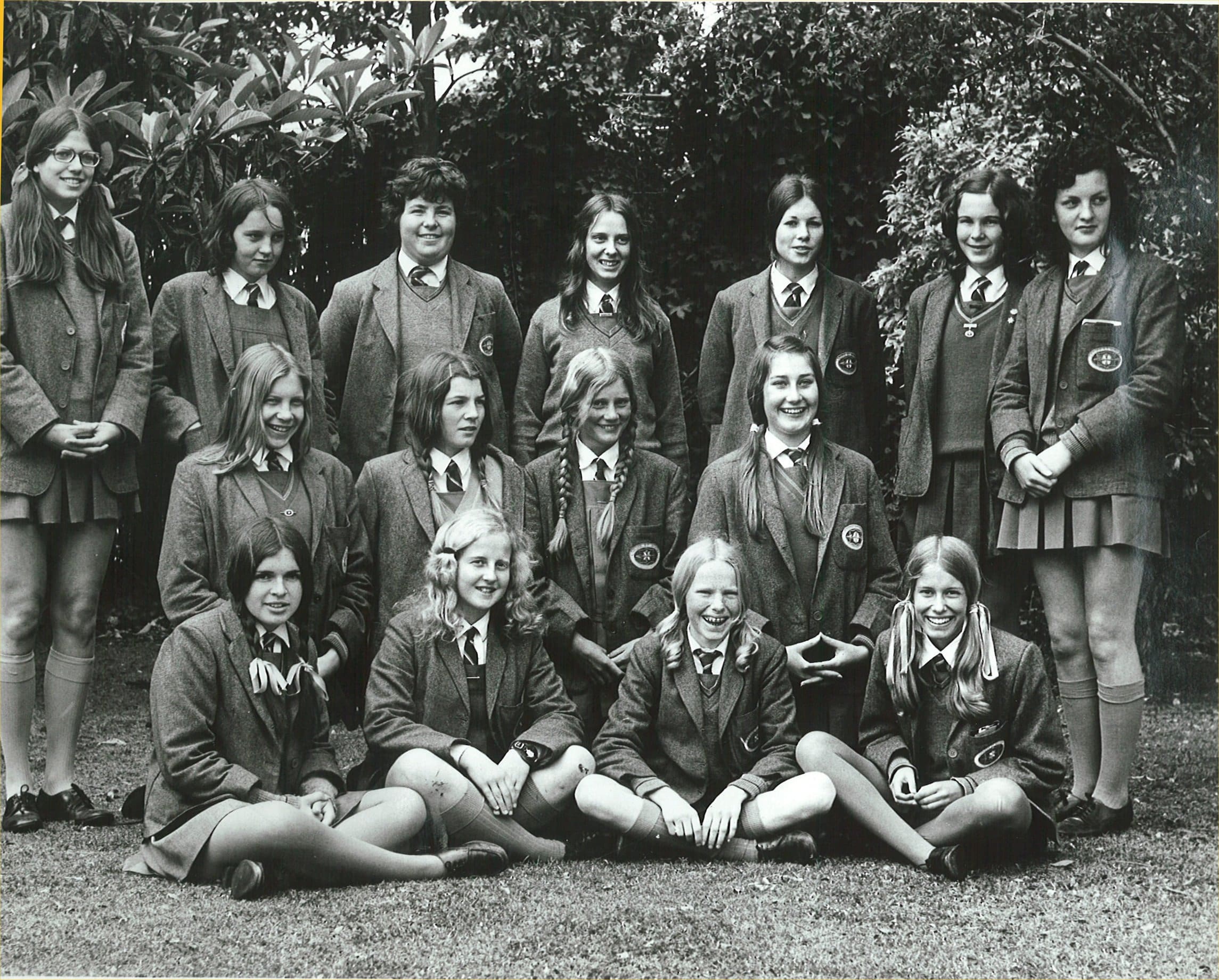
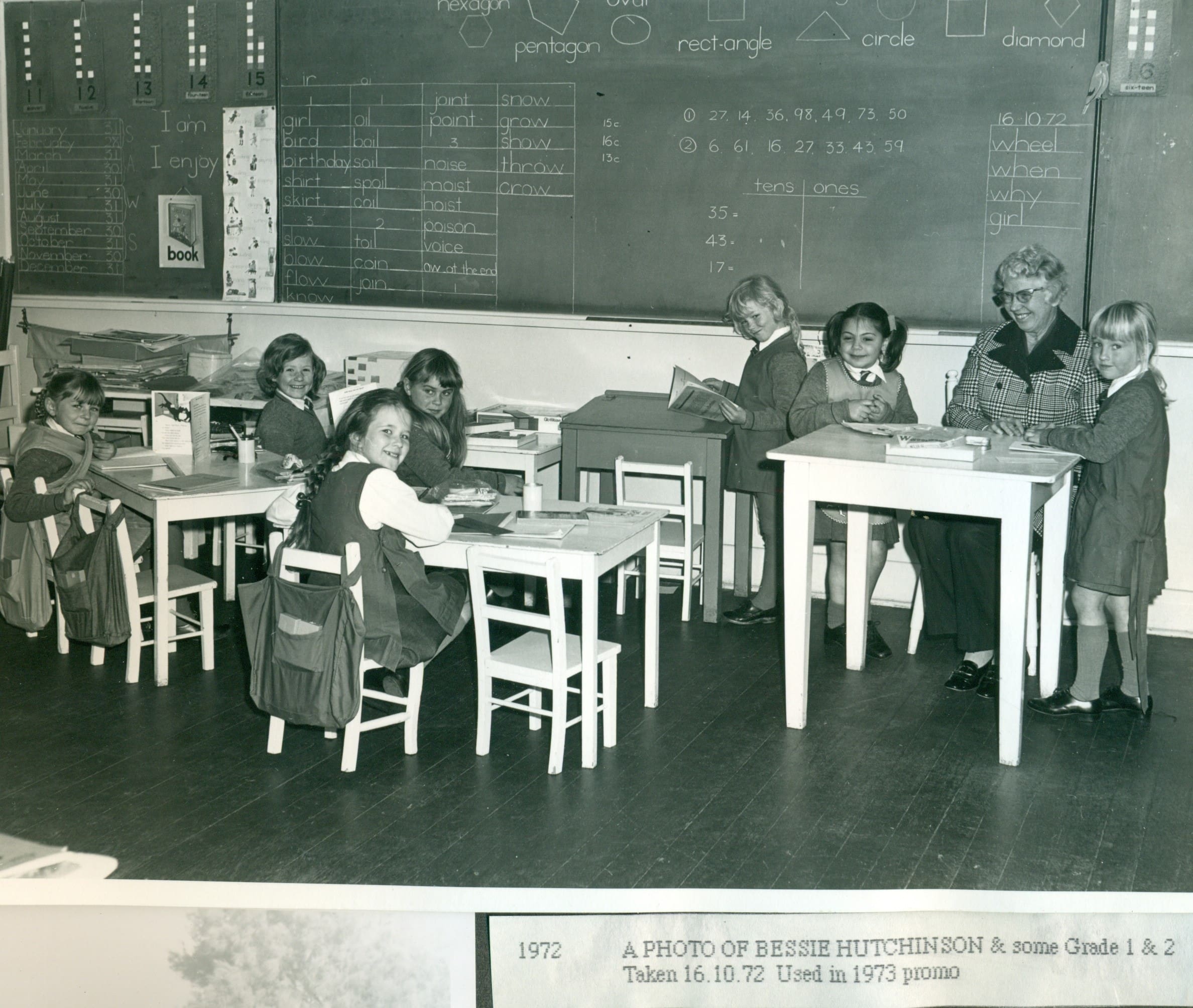
Girton House Girls’ Grammar School was founded on 8 February 1915 by Mrs Lillie Smith at 7 Angus Street, Kent Town. Established during a time of drought and war, it was both a practical venture and a courageous investment in girls’ education. Inspired by her teacher, Miss Caroline Freeman and Girton College, Cambridge – the first women’s university college – Mrs Smith named her school ‘Girton’, reflecting her deep belief that girls should fully develop their intellect. Starting with four boarders and 20 day girls, Girton flourished to 230 students by 1925, gaining an enviable academic reputation.
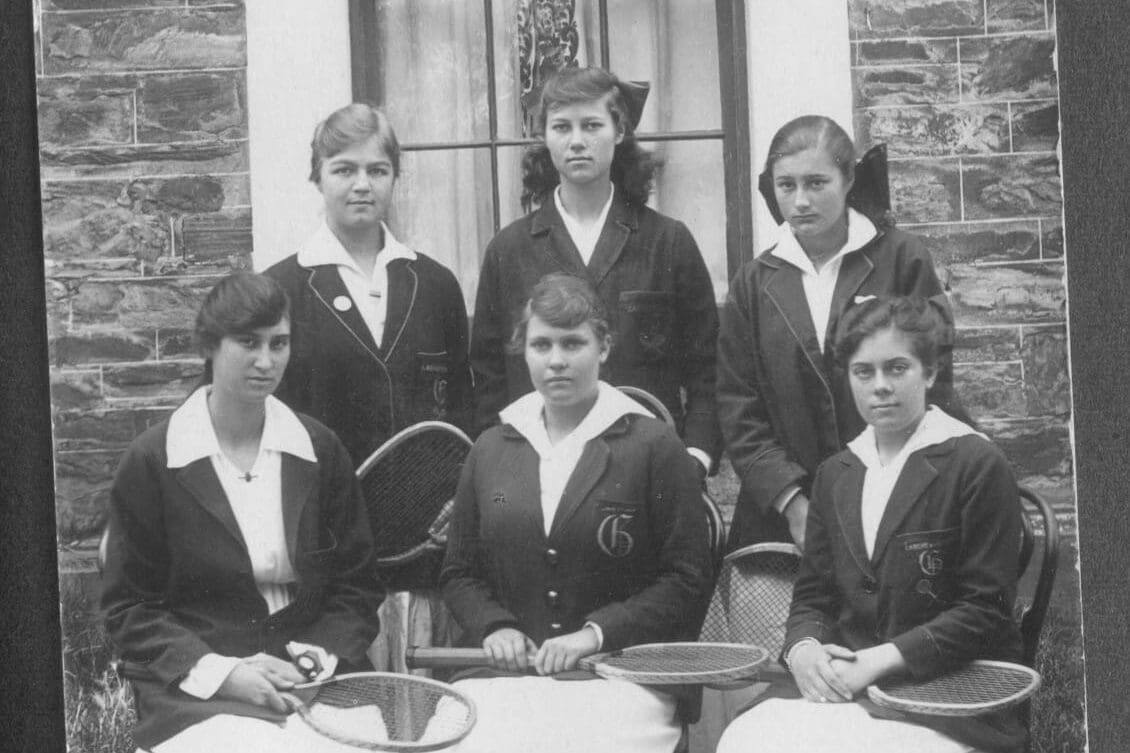
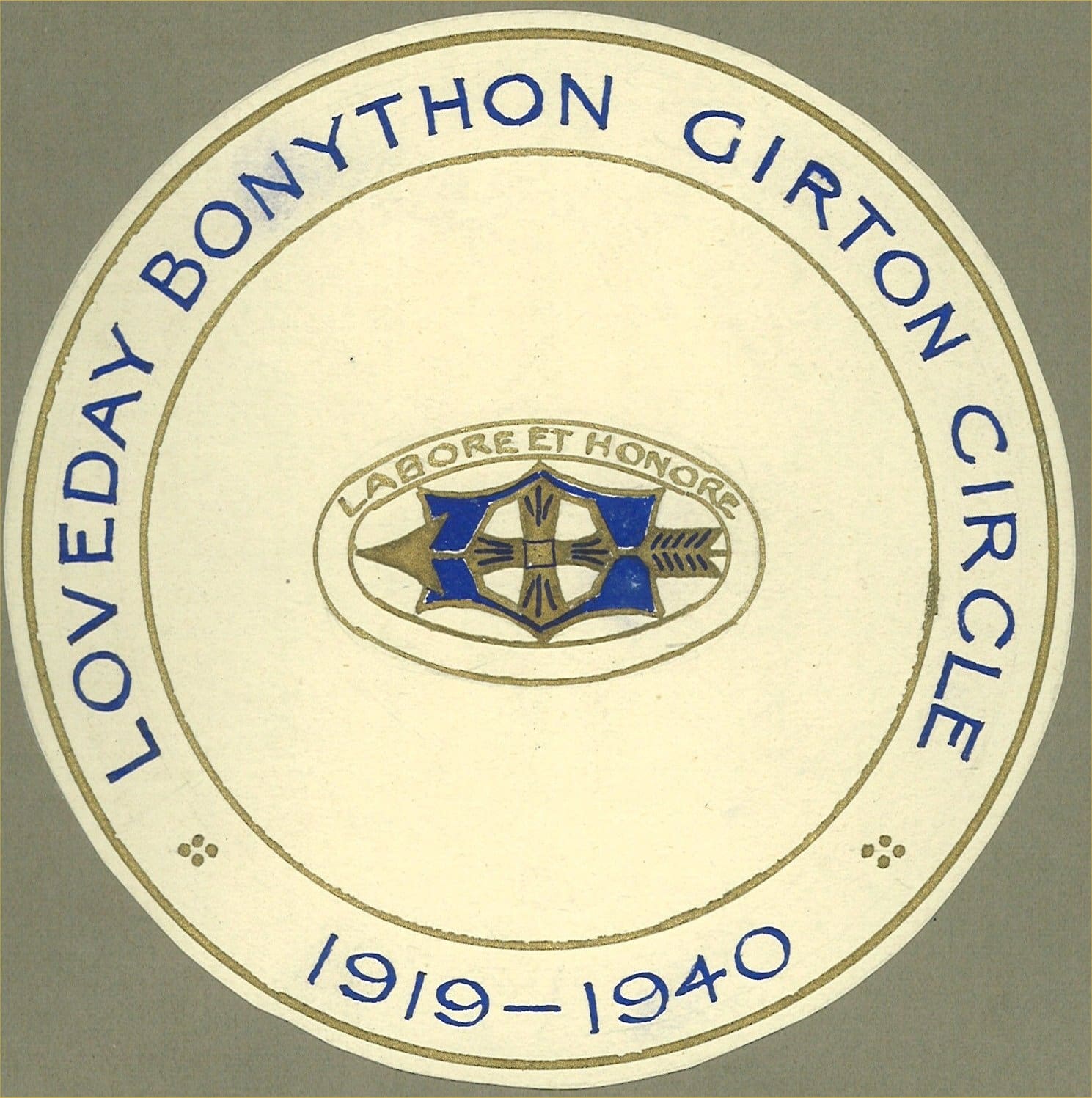
That same year, as Mrs Smith became ill, the school was restructured into Girton Proprietary School, with shares purchased at £25 per pupil. Leadership passed to Mrs Dorothy Angove in 1926, who oversaw the move to Holden Street, Kensington Park in 1927. A war widow, she embraced the motto, Labore et Honore – Work with Honour, promoted physical training and laid strong foundations for good citizenship.
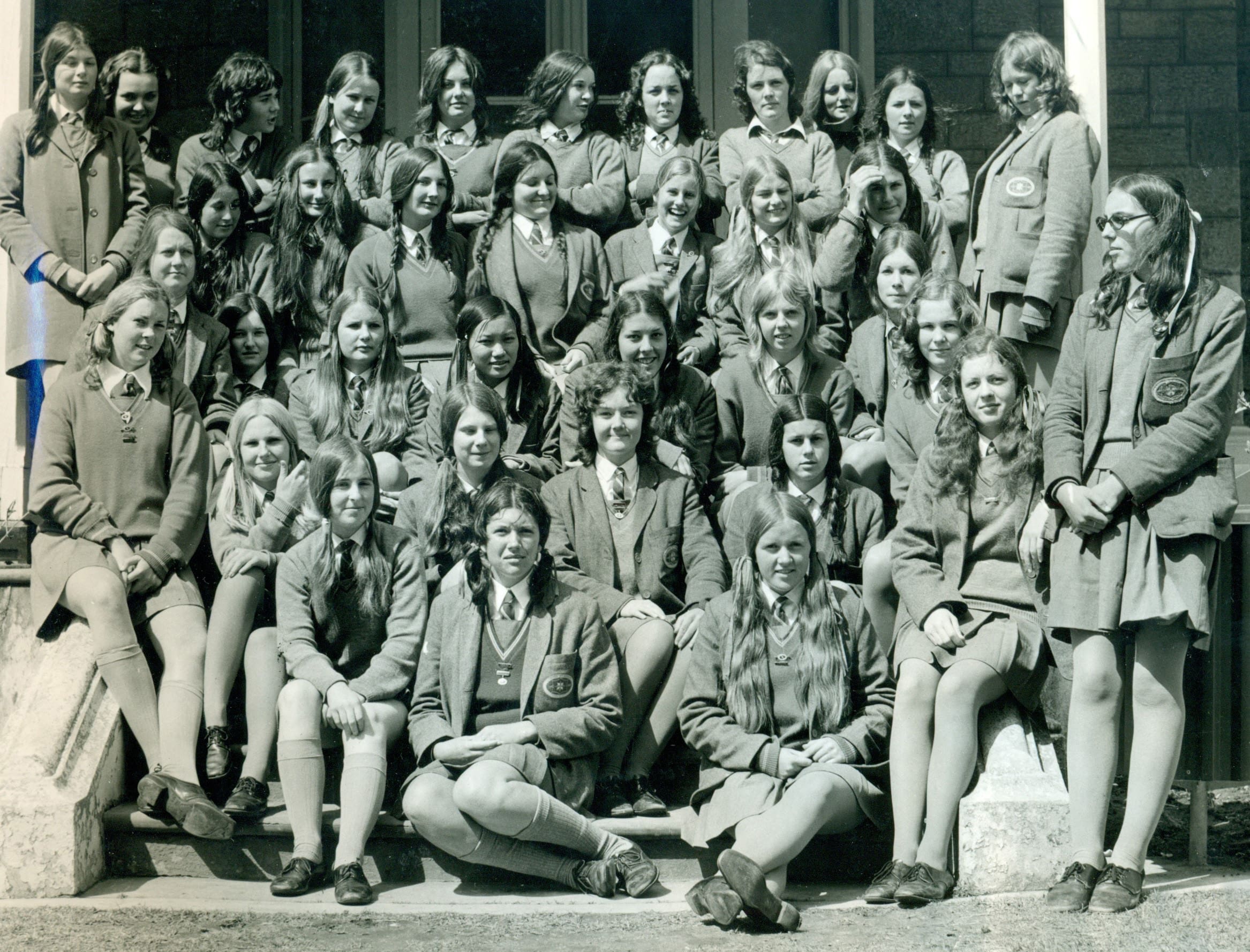
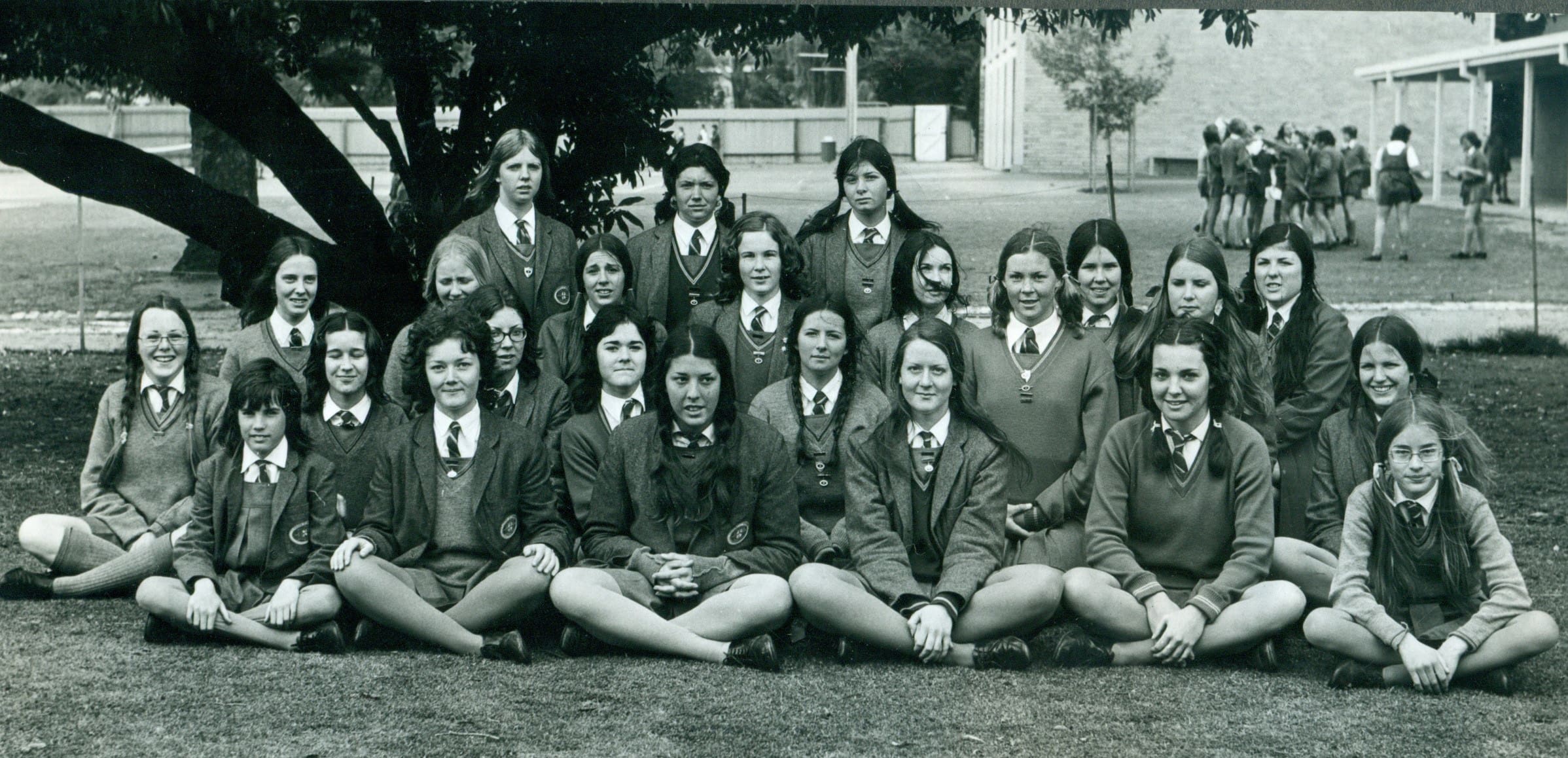
In the years that followed, a succession of Headmistresses shaped Girton’s direction. Miss Edith Bishop introduced Science and new activities, Miss Dorothea Poole encouraged independence and Miss Dorothy Yates oversaw significant enrolment growth. Miss Diana Bowman expanded freedoms and boarding, while Miss Edith Reeves – the only old scholar Headmistress – responded to changing student demands.
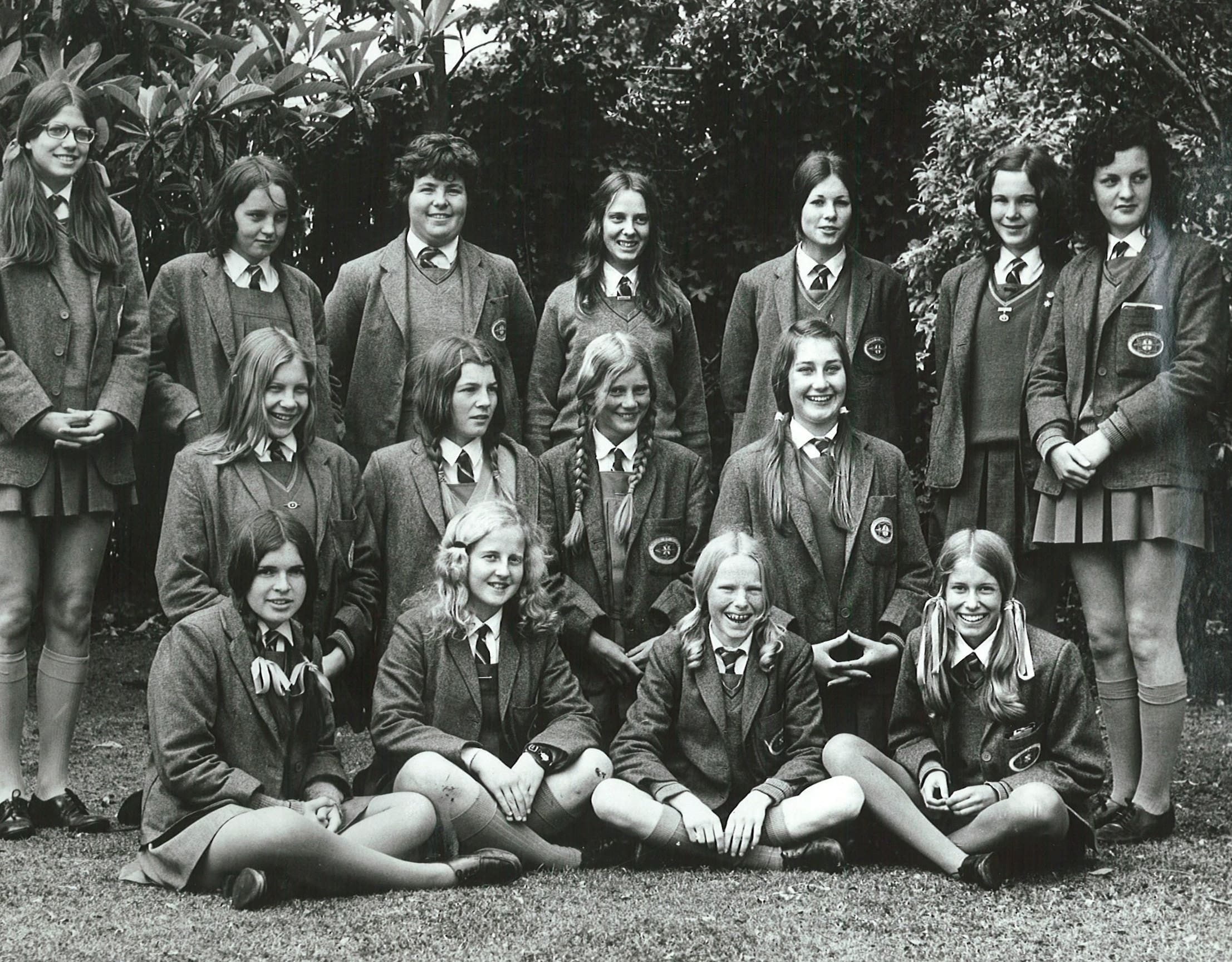
Girton’s final Headmistress, Mrs Diana Medlin, a believer in co-education, guided Girton into its amalgamation with King’s College in 1974.
Headmistresses




Lillie Smith Era
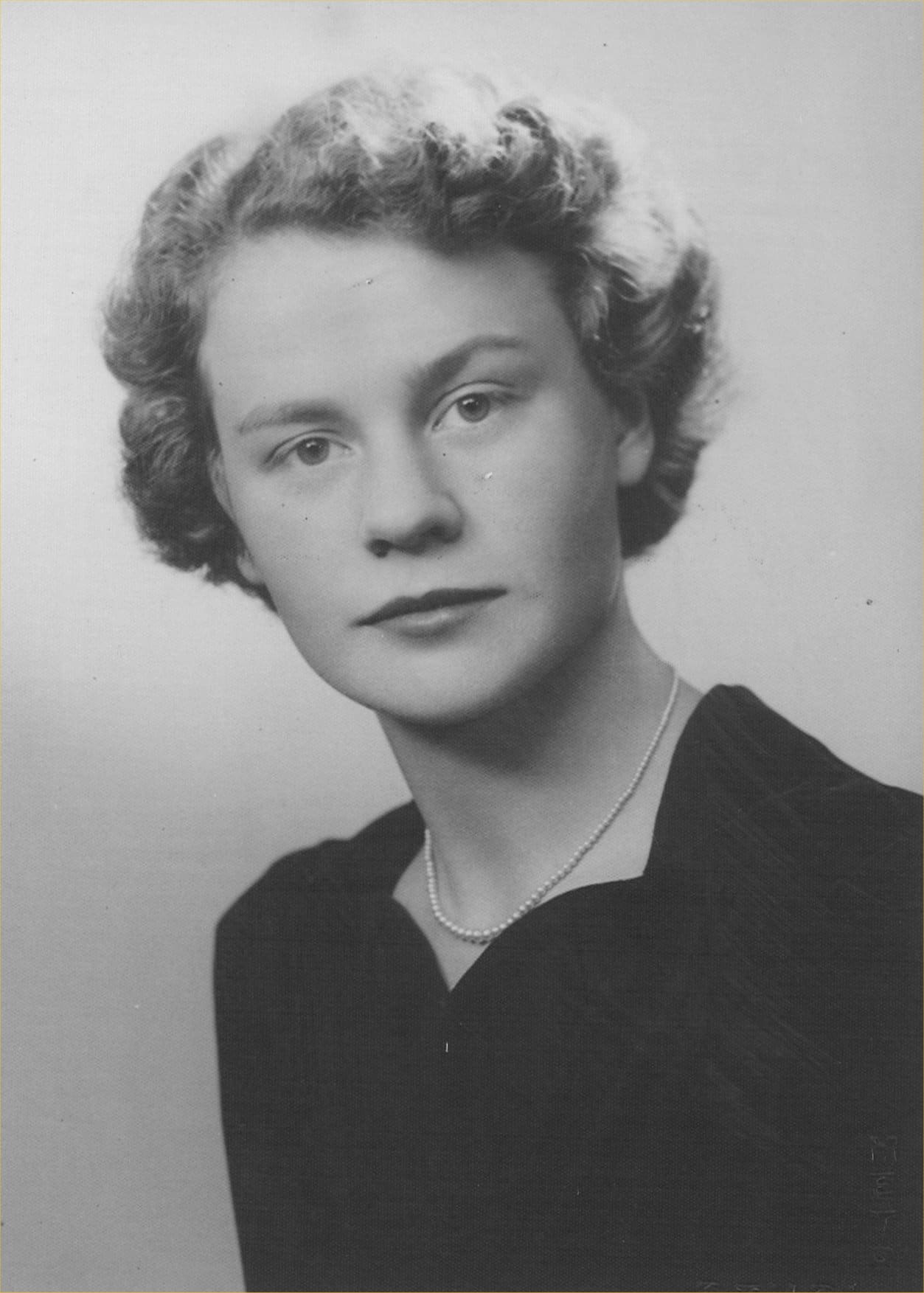
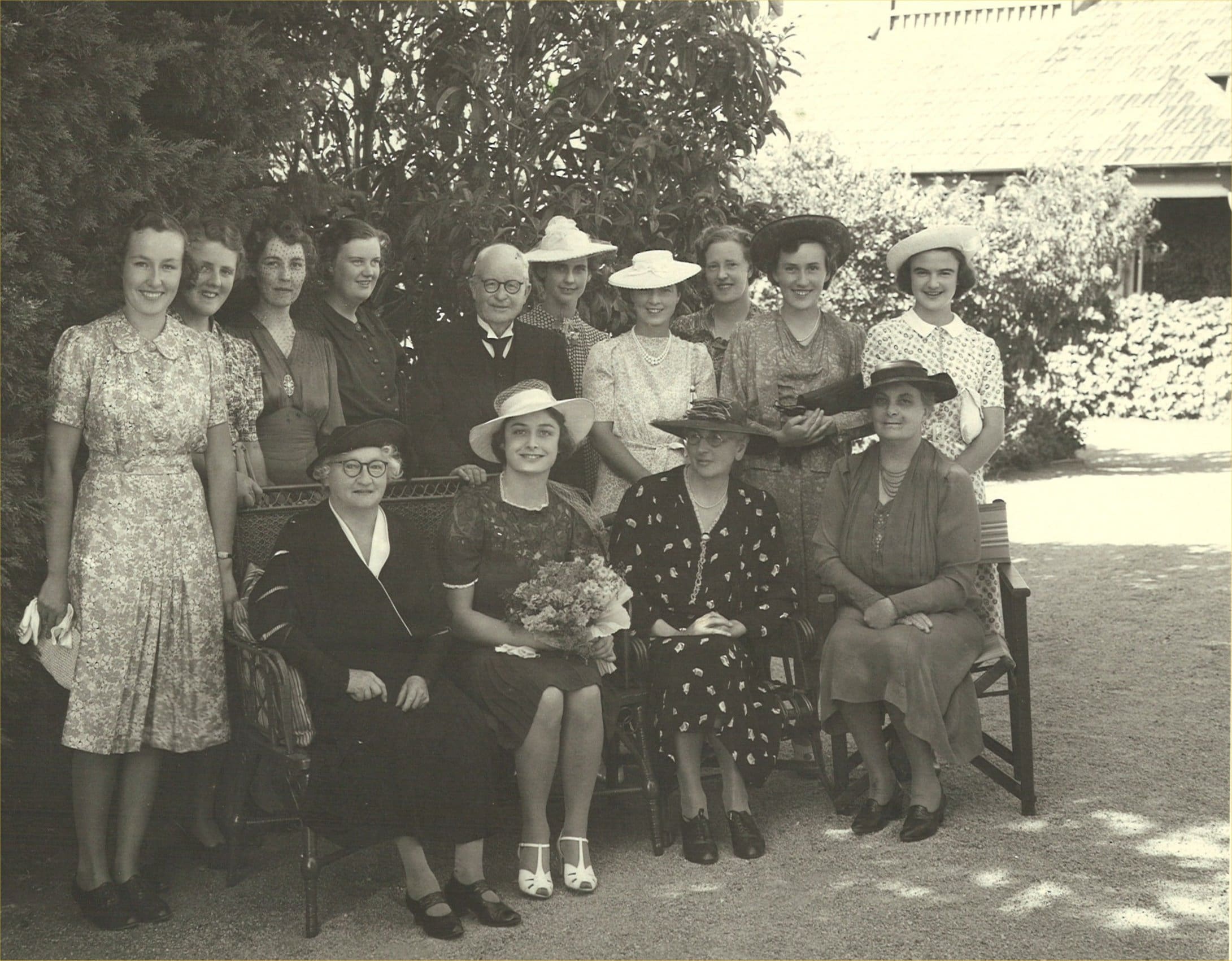
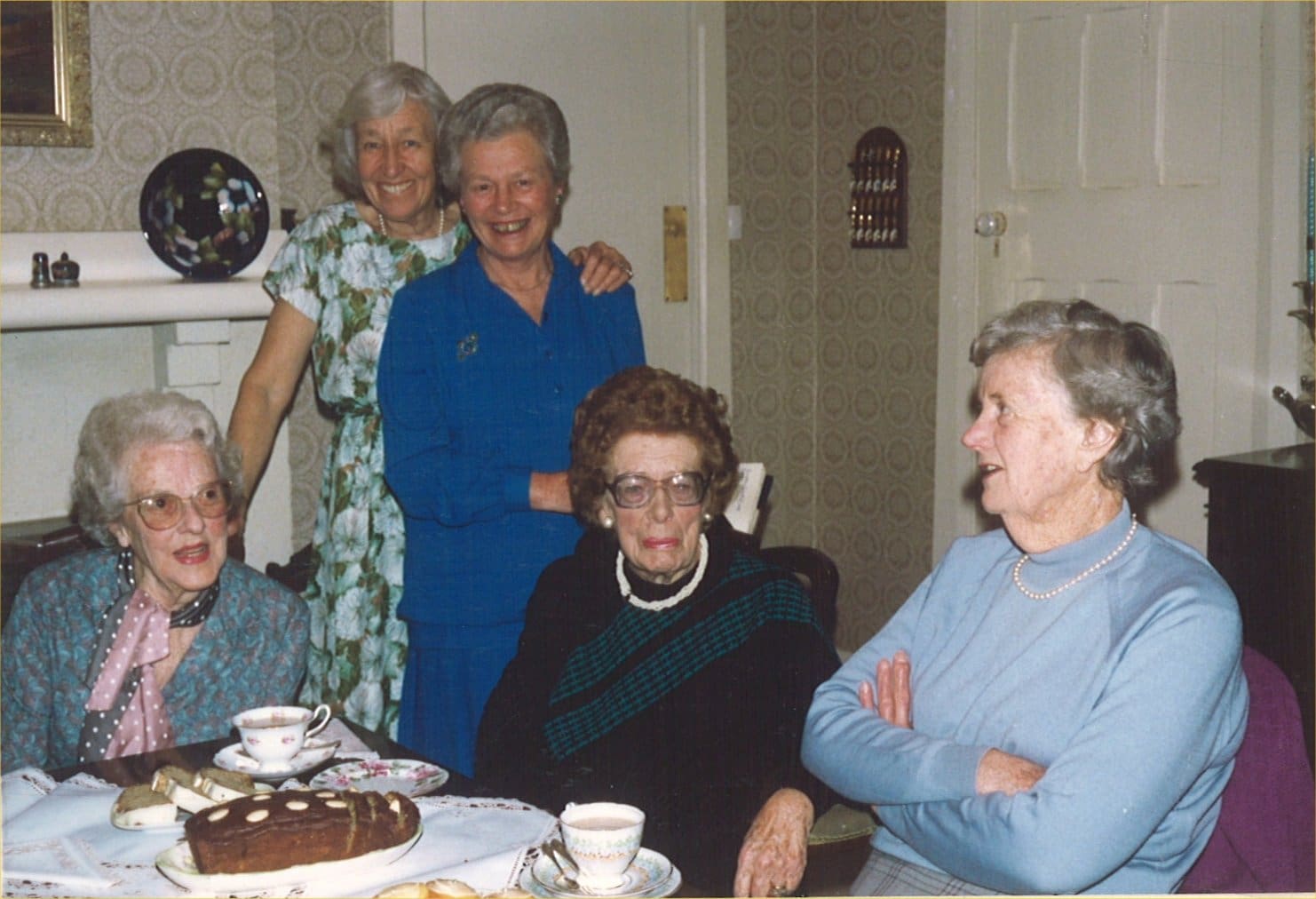
Loveday Bonython Circle
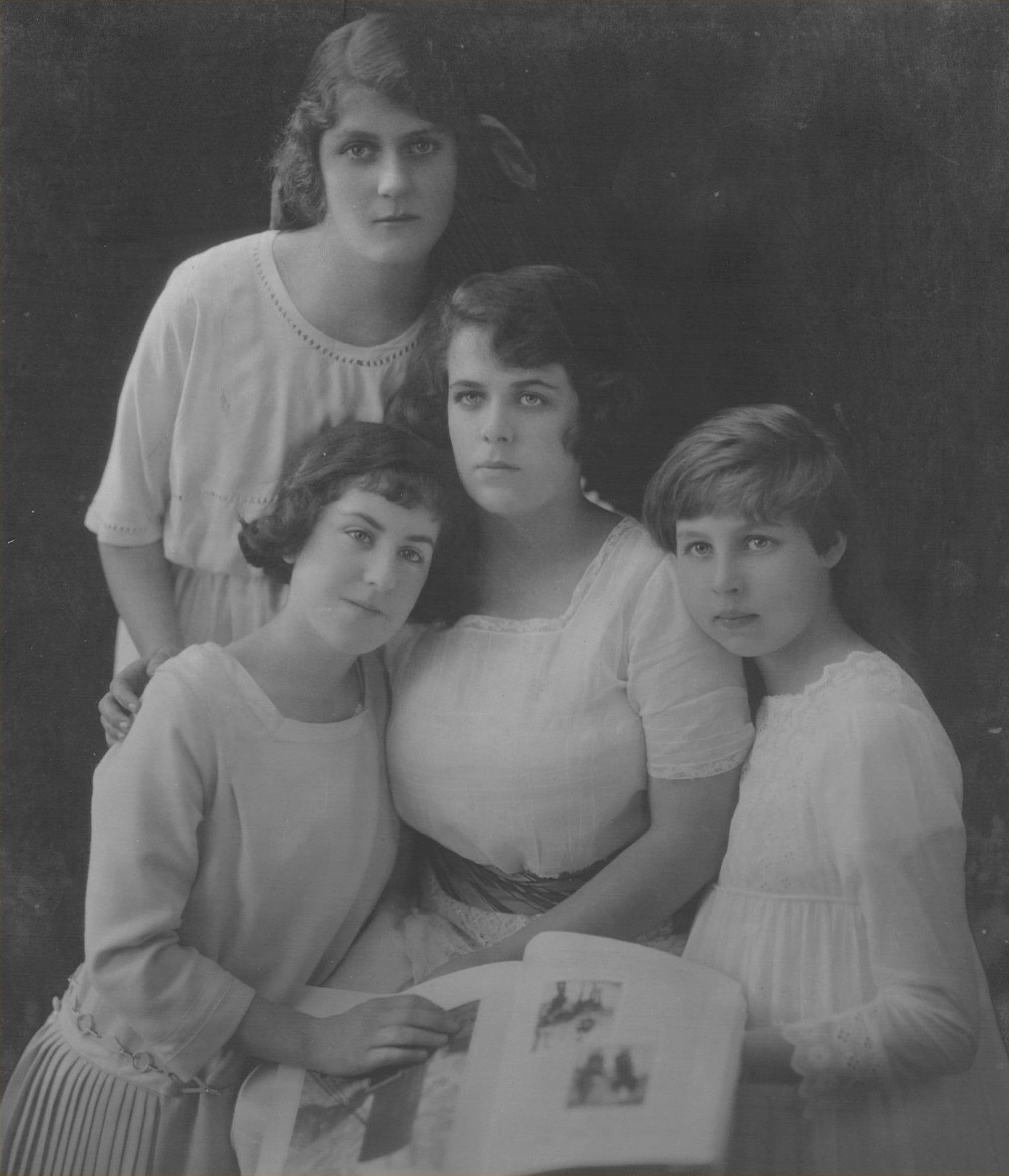
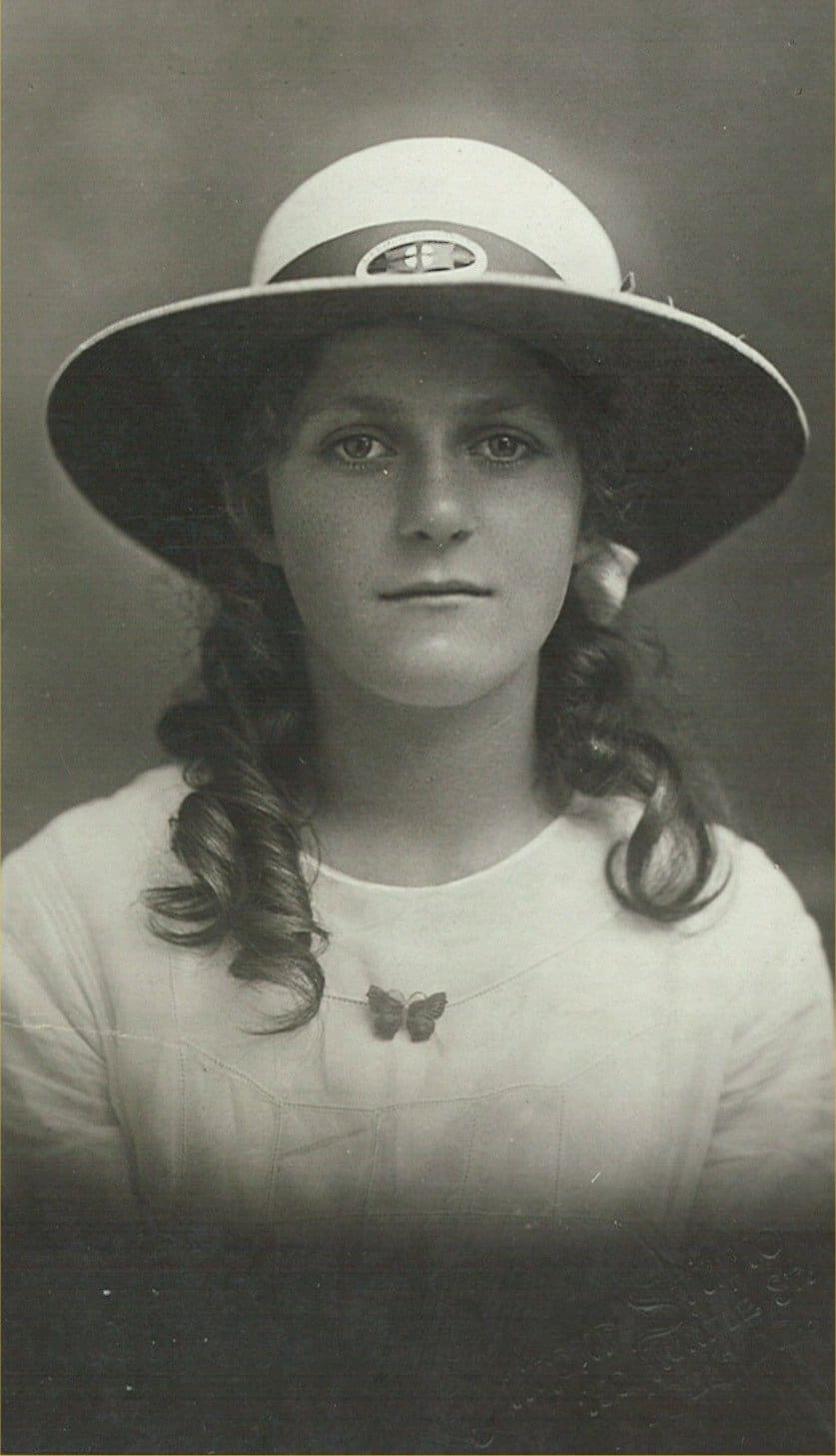
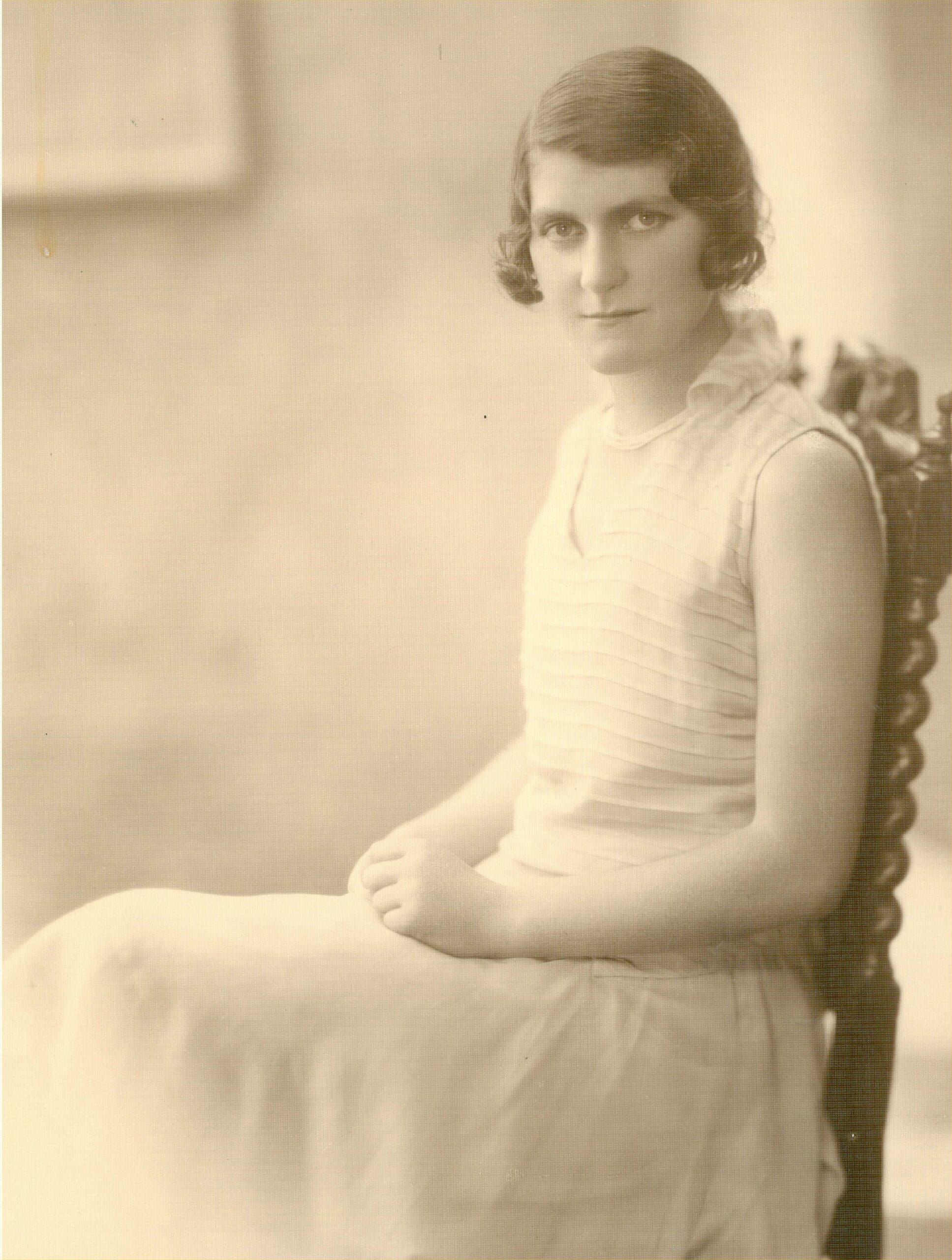
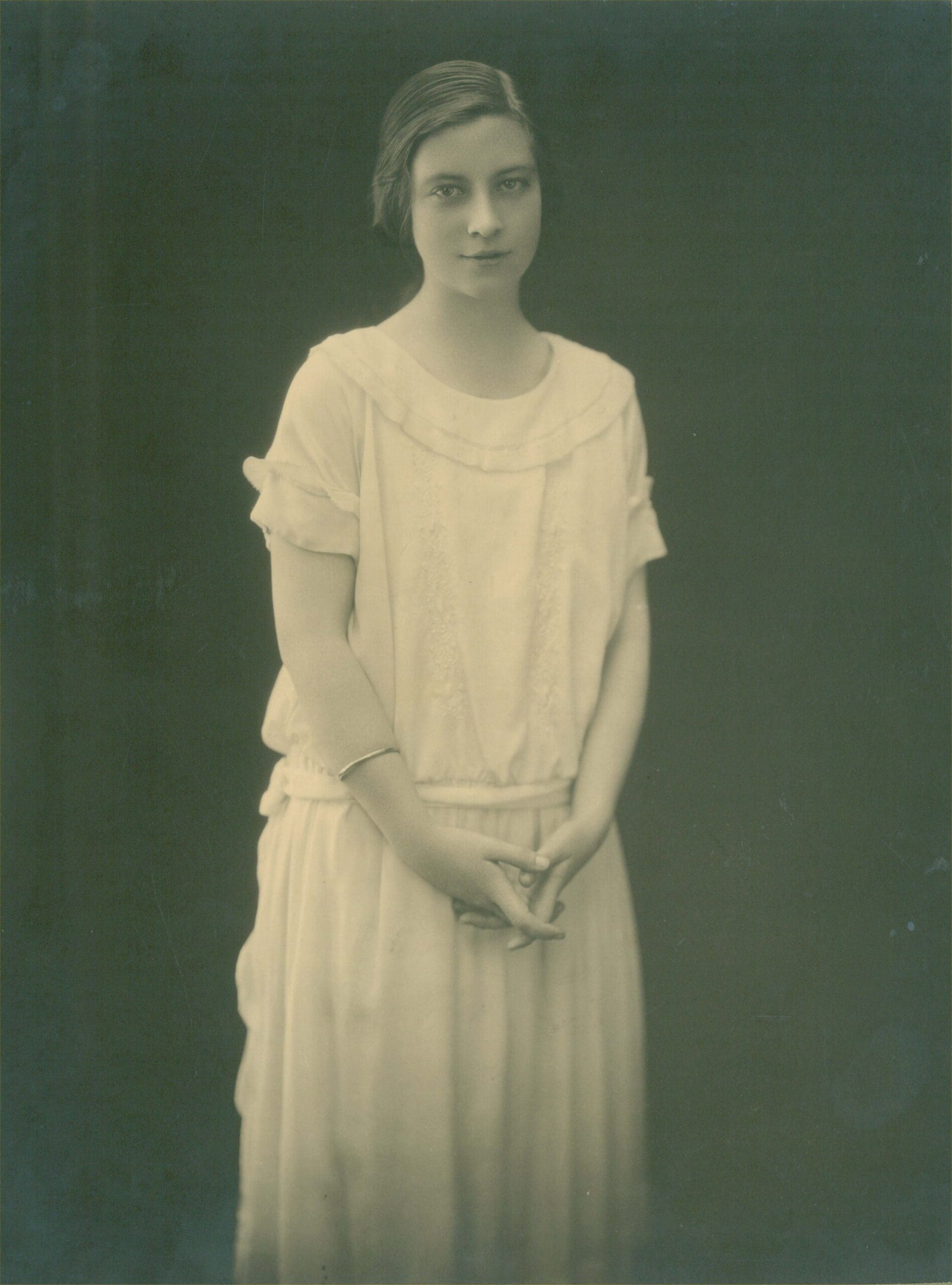

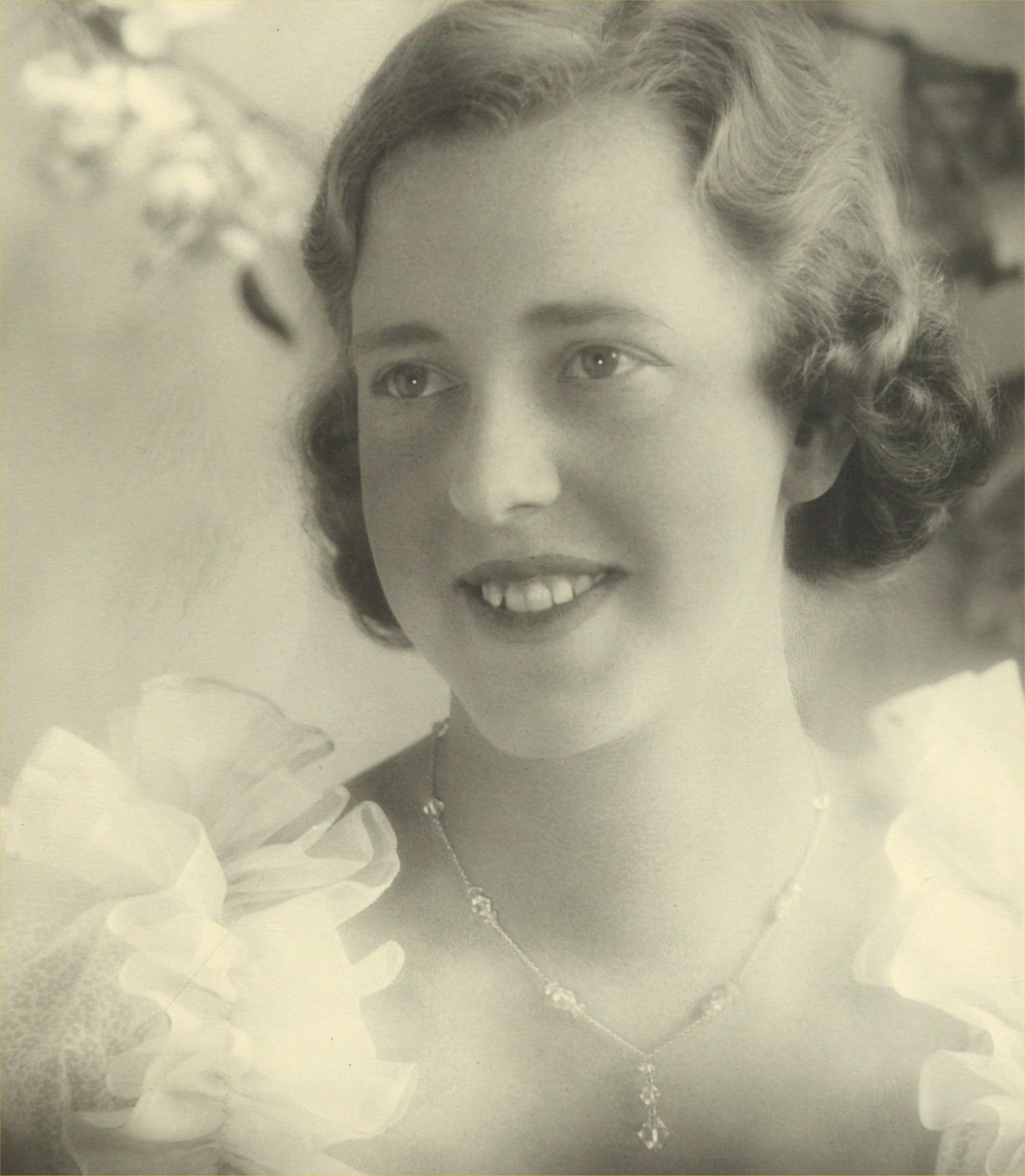
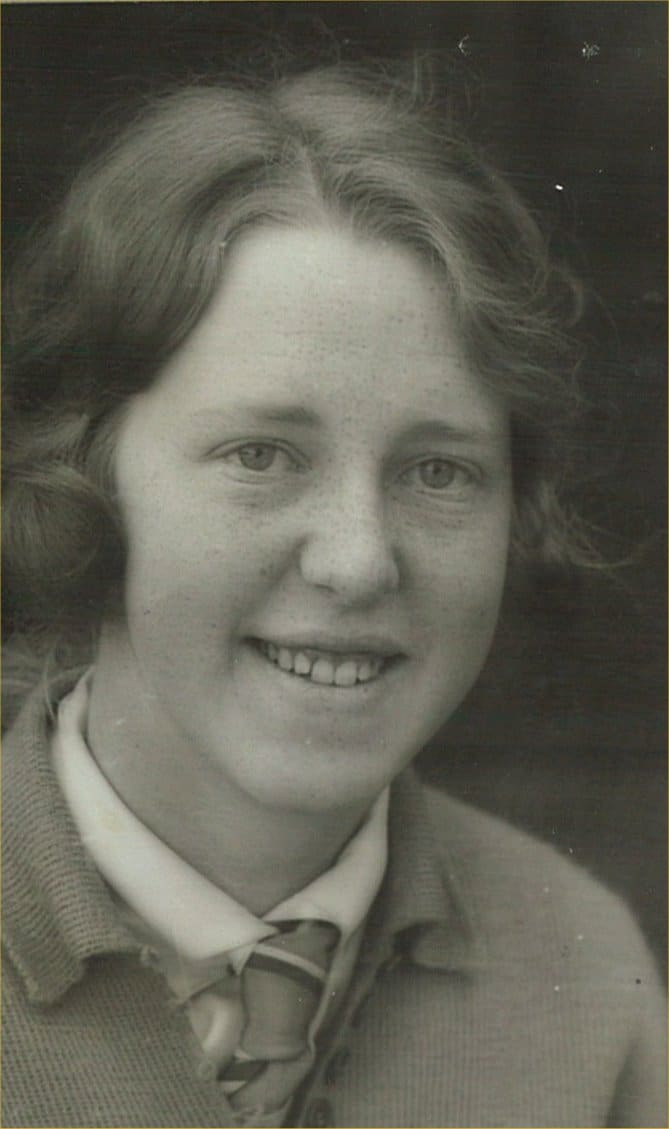
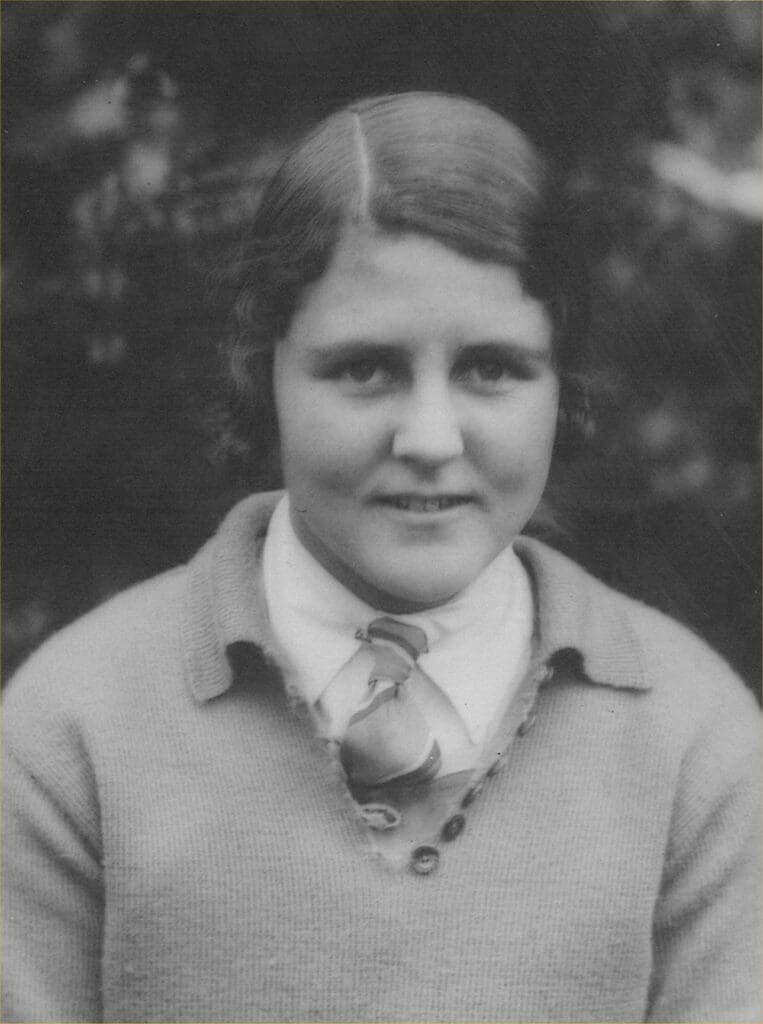
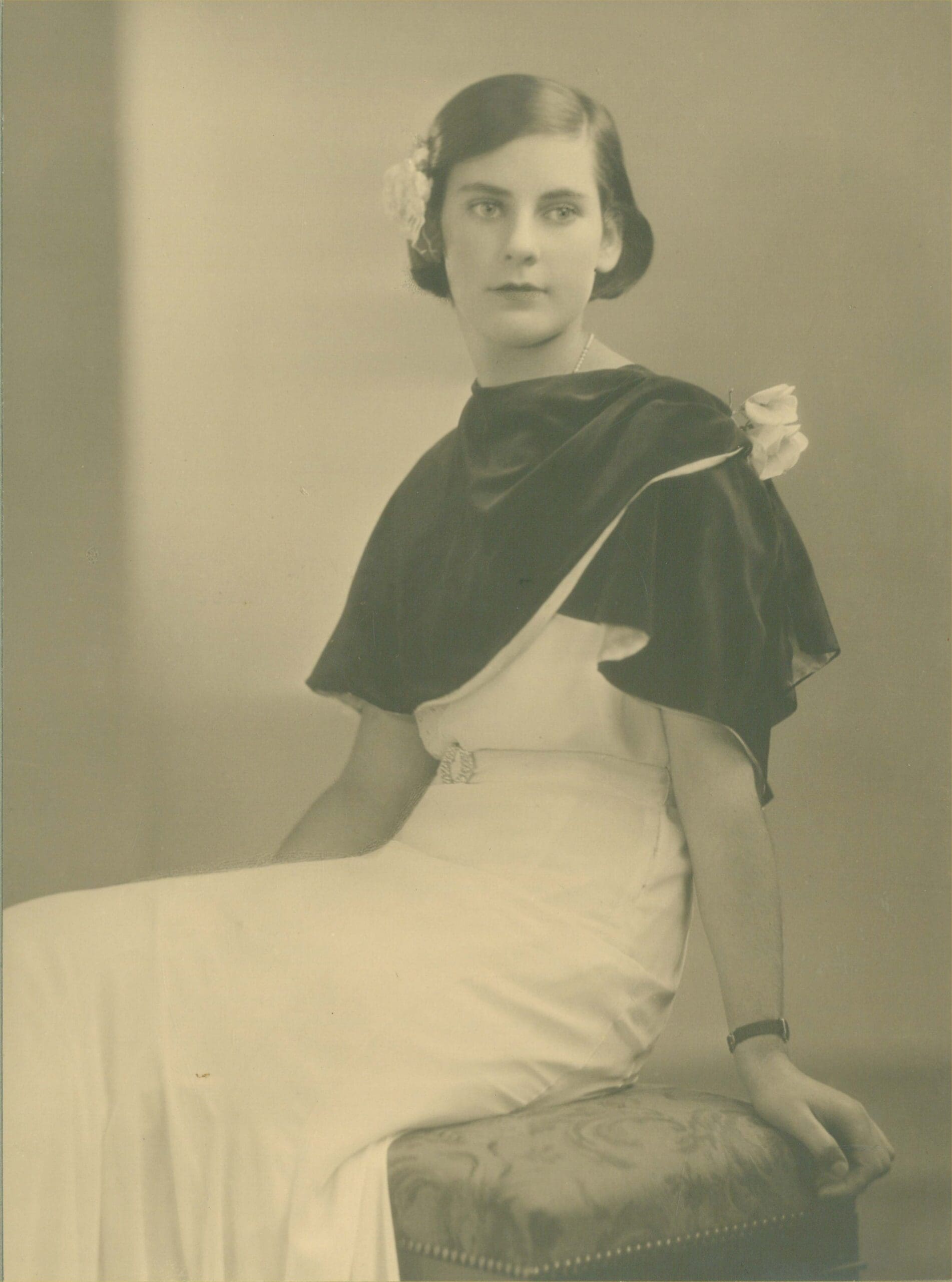
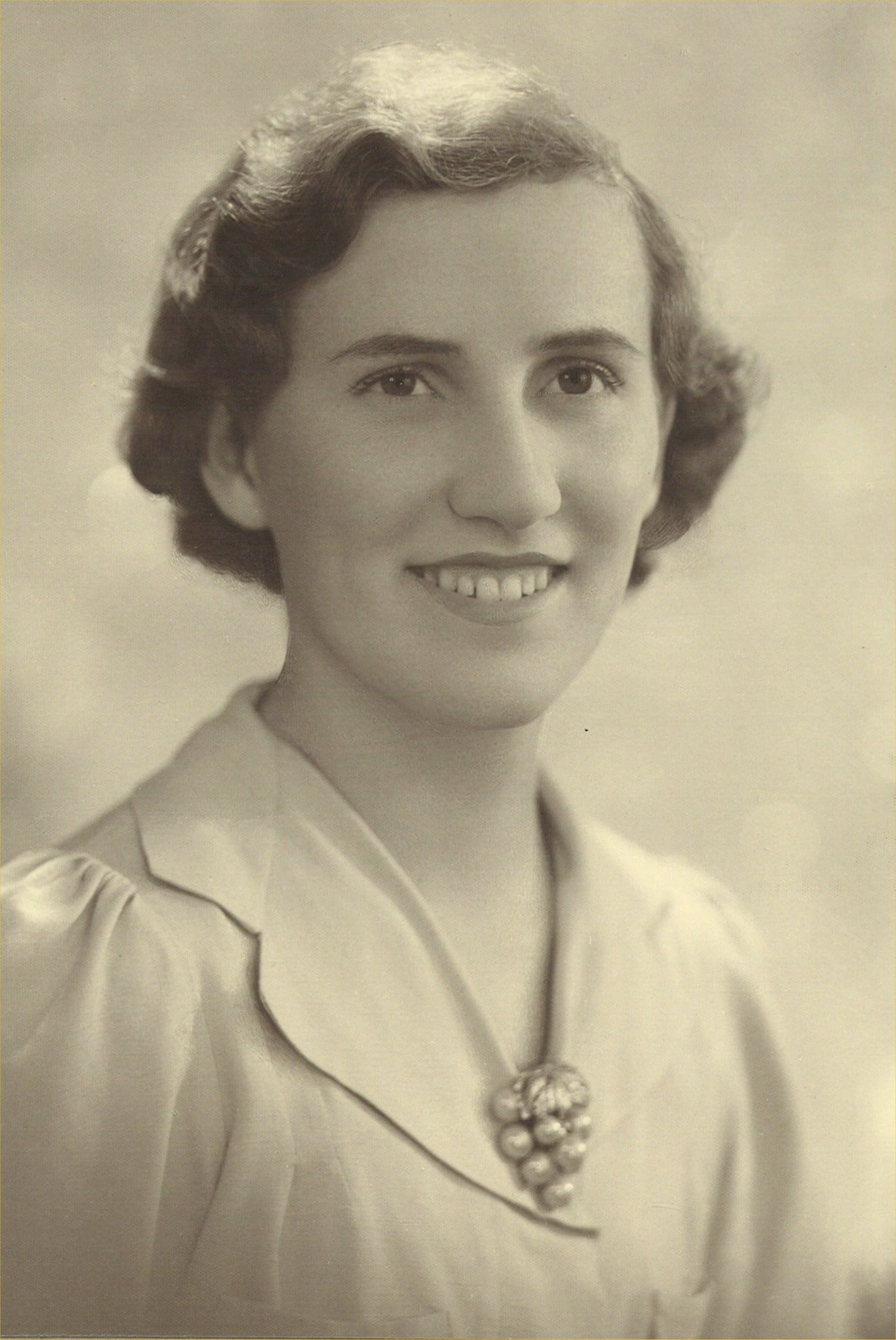
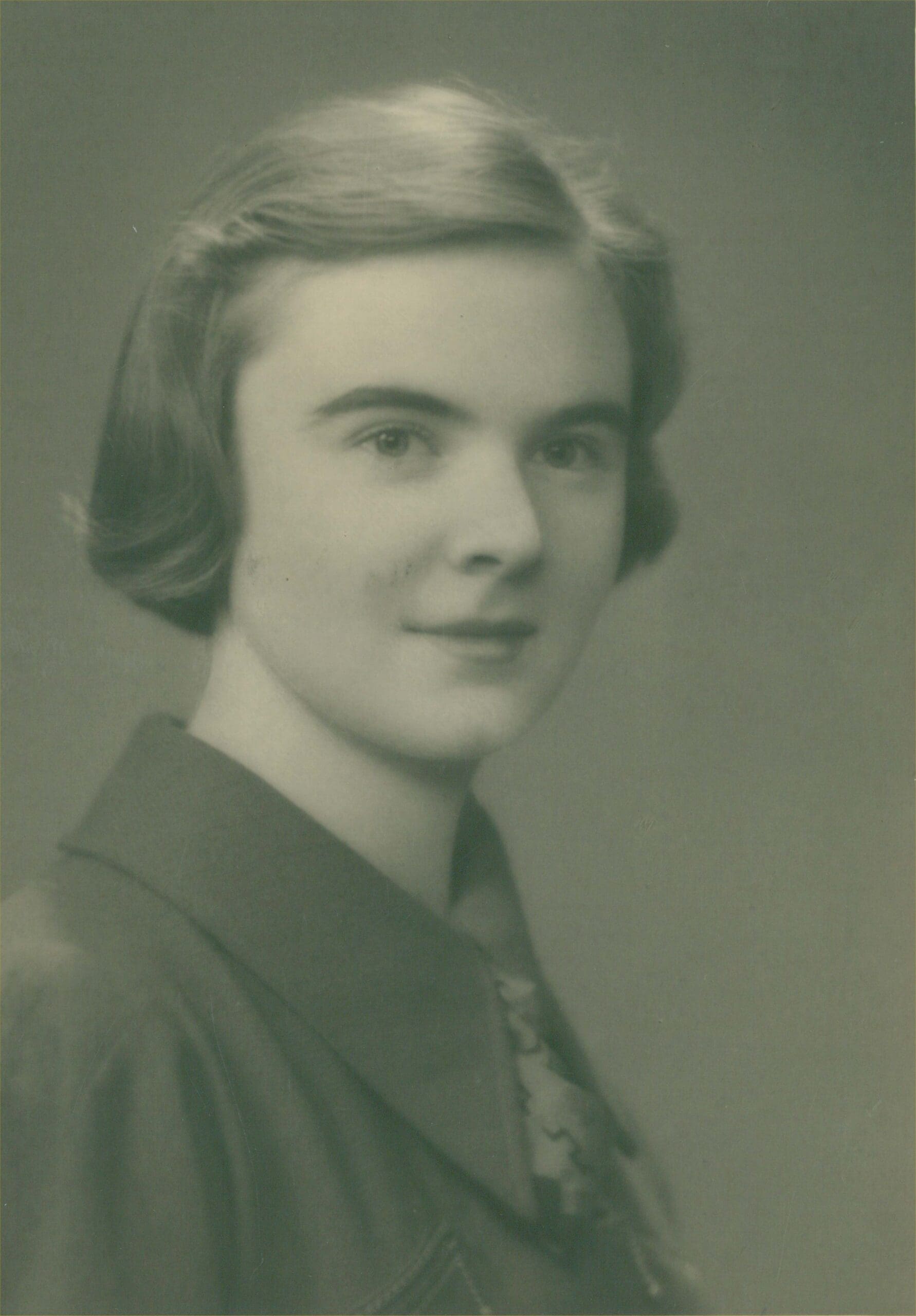
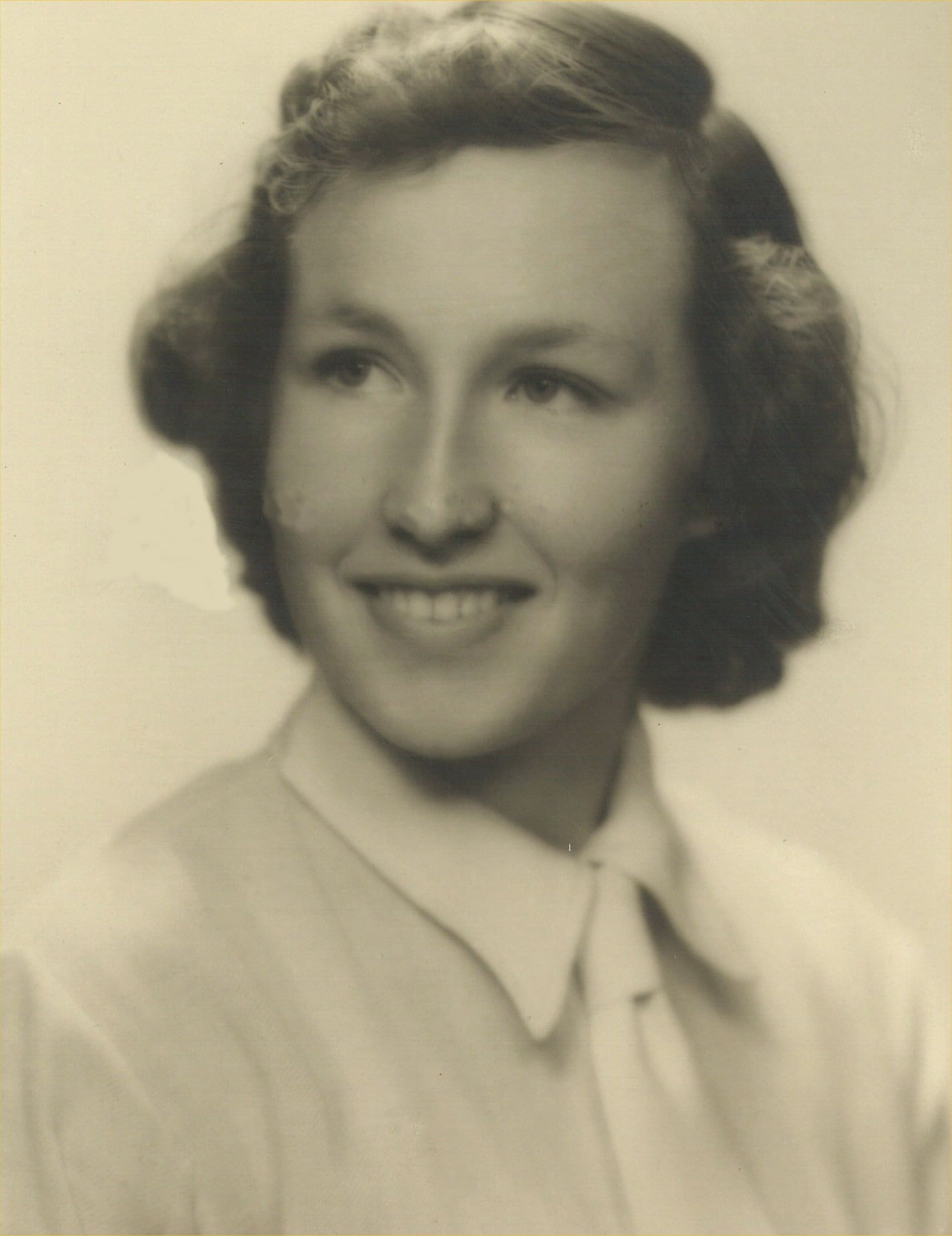
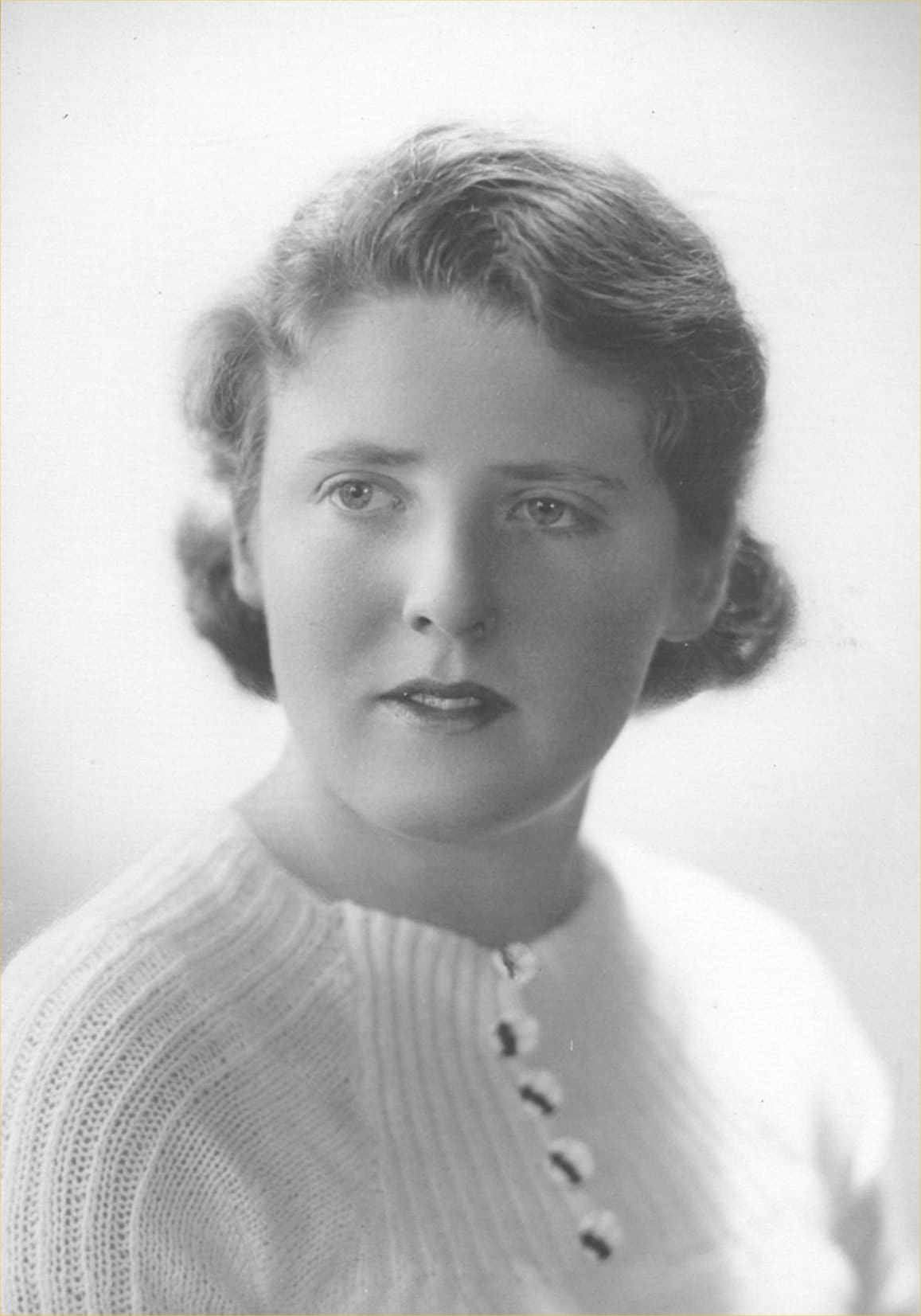

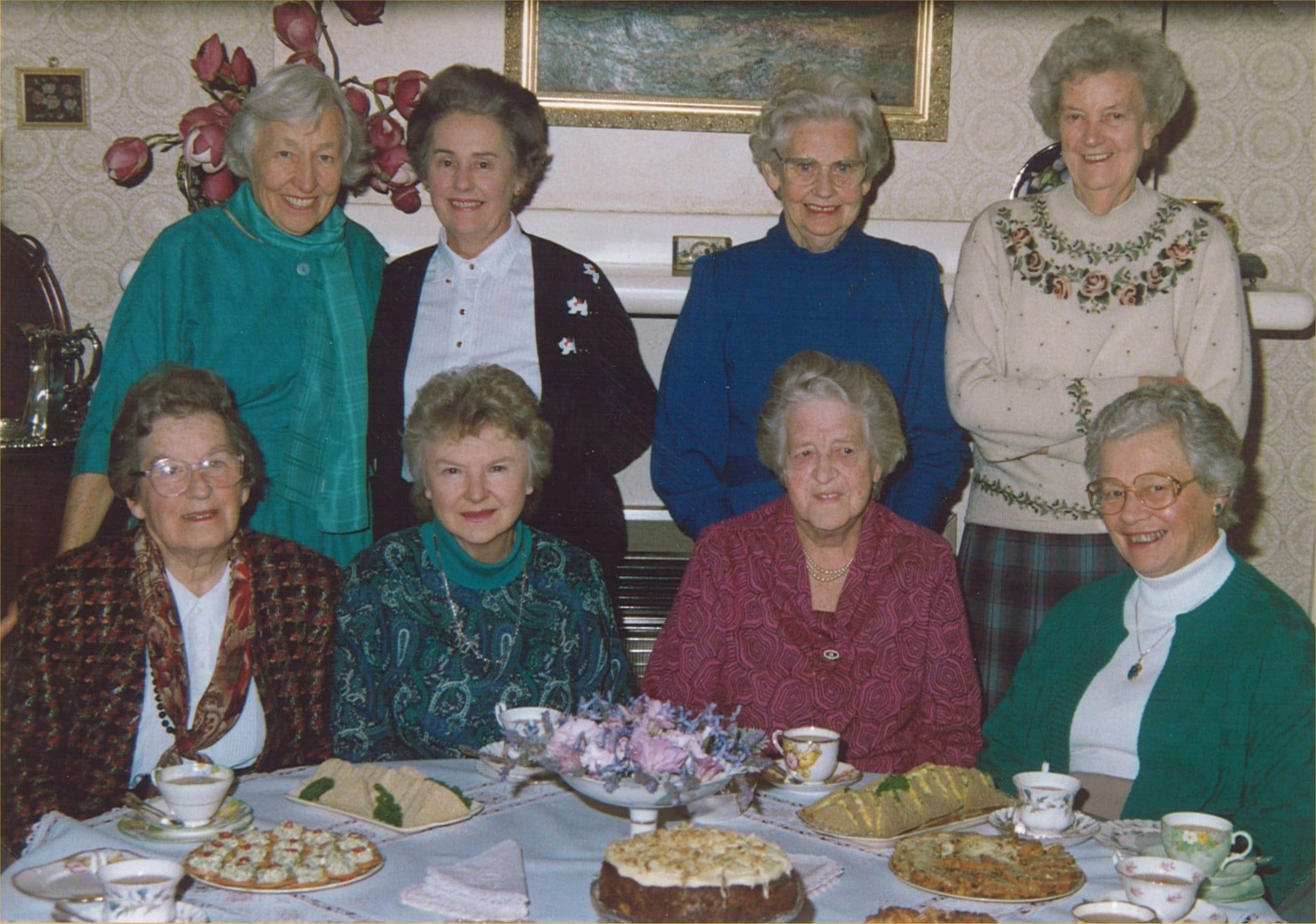
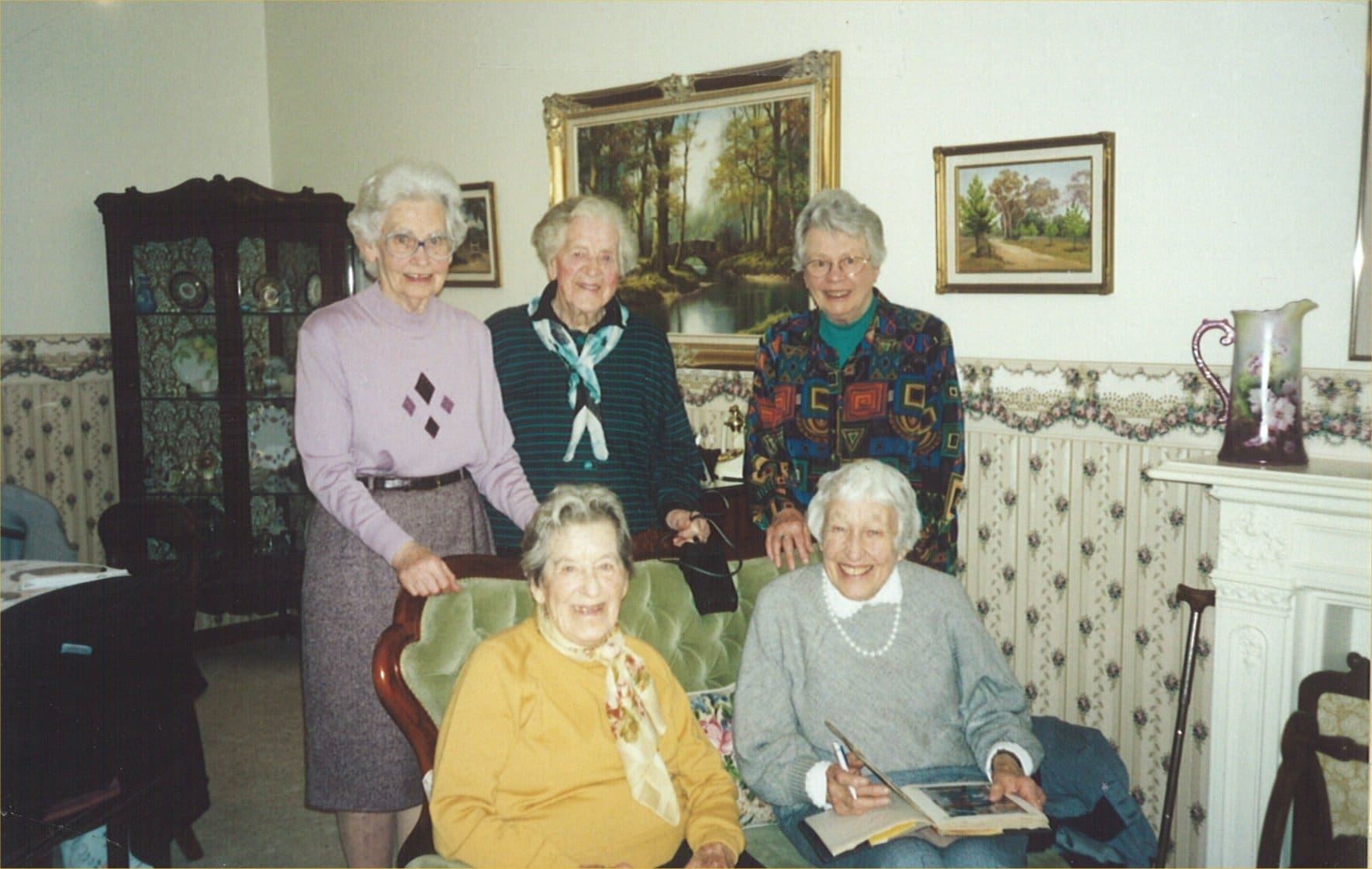
Celebrating 100 Years (2015)
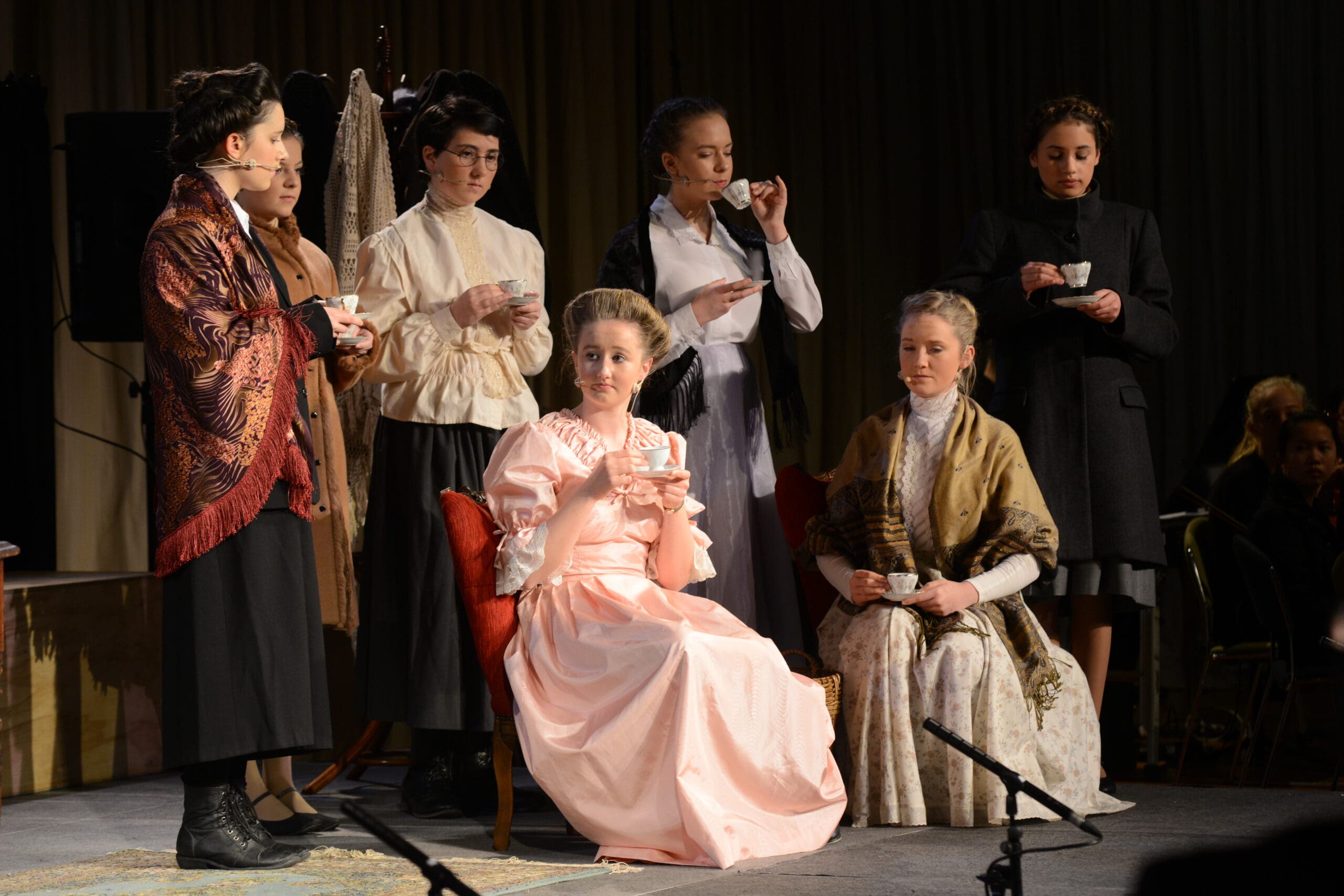

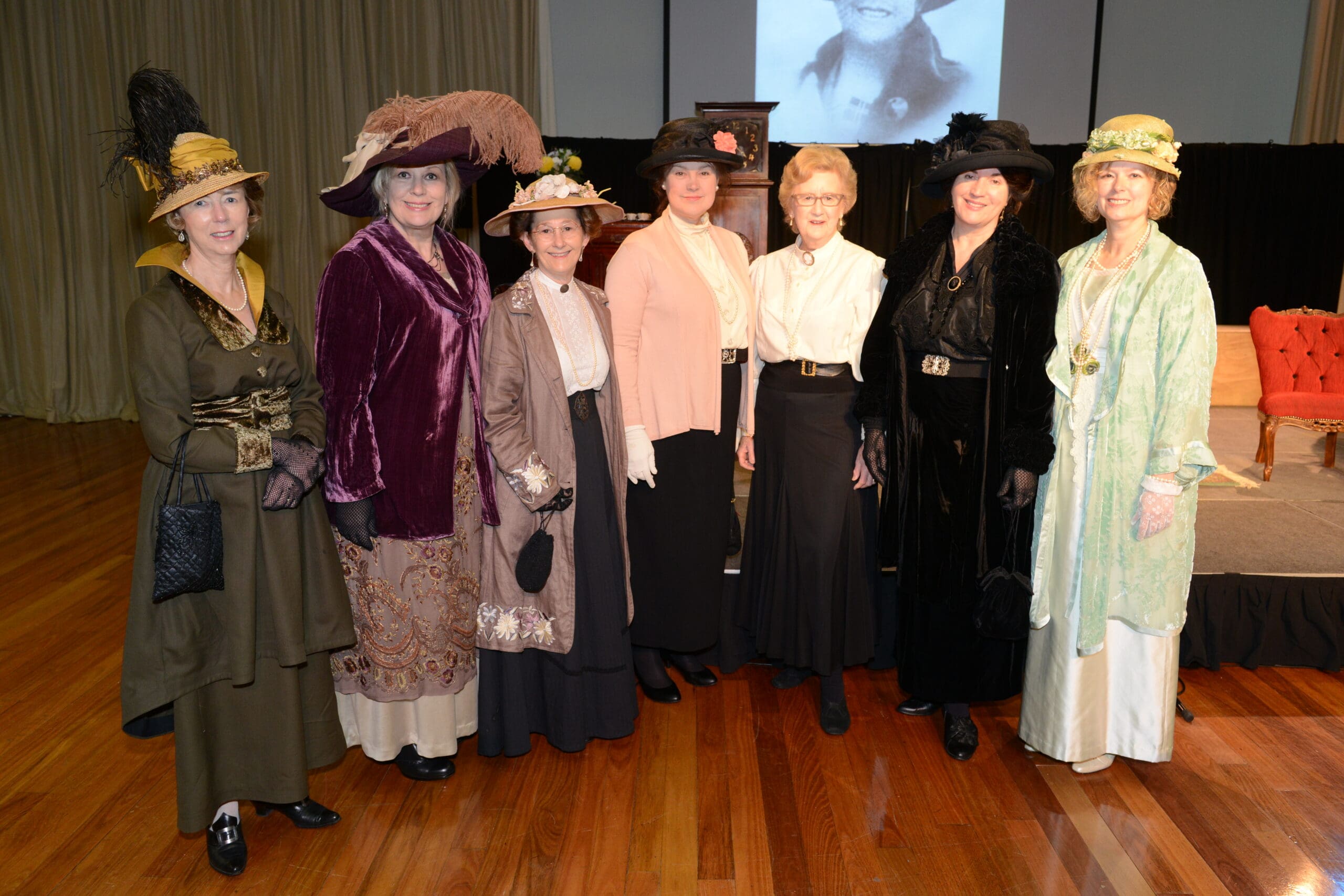
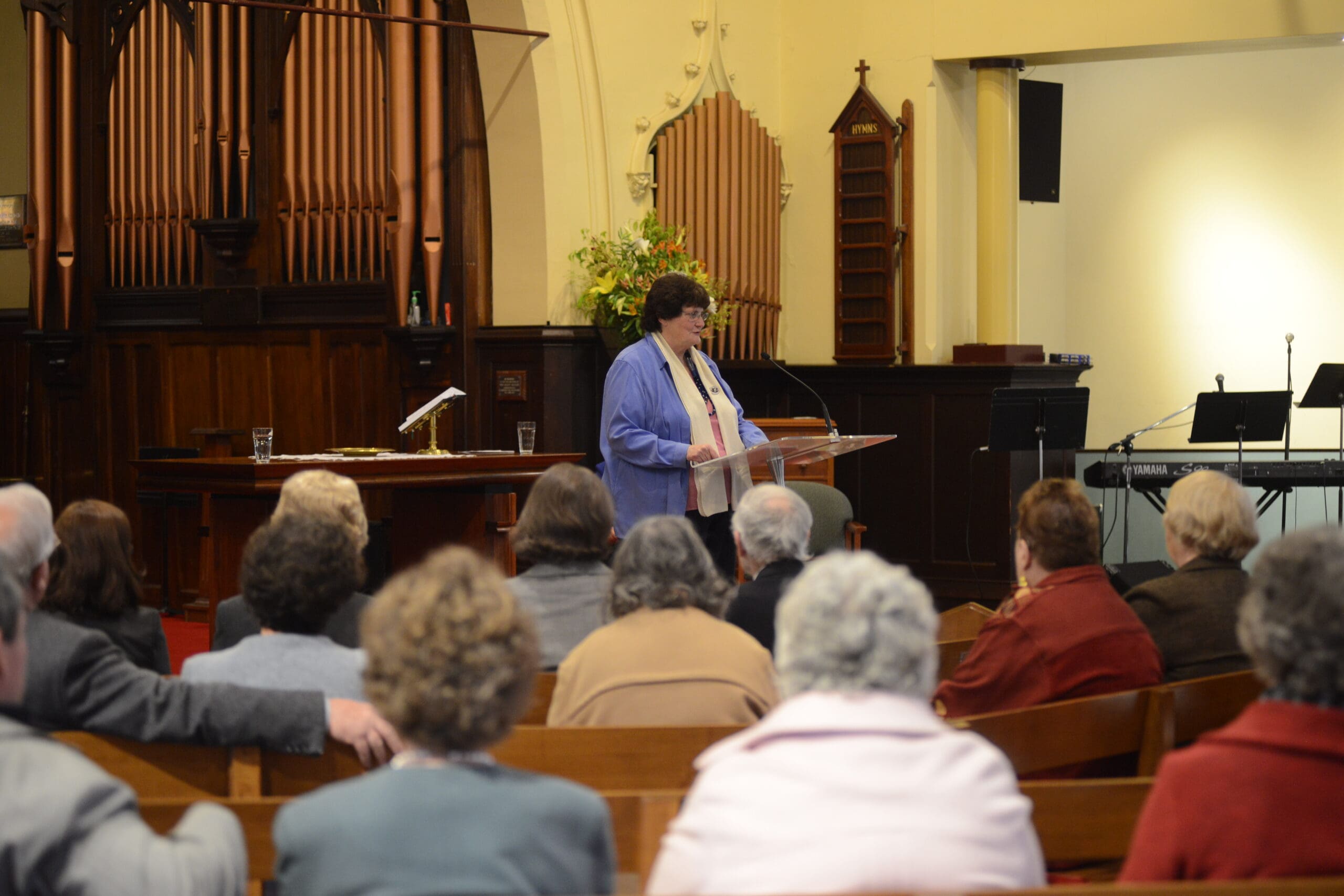
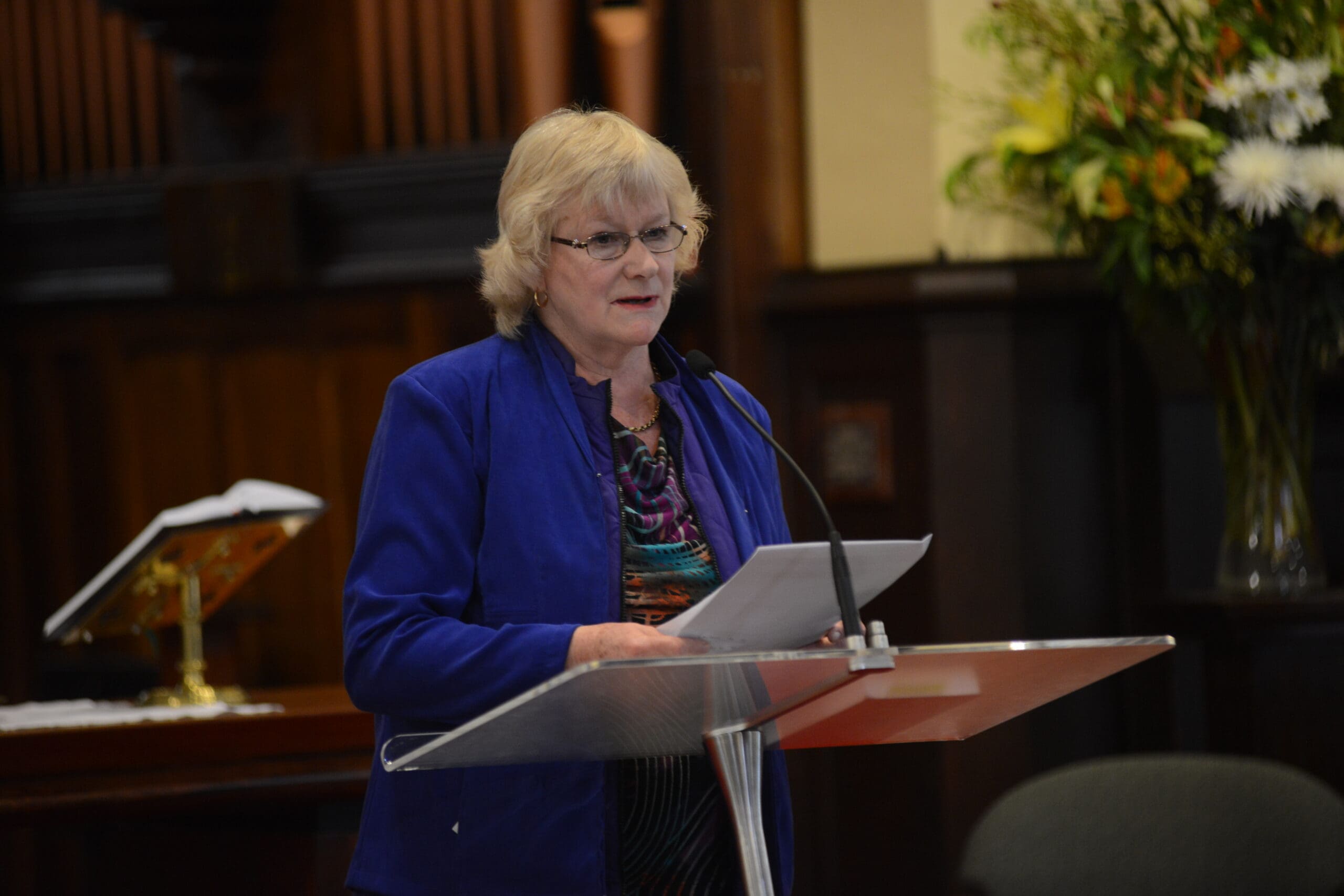
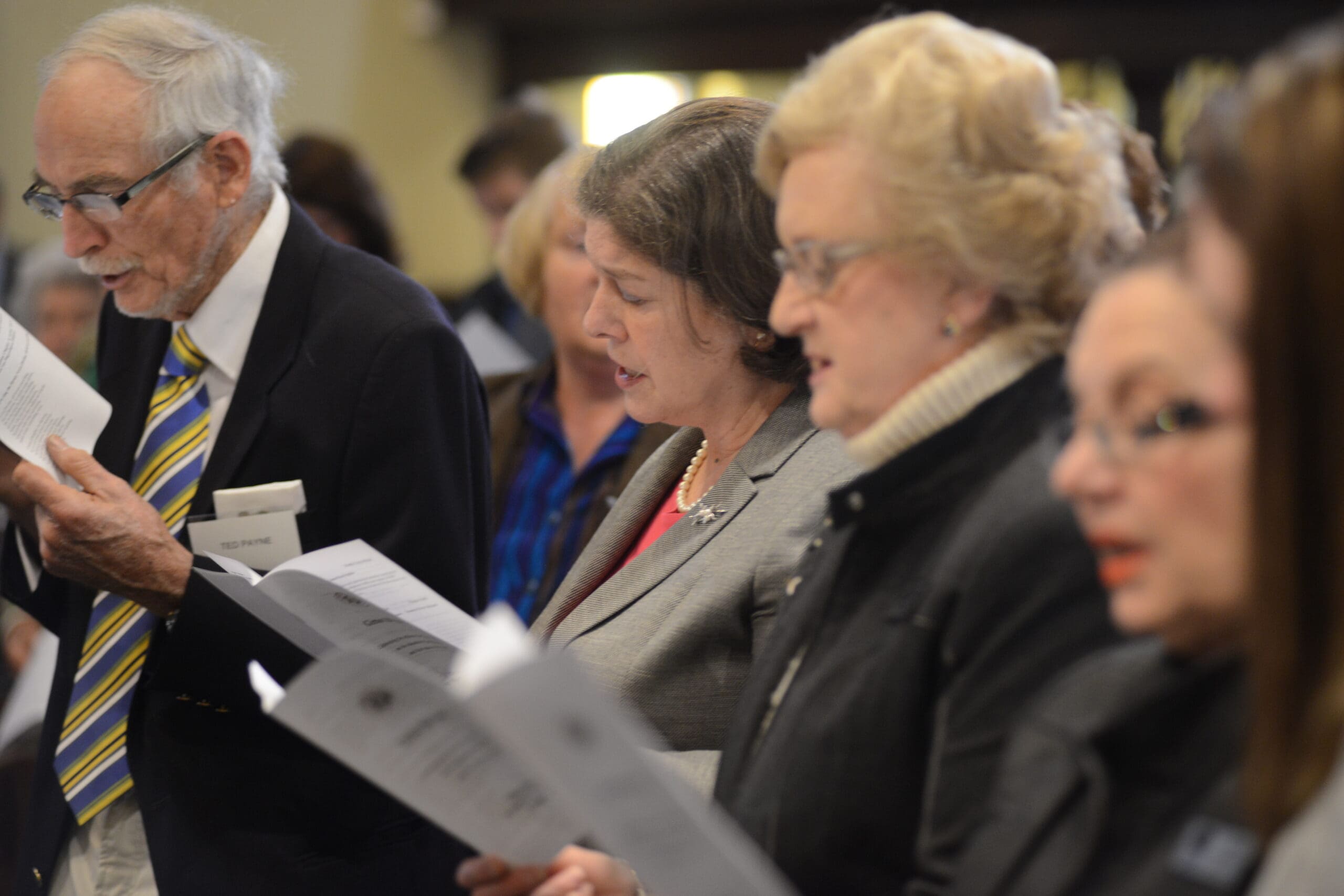
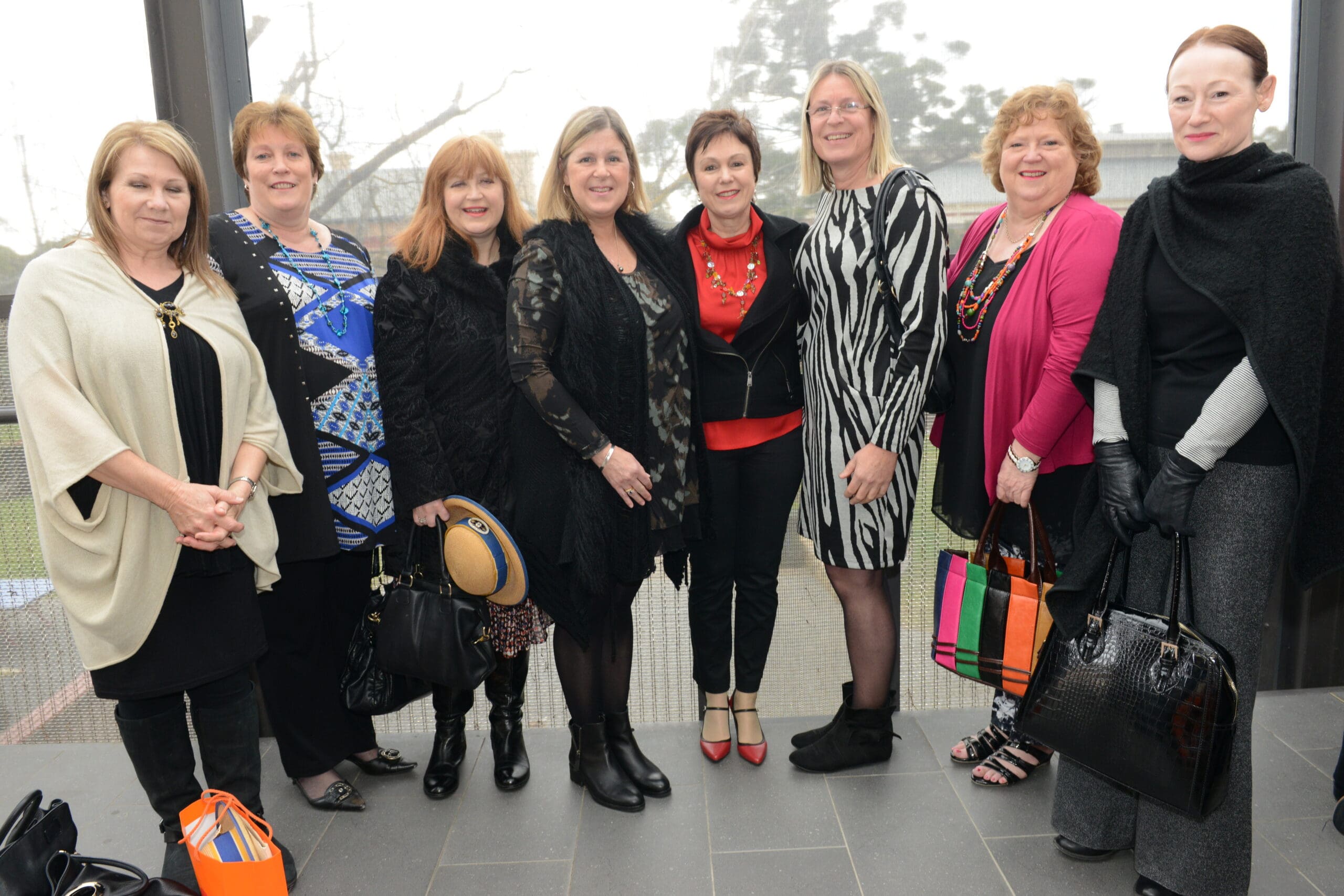

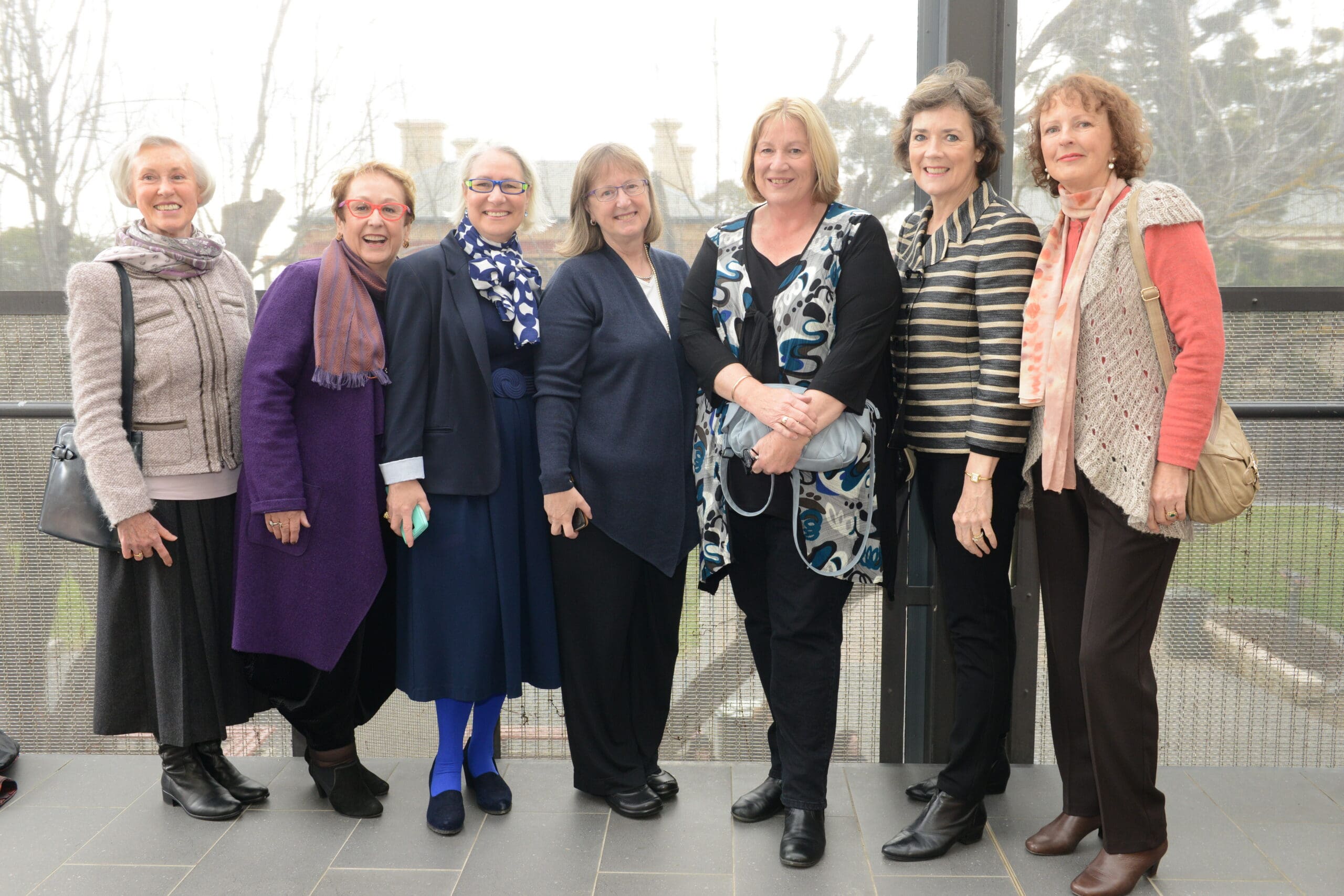
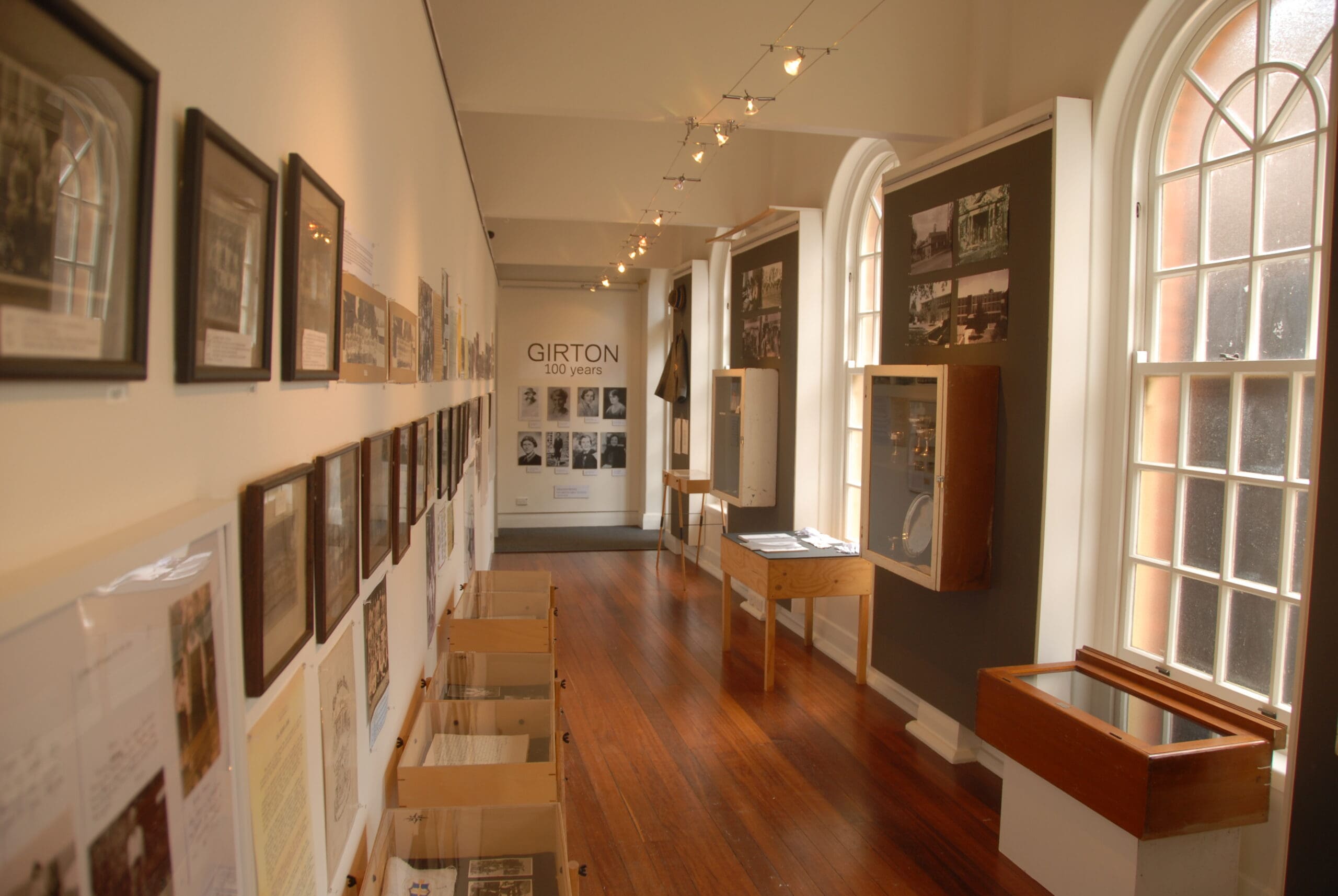

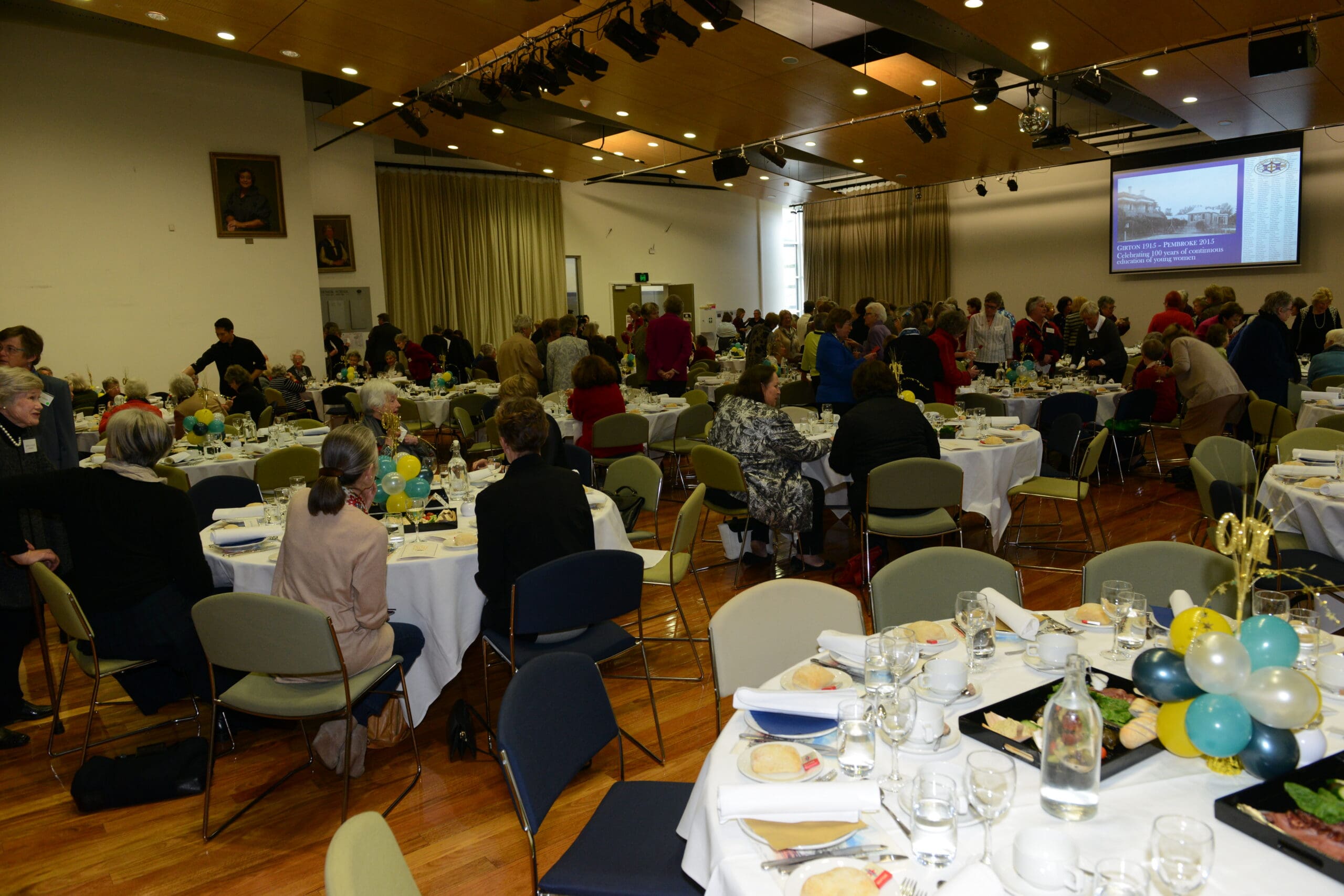
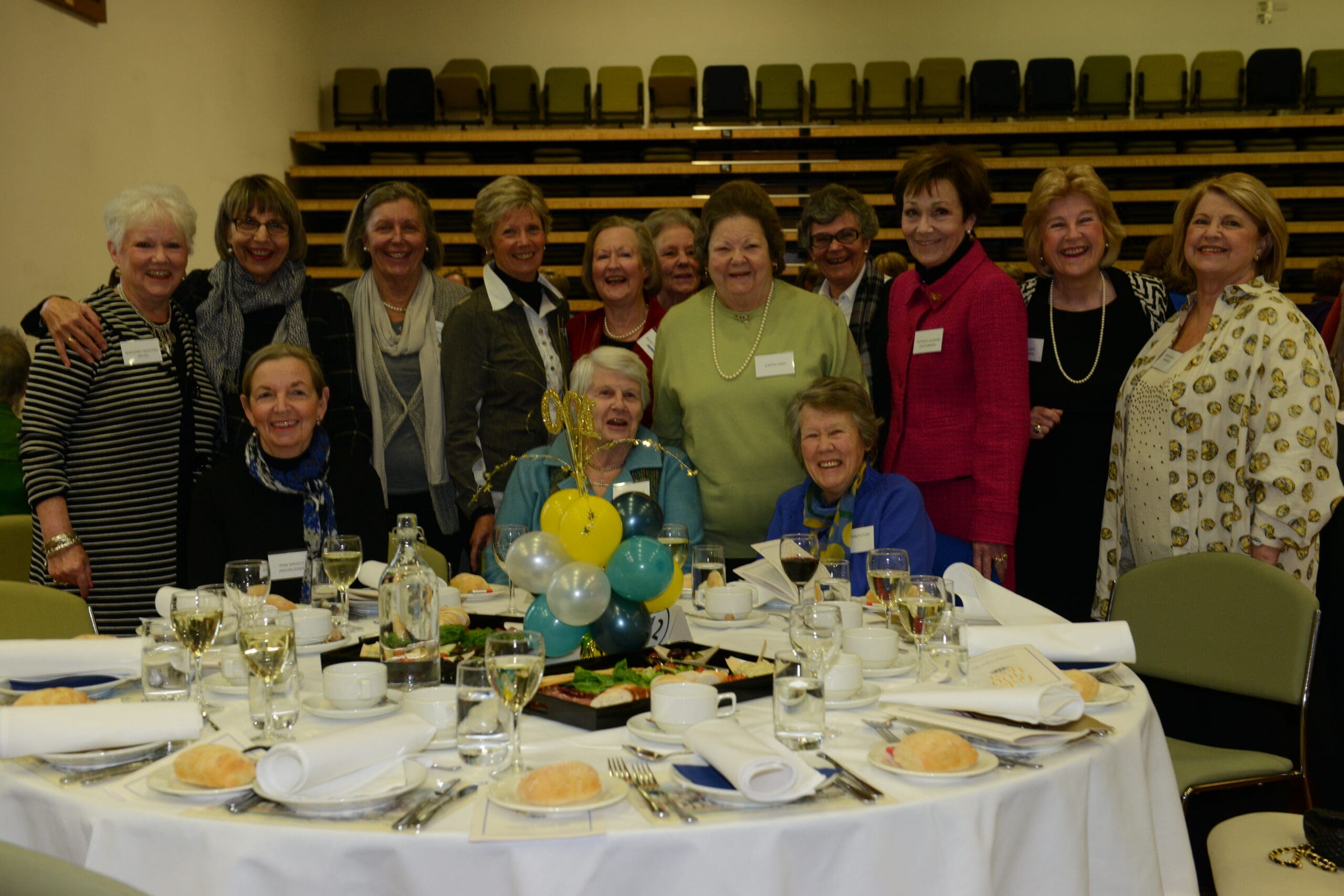
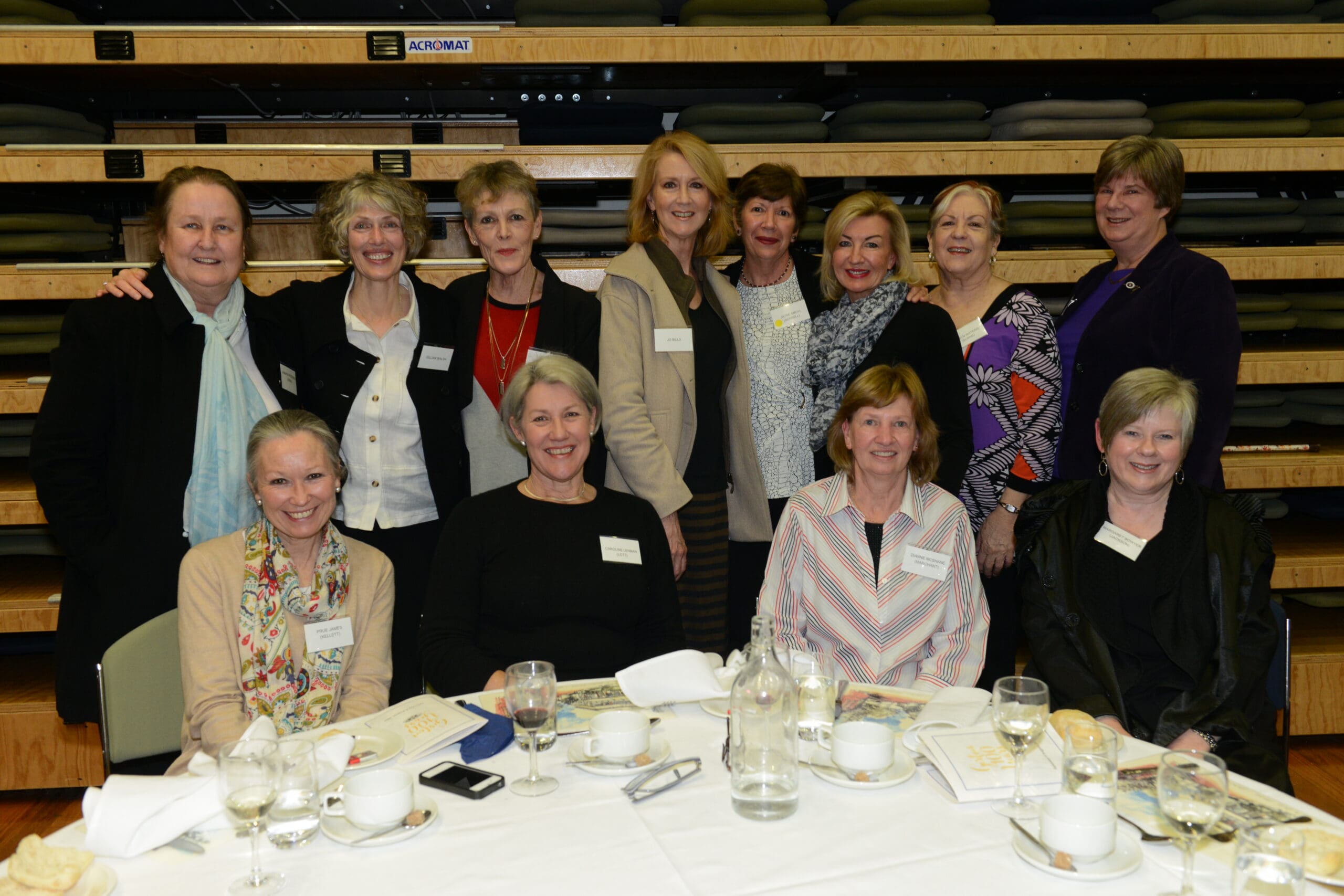
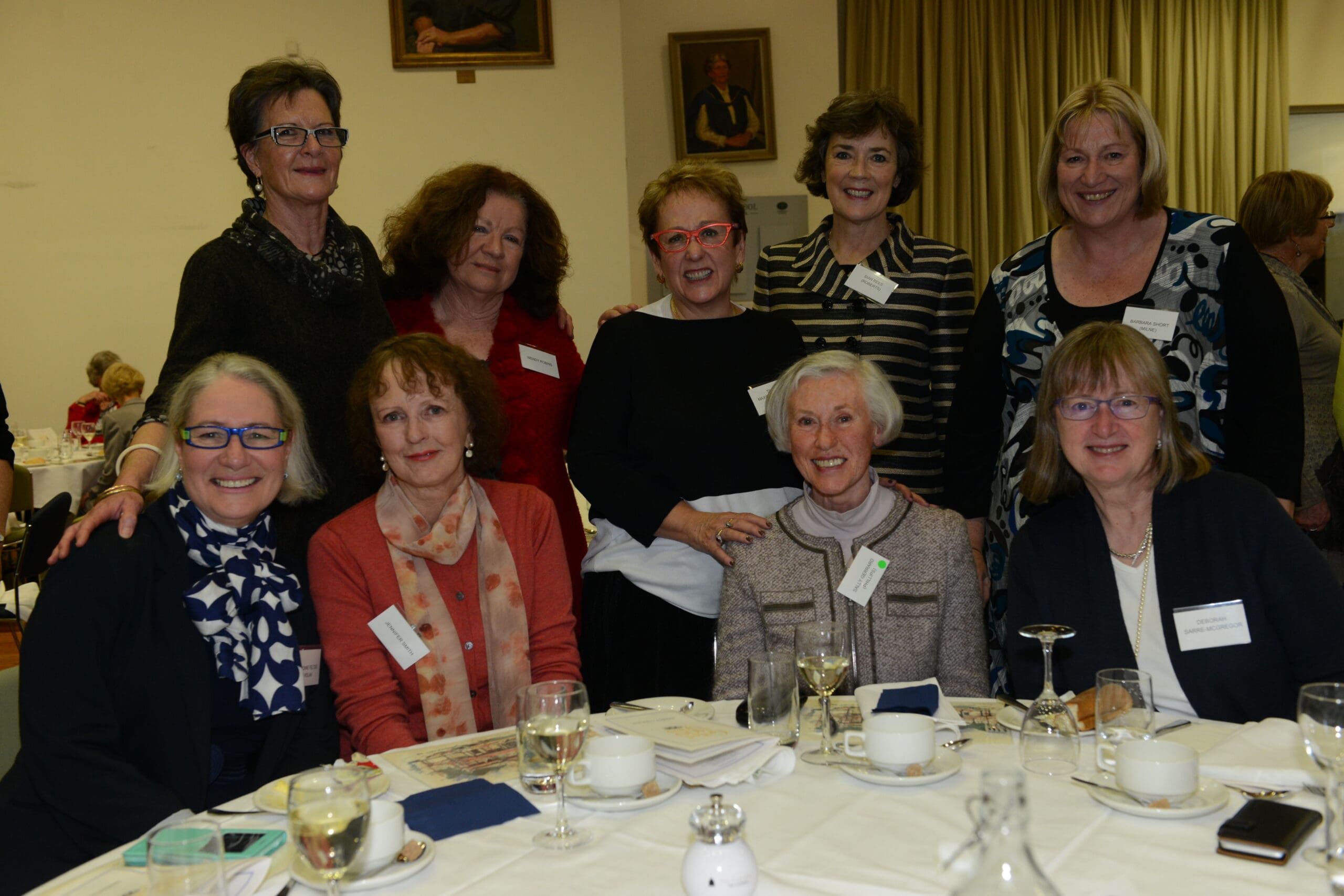
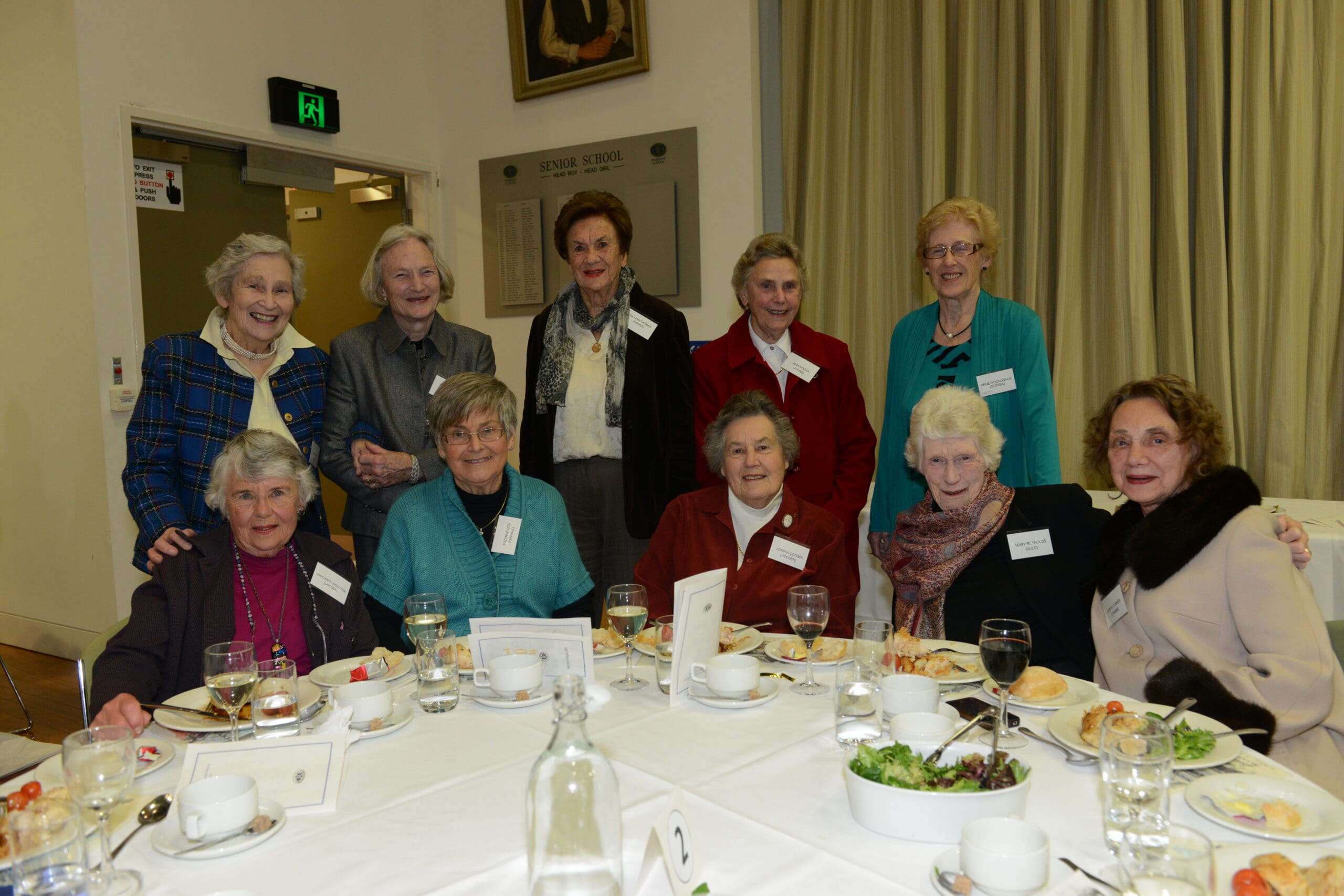
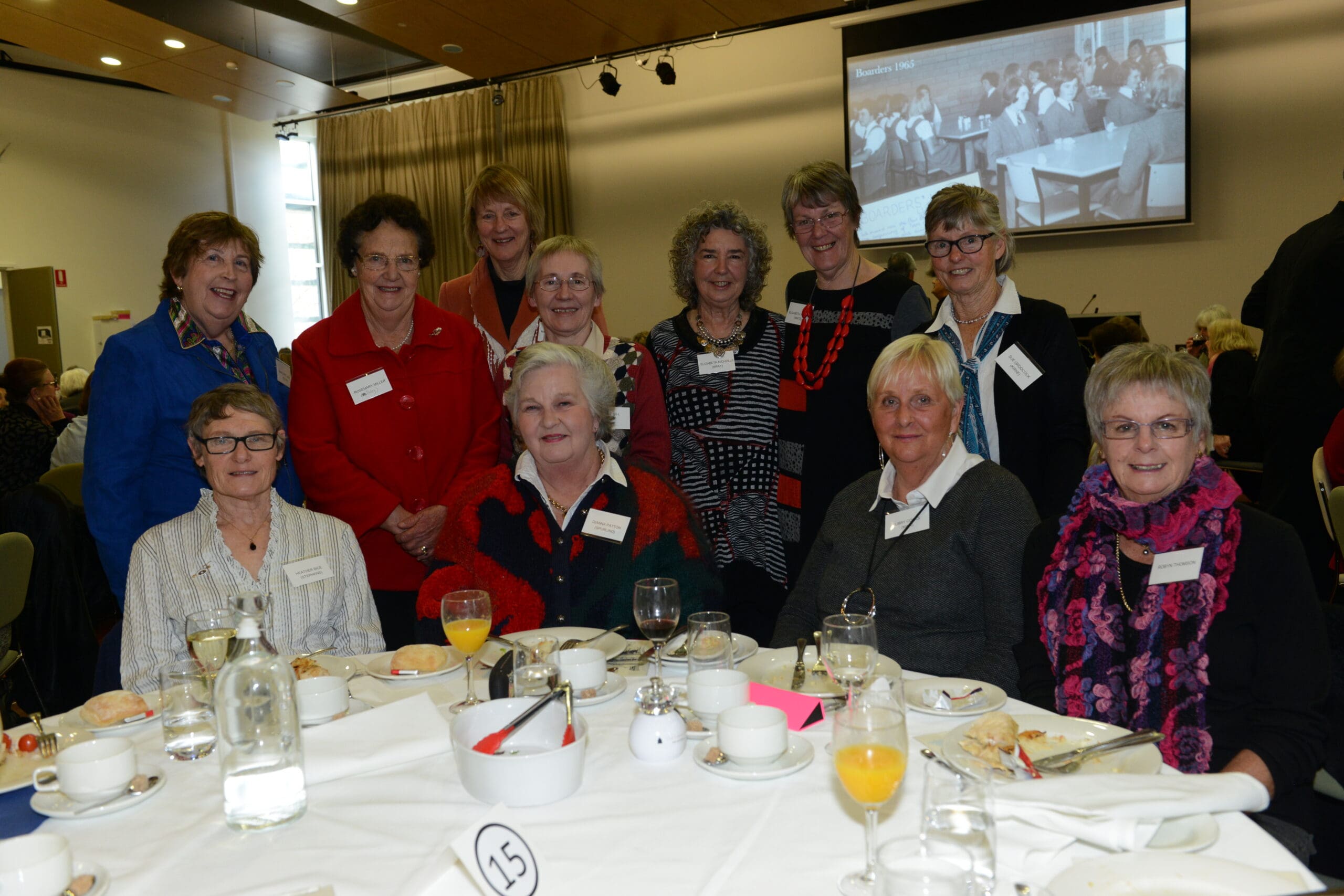

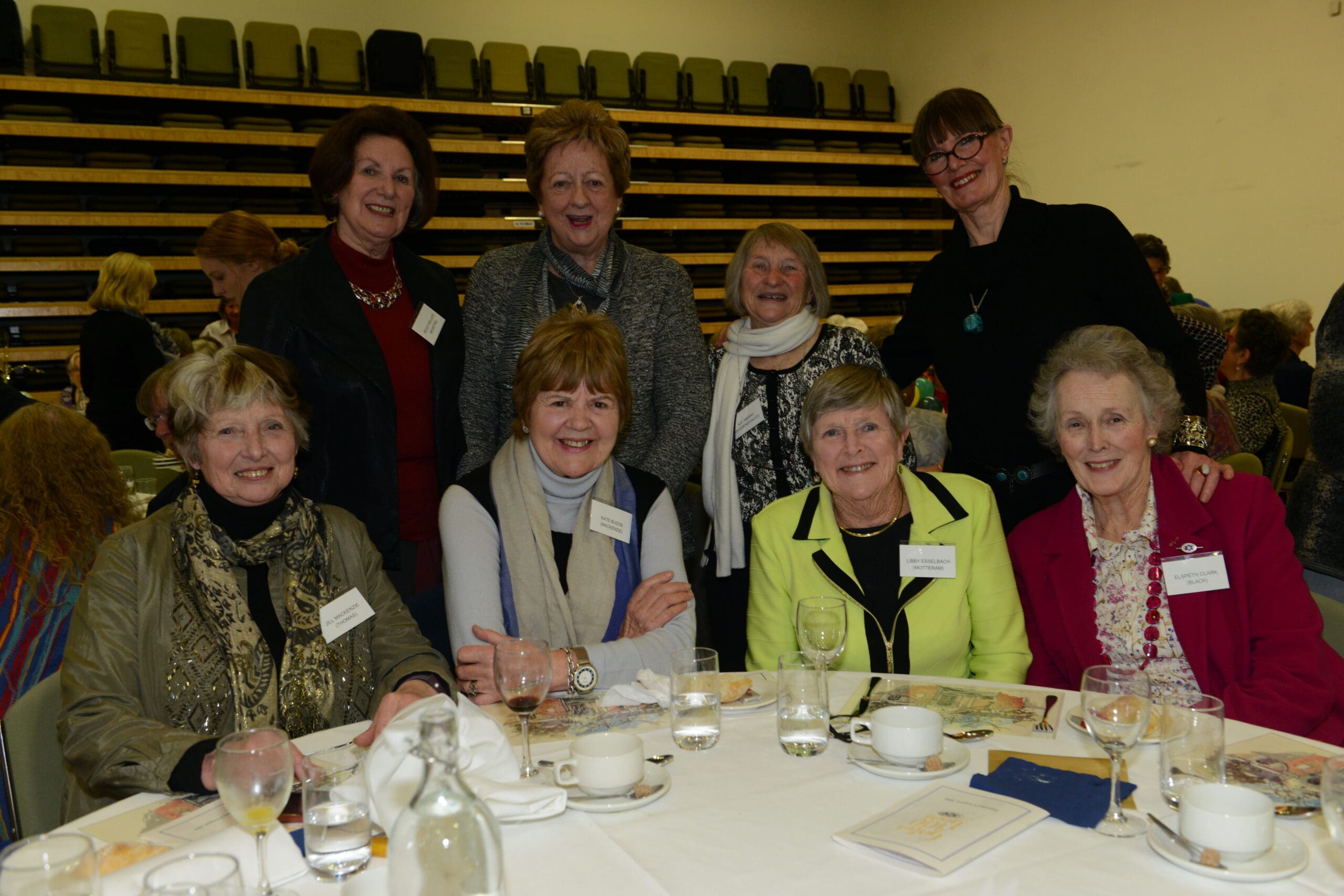
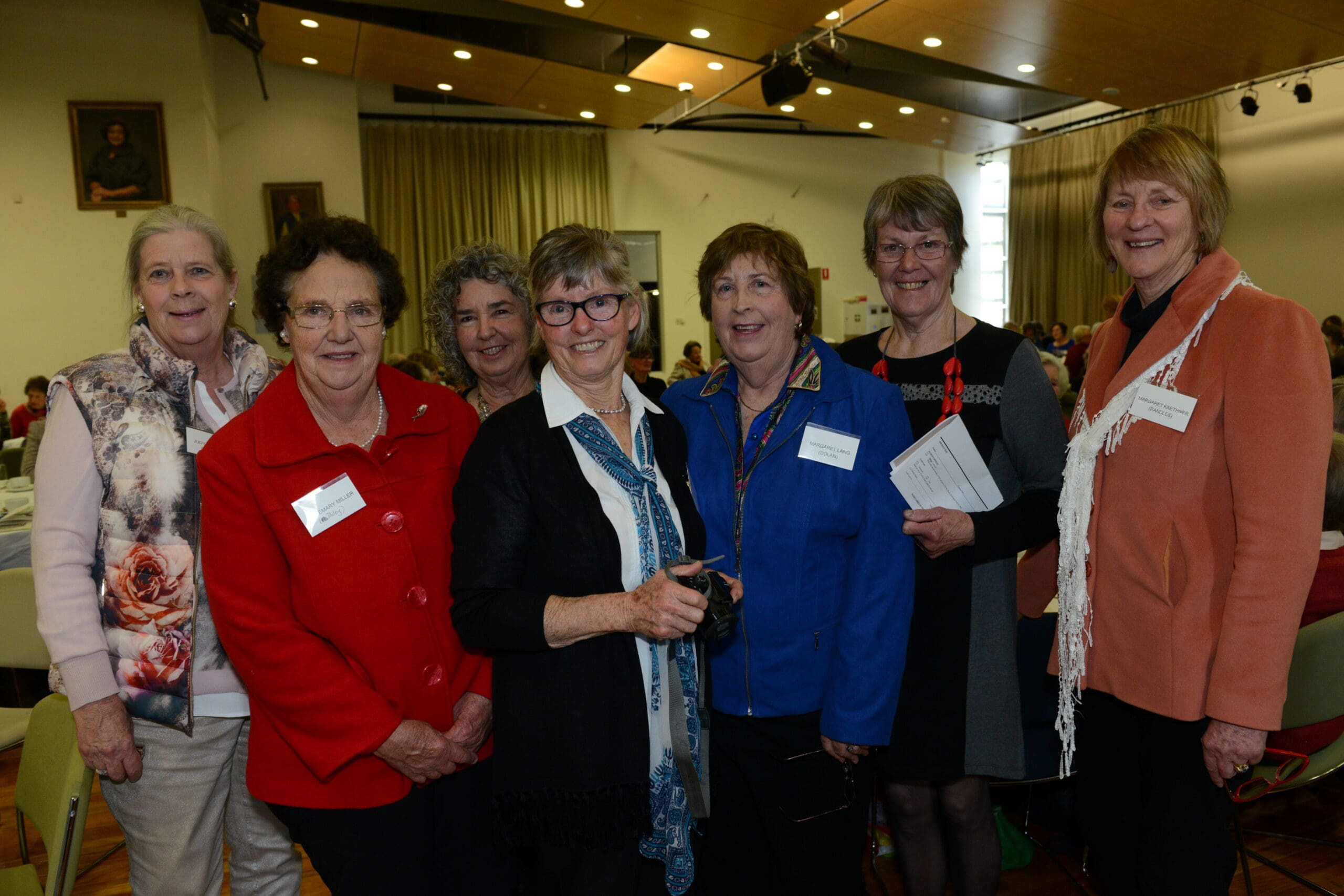

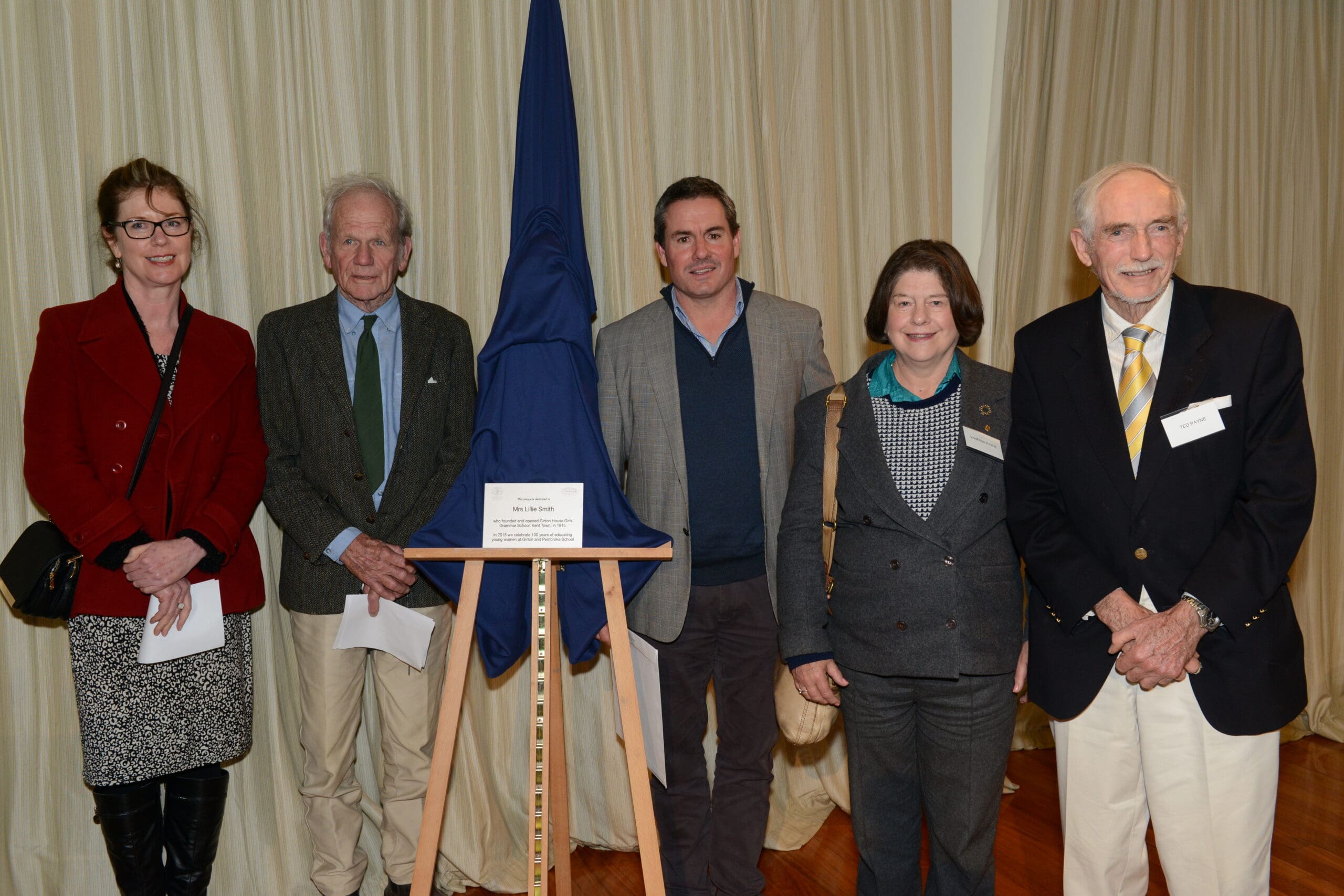


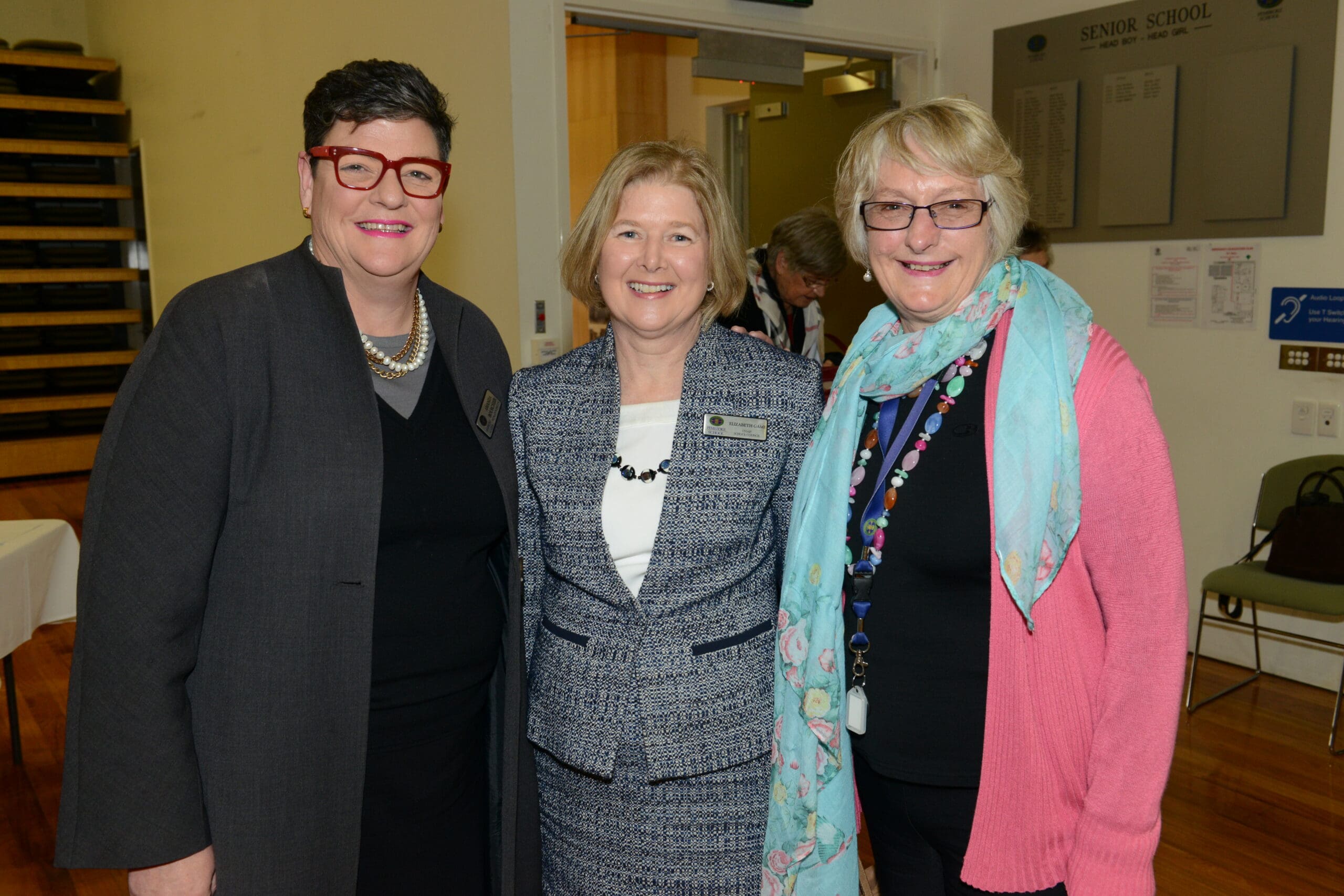
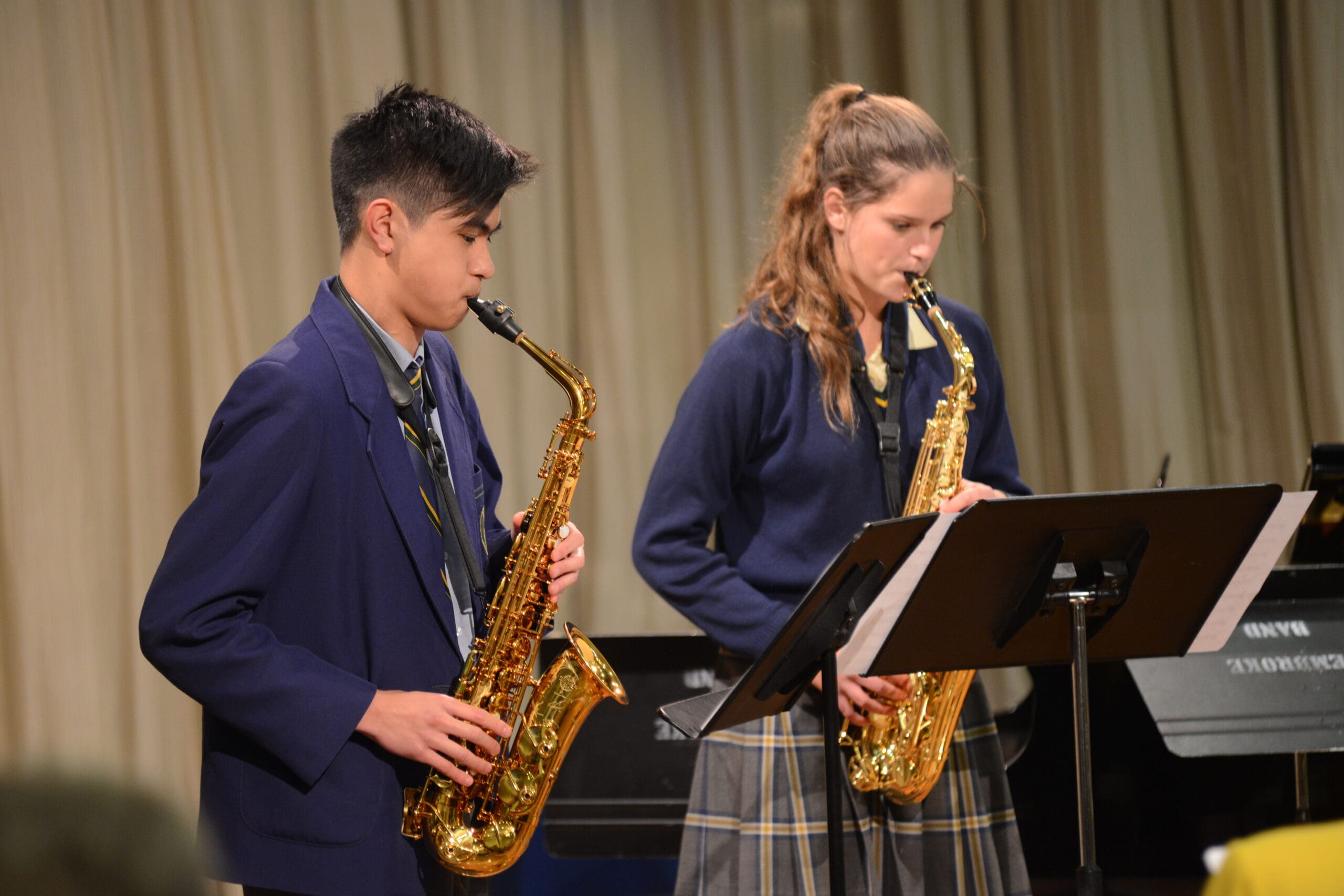
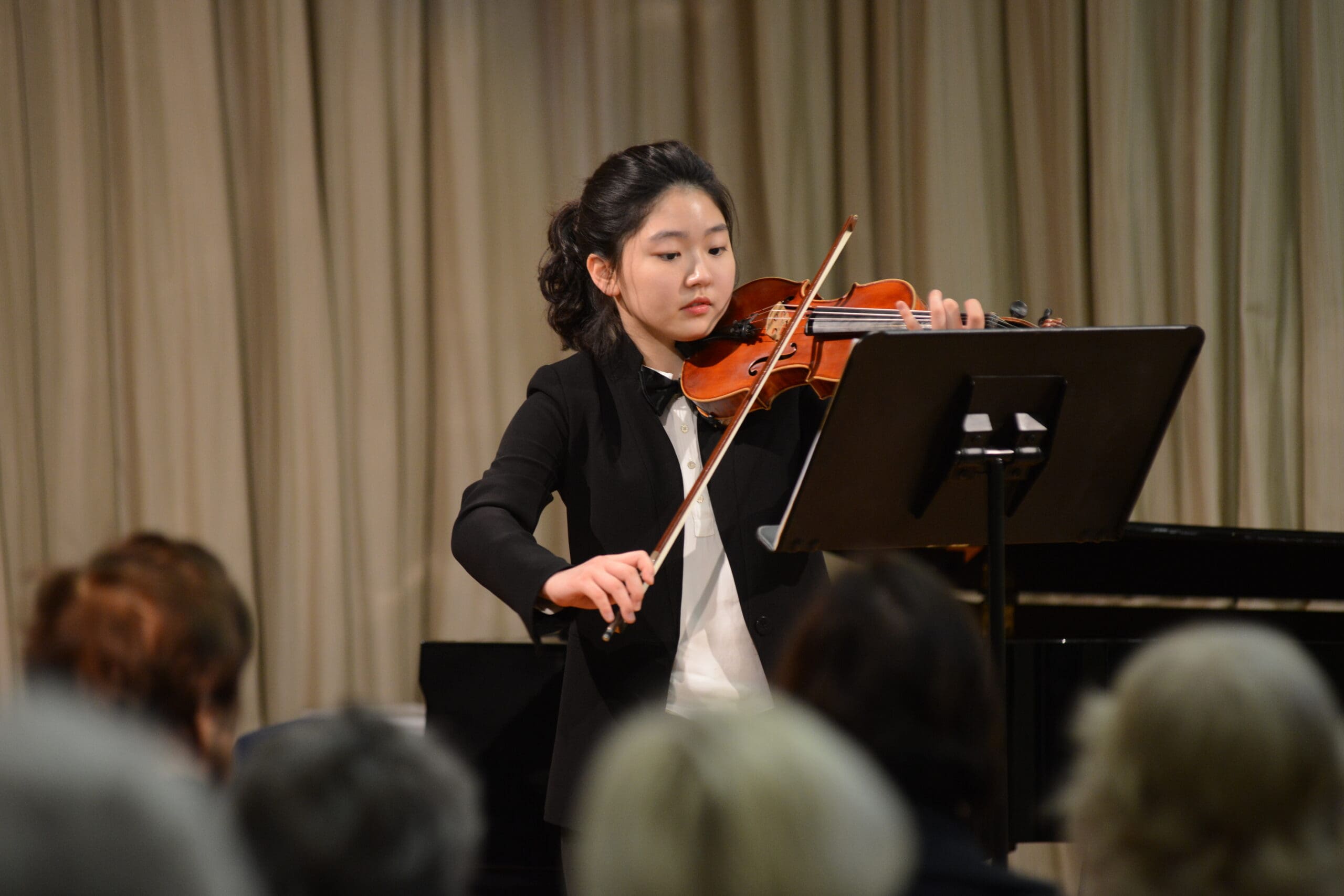
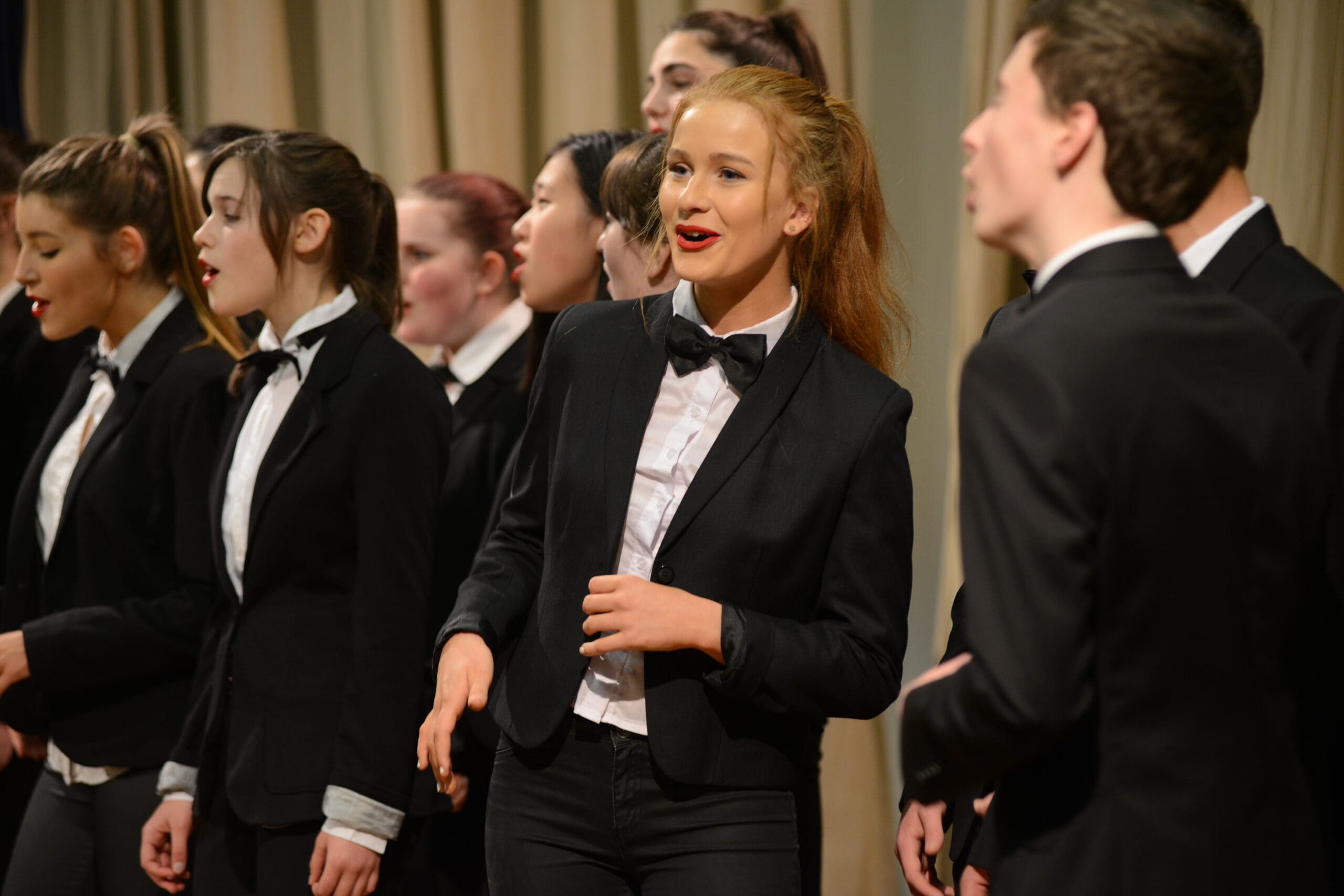
Celebrating 100 Years (2015) – Videos
Campus and Facilities

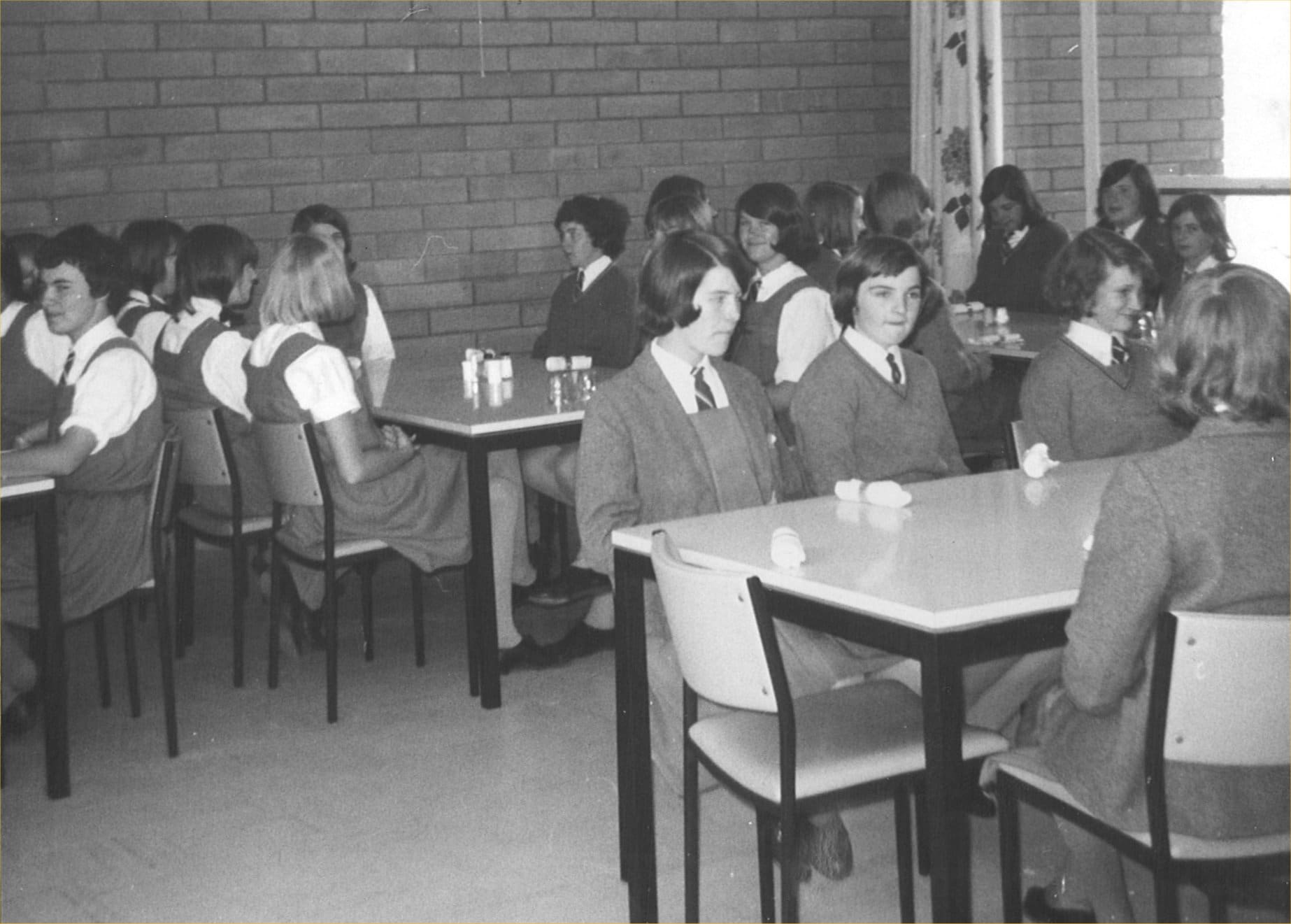
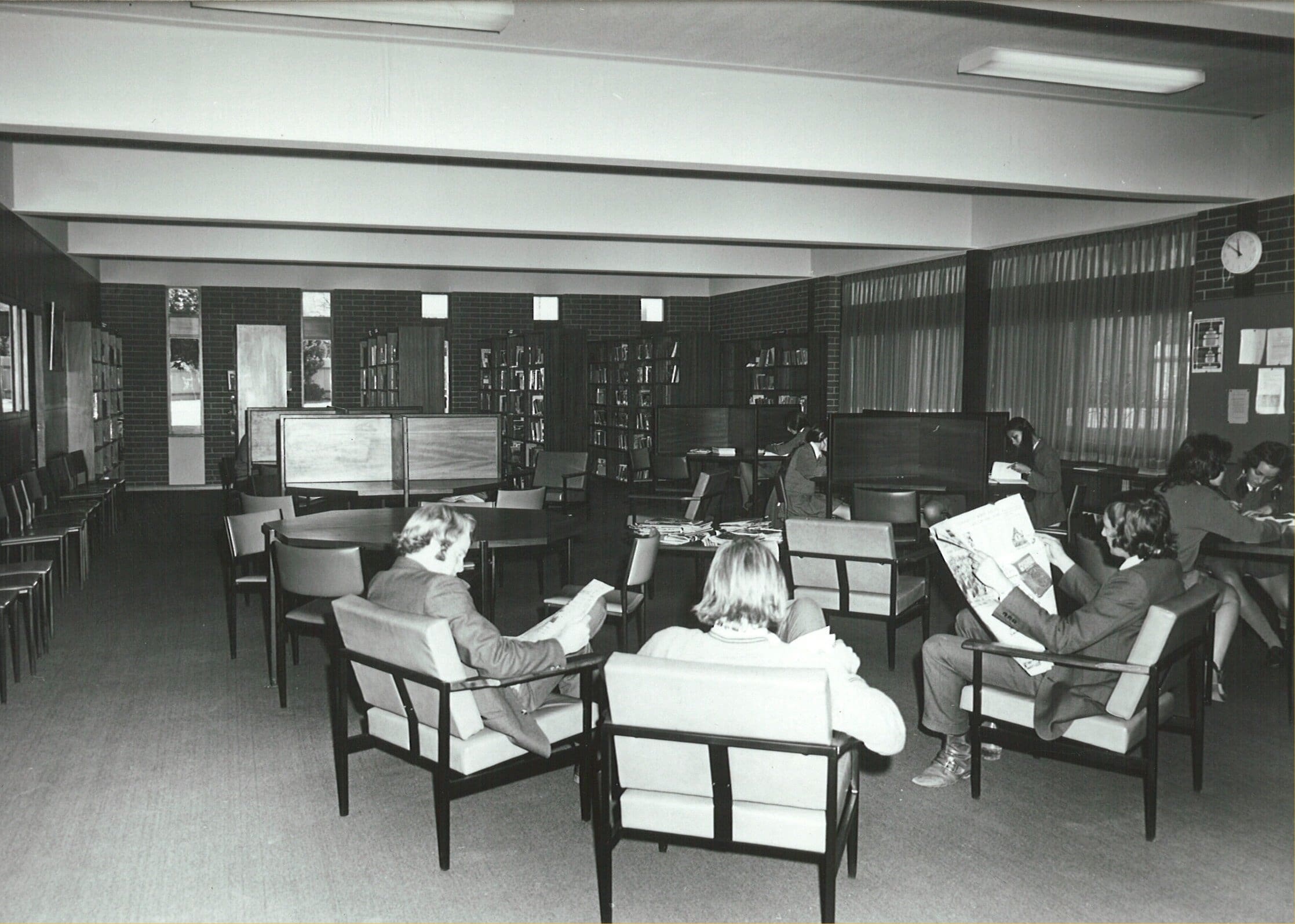
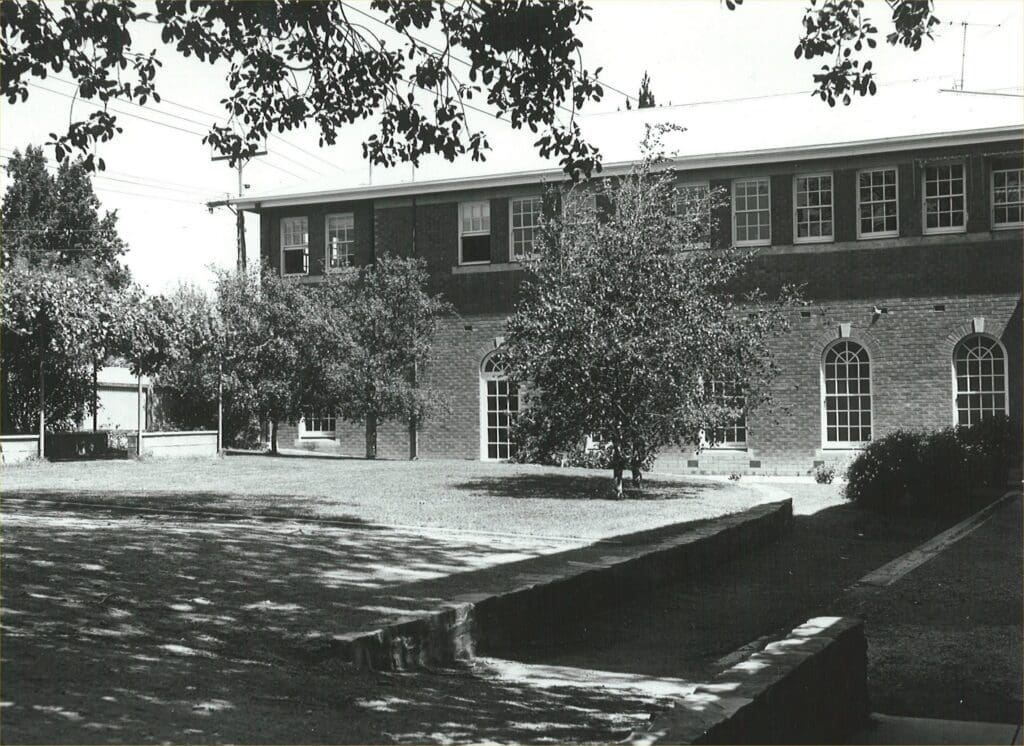
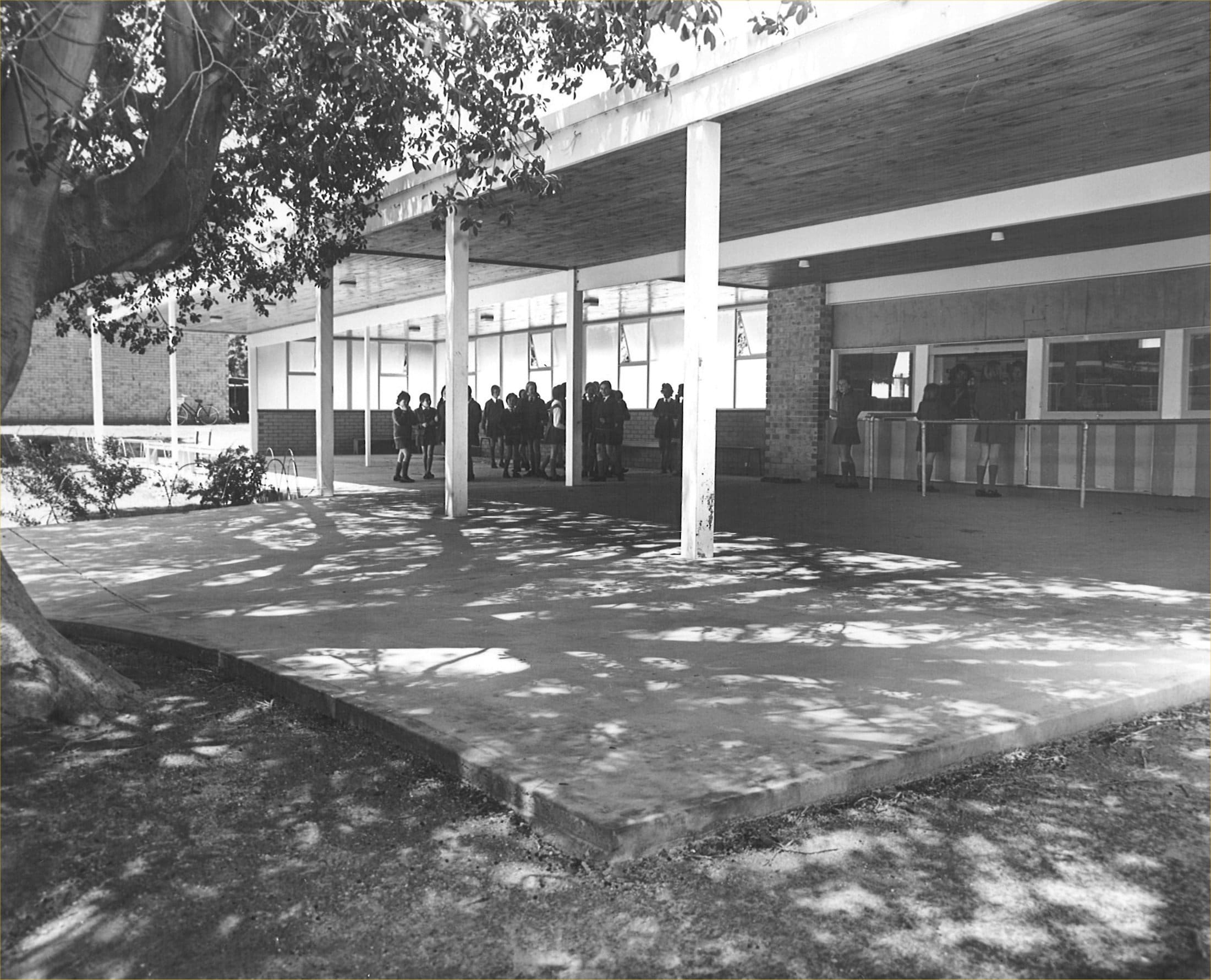
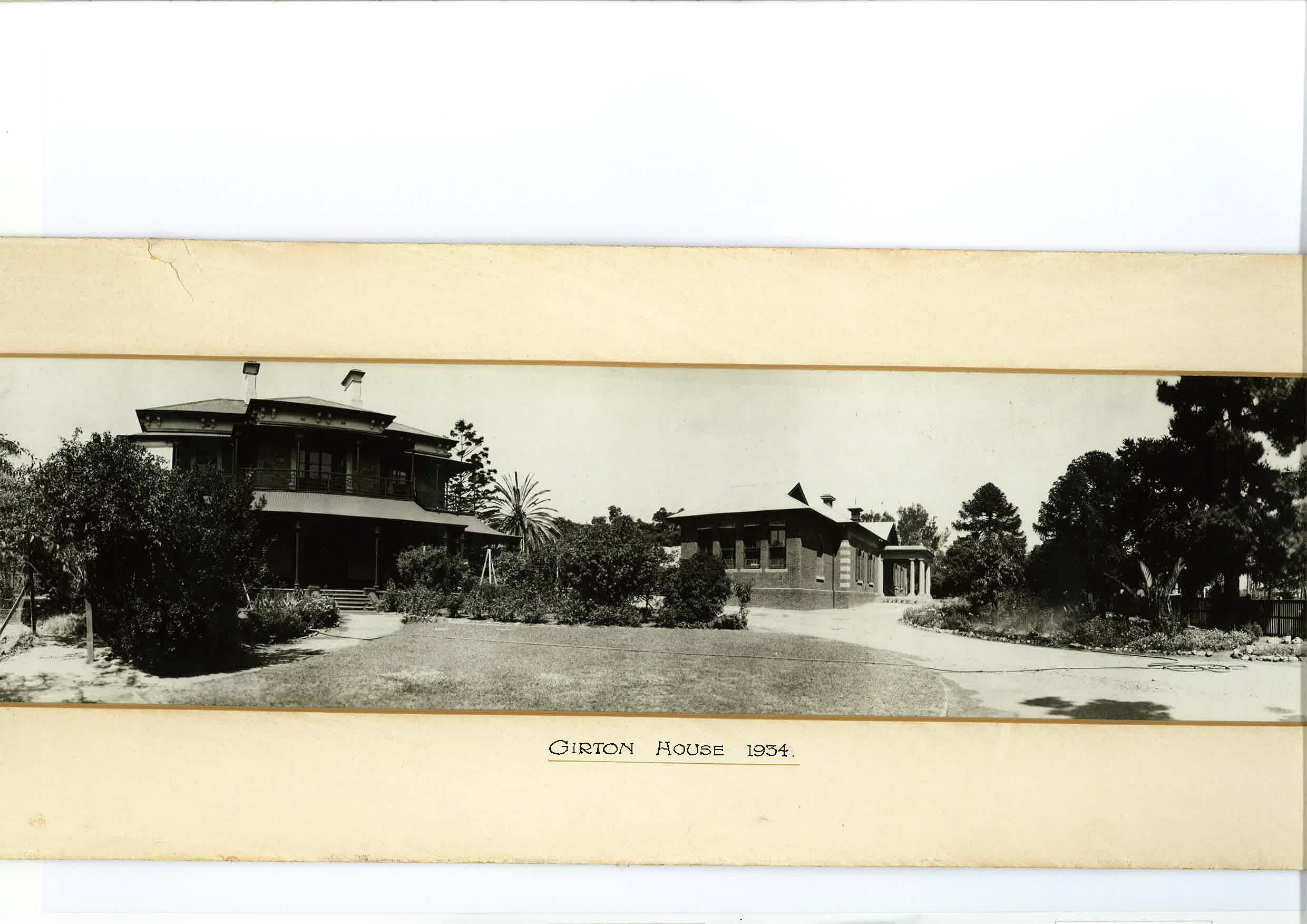
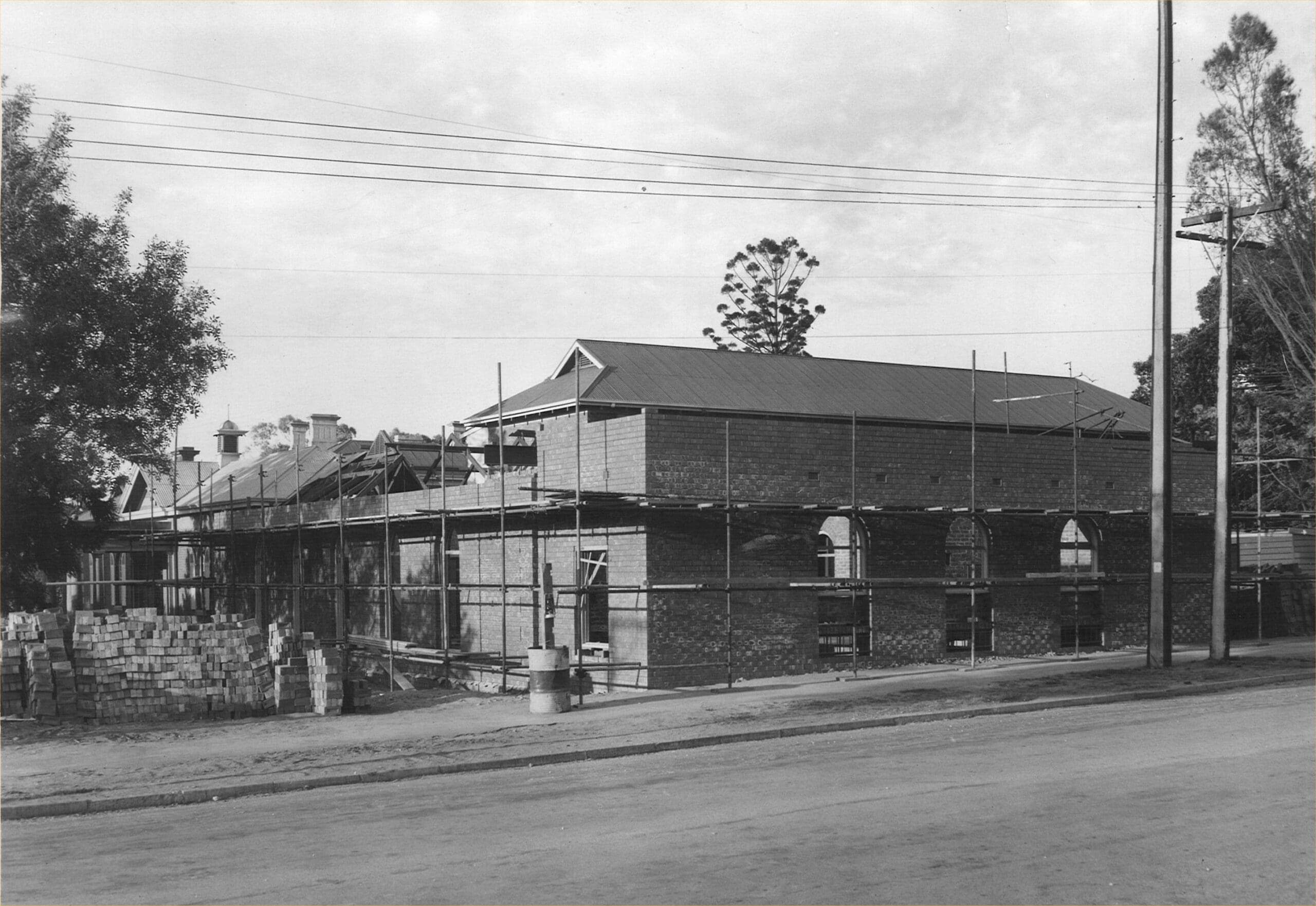
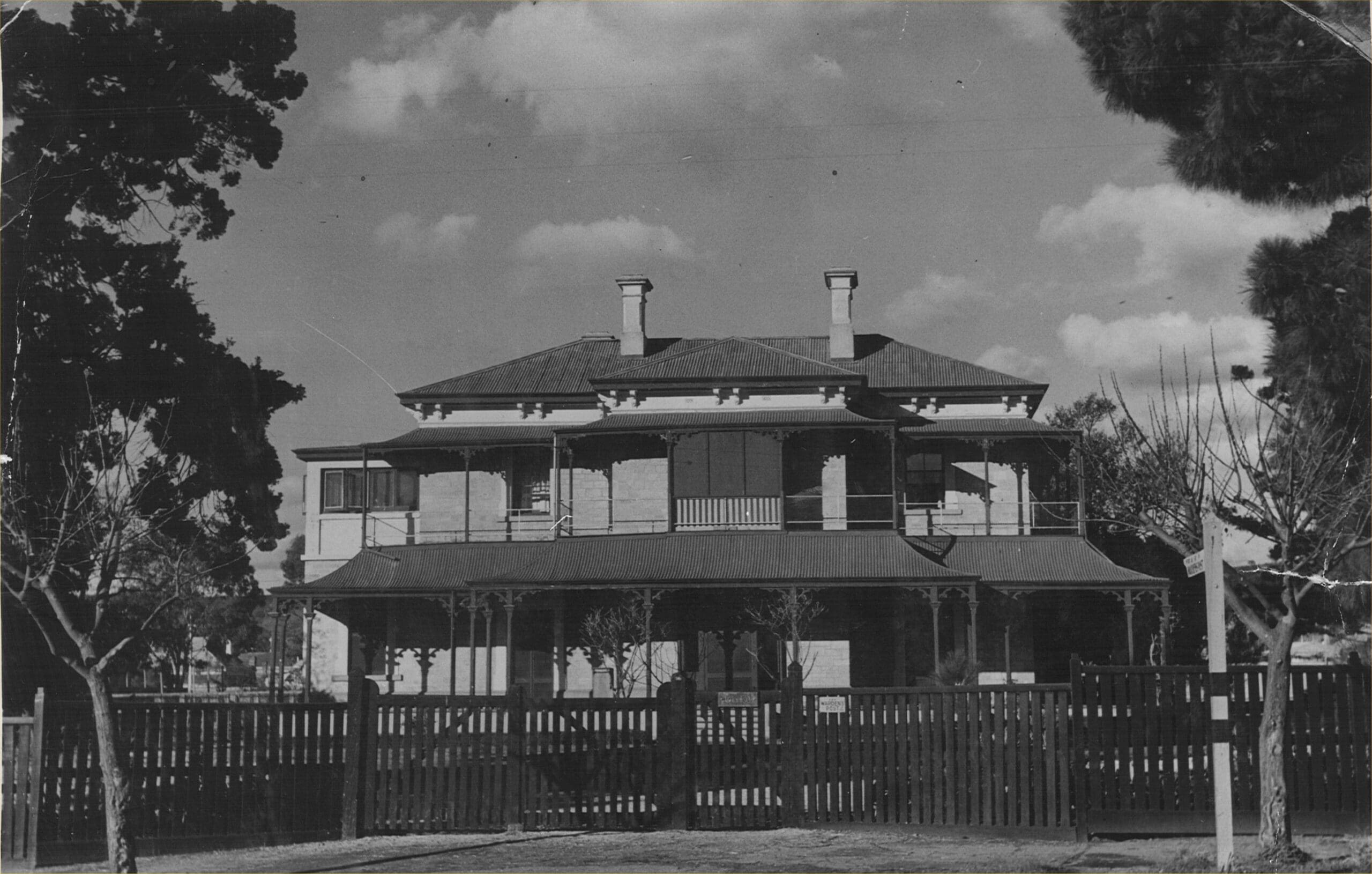
Student Classes
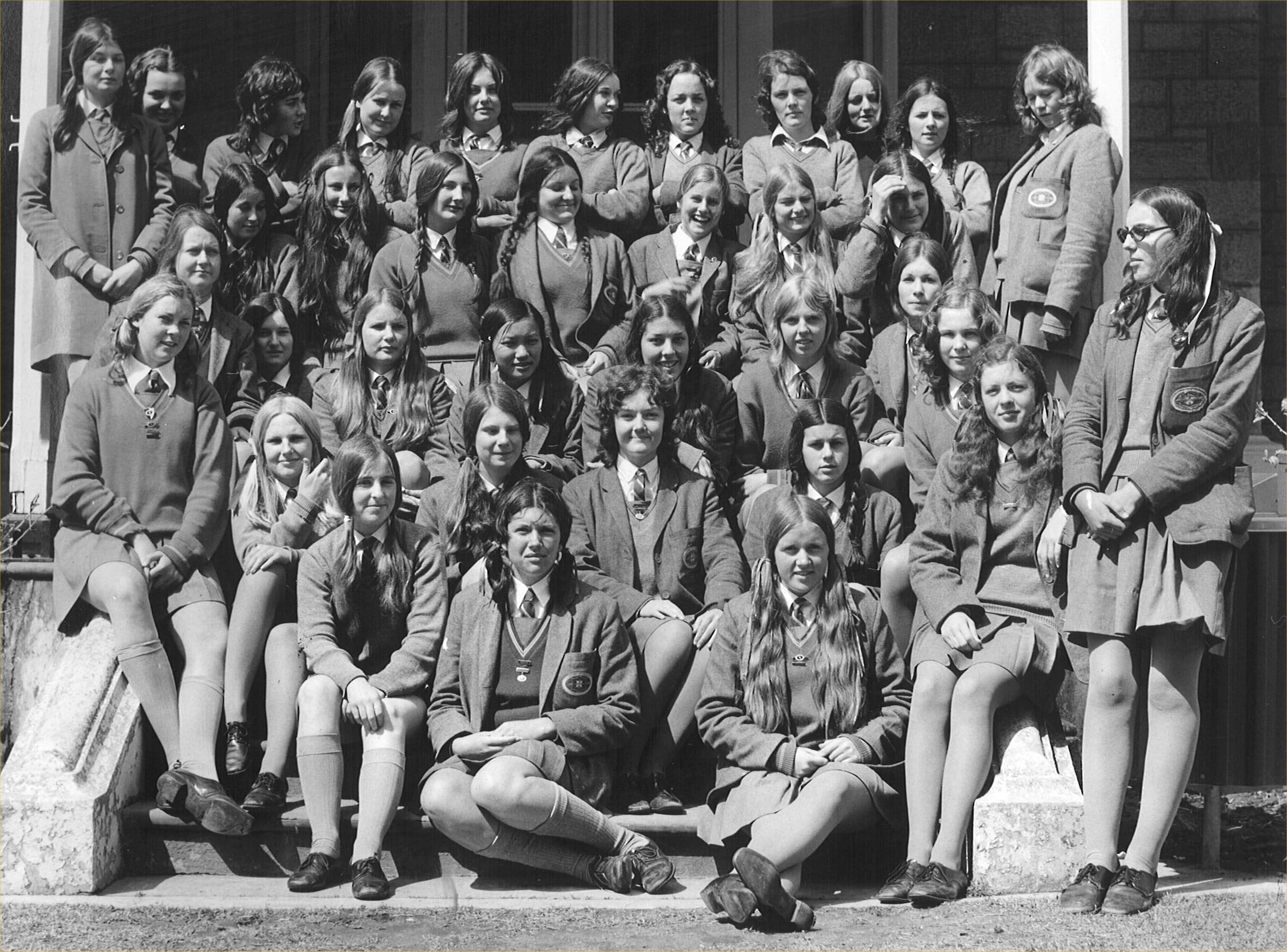
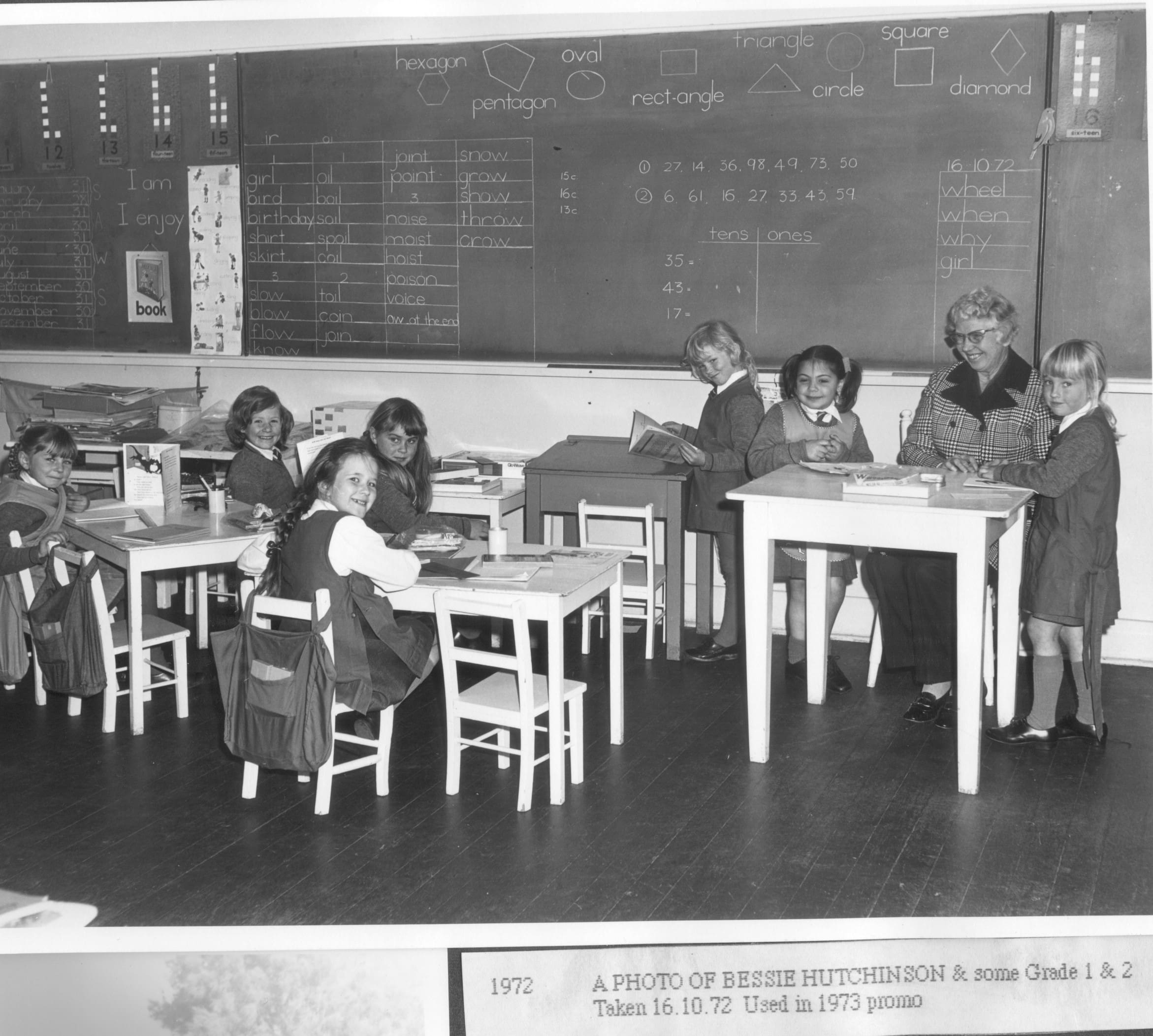

Sports and Other Co-Curricular



Staff
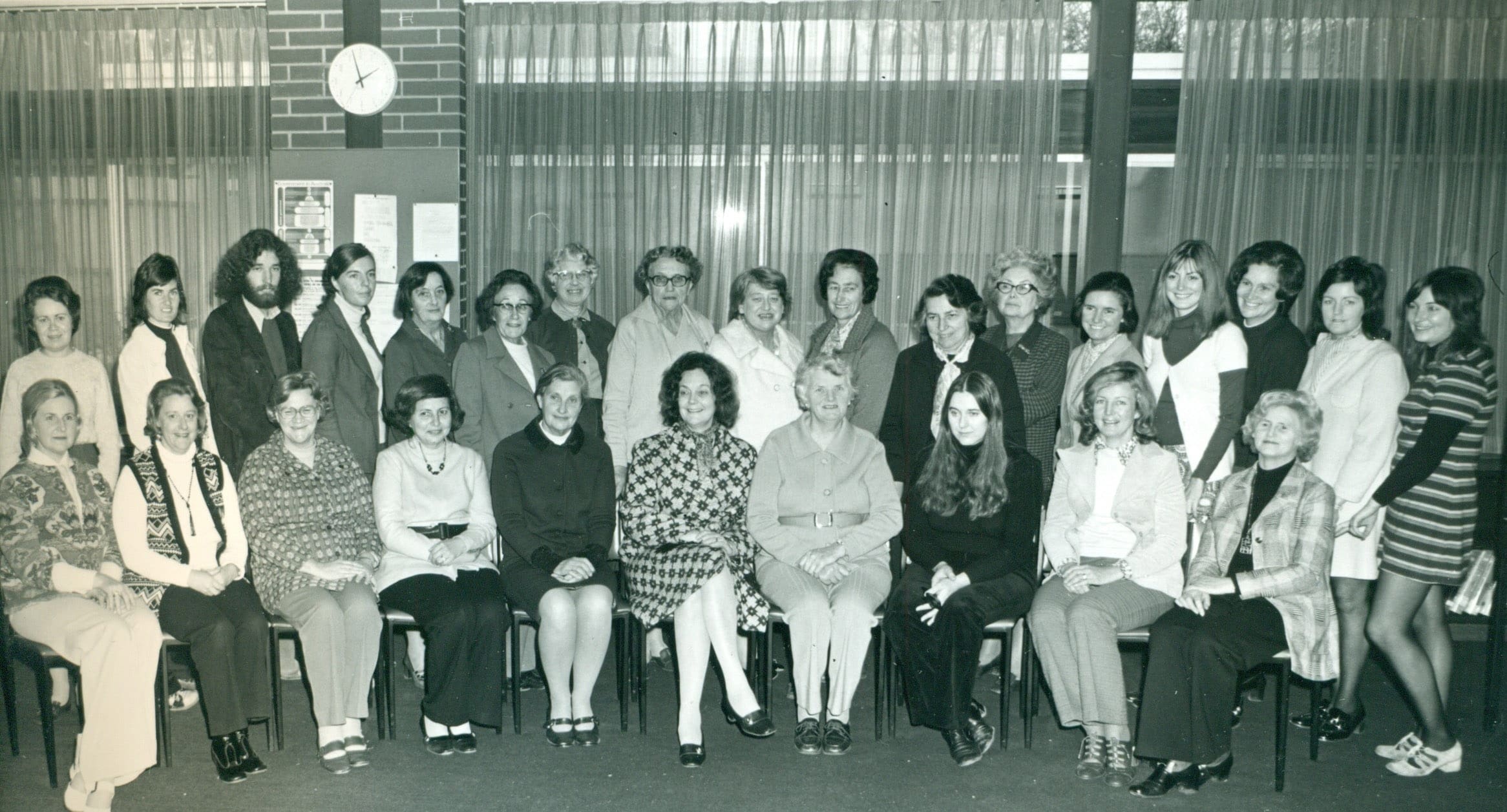
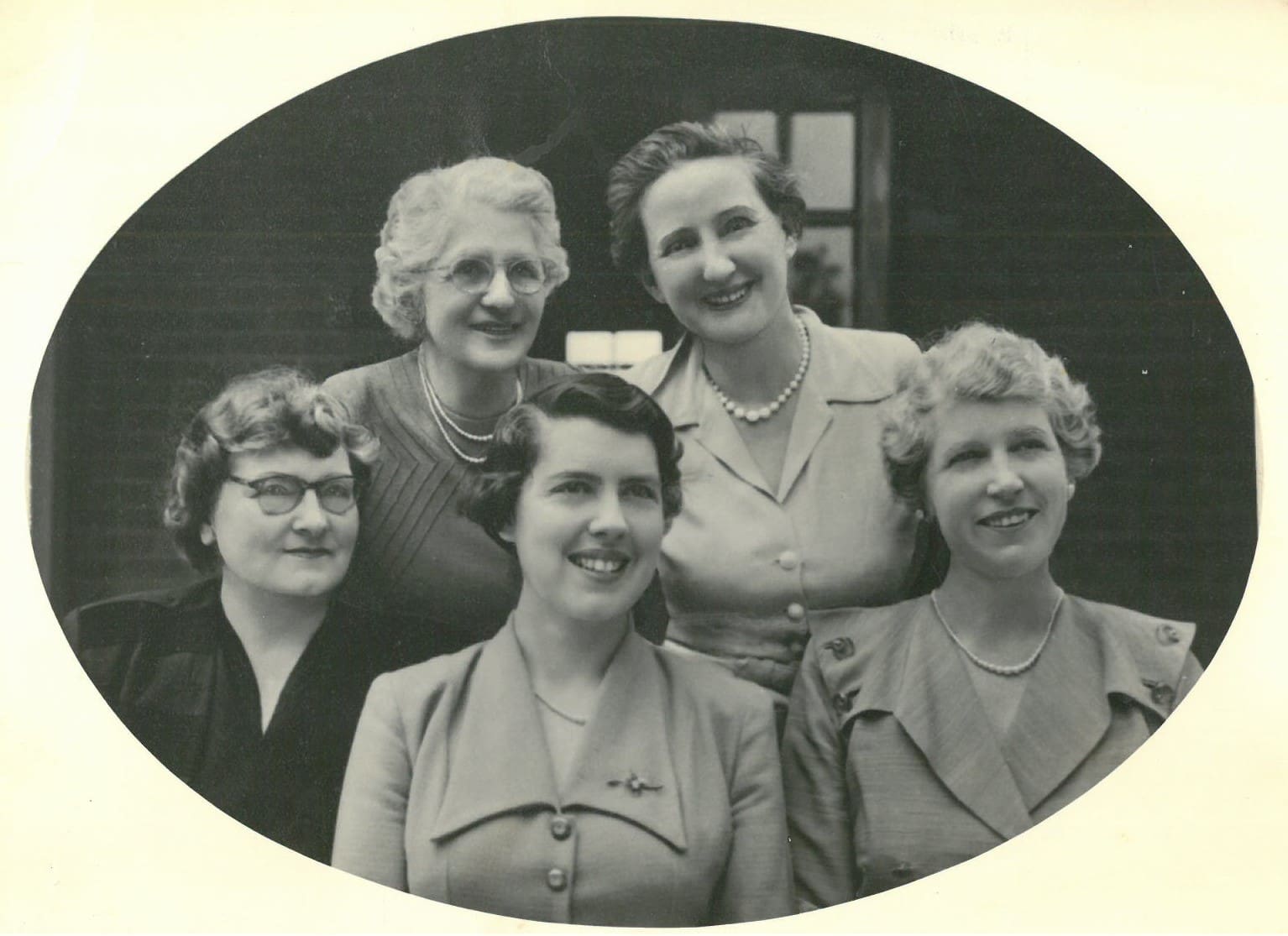
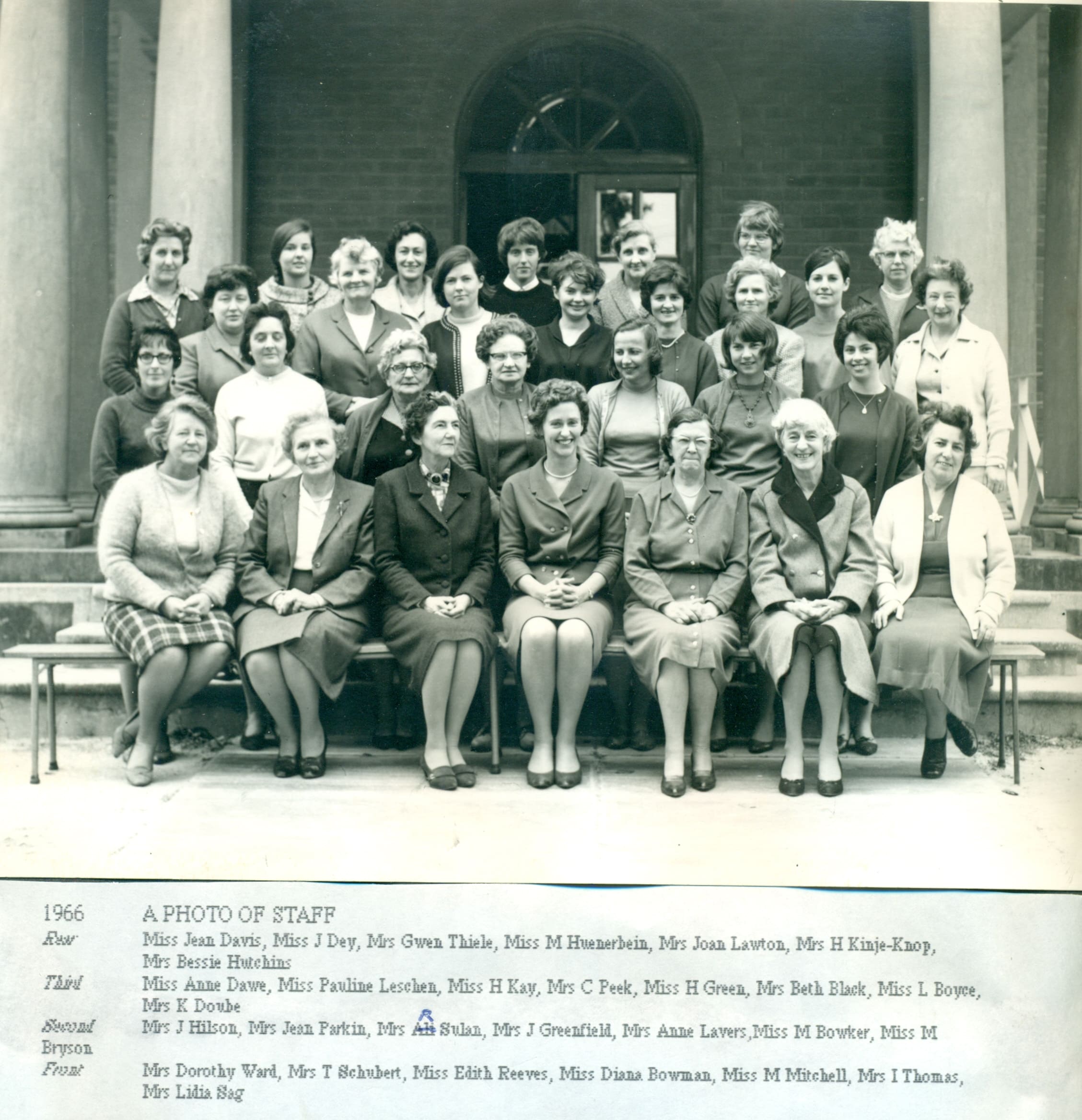

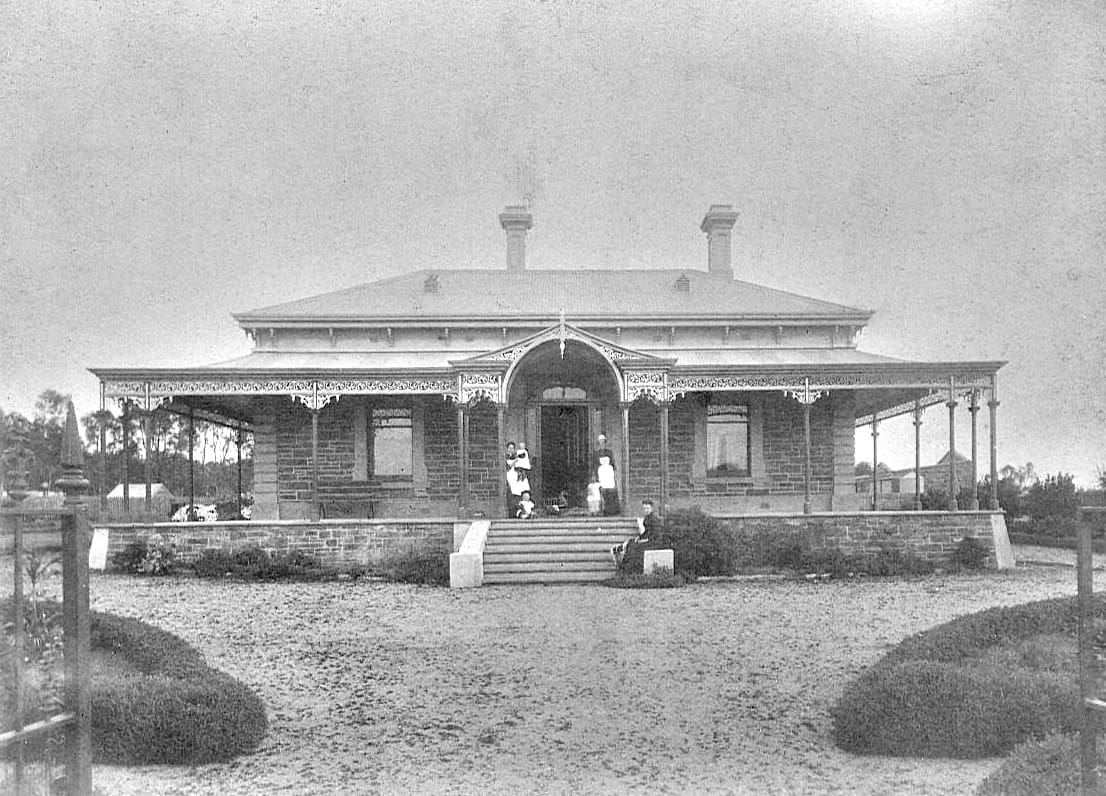

Archives Gallery
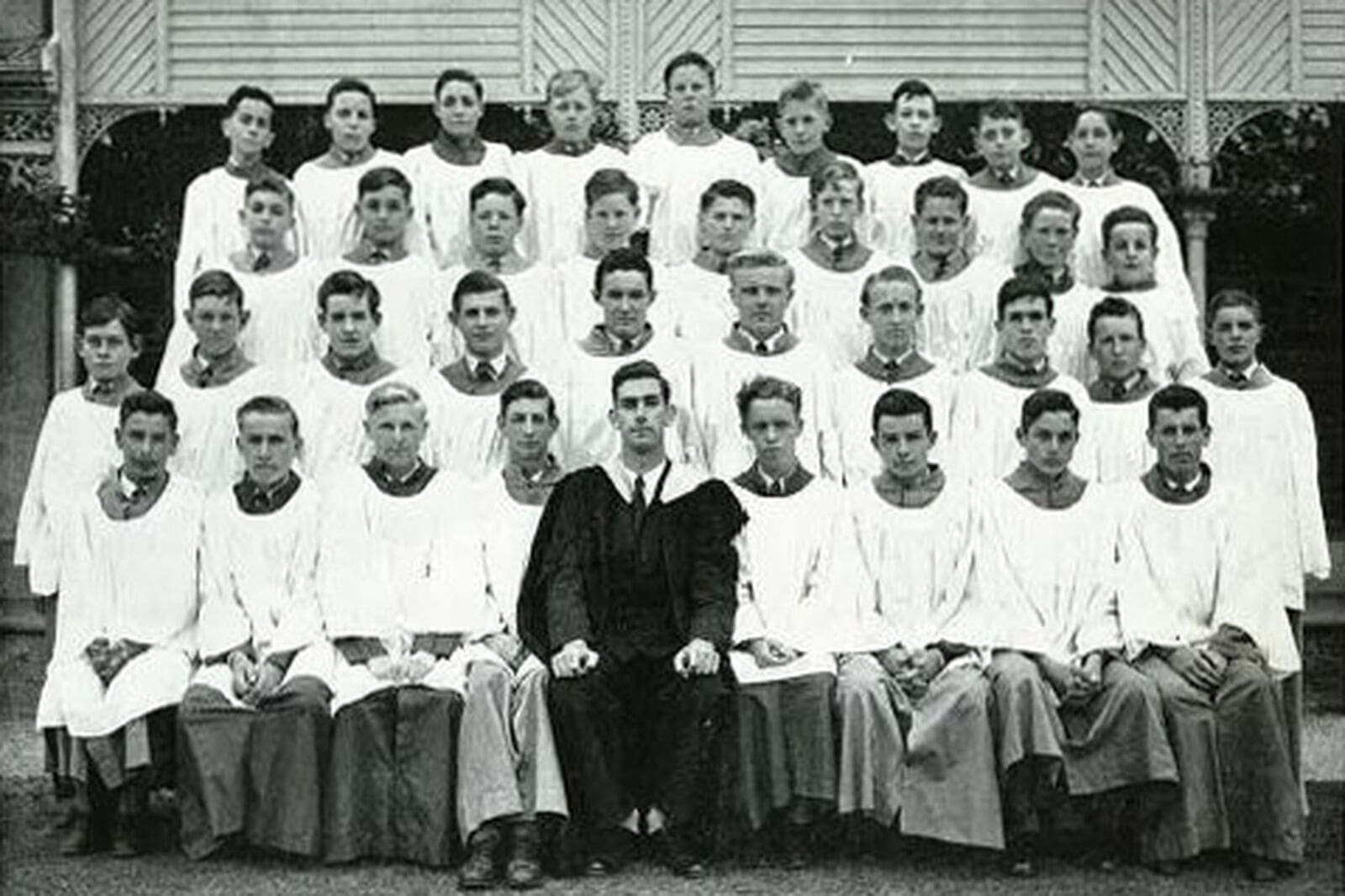
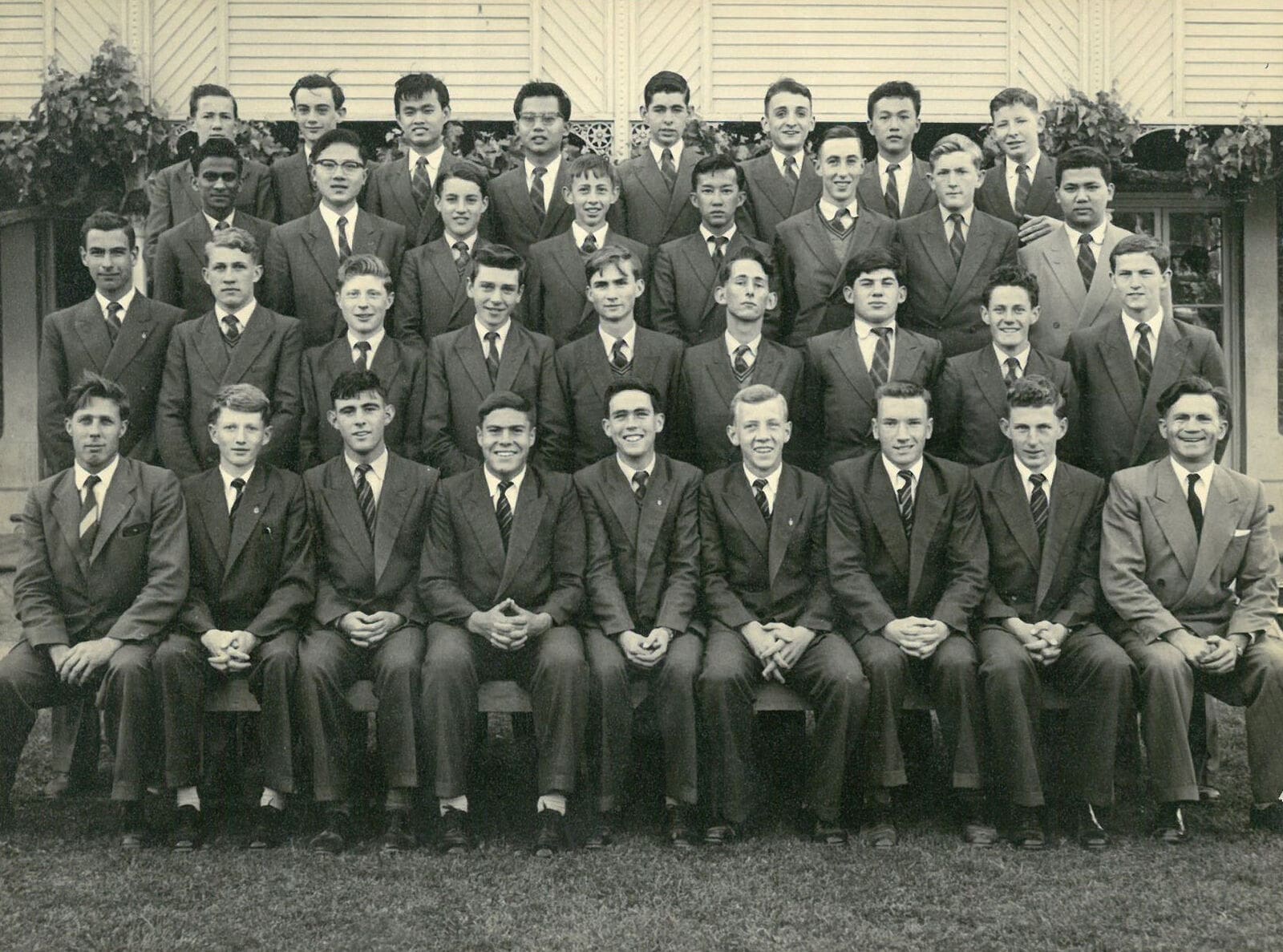
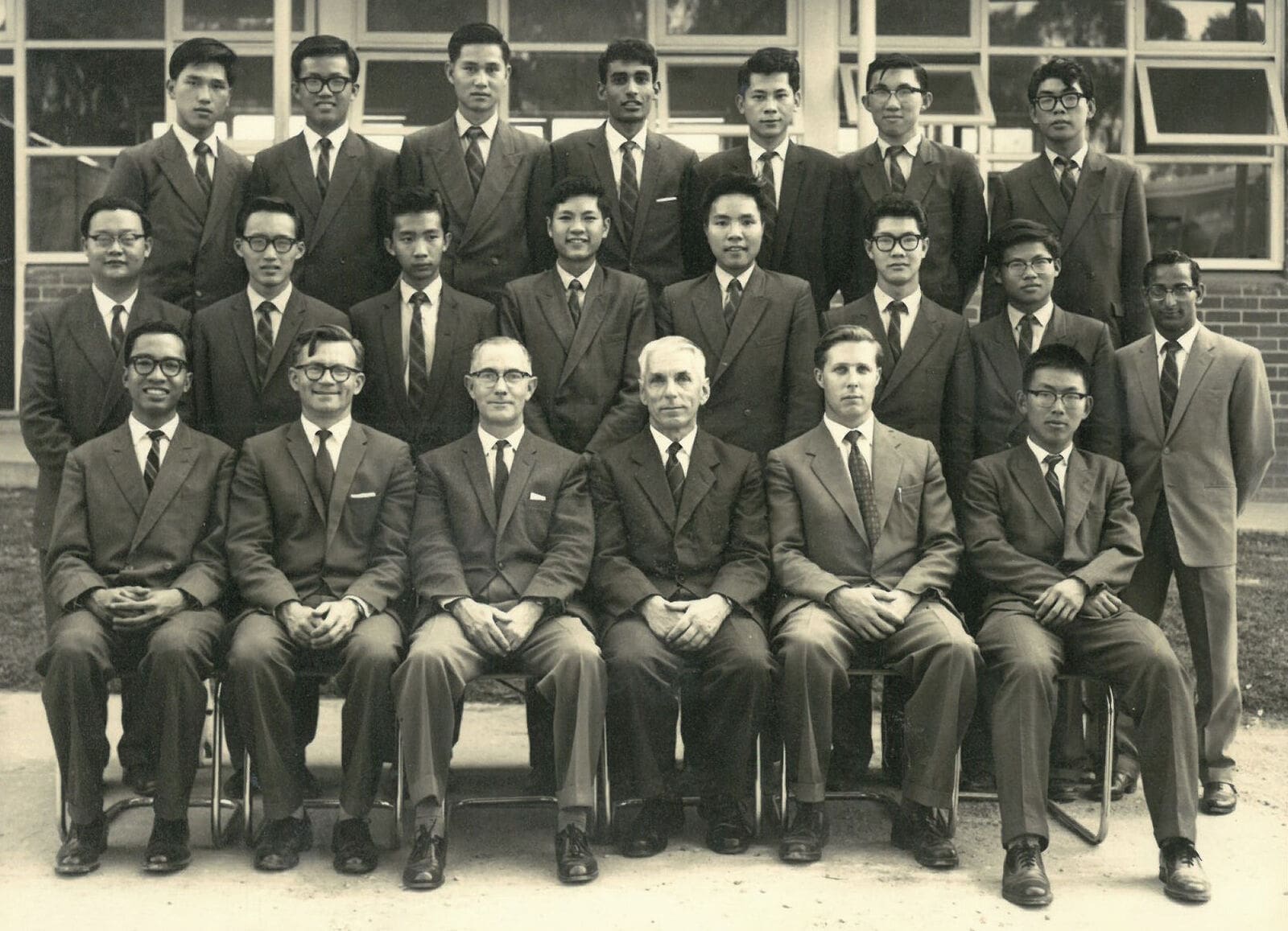
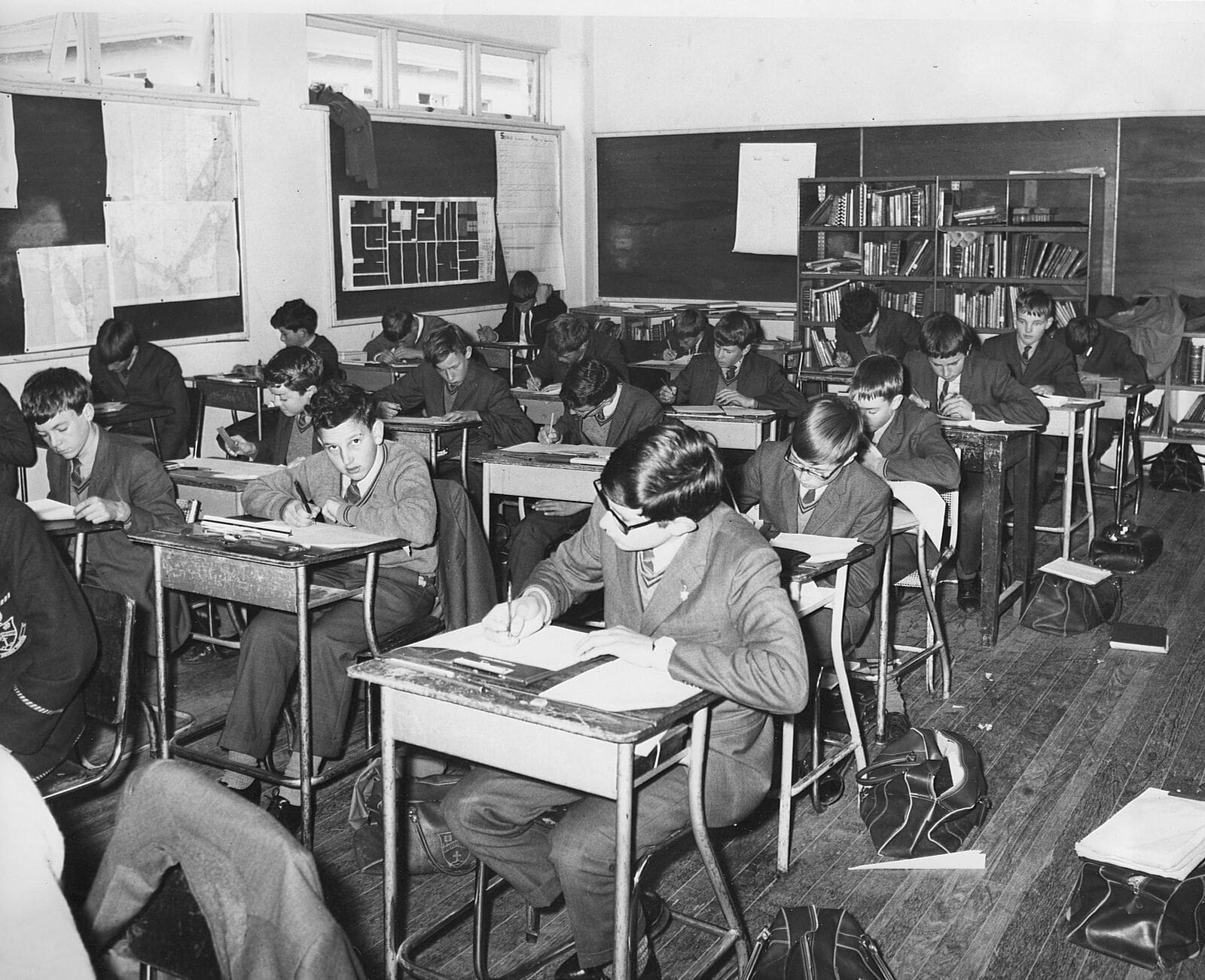
King’s College
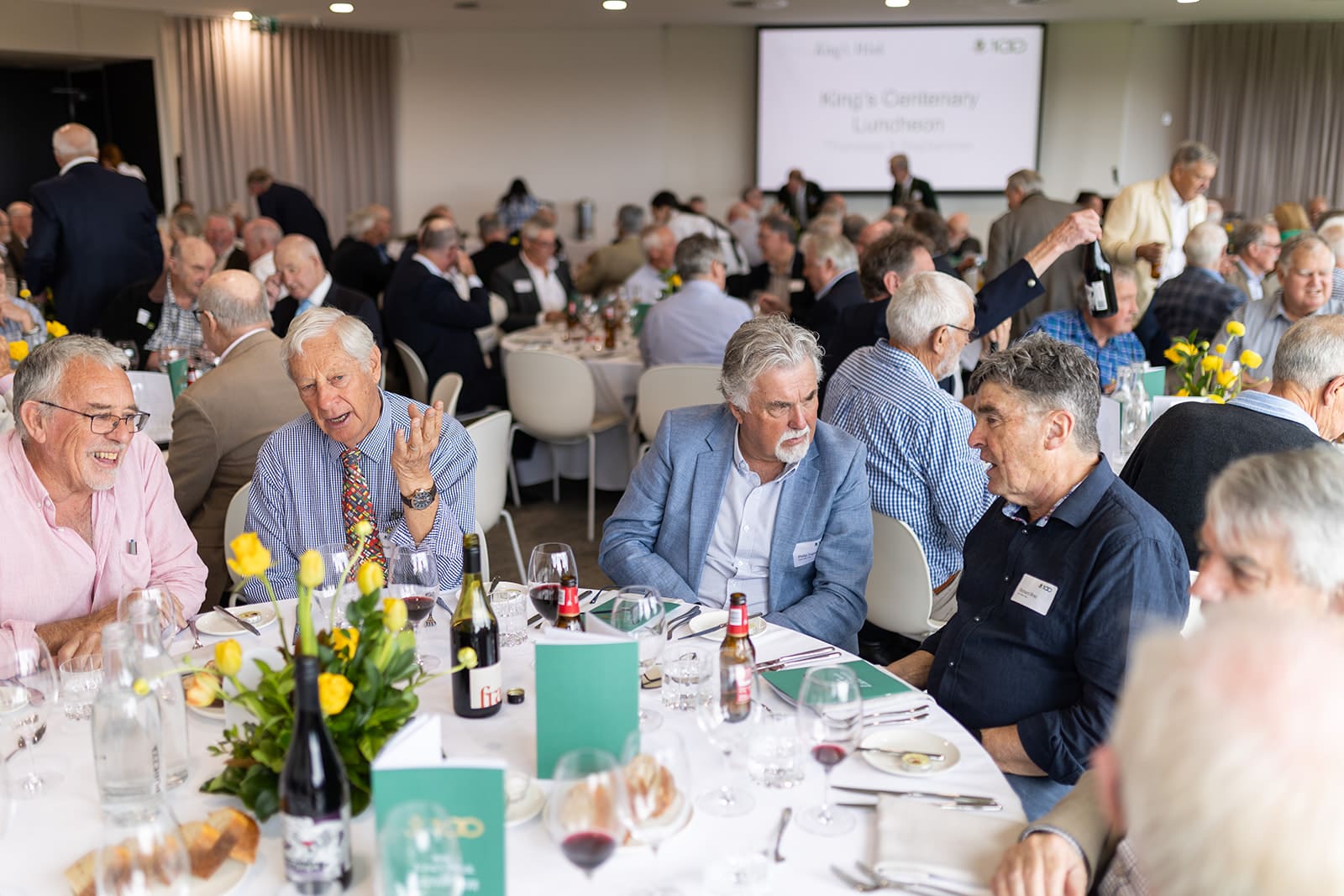
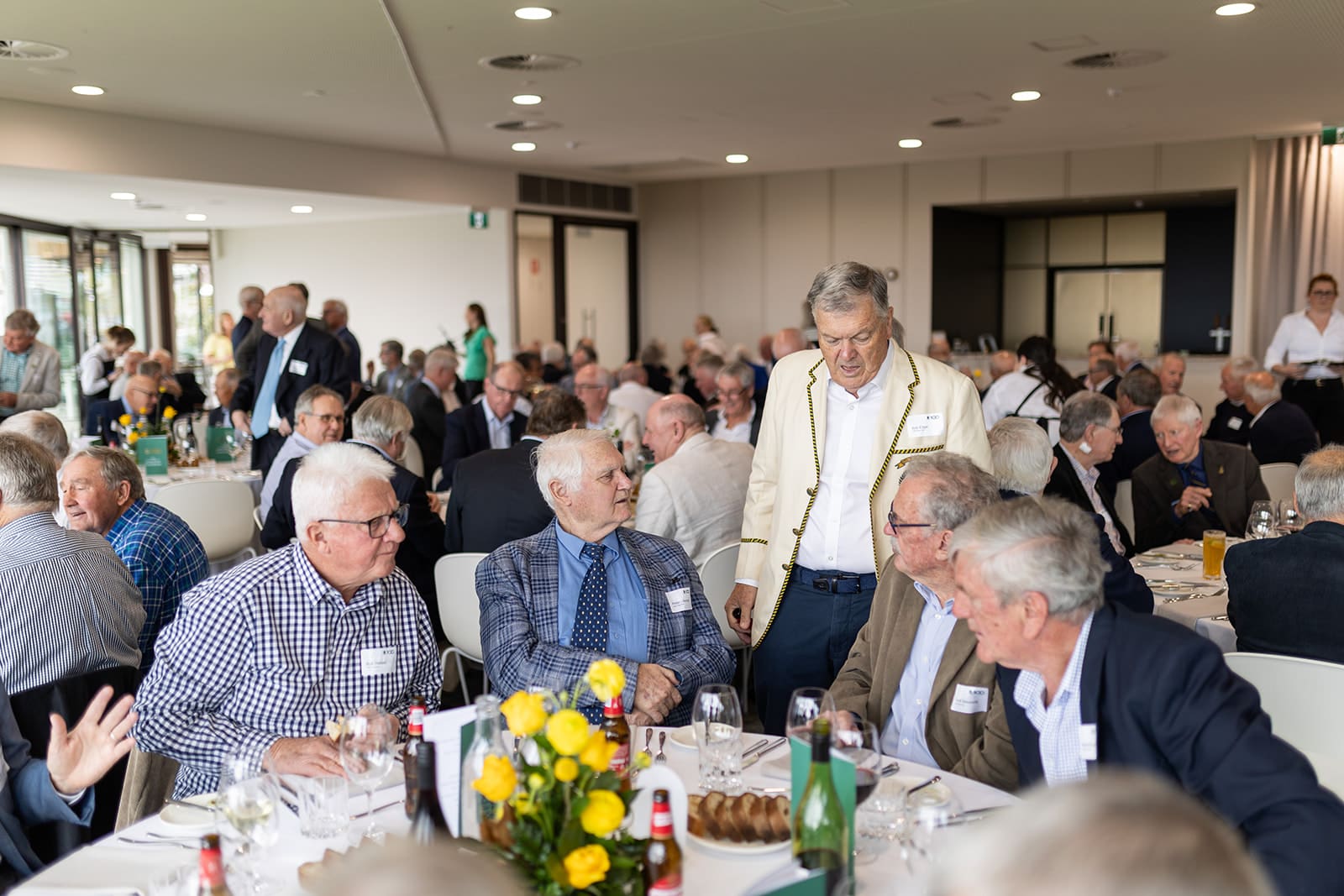
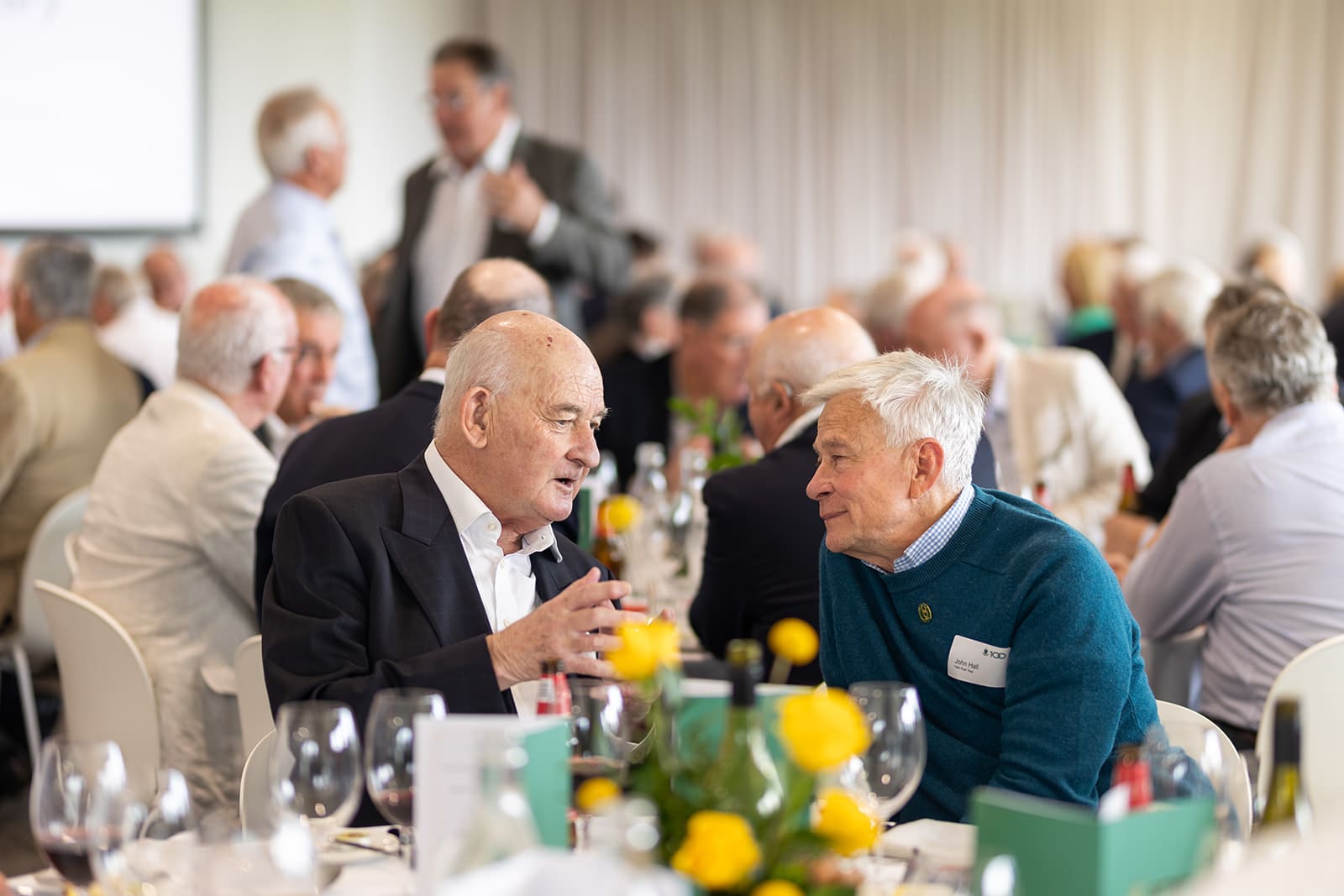
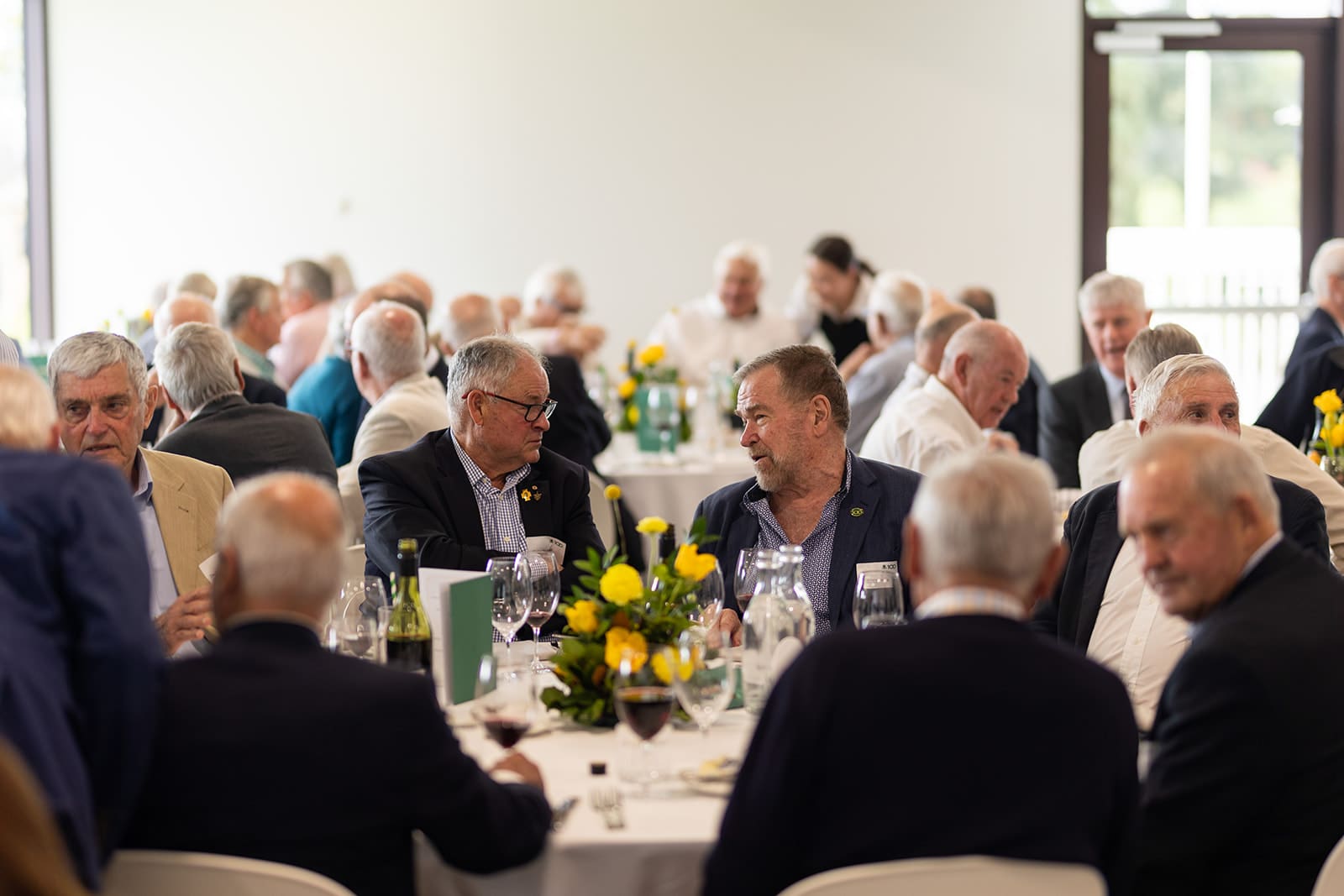
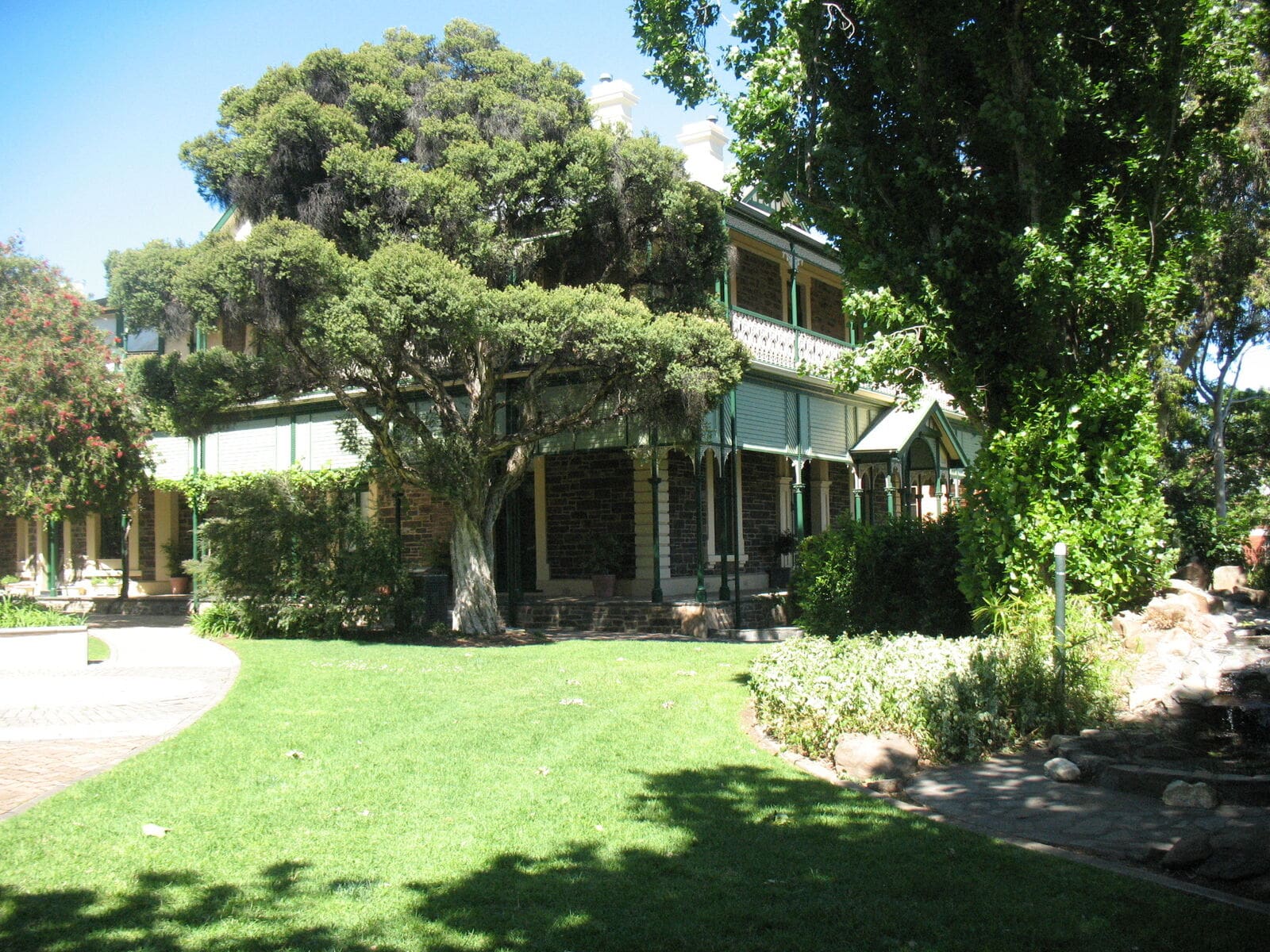
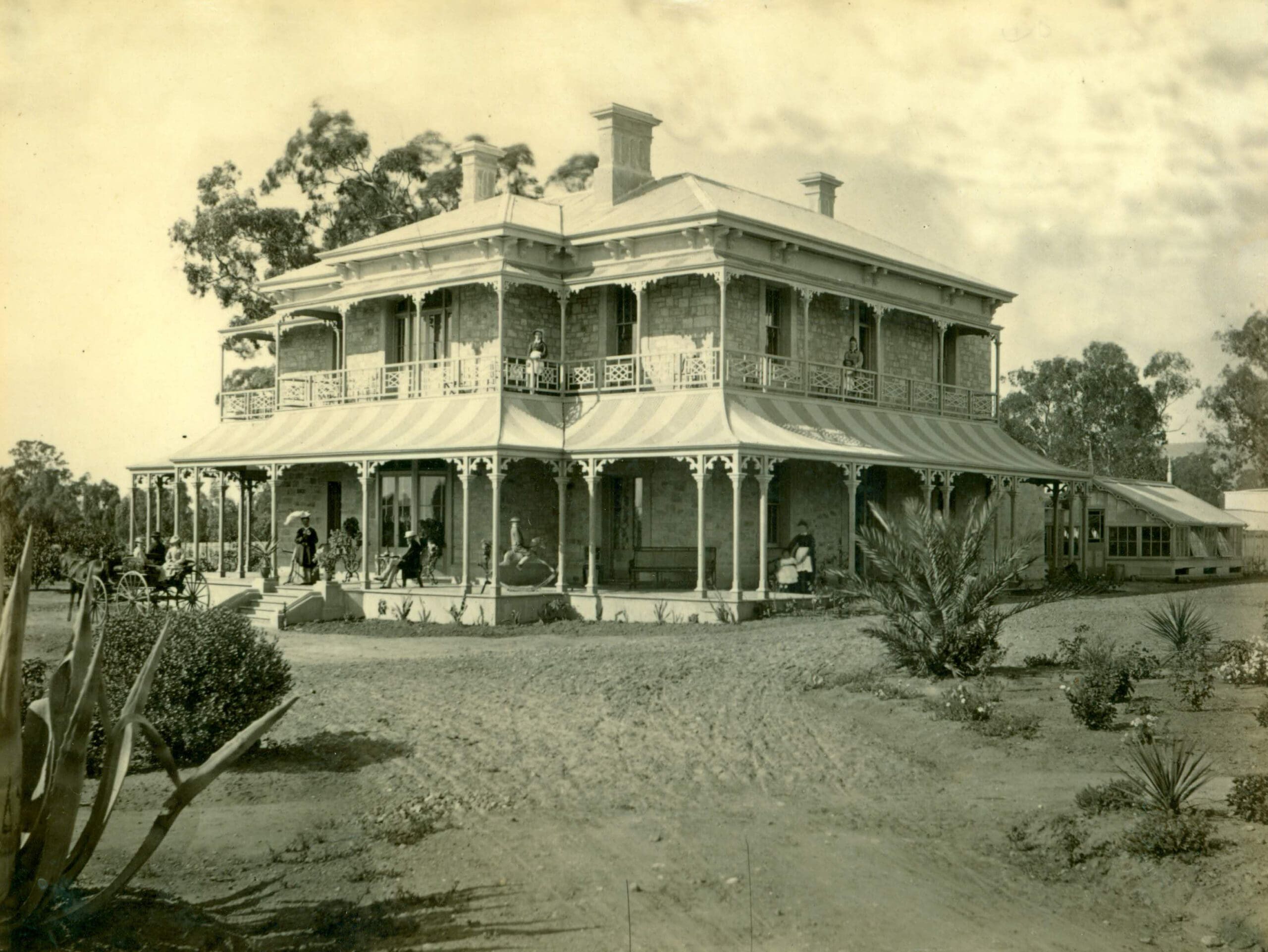
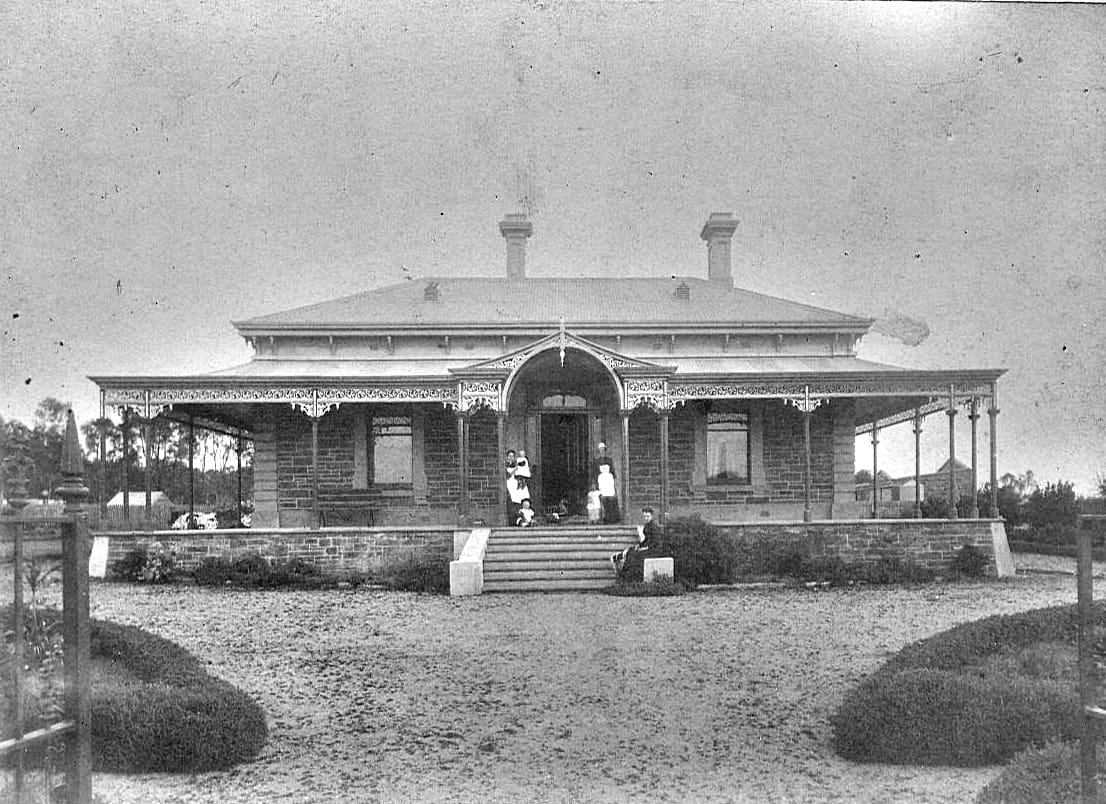
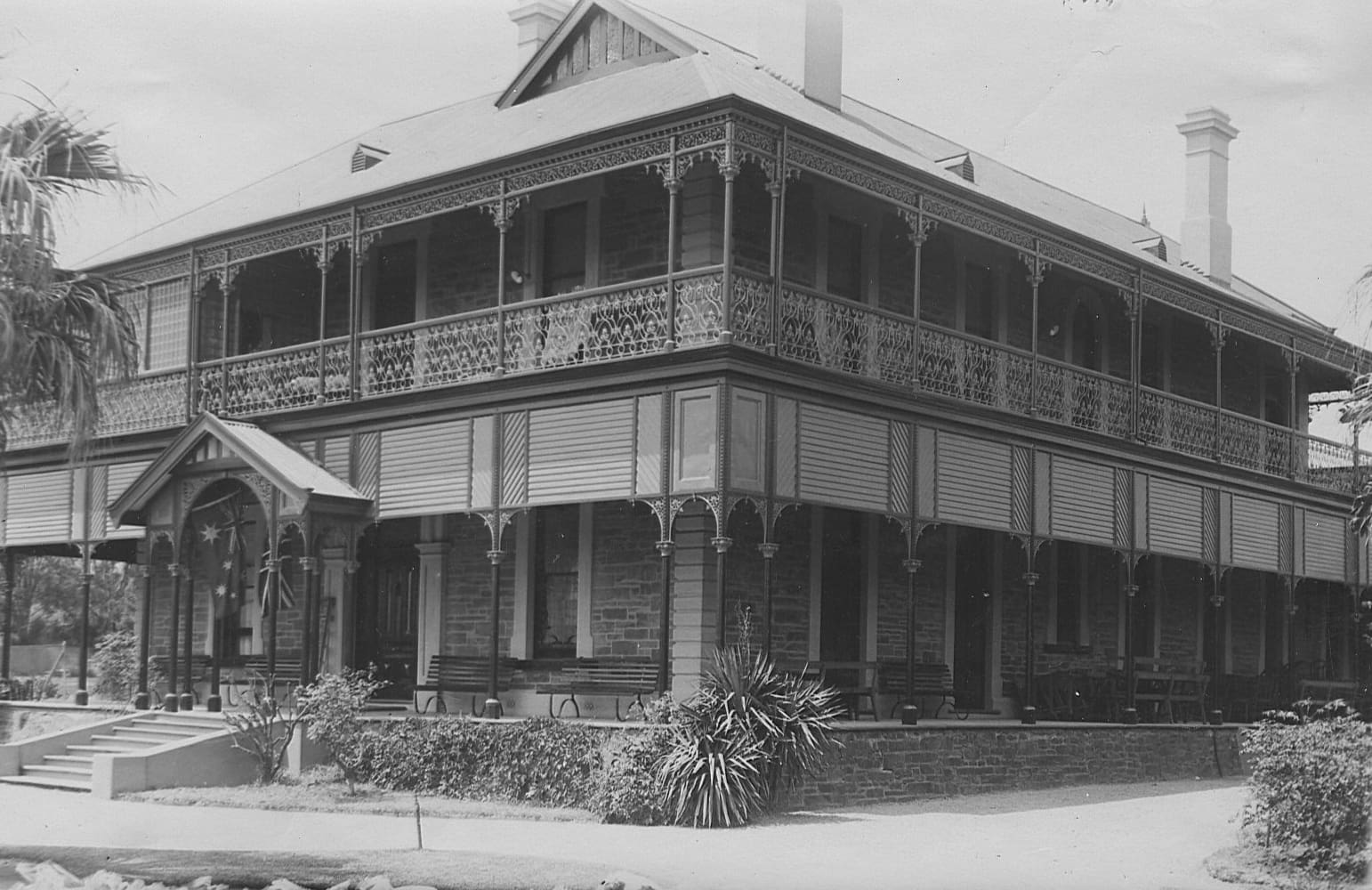
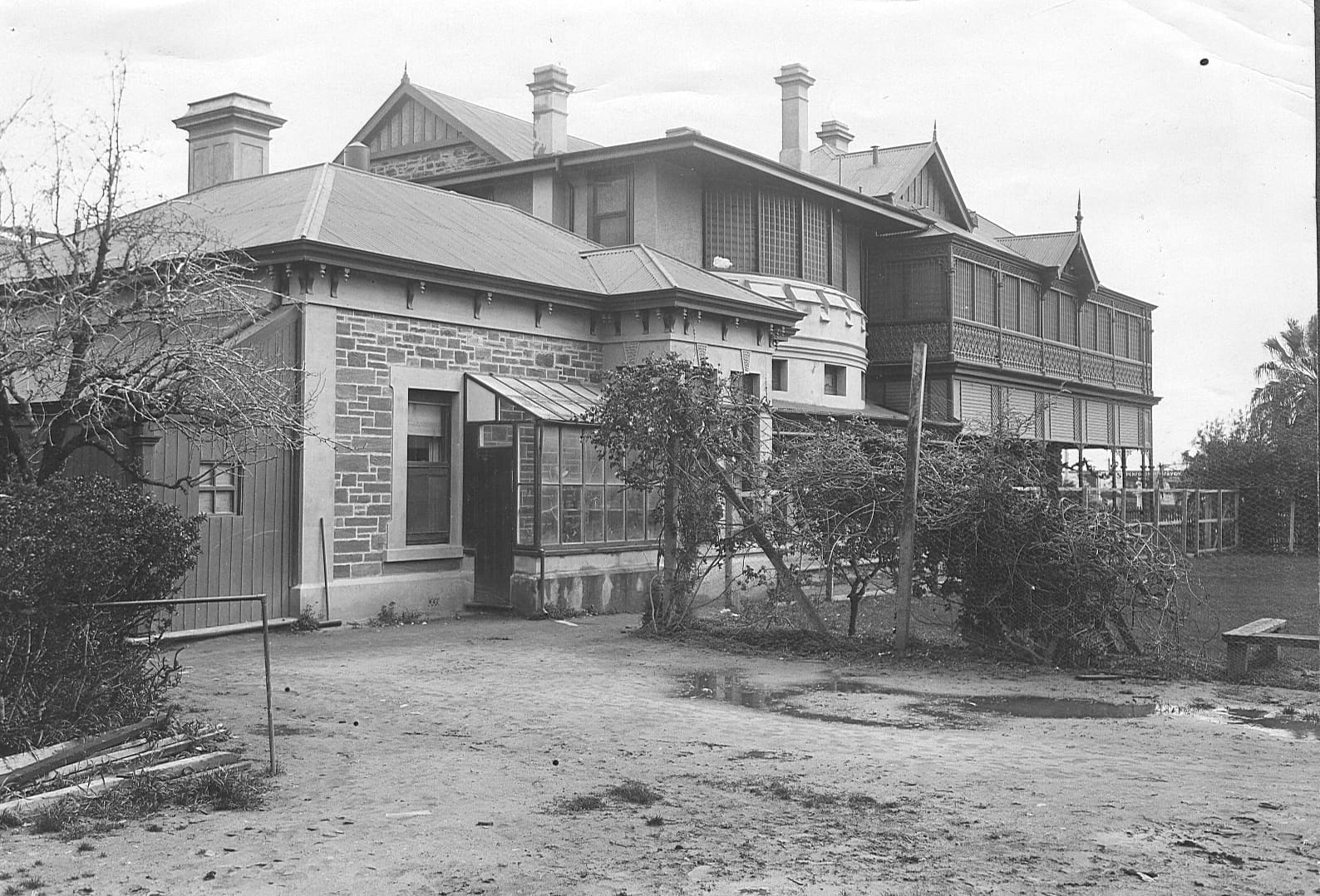
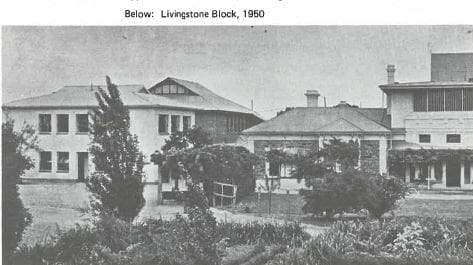
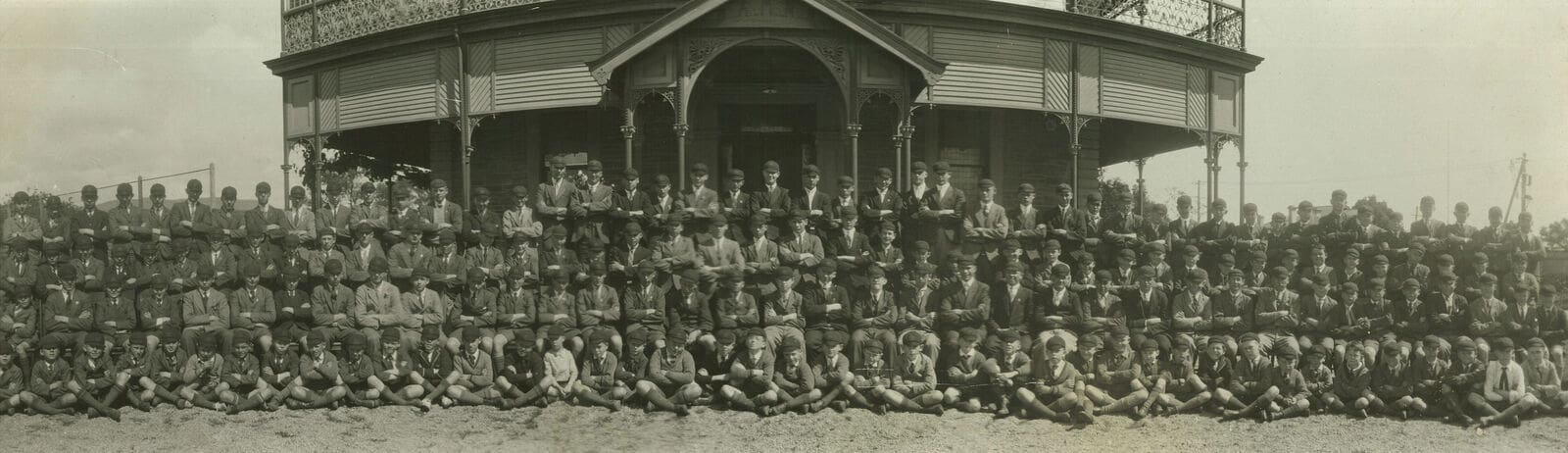
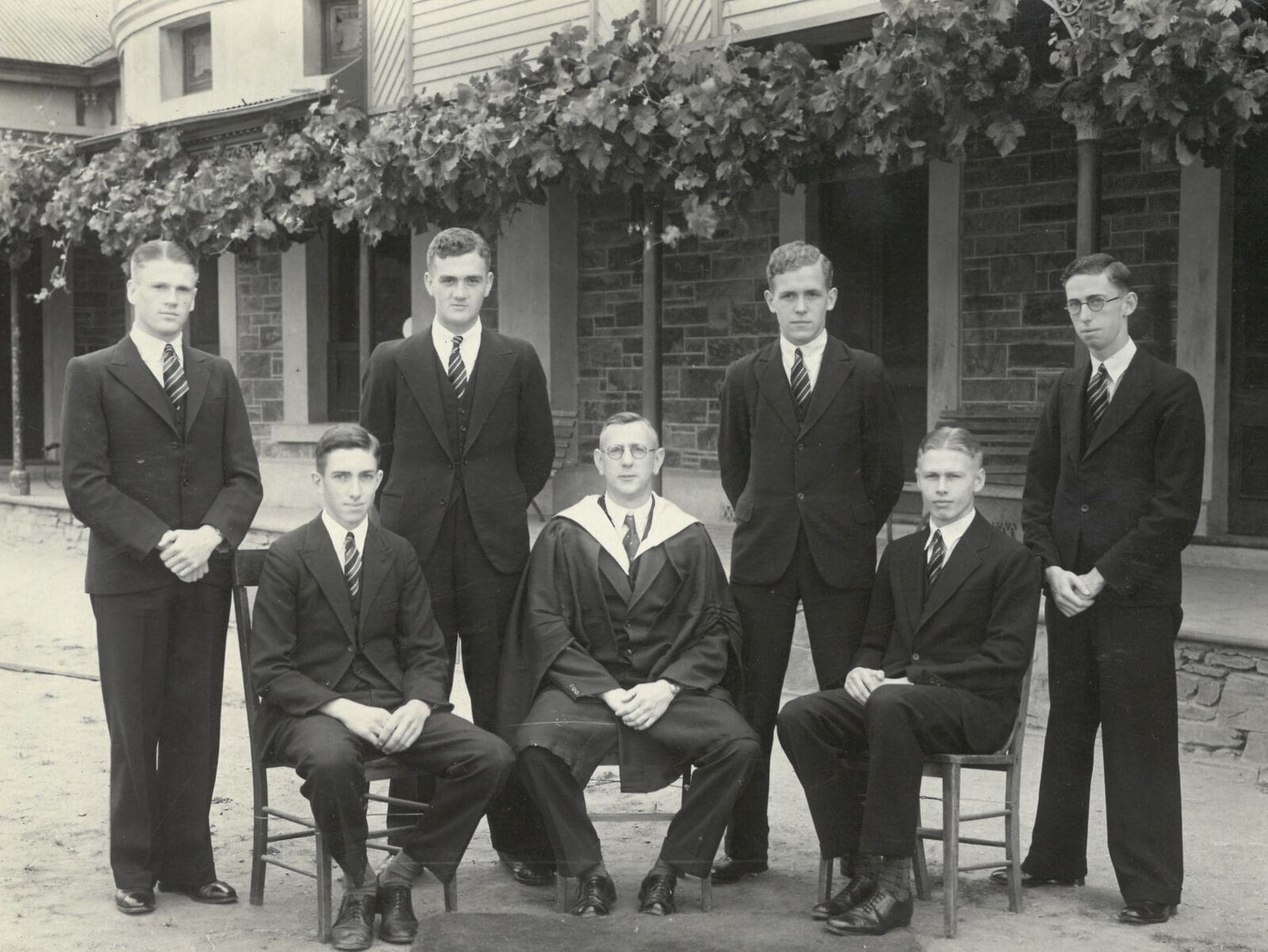
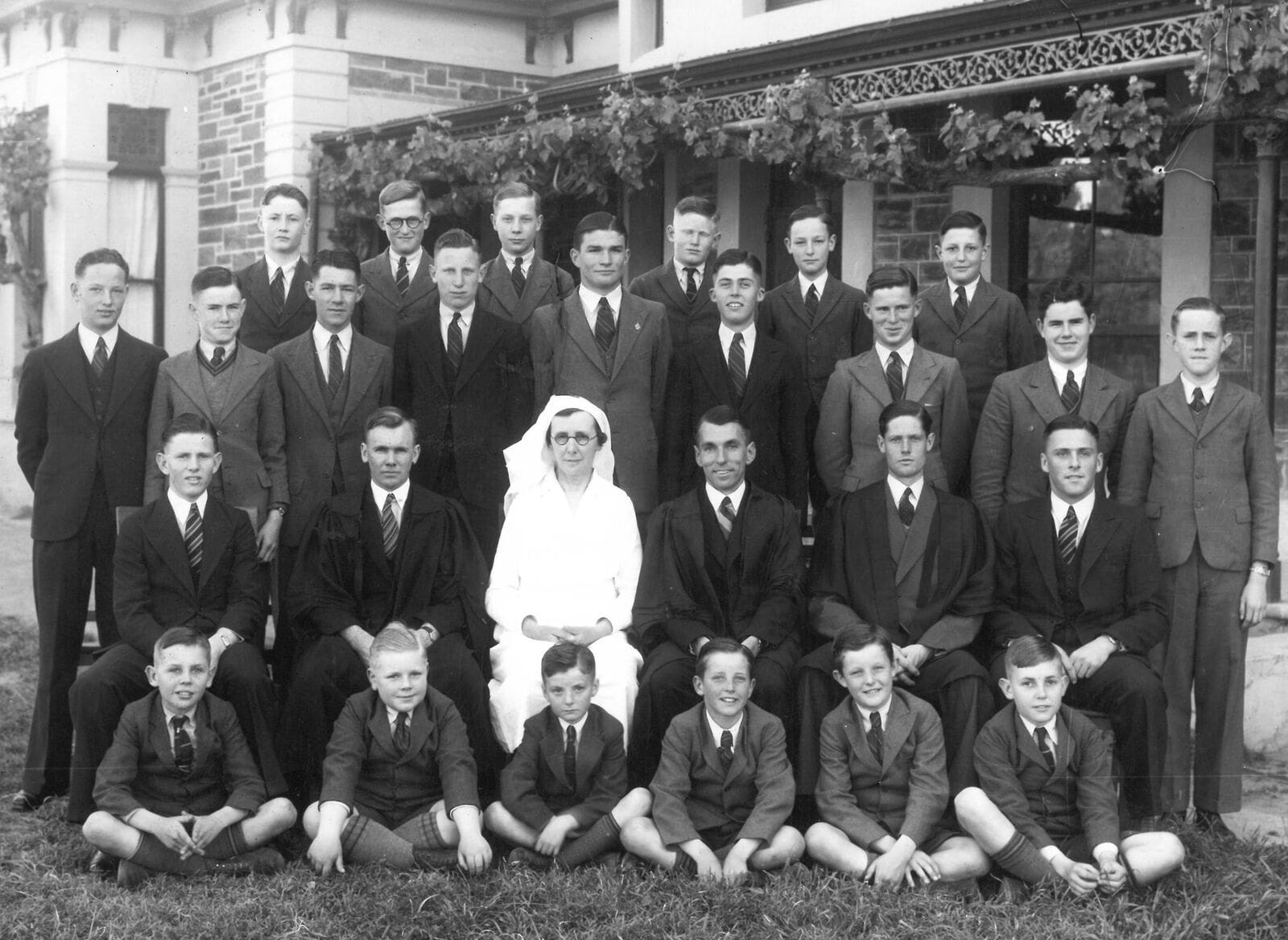
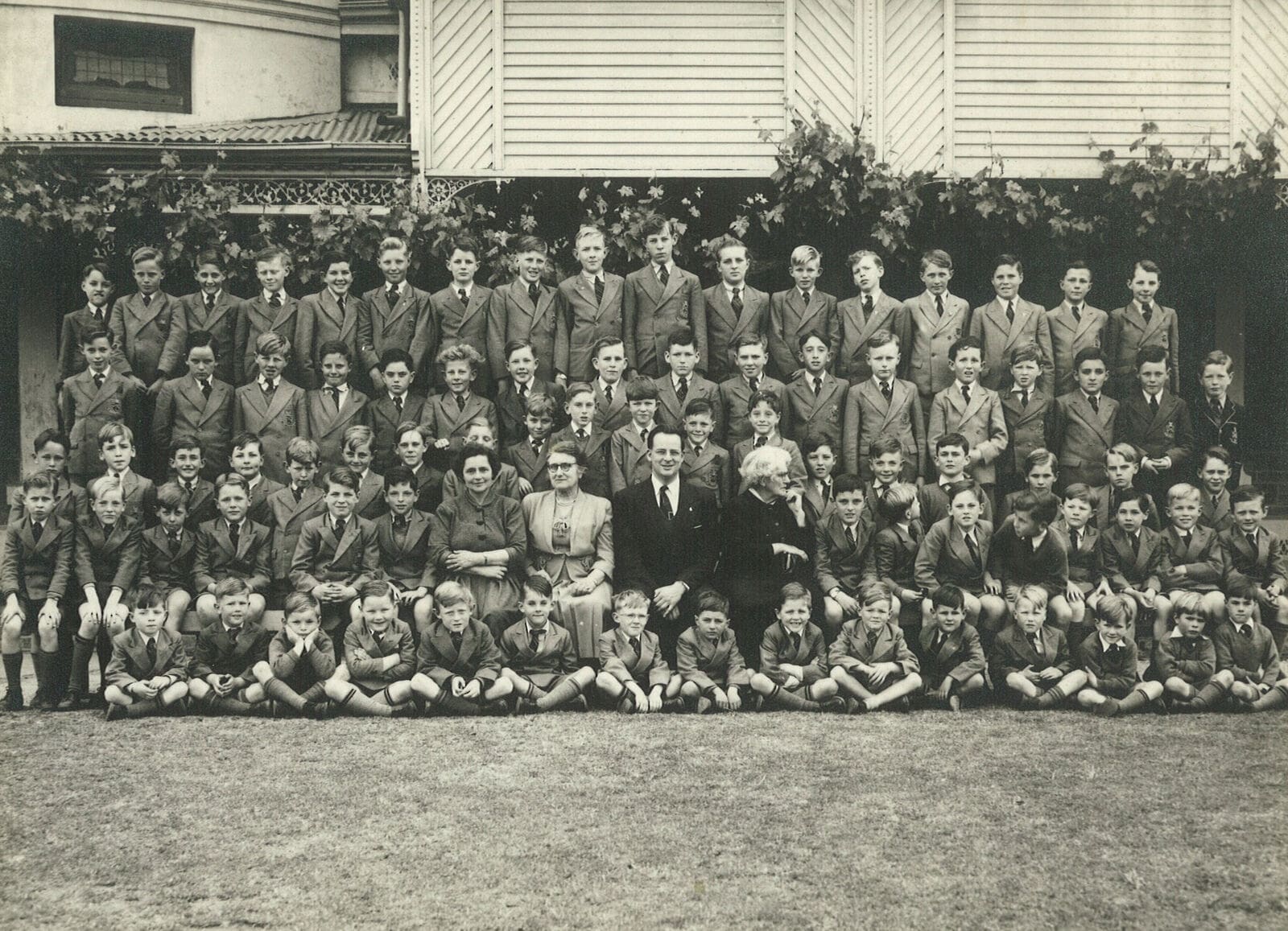
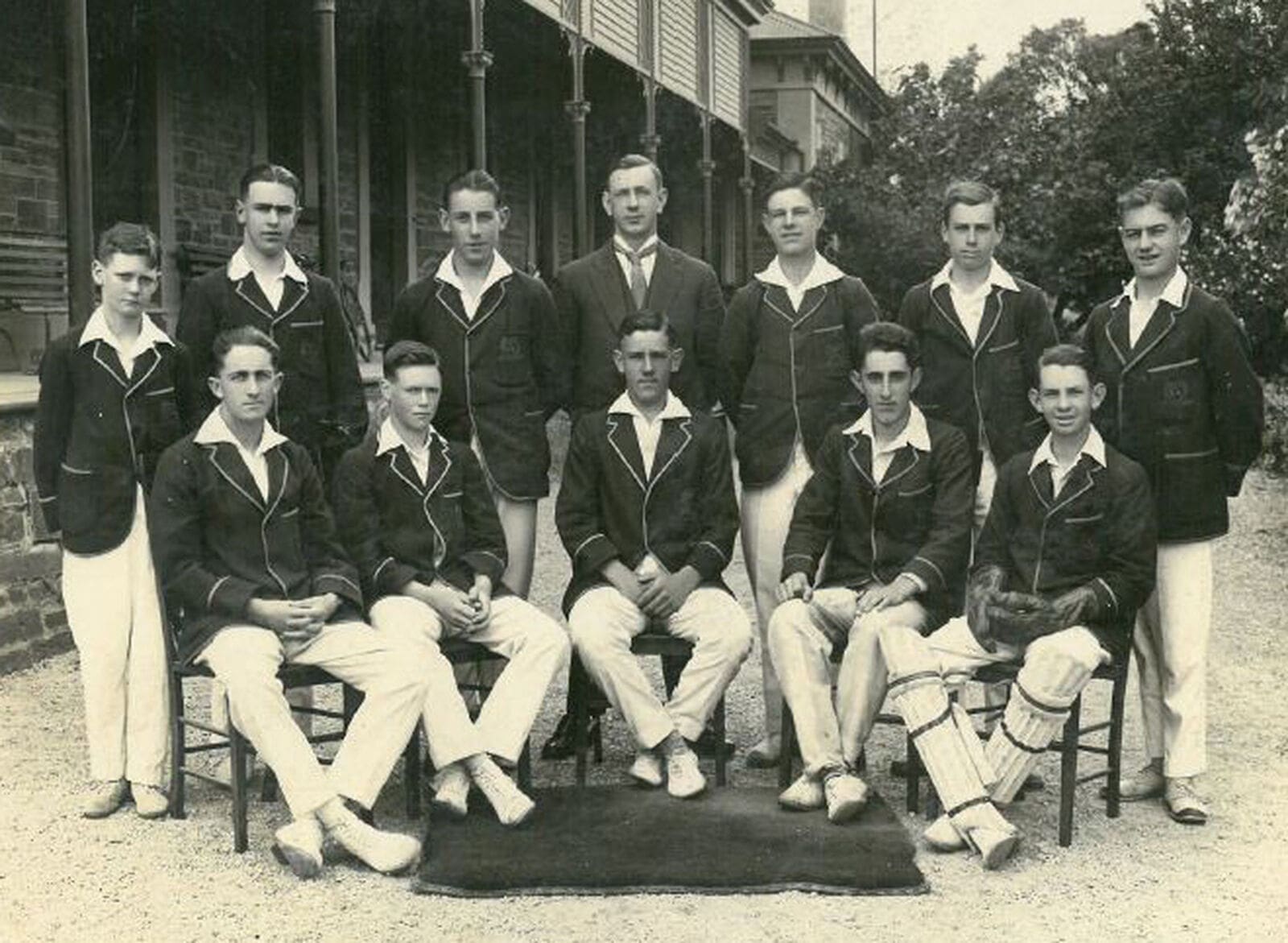
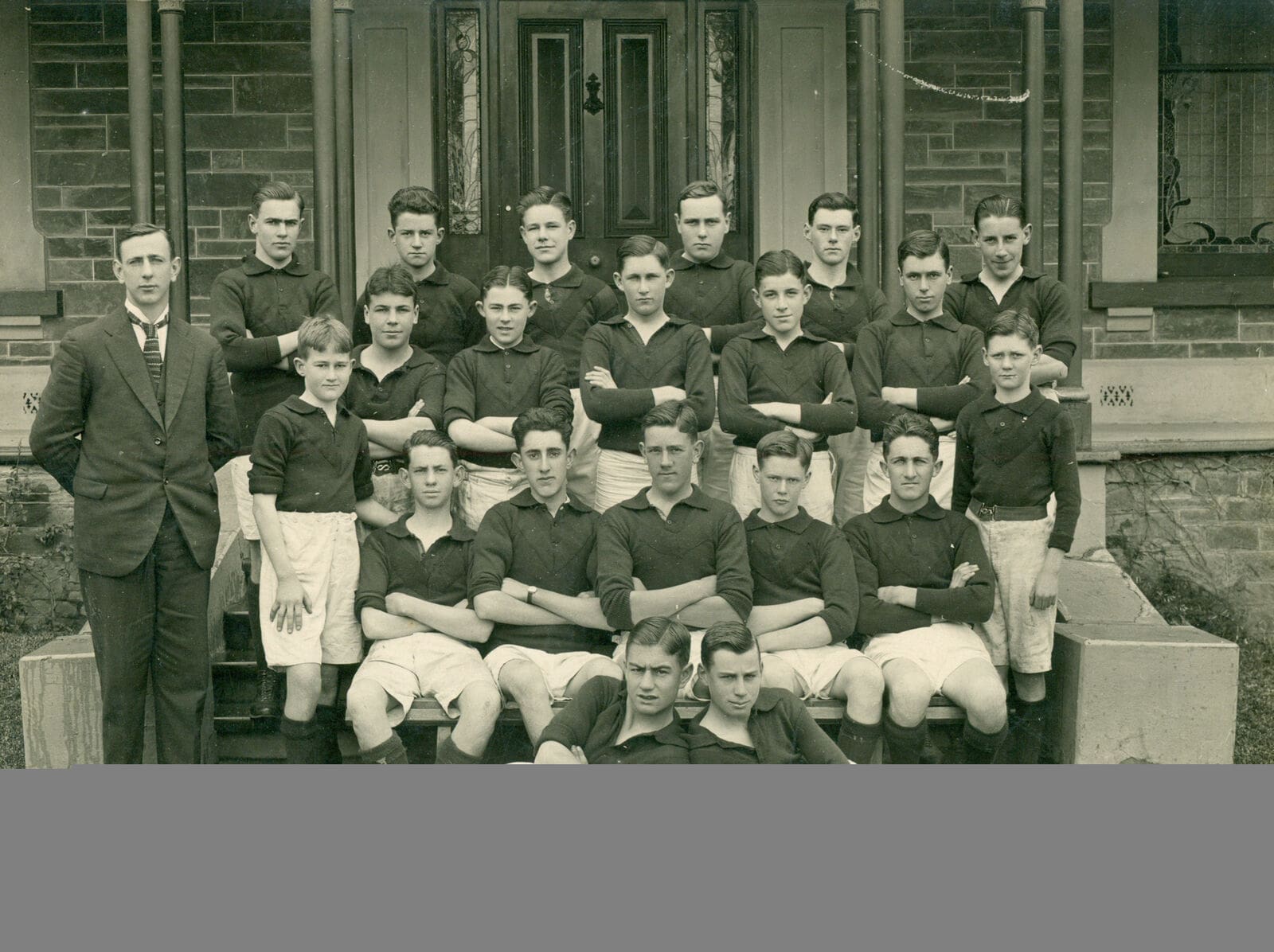
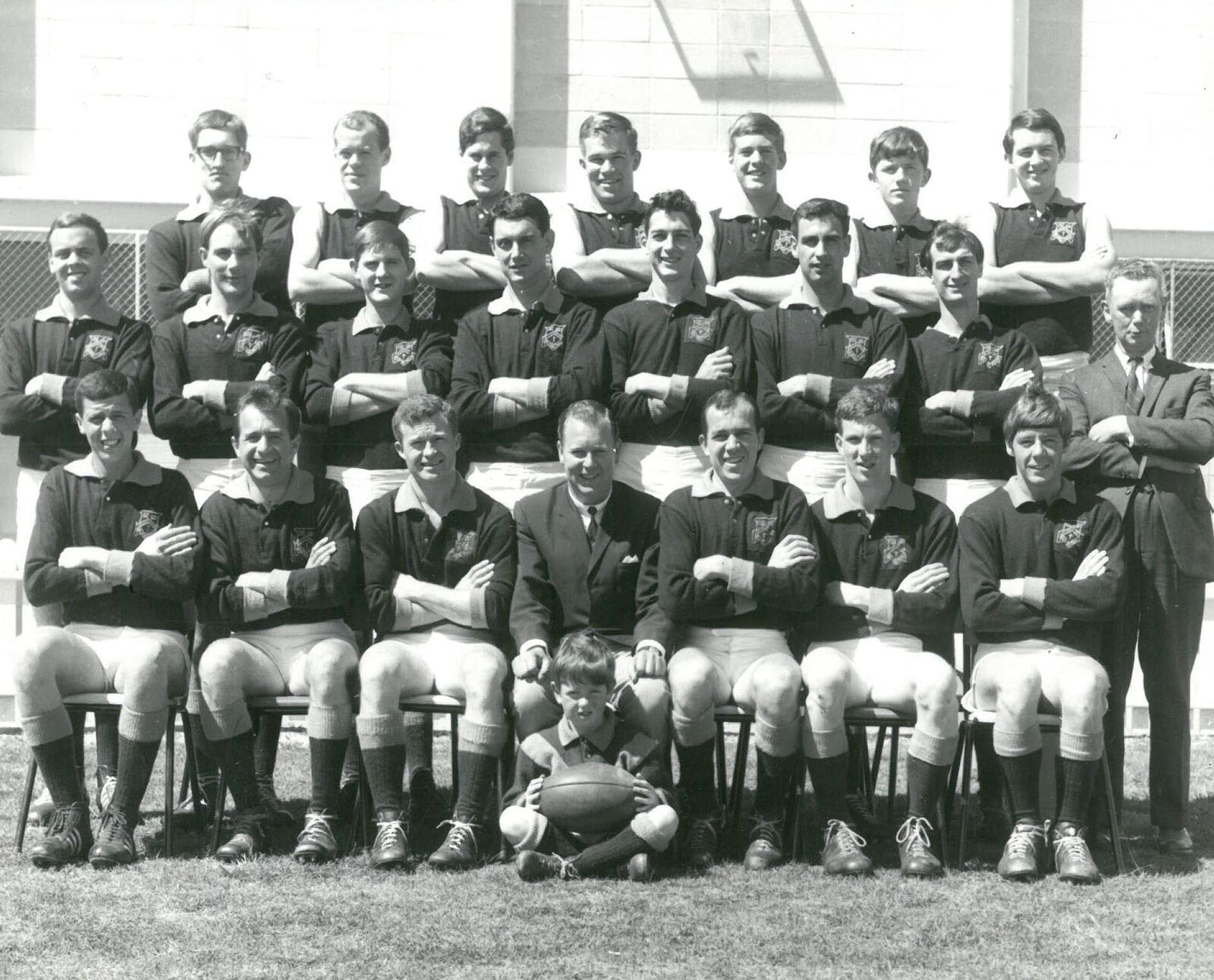
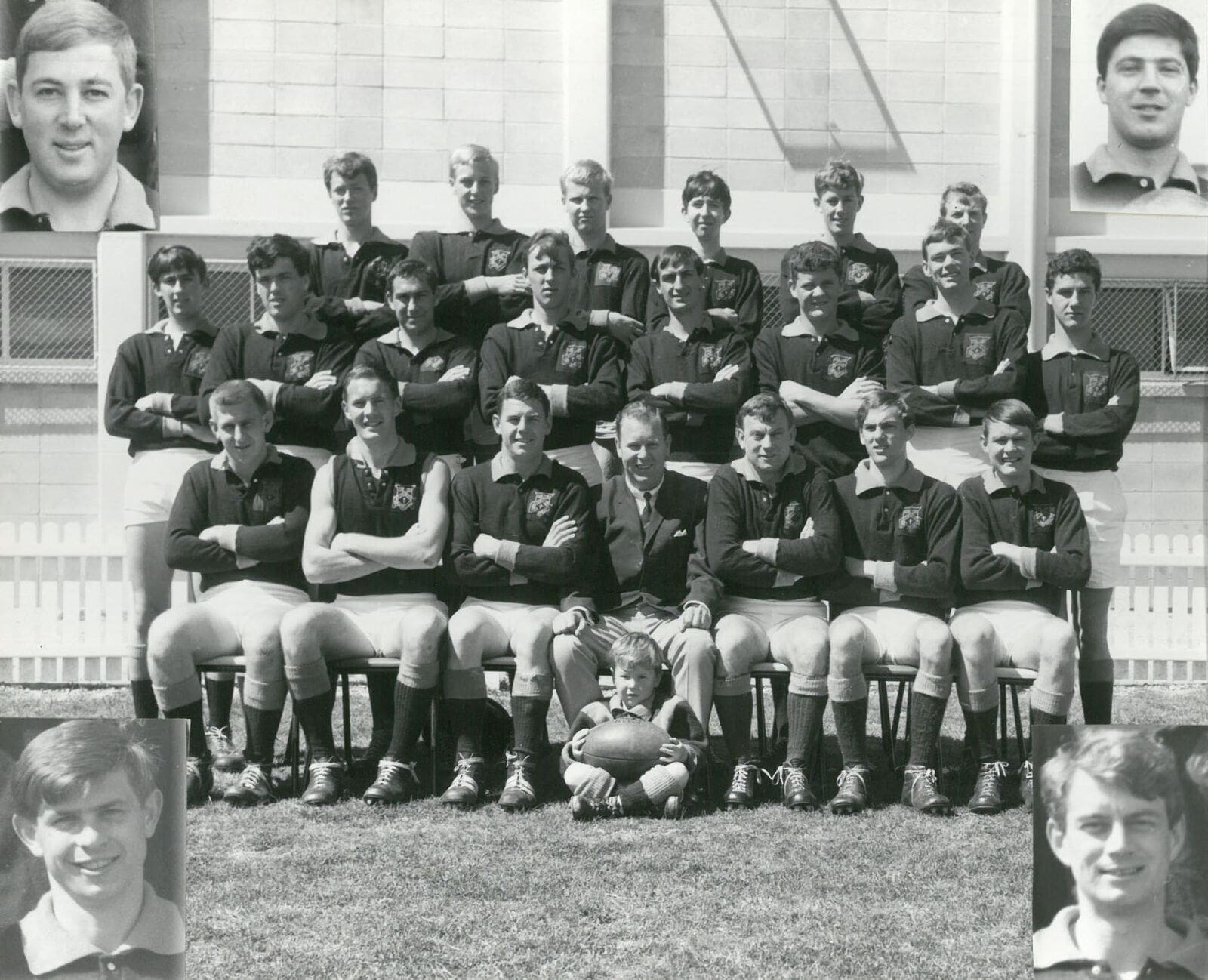
King’s College was founded in 1924 through a joint venture between the Congregational and Baptist Churches, led by Reverends GH Wright and AC Hill. The first Headmaster, Mr Joseph Haslam was an experienced educator with a strong nonconformist background. After inspecting properties across Adelaide’s eastern suburbs, the college purchased the Kensington Park site for £6,100. The main building, originally built in 1882 and known as ‘Gwent’ (now Bills House), later gained a second storey in the 1890s.
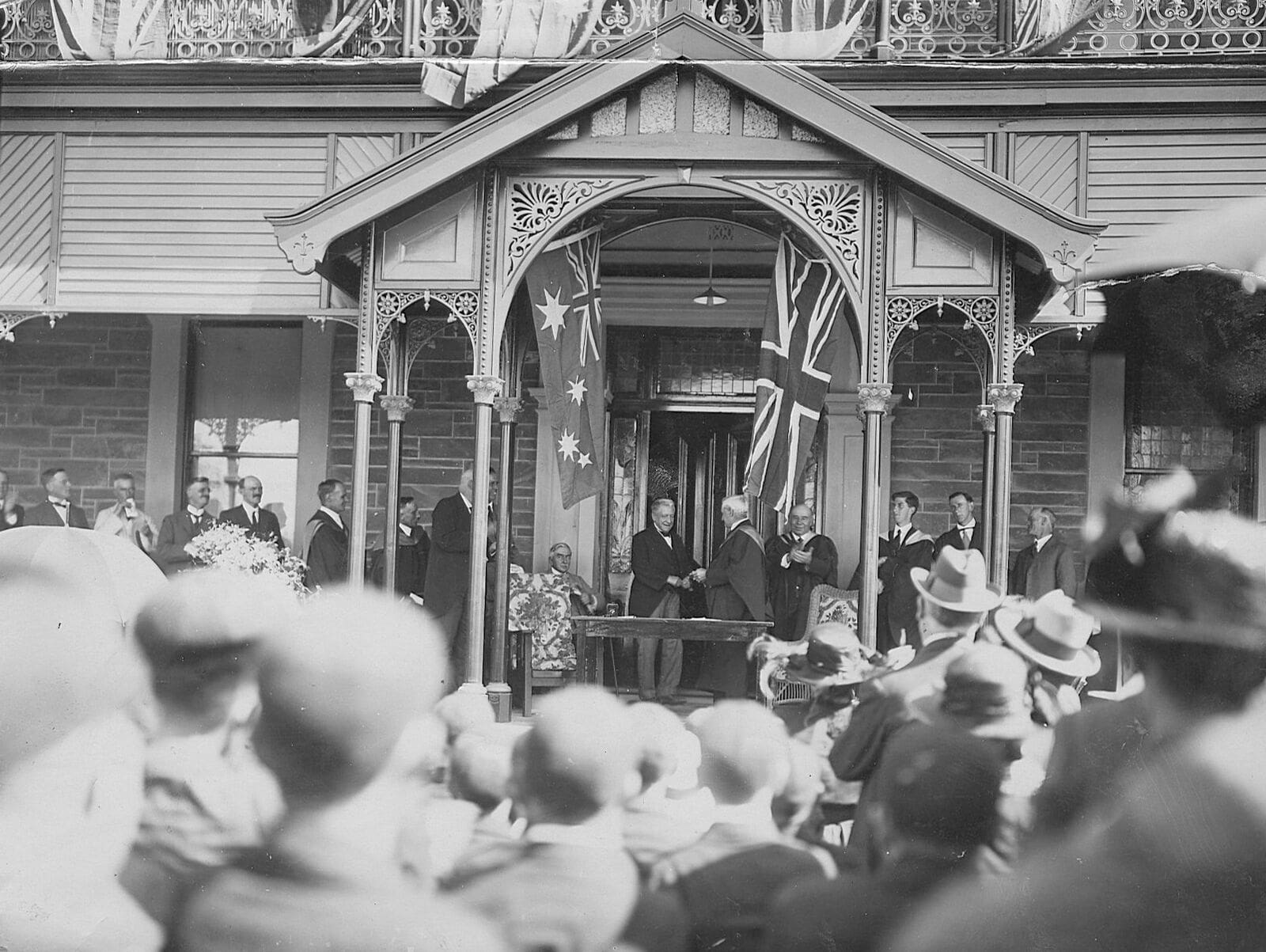
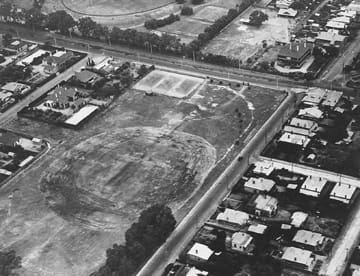
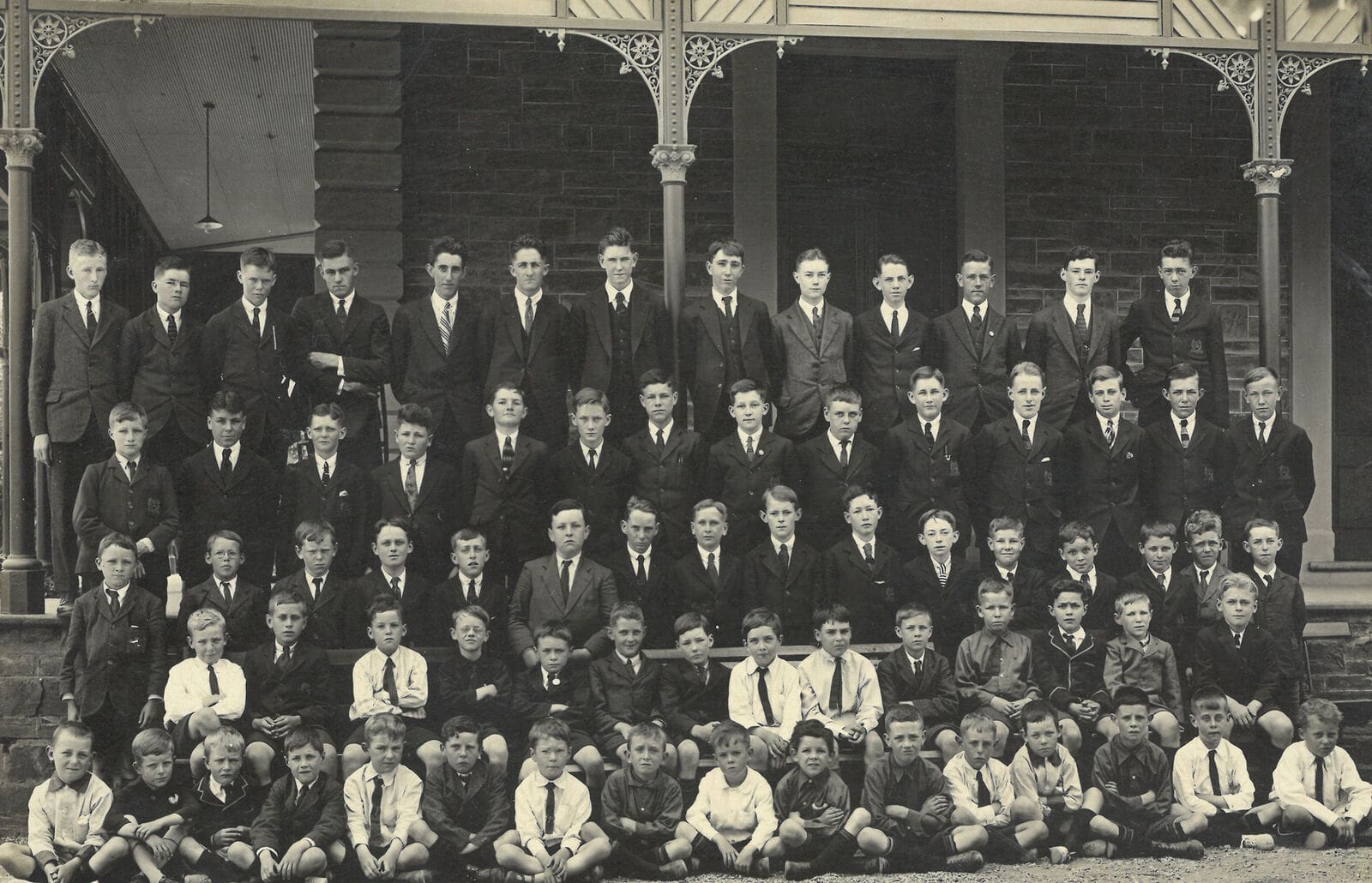
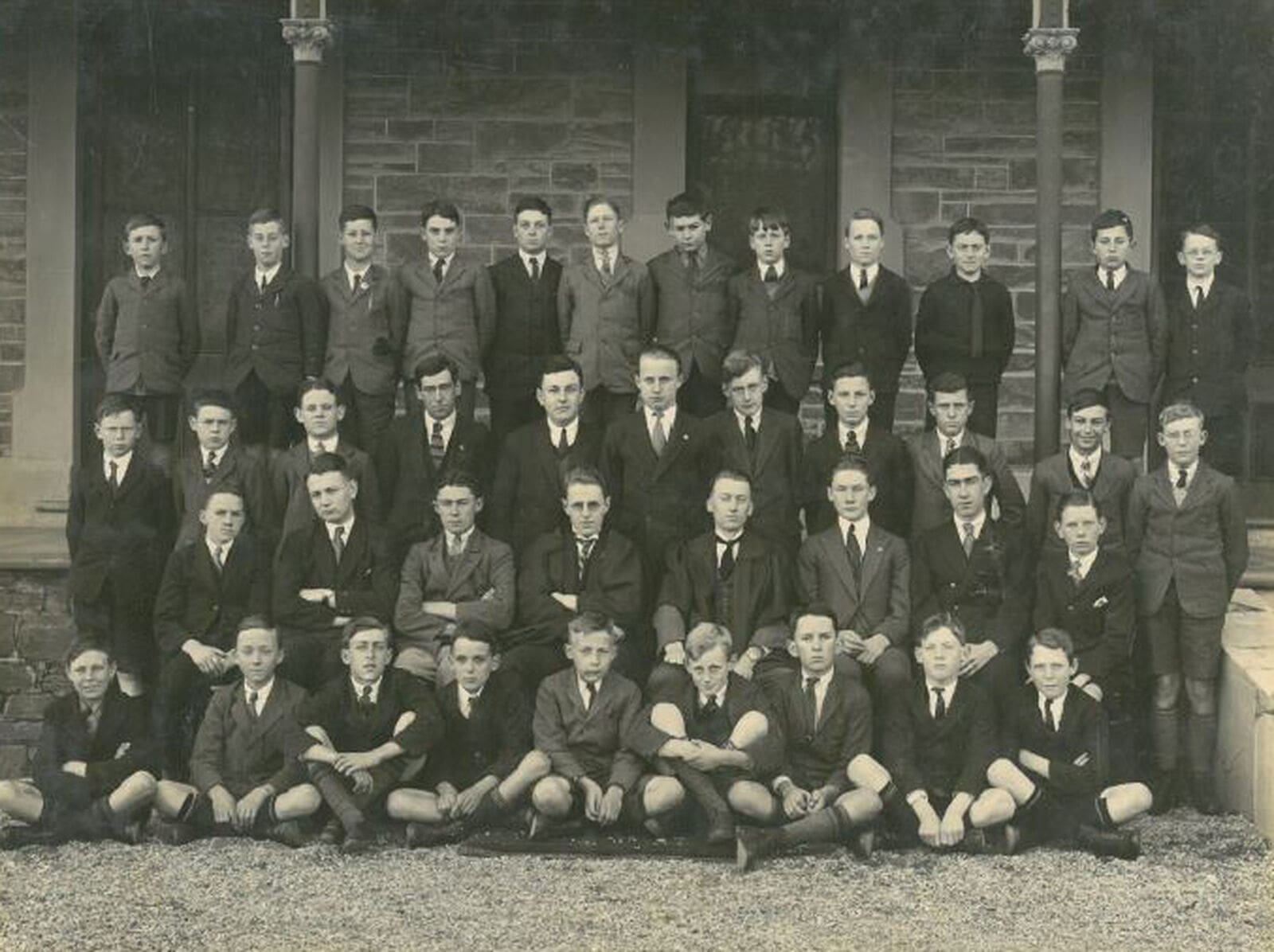
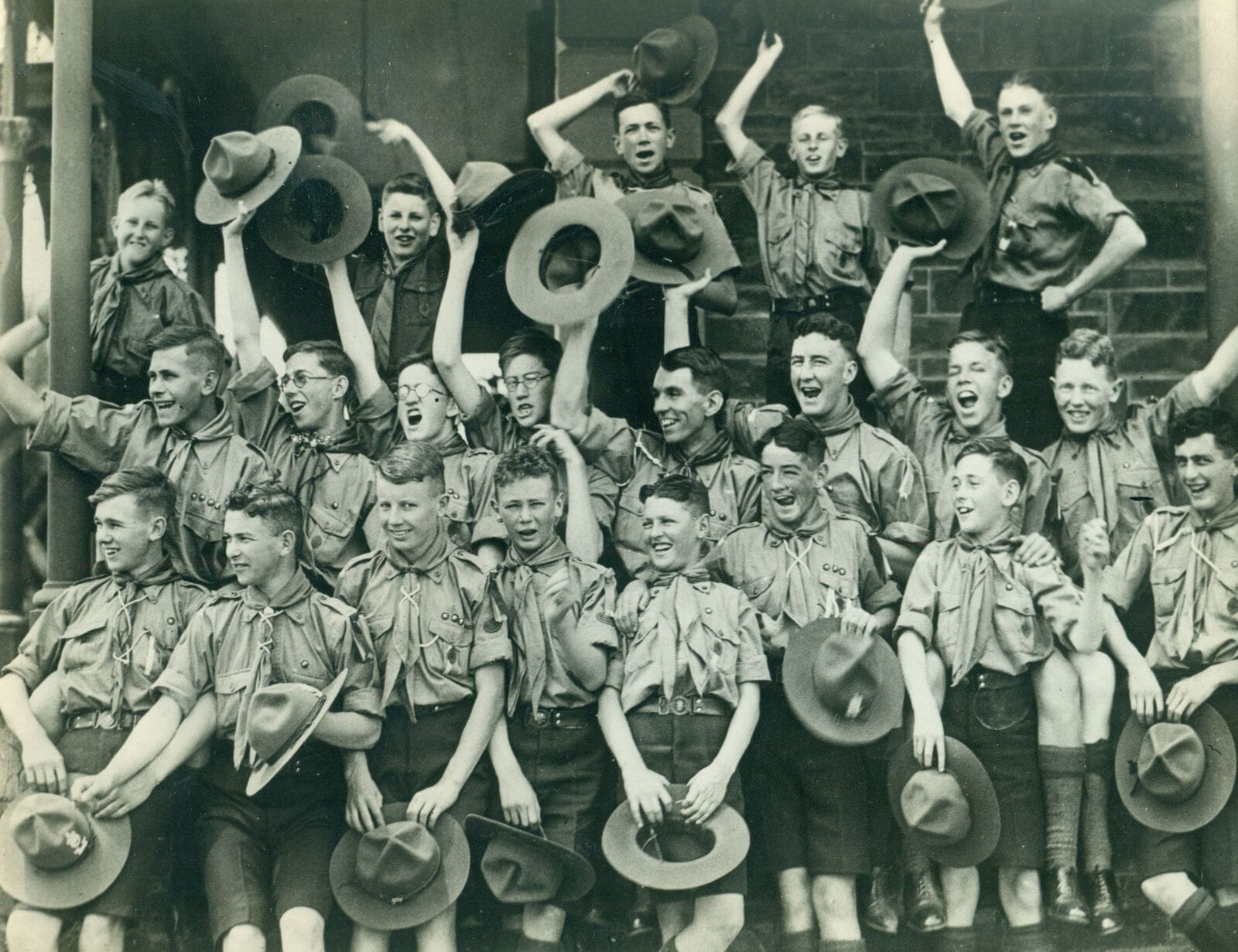
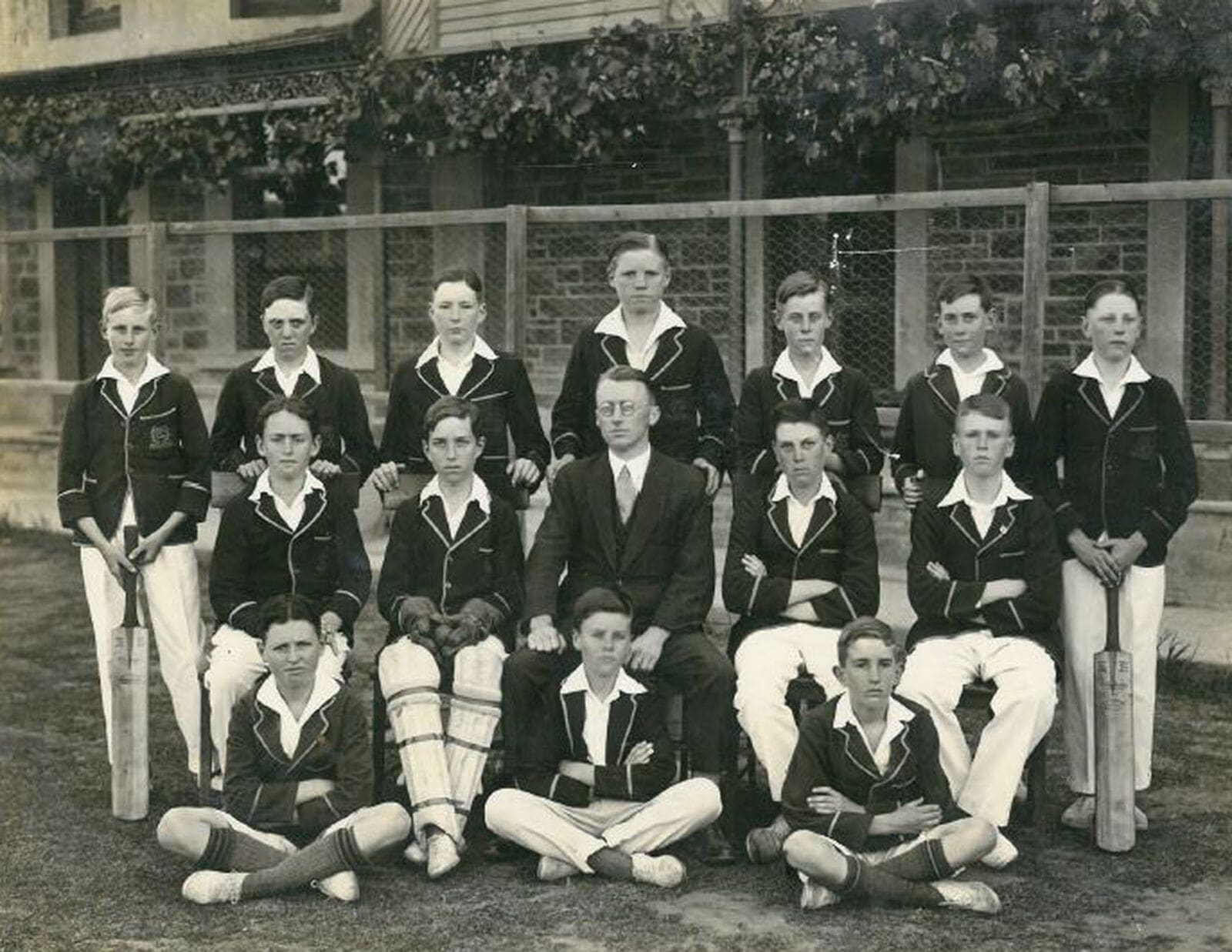
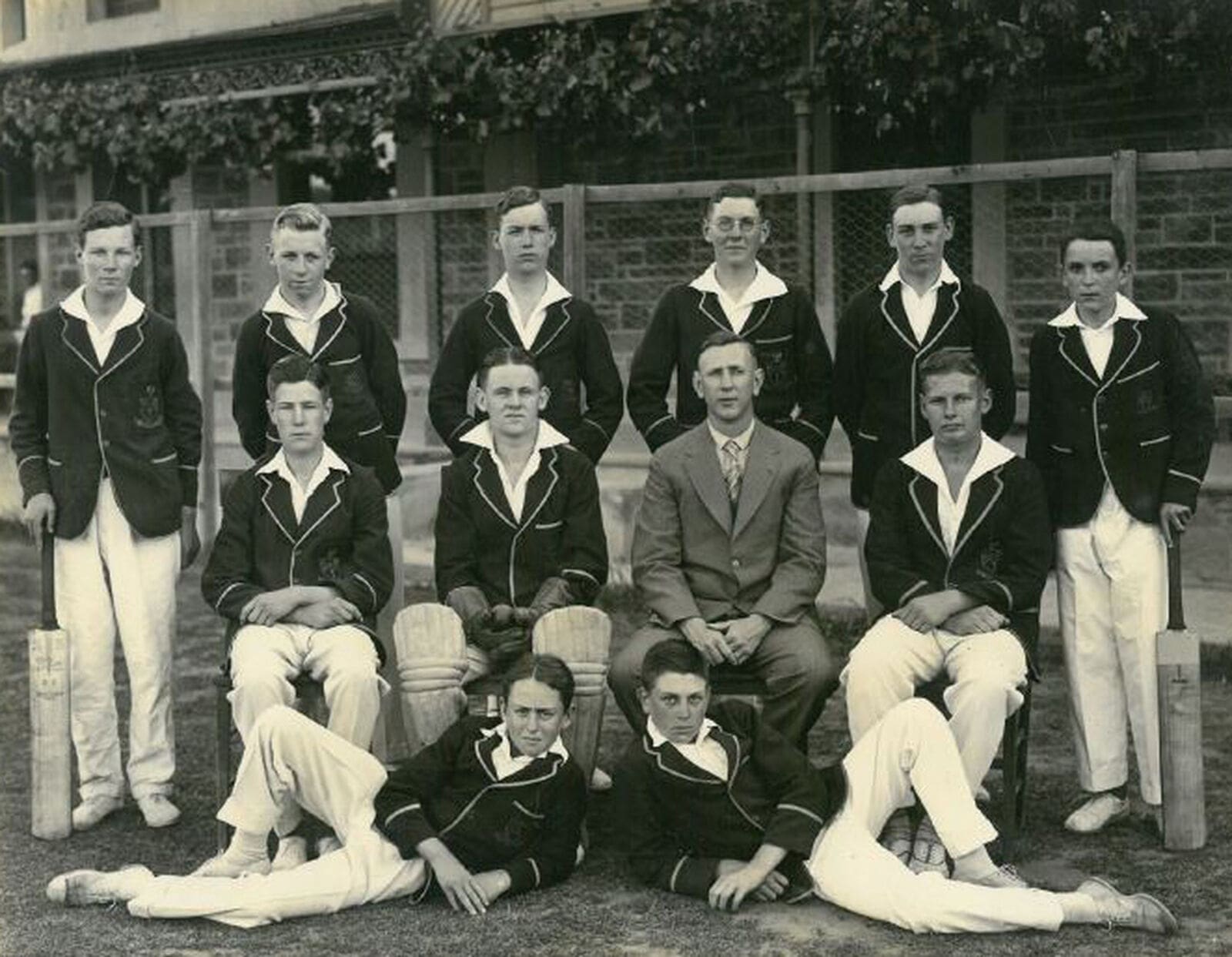
The college opened with 56 students, 17 of them boarders, proudly wearing grey suits with green and gold ties and caps. By 1927, enrolments had grown to 150 and a House system was introduced. Following Joseph Haslam’s death in 1928, Mr James Bills became Headmaster and oversaw the purchase of land opposite the college, later named Haslam Oval in honour of the inaugural Headmaster.
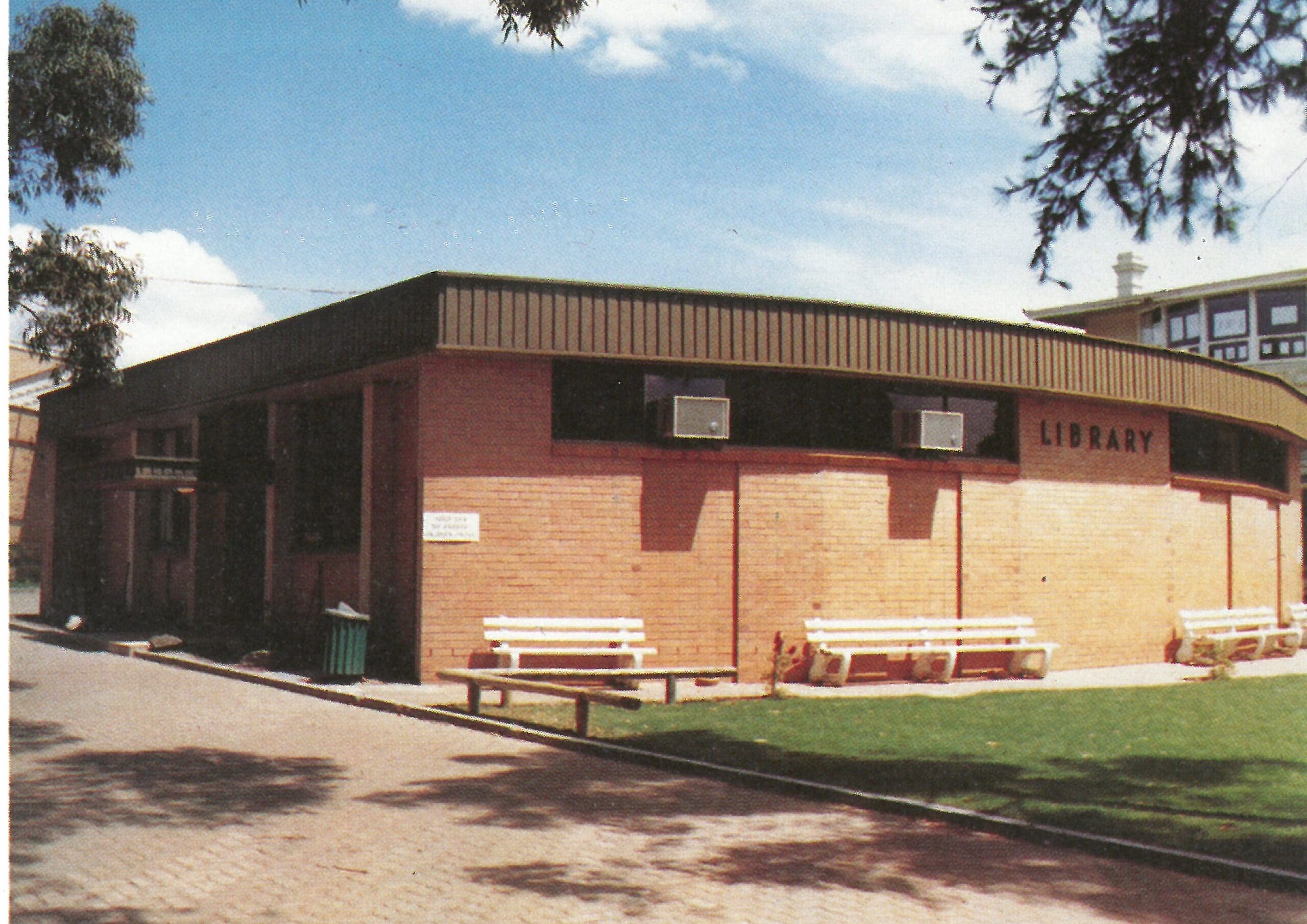
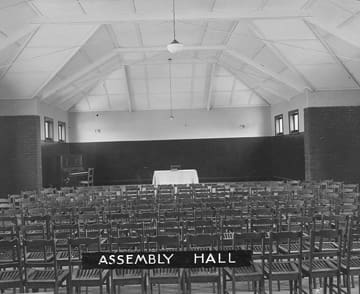
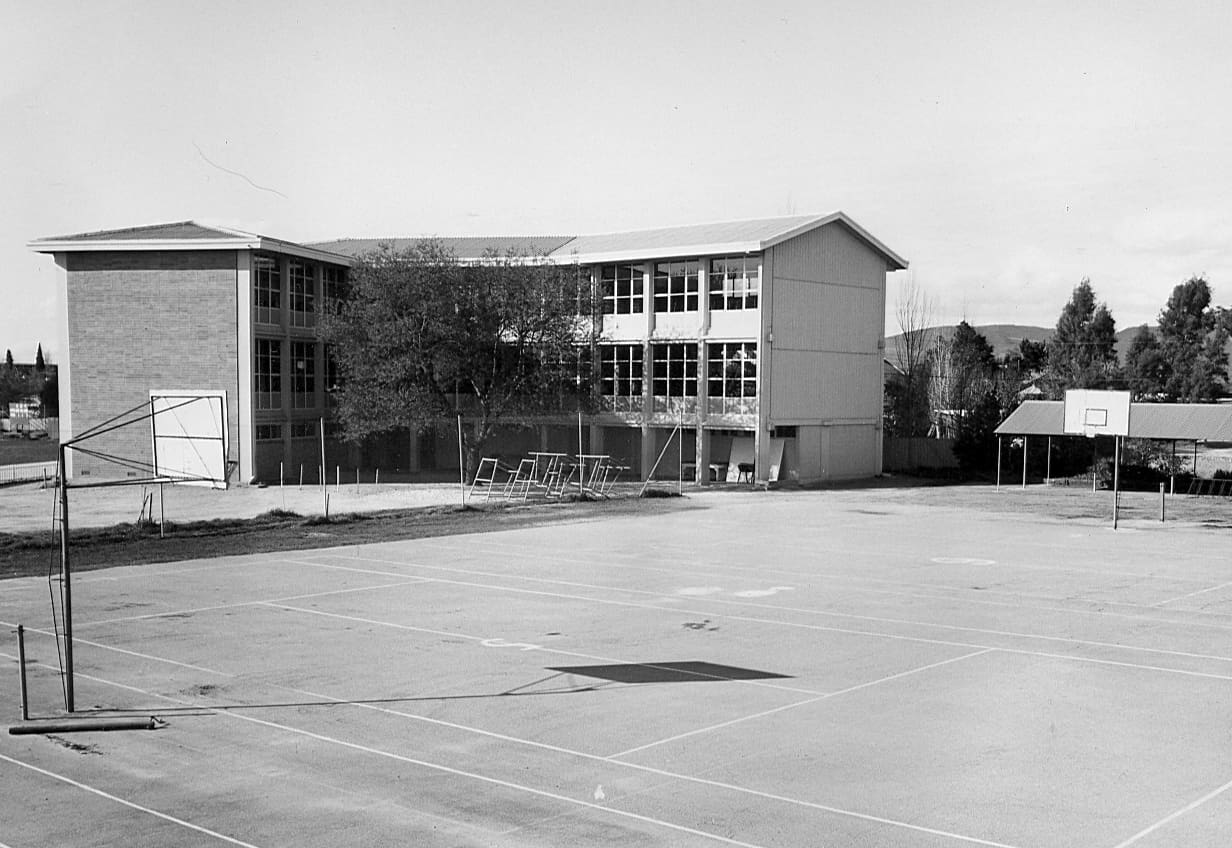
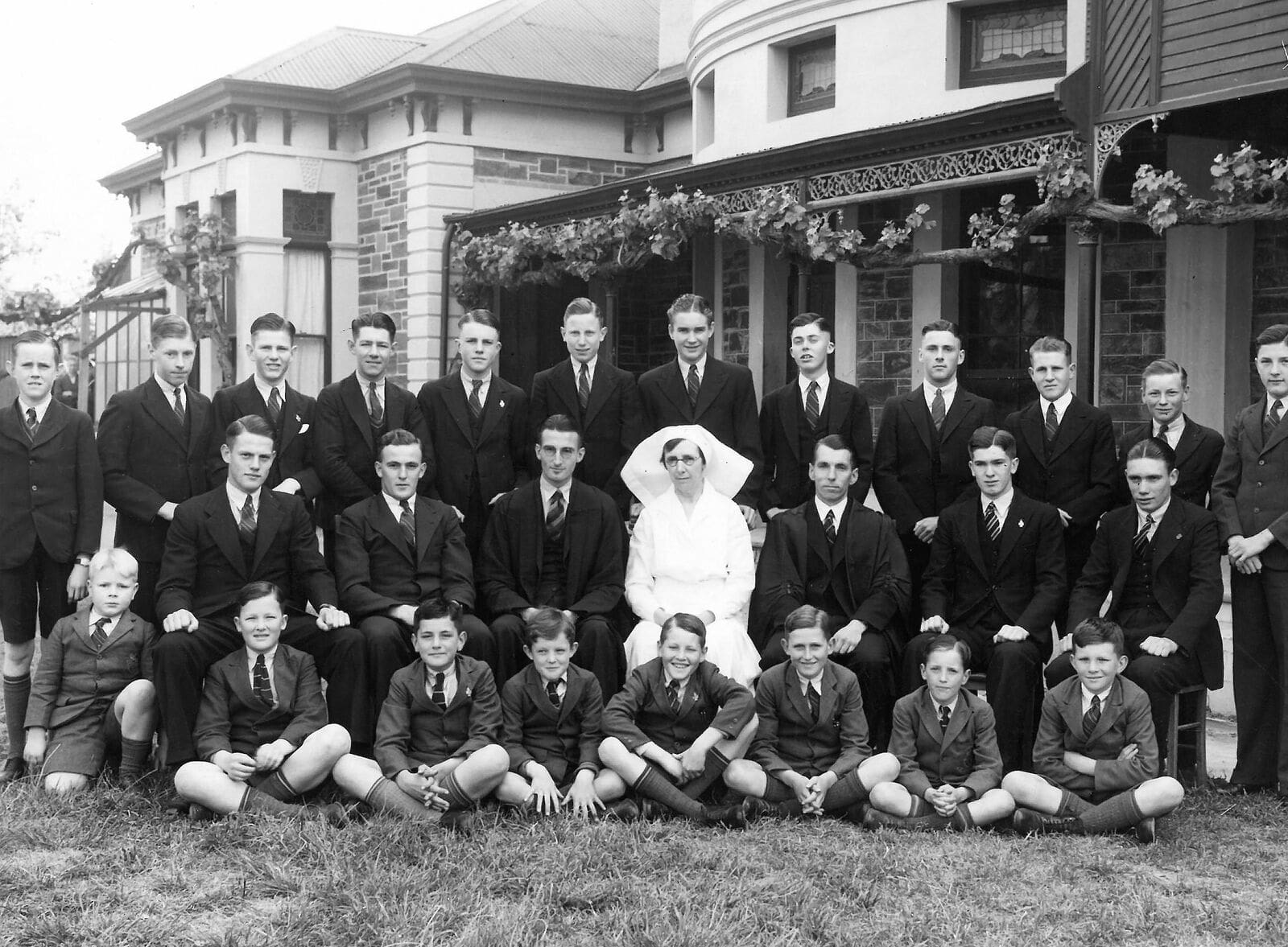
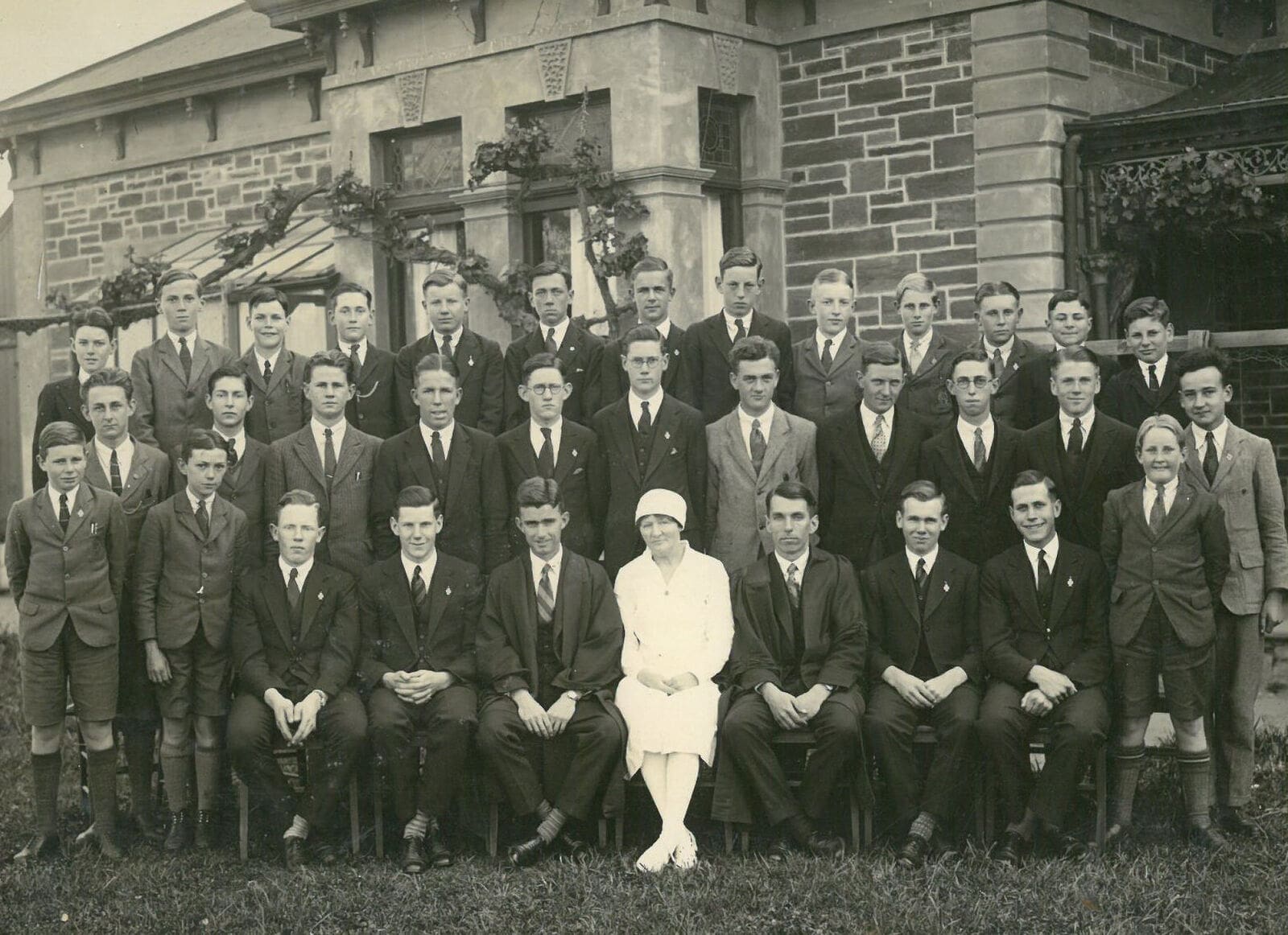
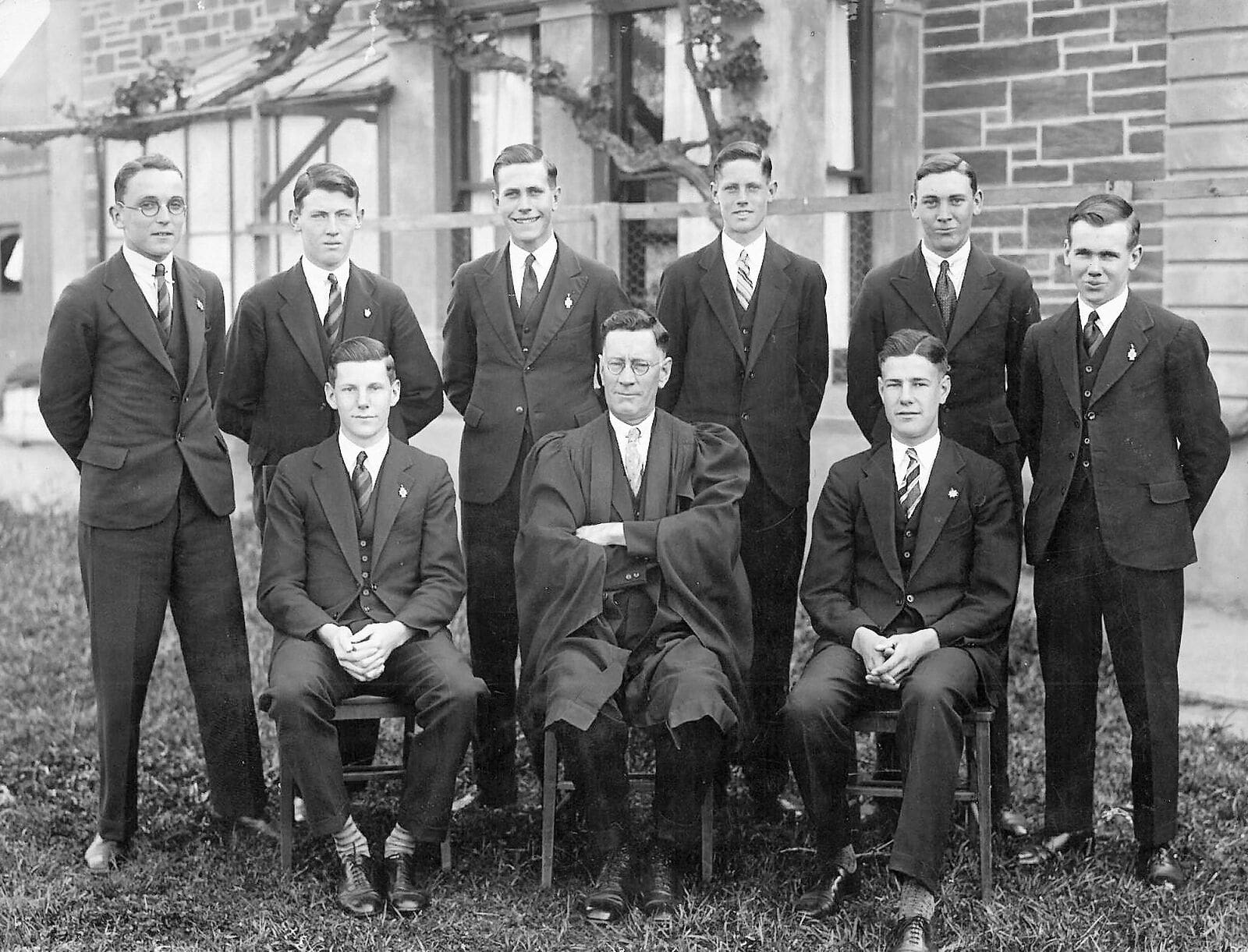
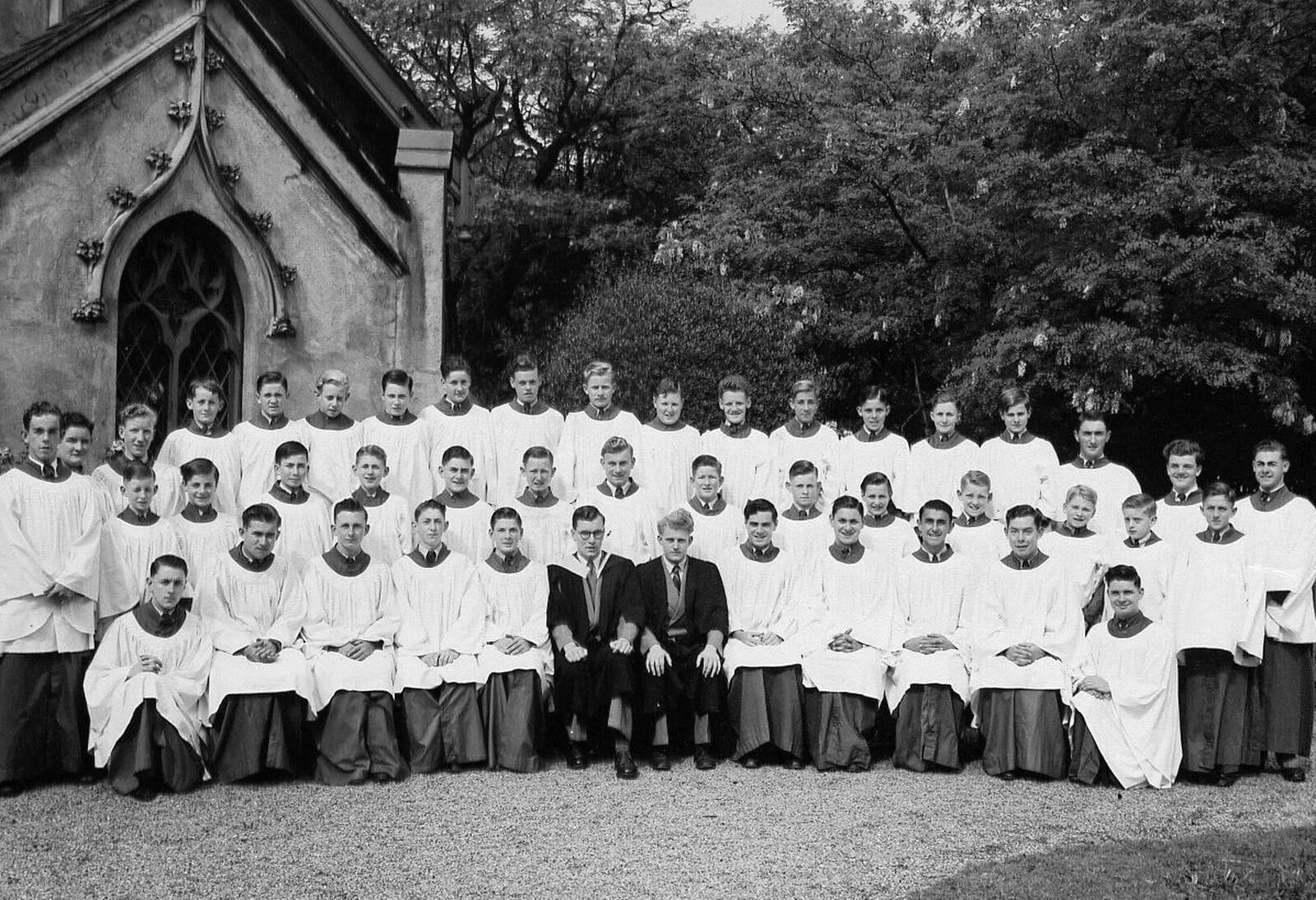
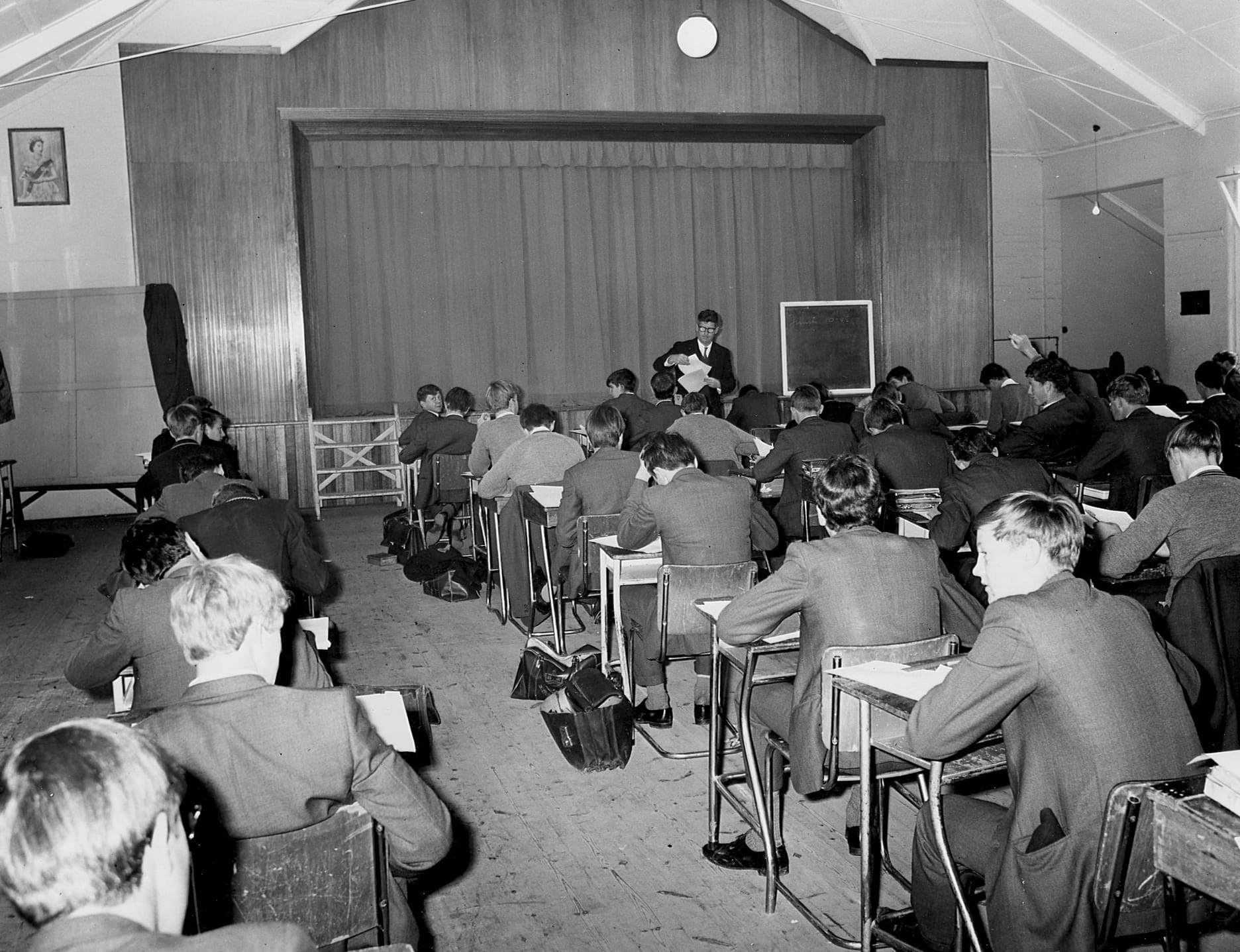
Despite the turmoil of World War II, King’s thrived under successive leaders including Mr DD Harris, Mr Kenneth Smith, Mr William Oats, Lieutenant Commander Cecil Shinkfield and Reverend Ralph Cook. Traditions developed and new buildings were constructed including the Chapel, a boarding house, Science laboratories and a library.
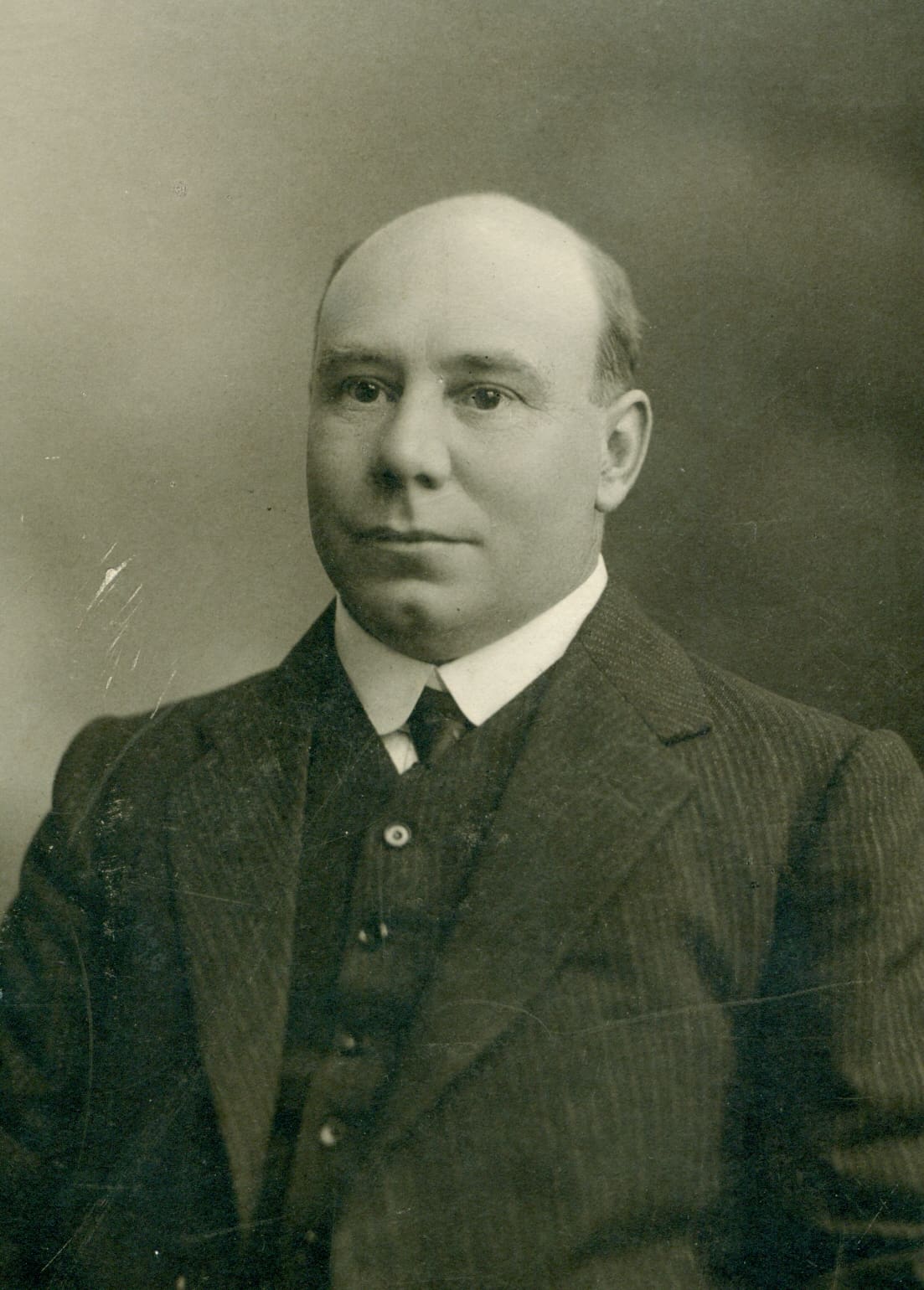
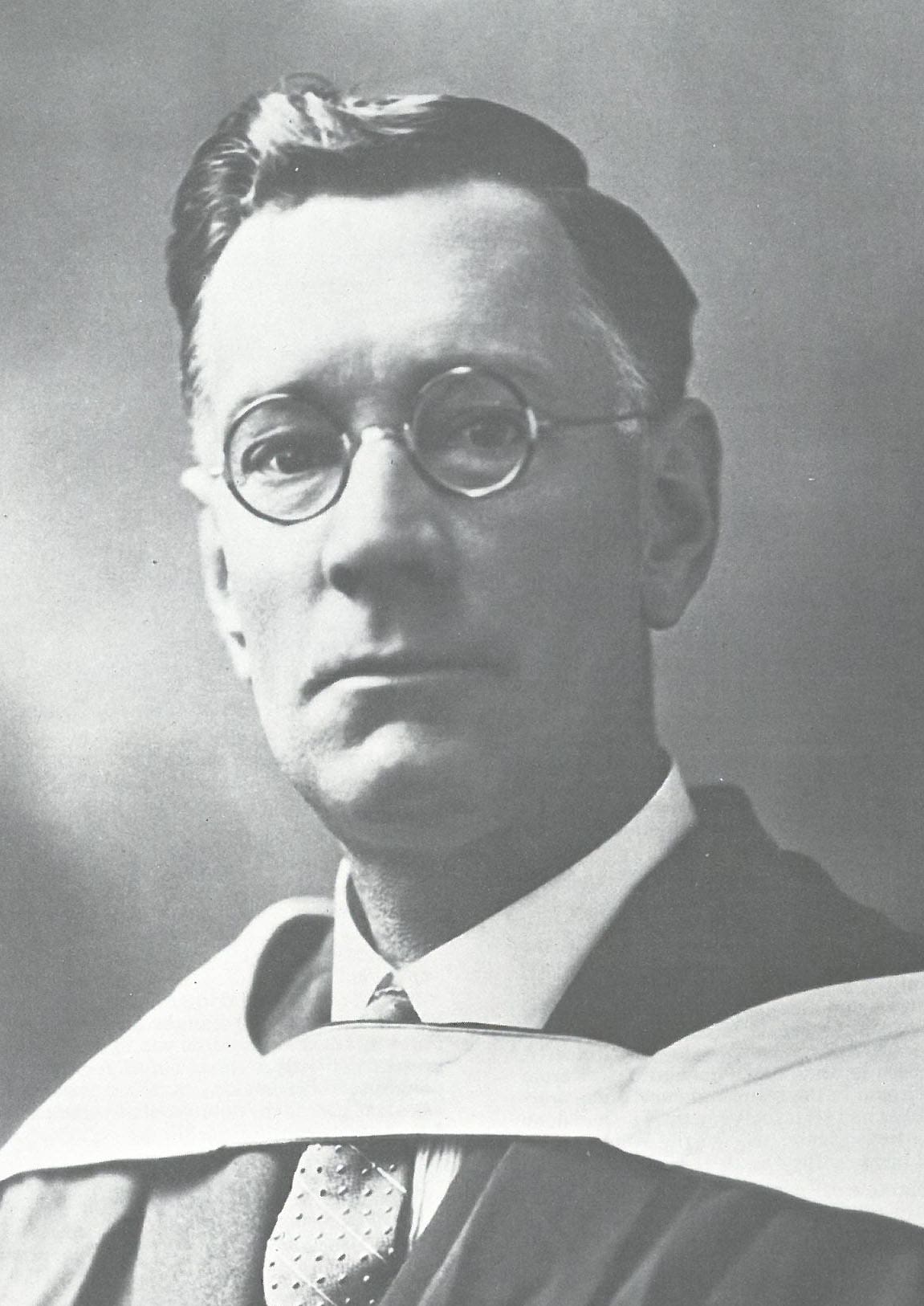
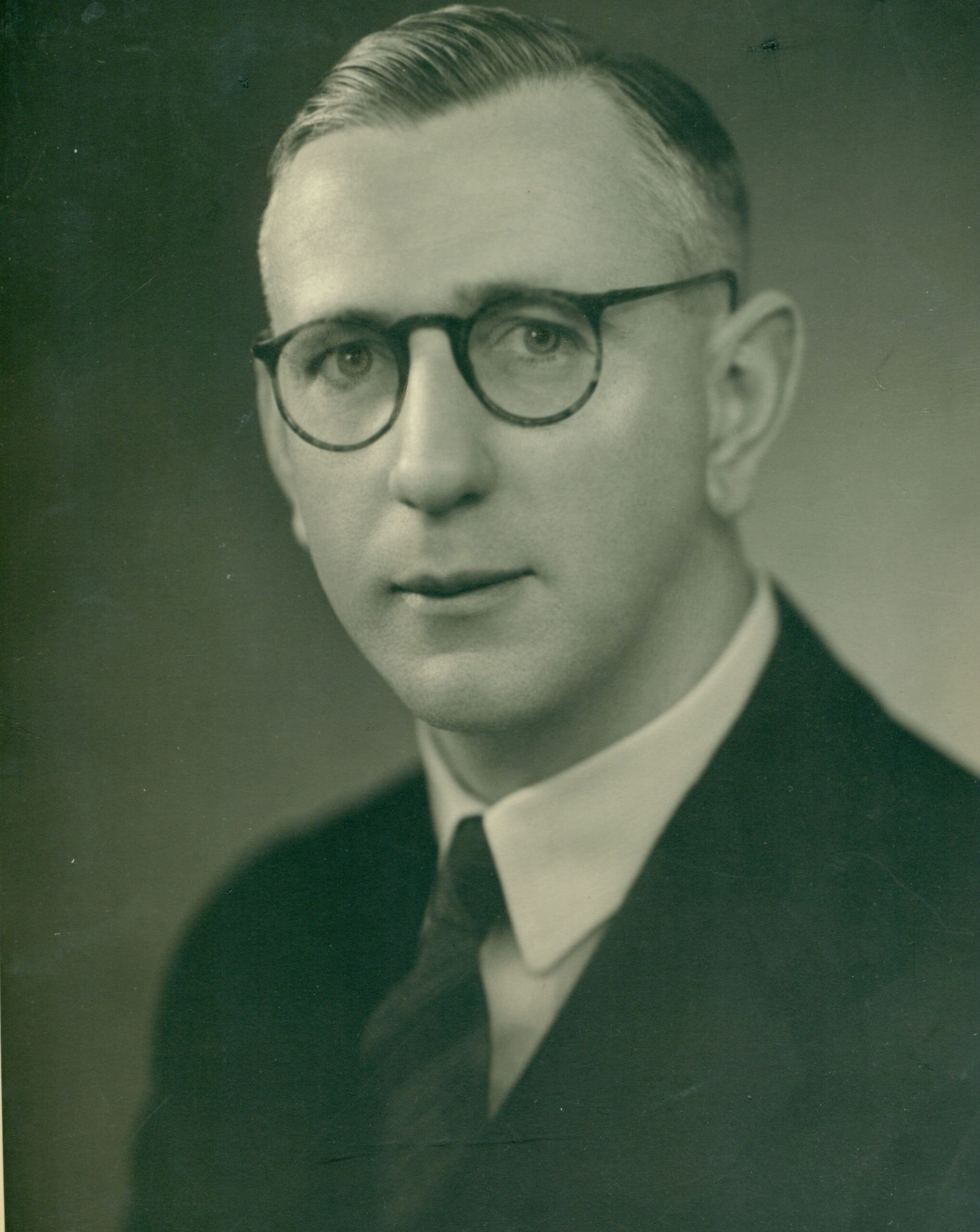
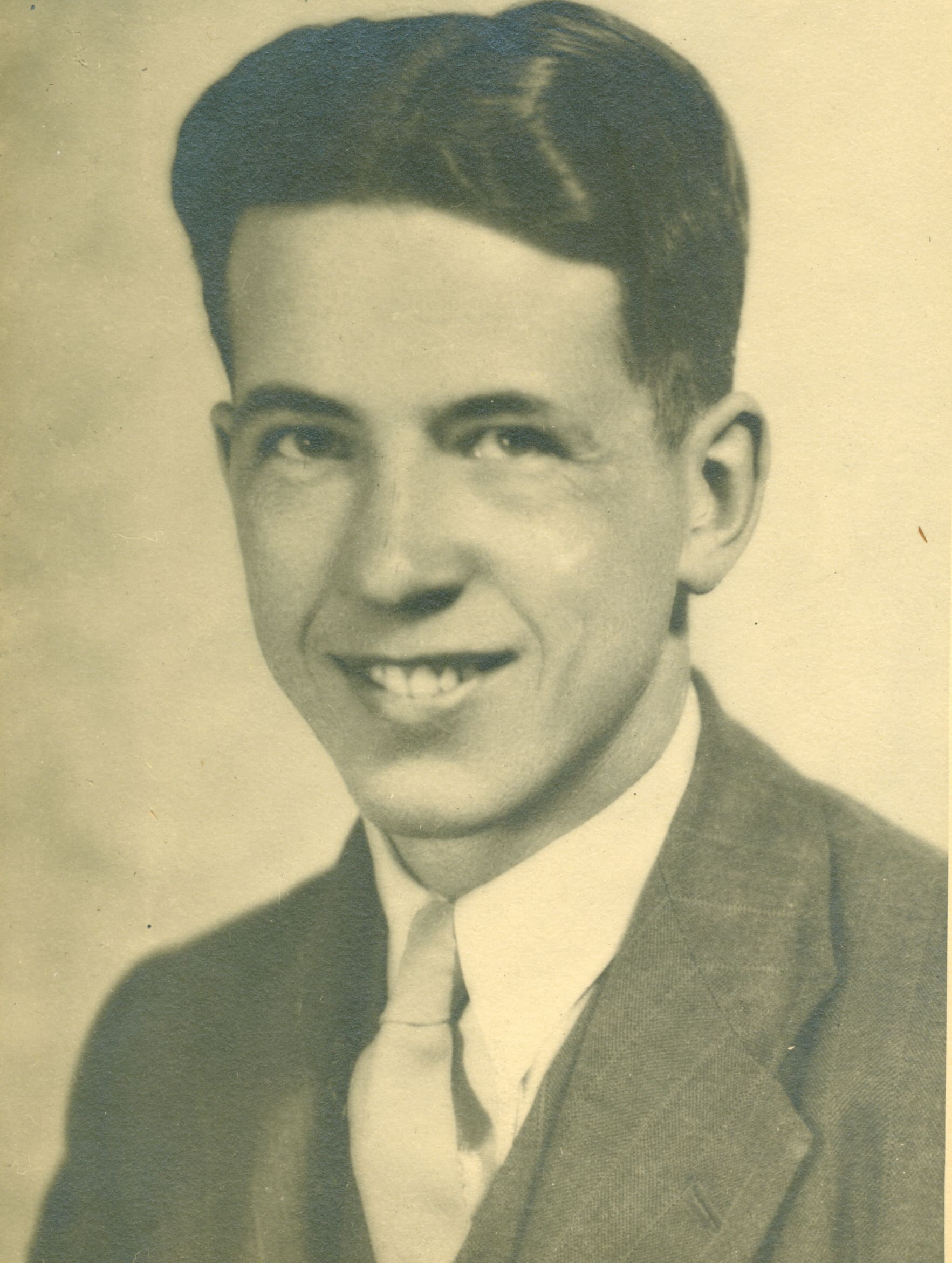
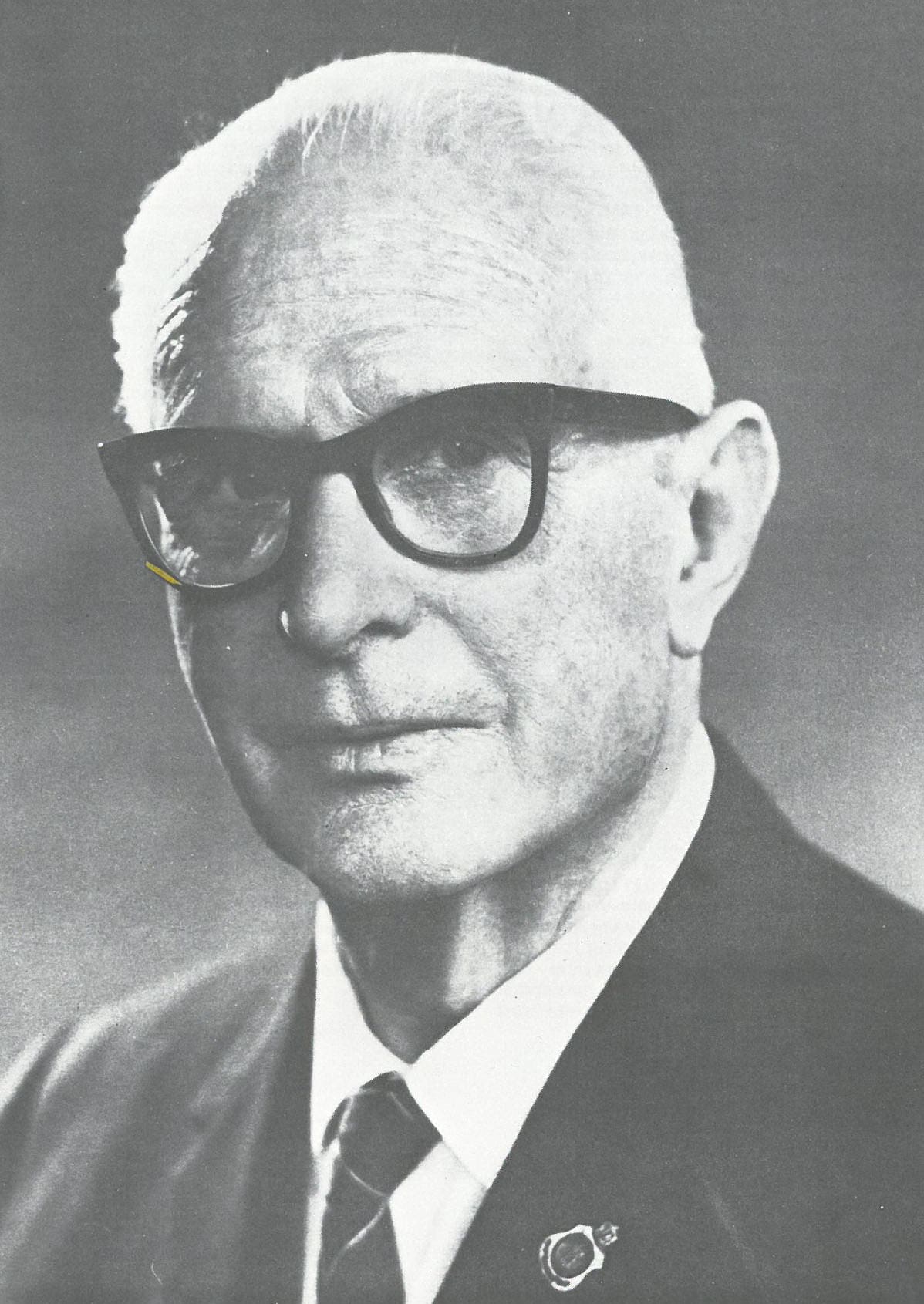
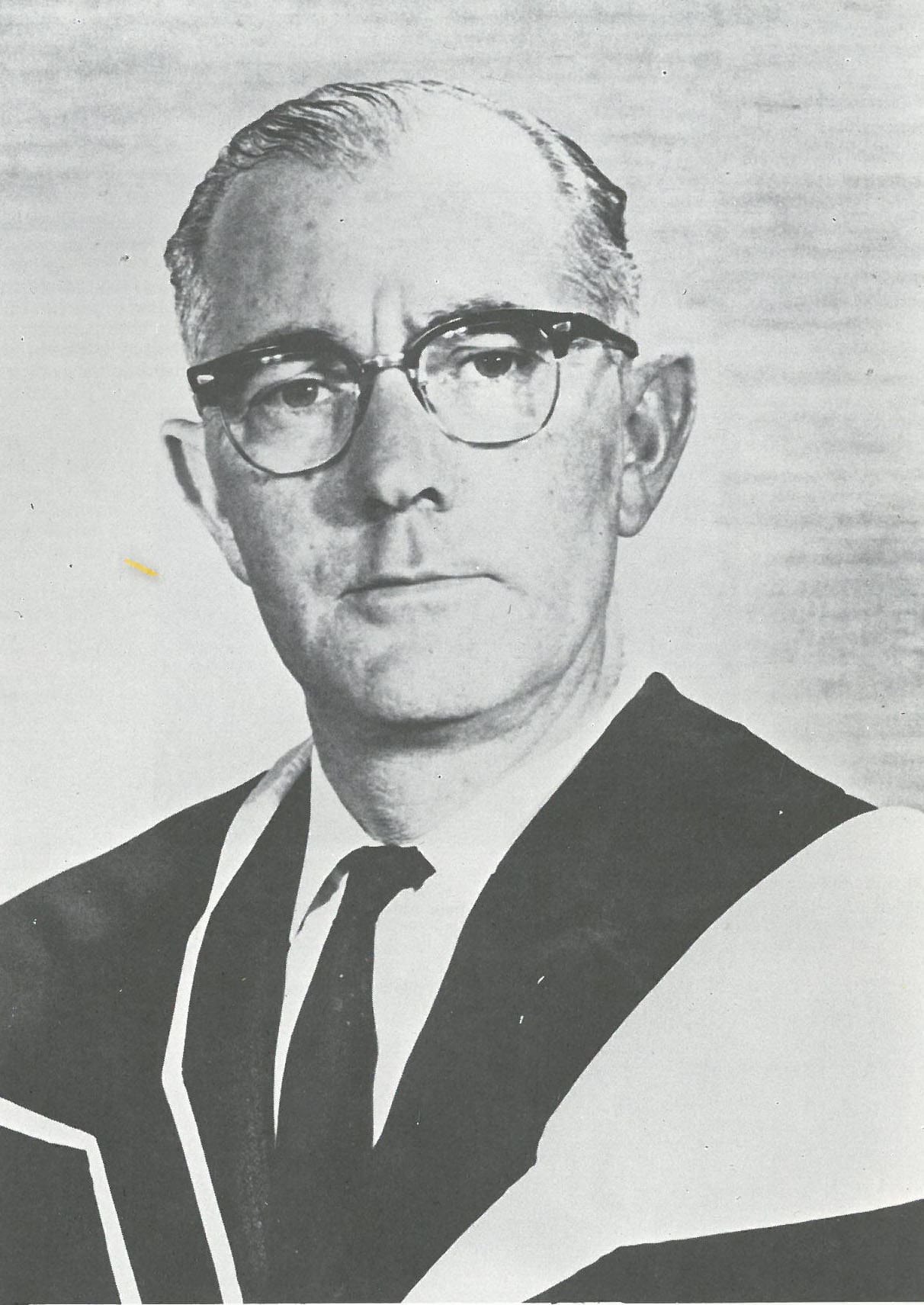
Headmasters
Reflections – WWII Veterans
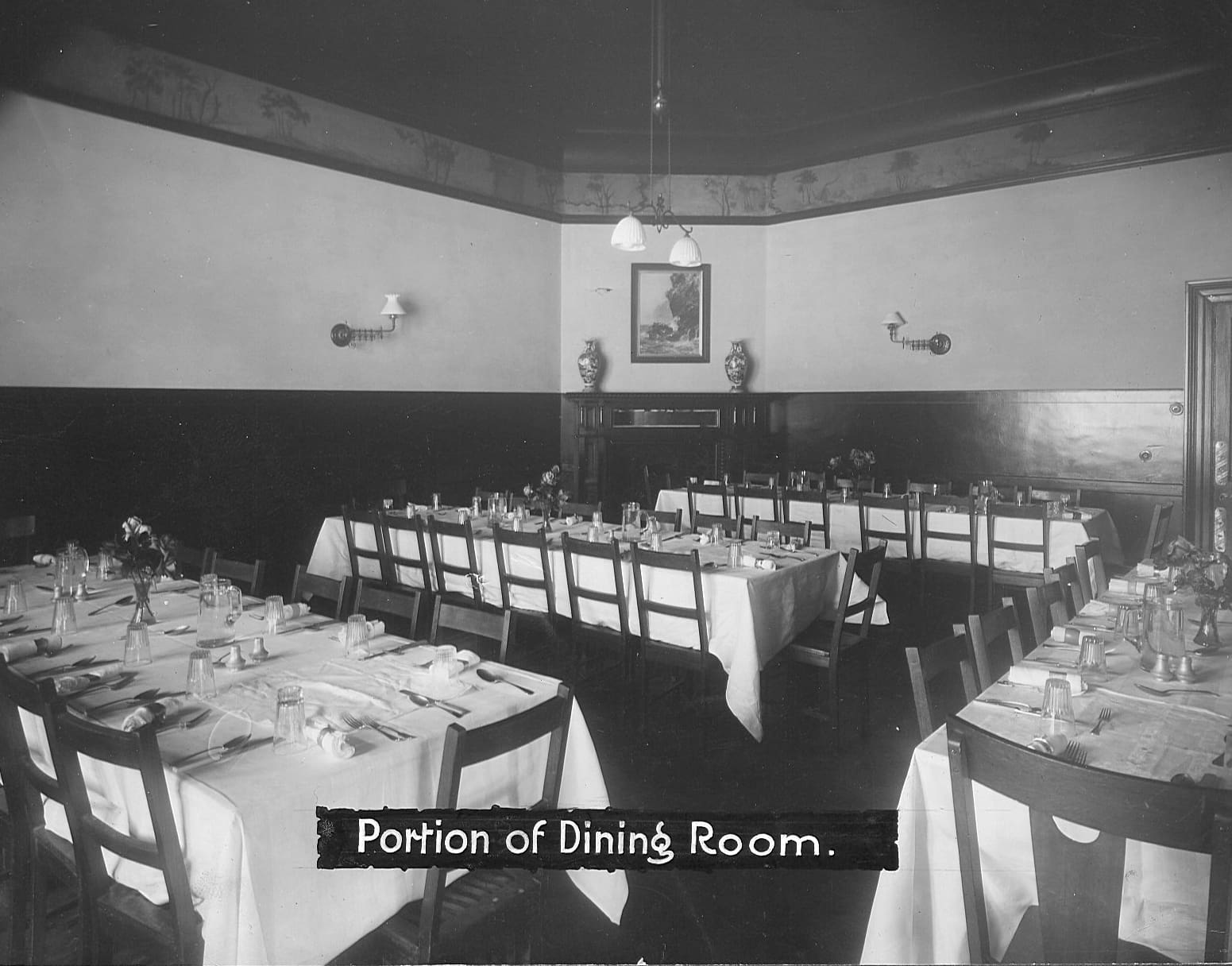
Campus and Facilities



Student Classes

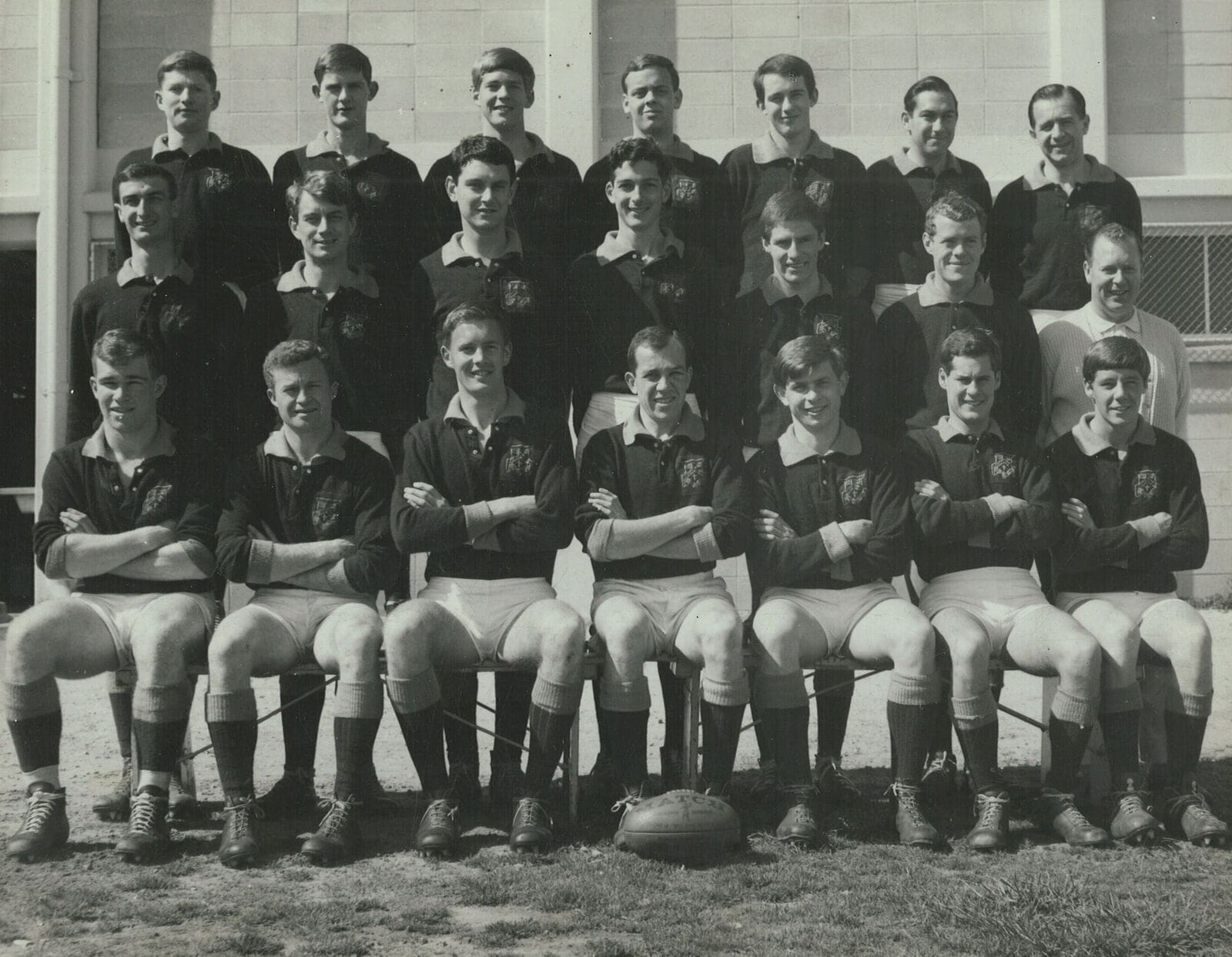
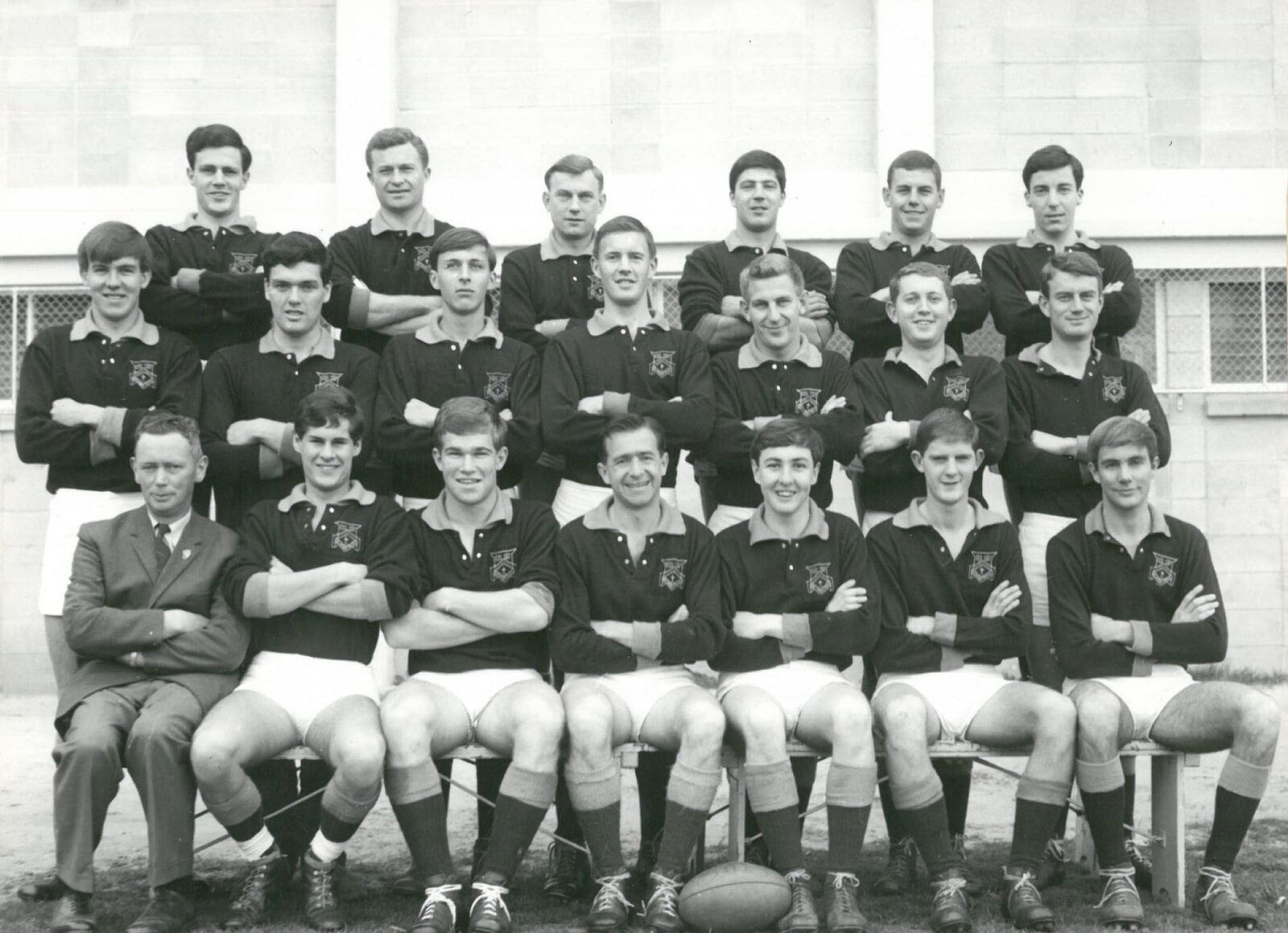
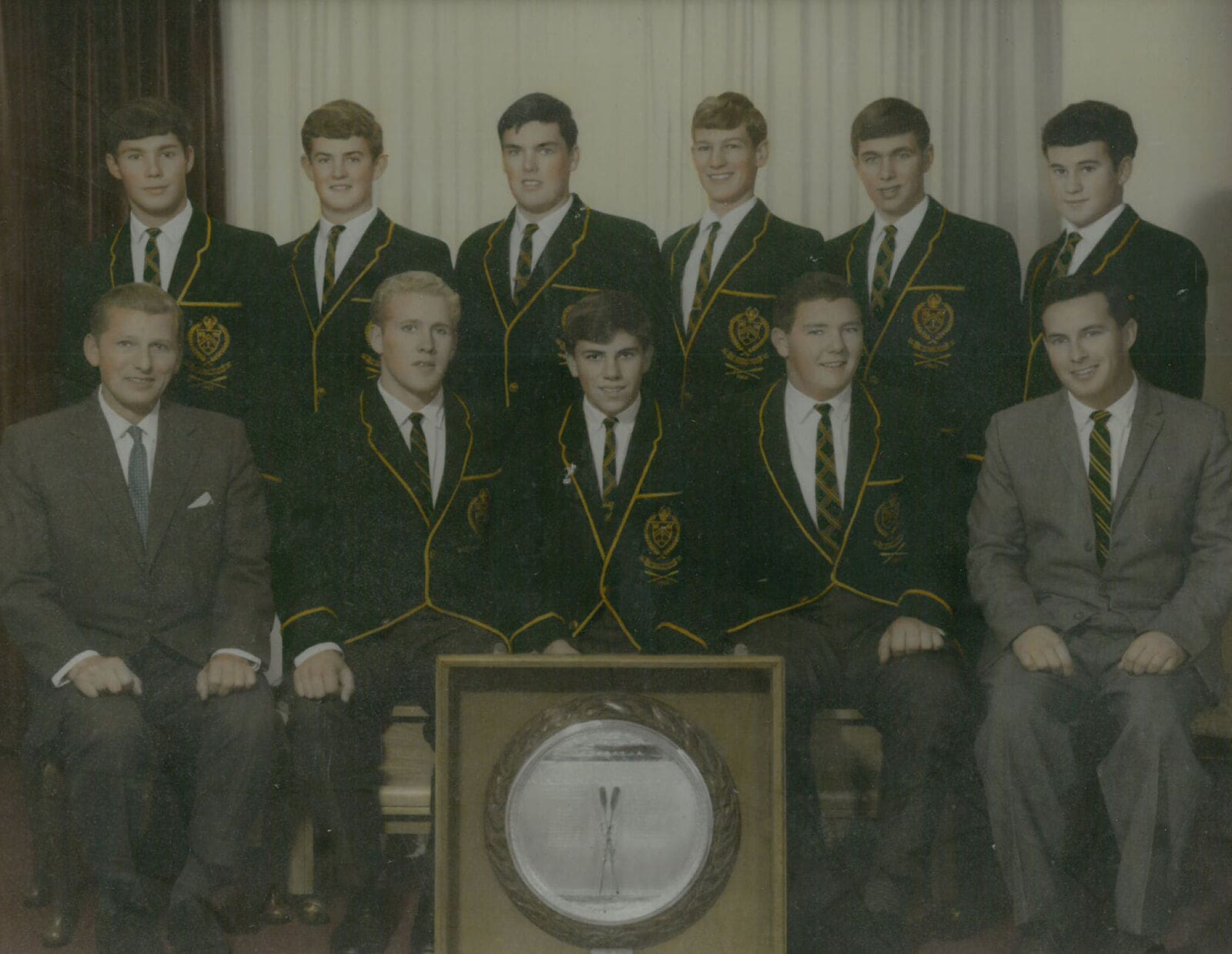
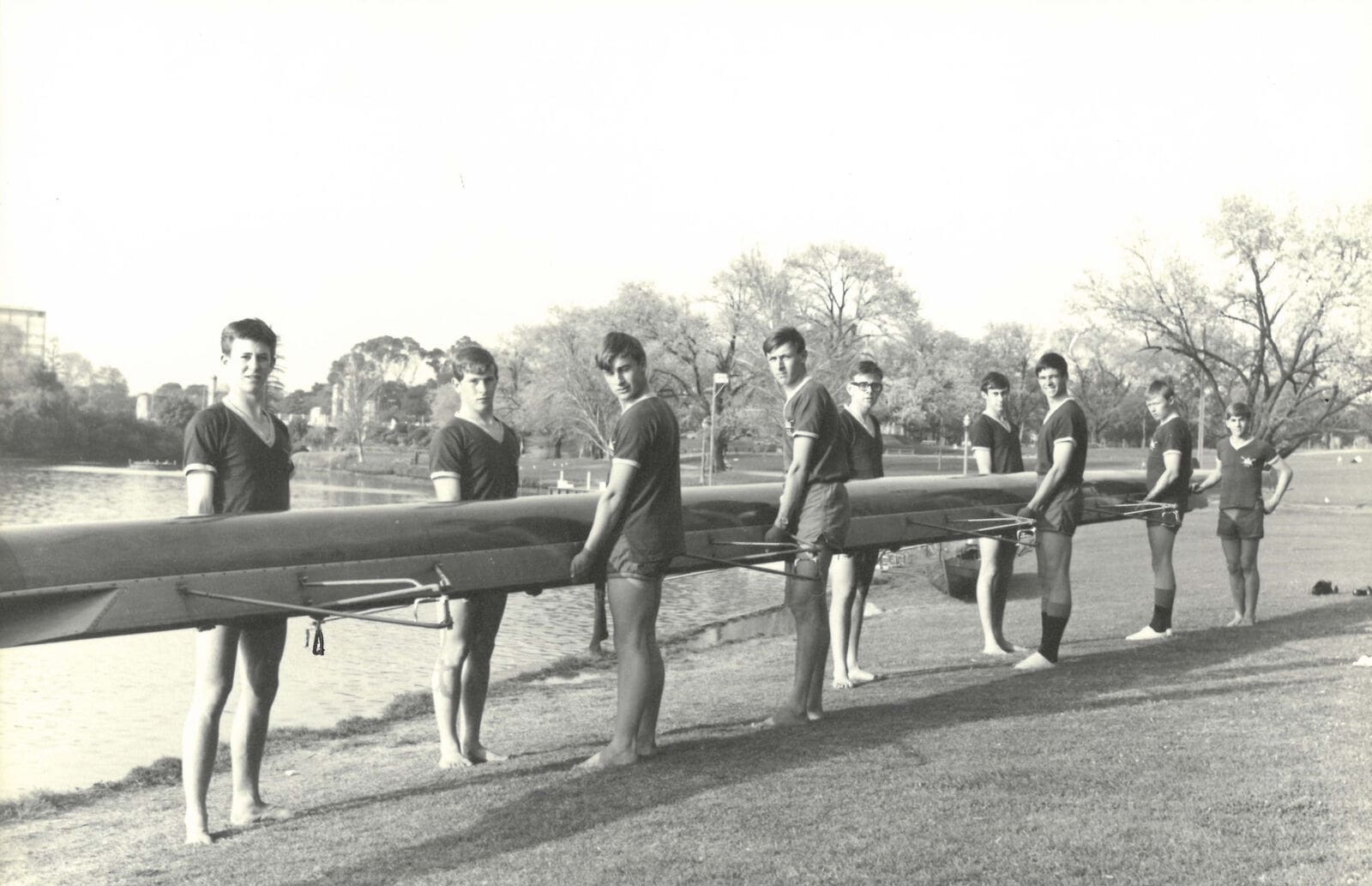
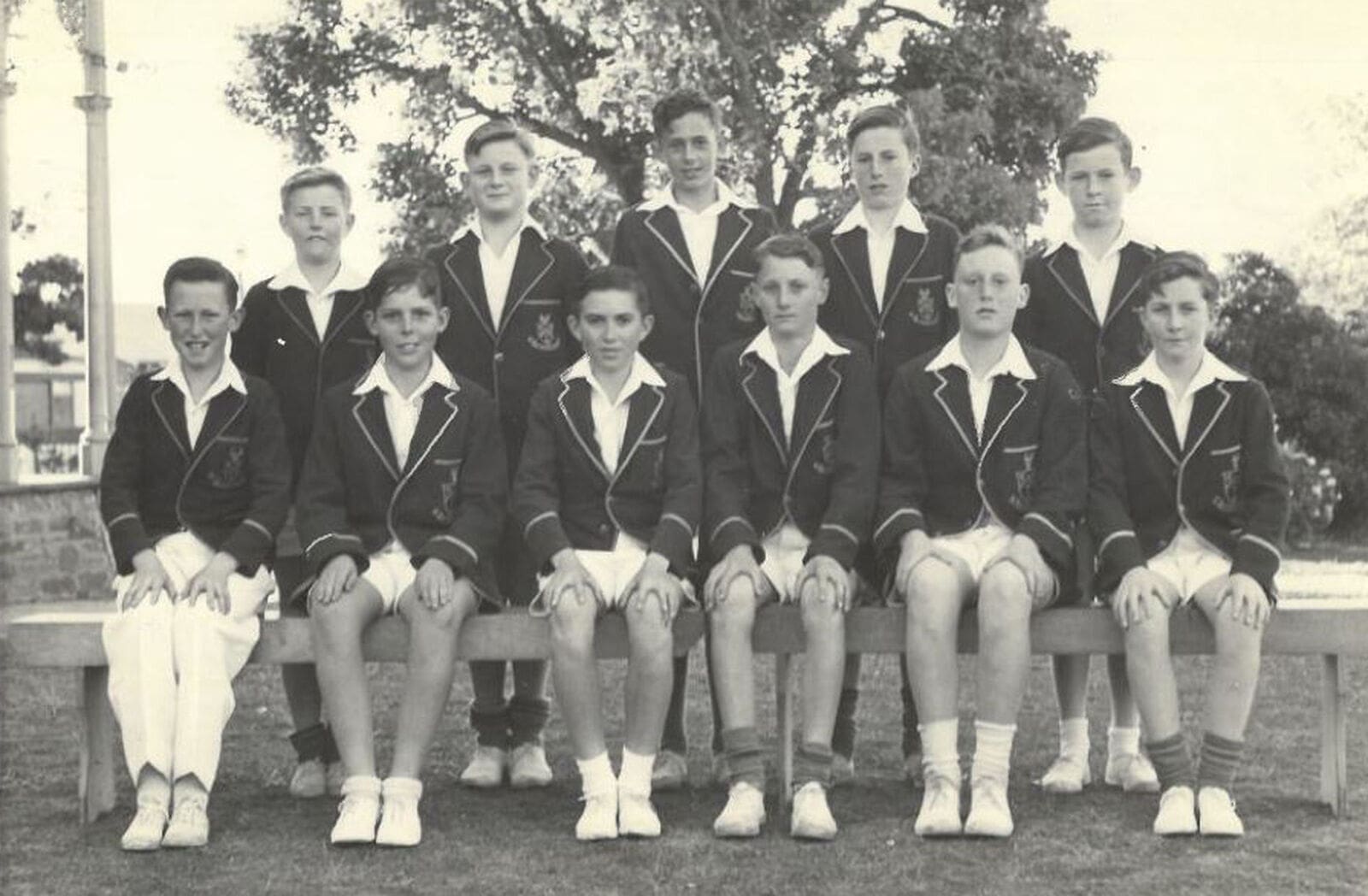
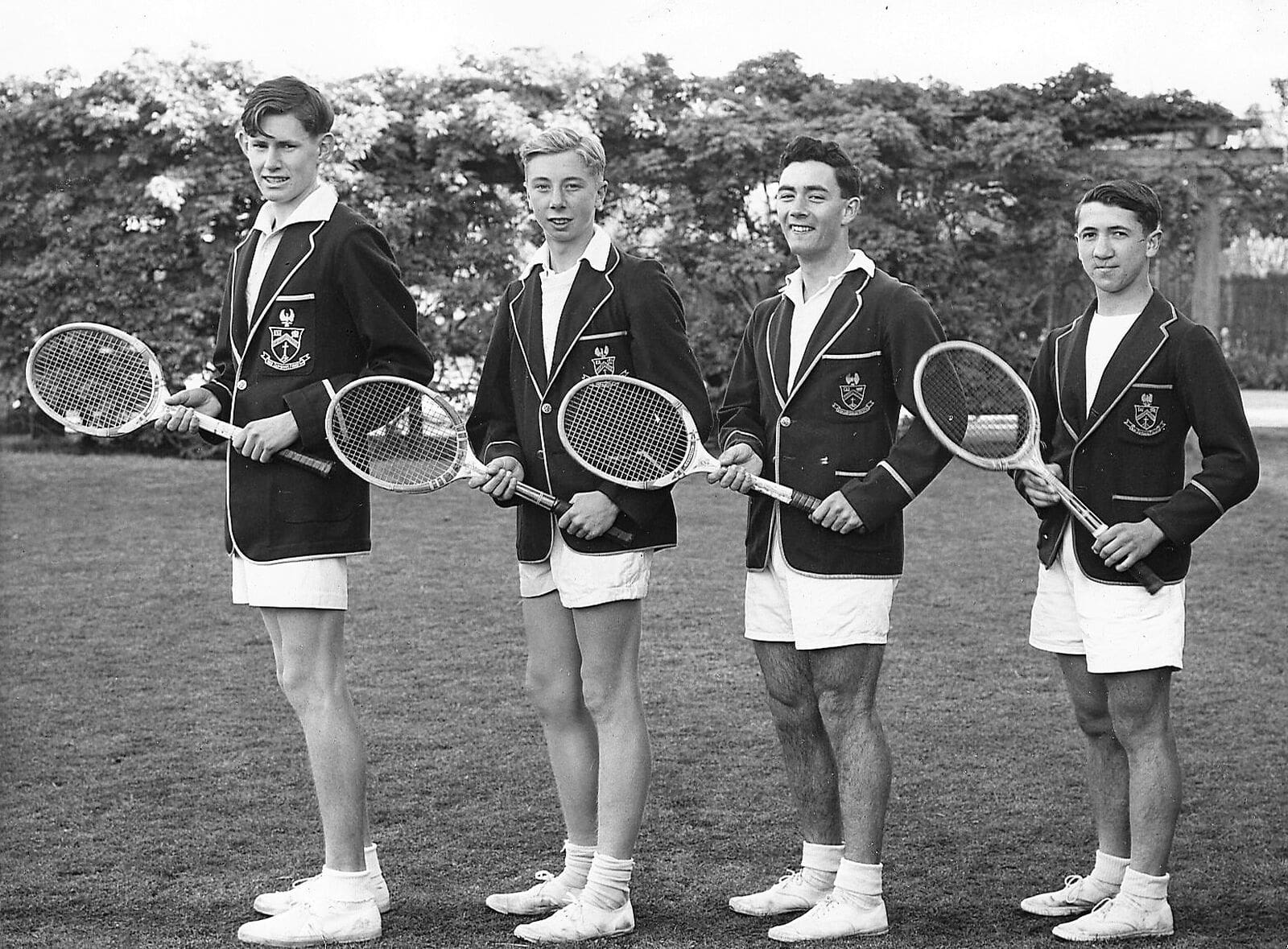
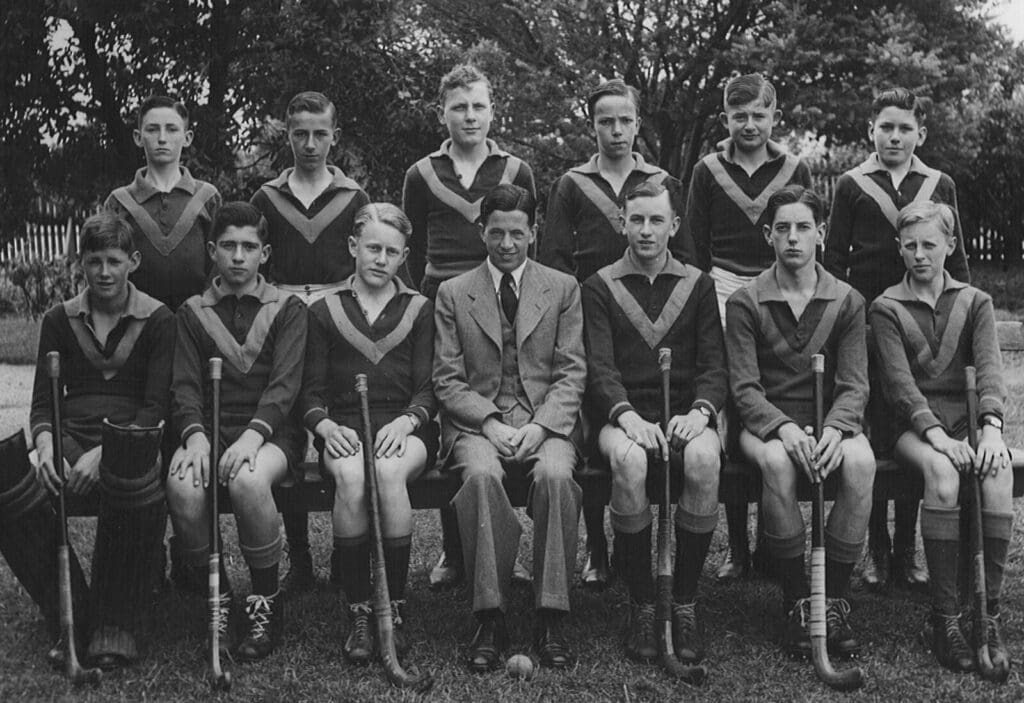
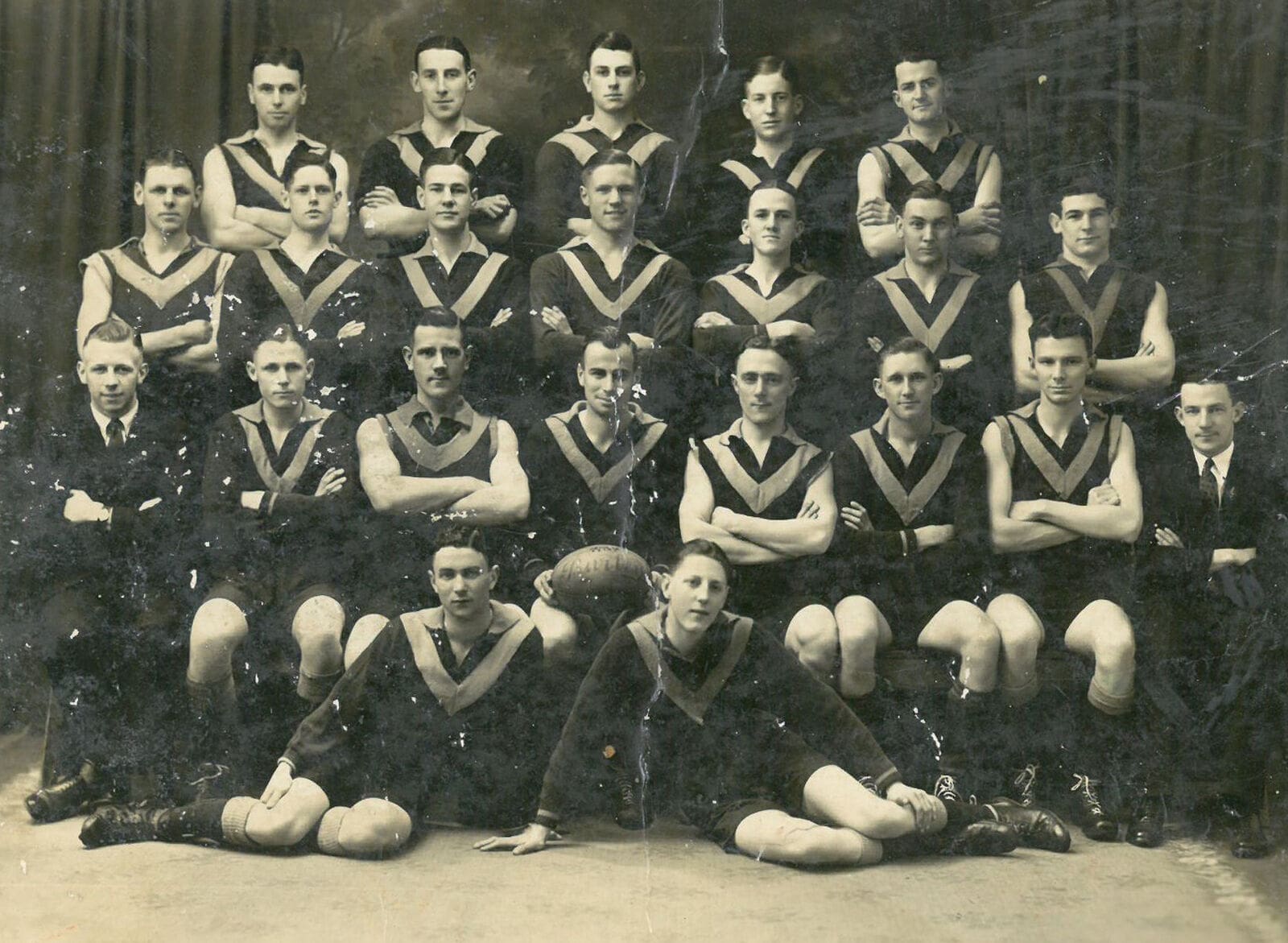
Sports and Other Co-Curricular
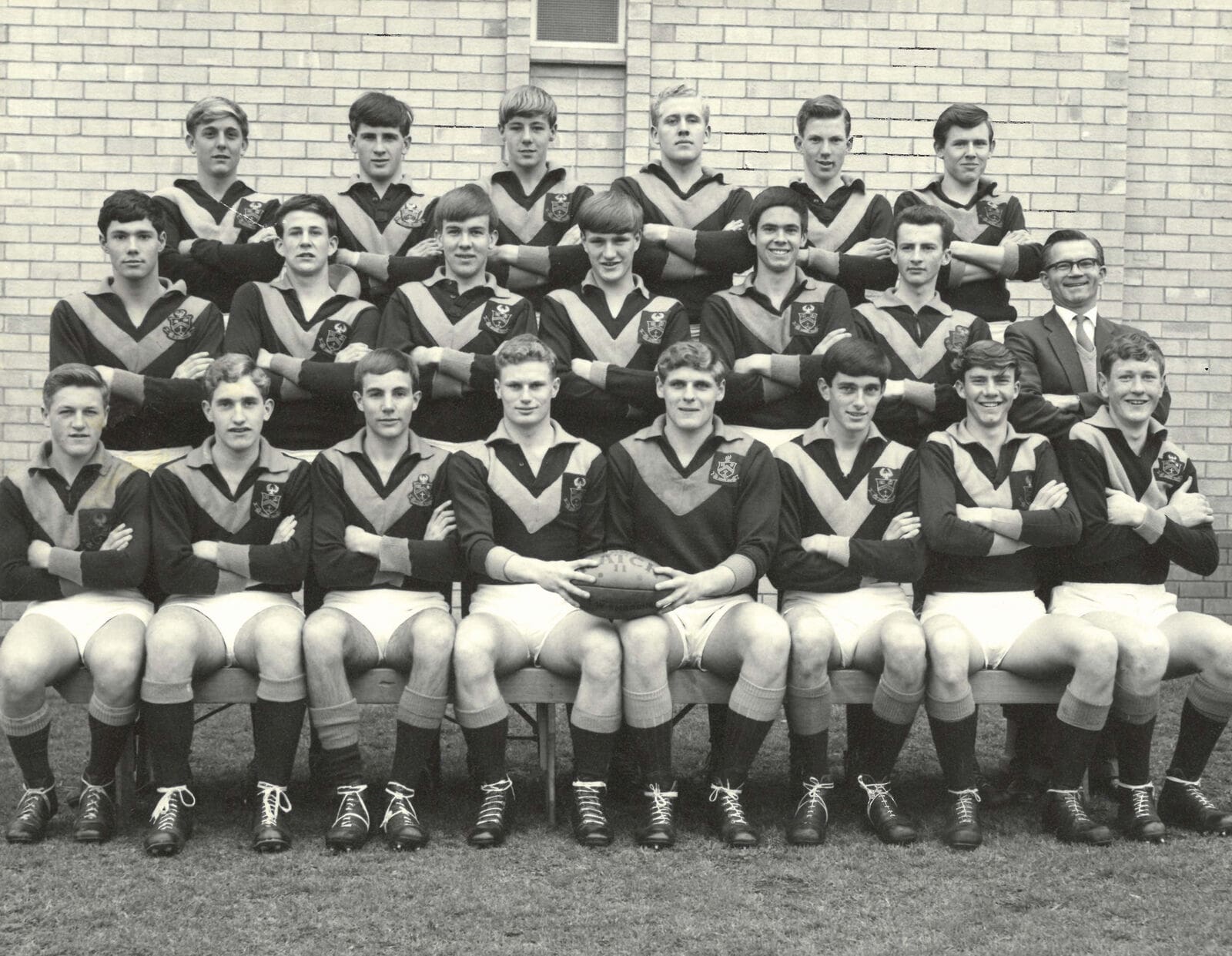
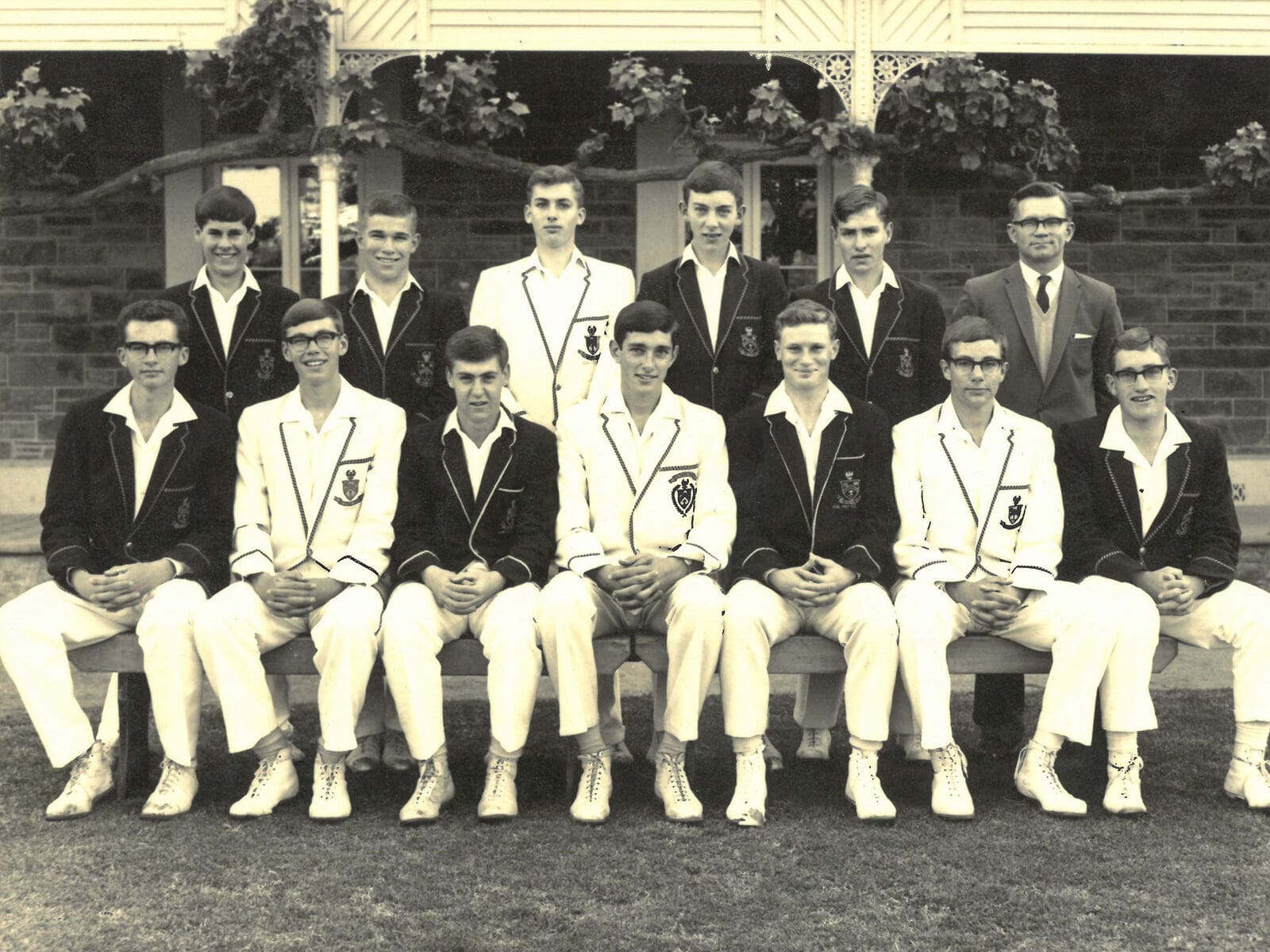
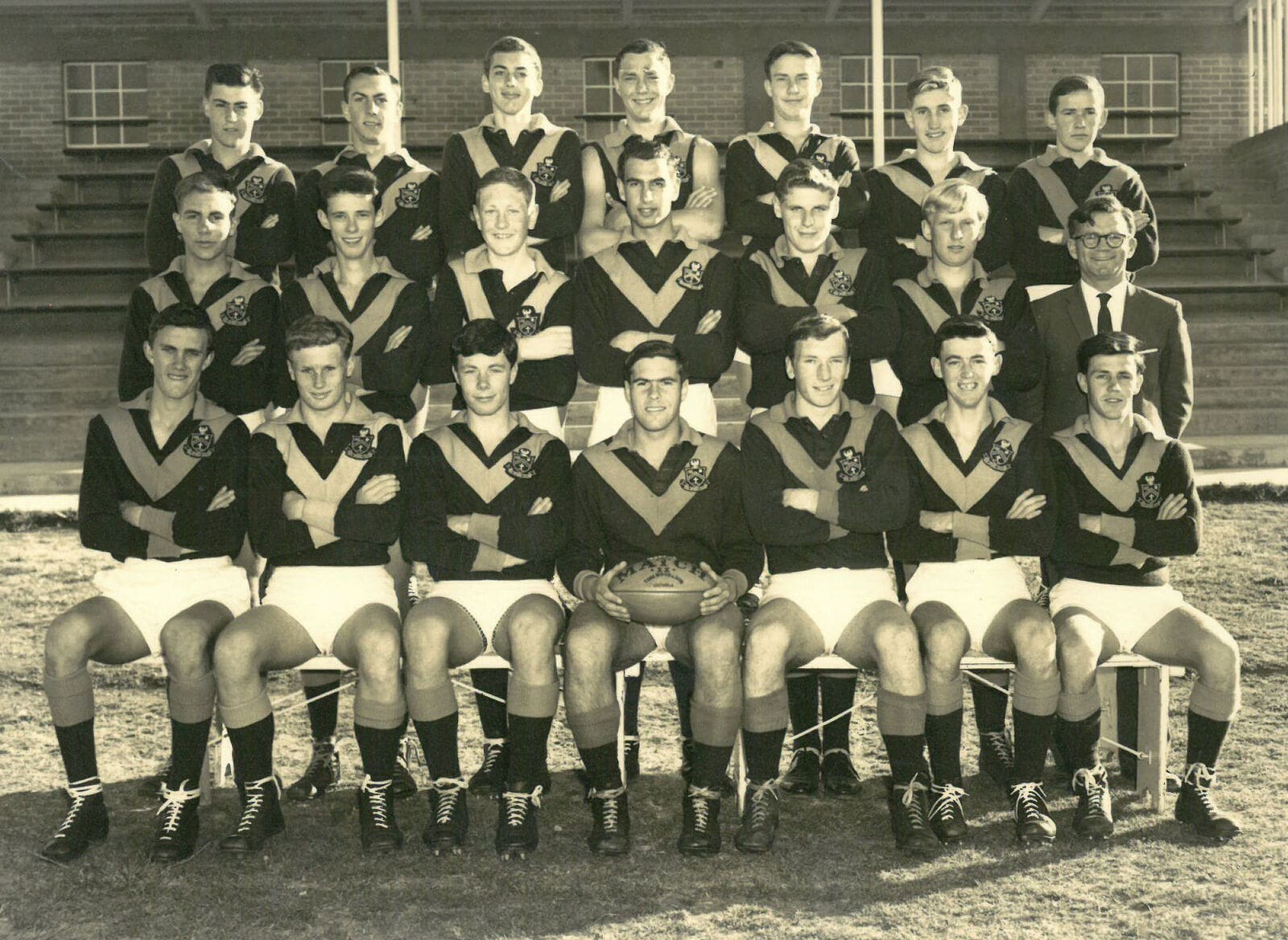
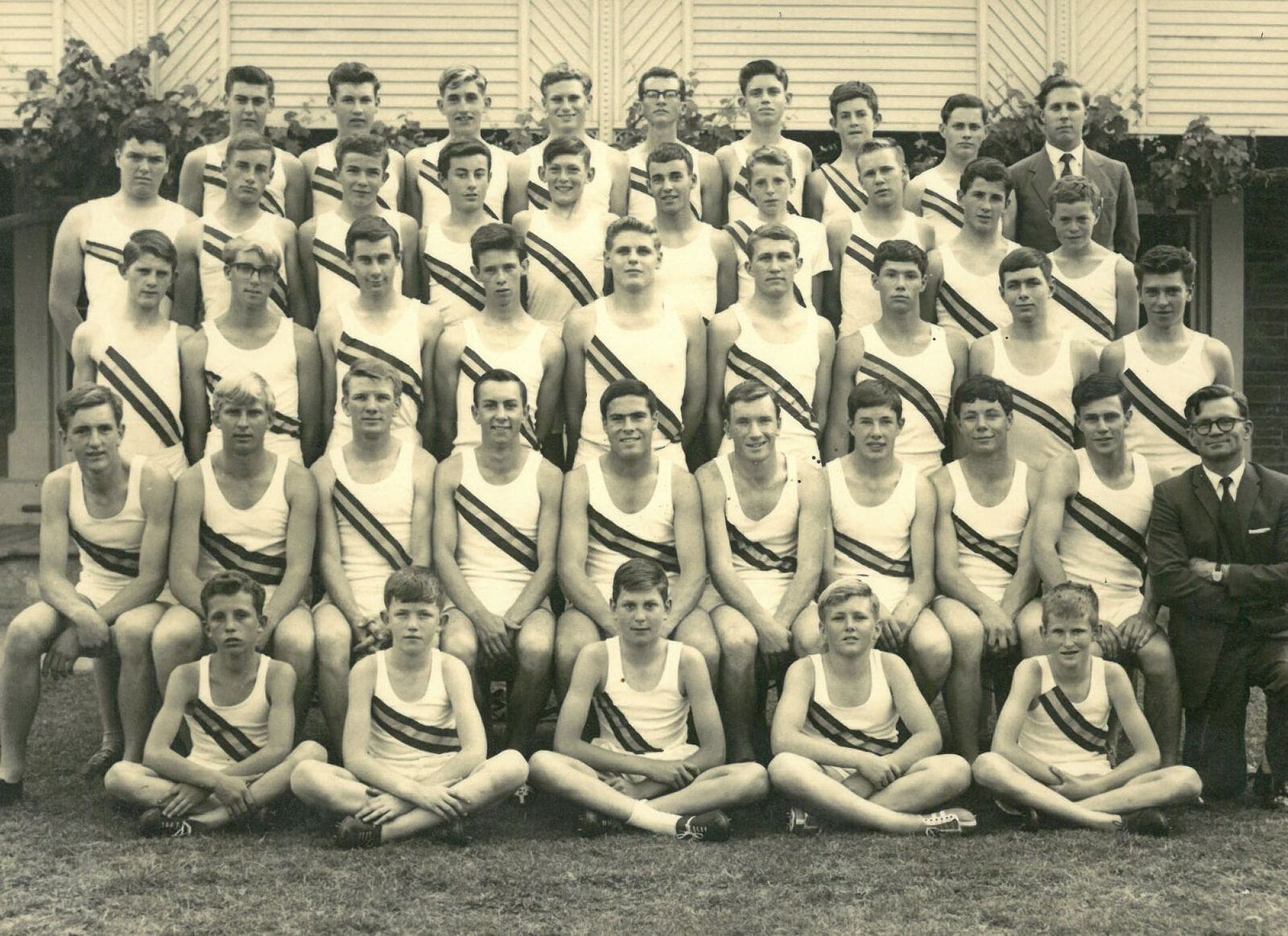


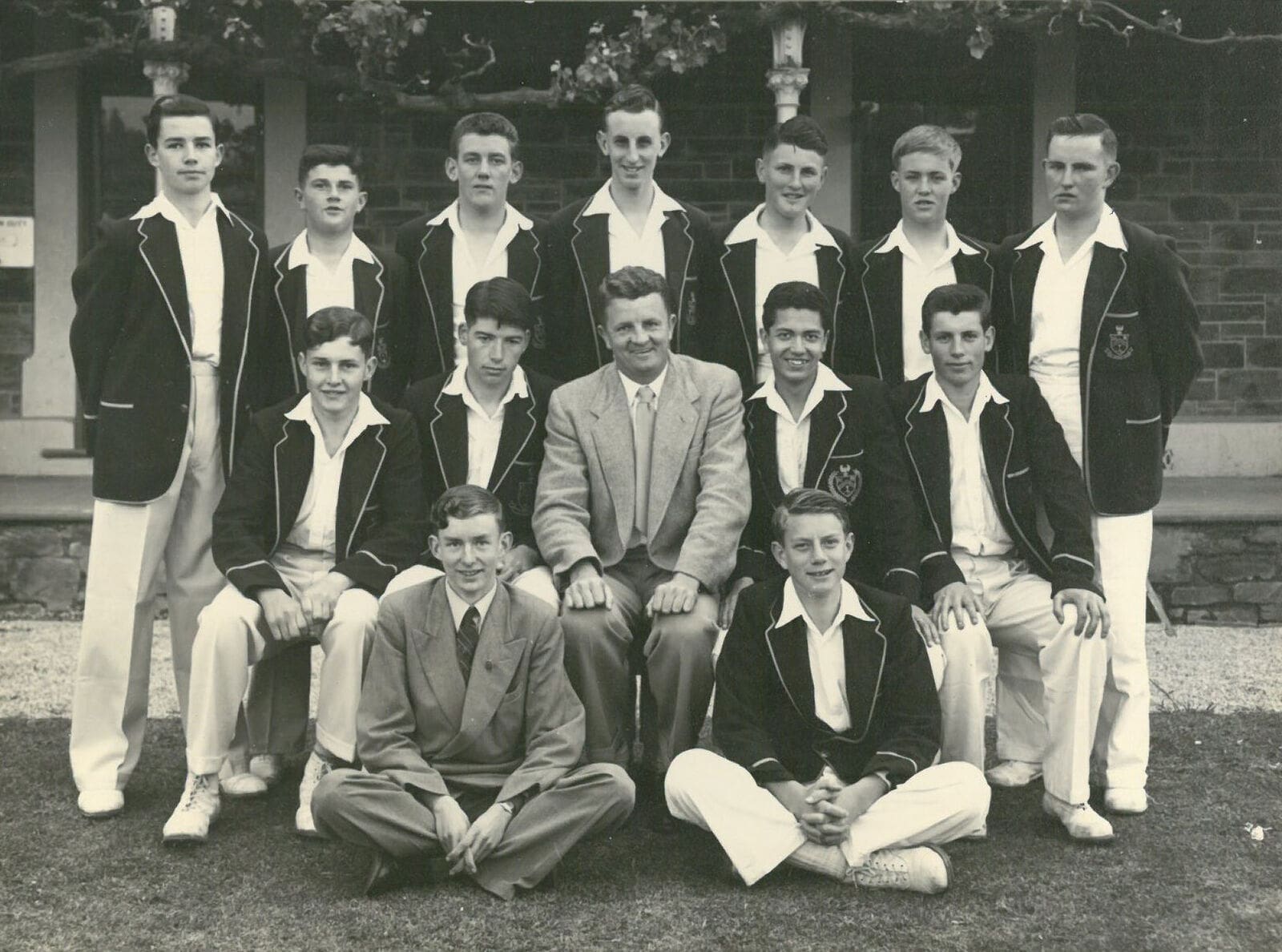
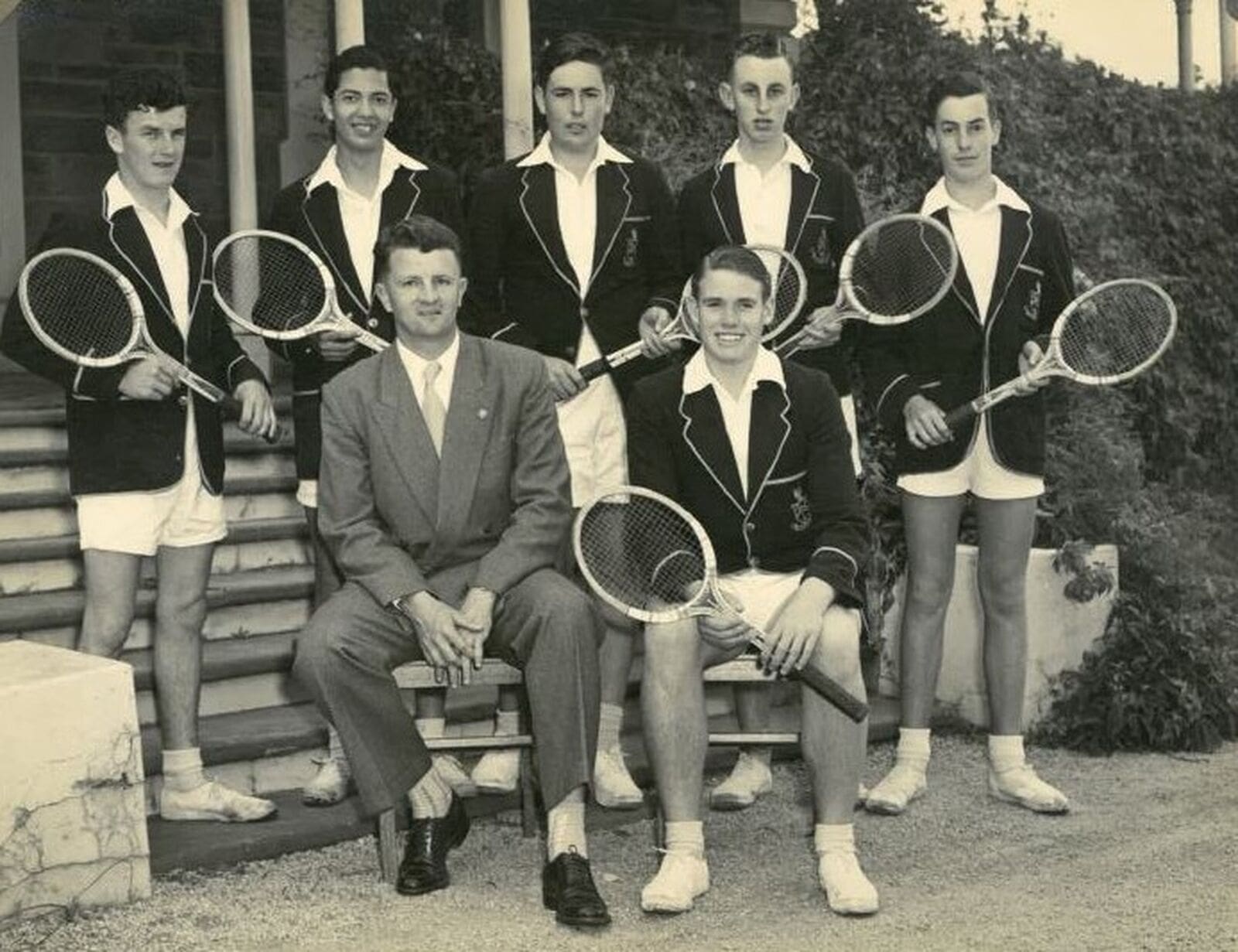
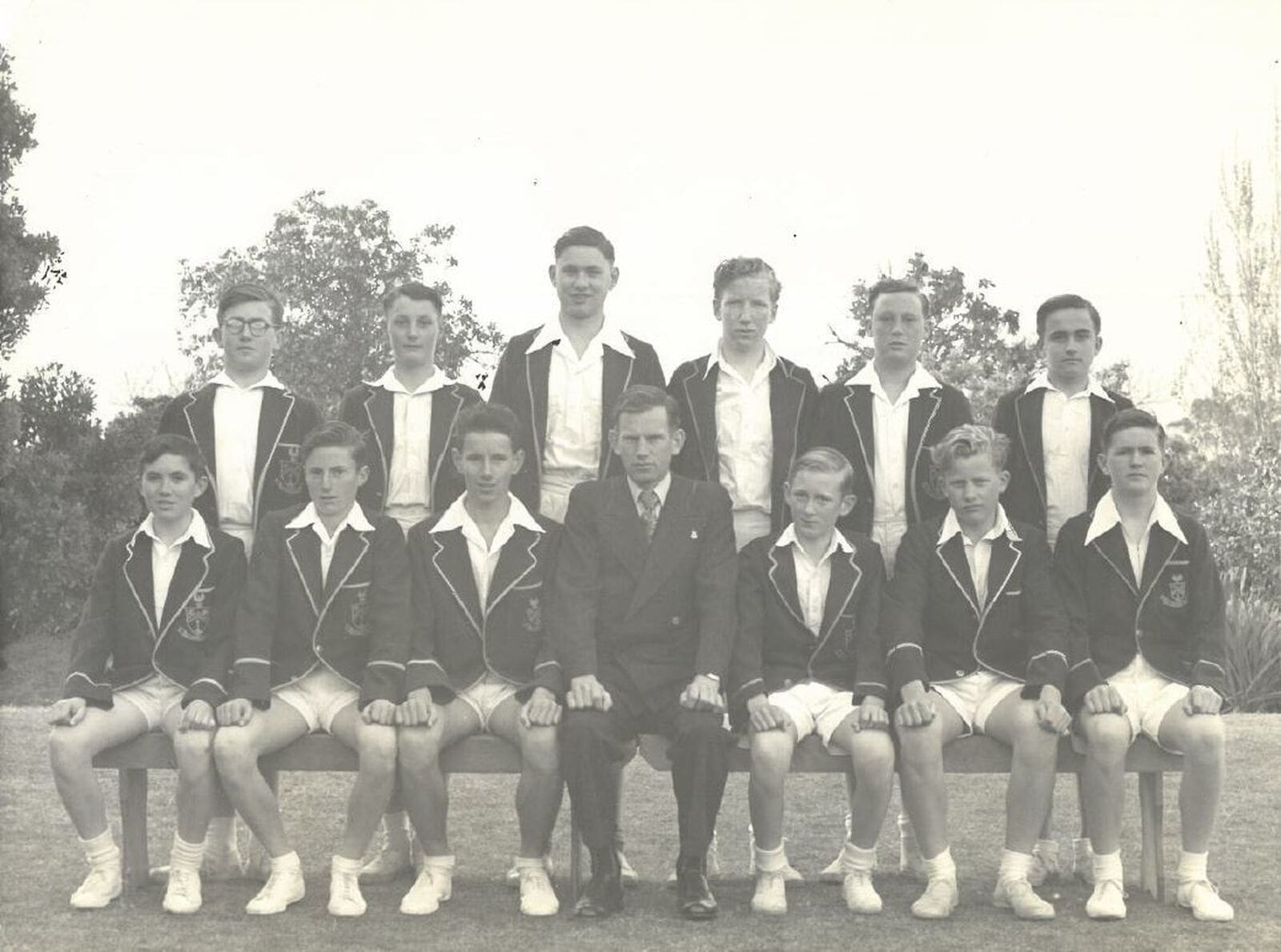
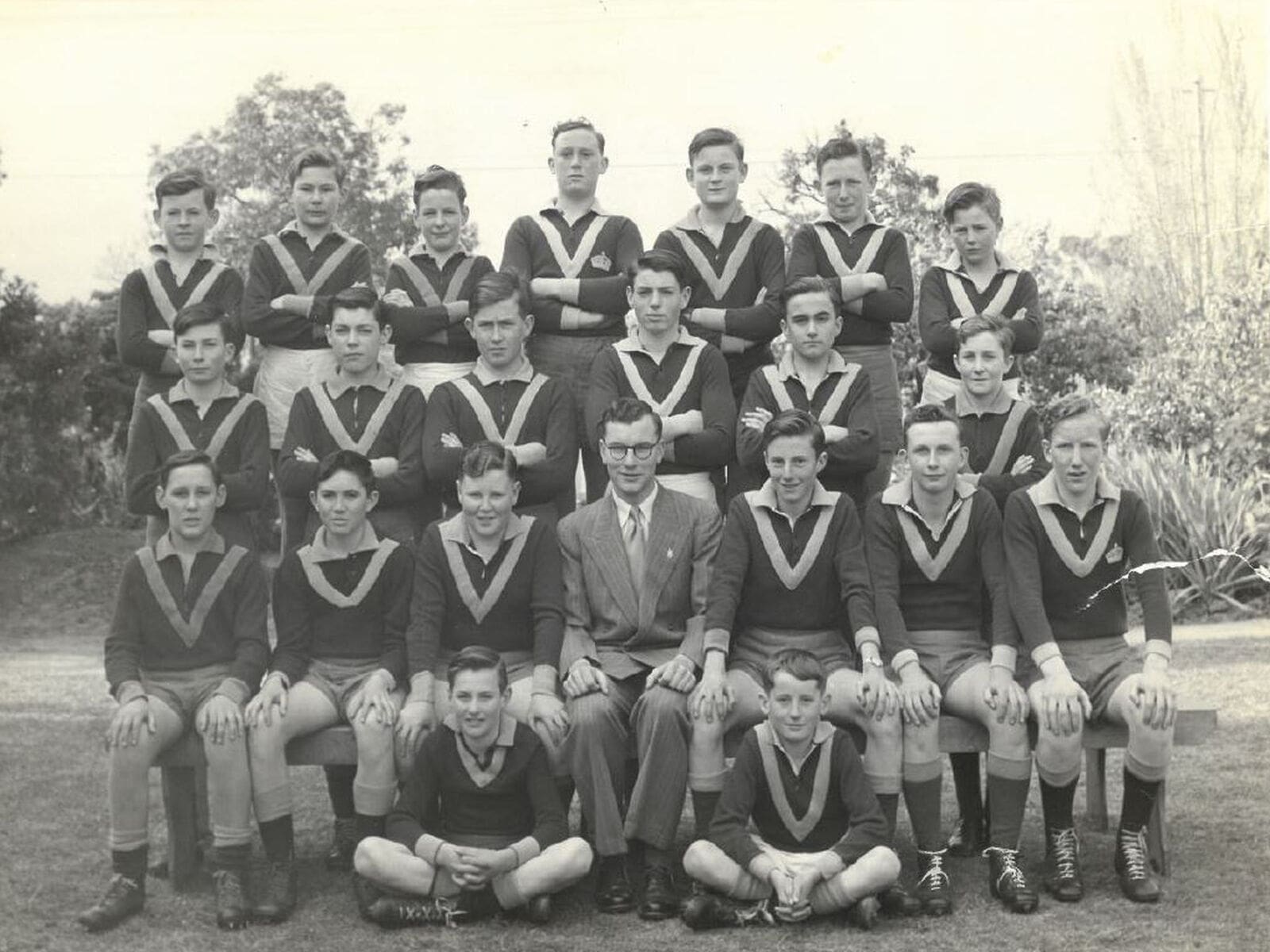
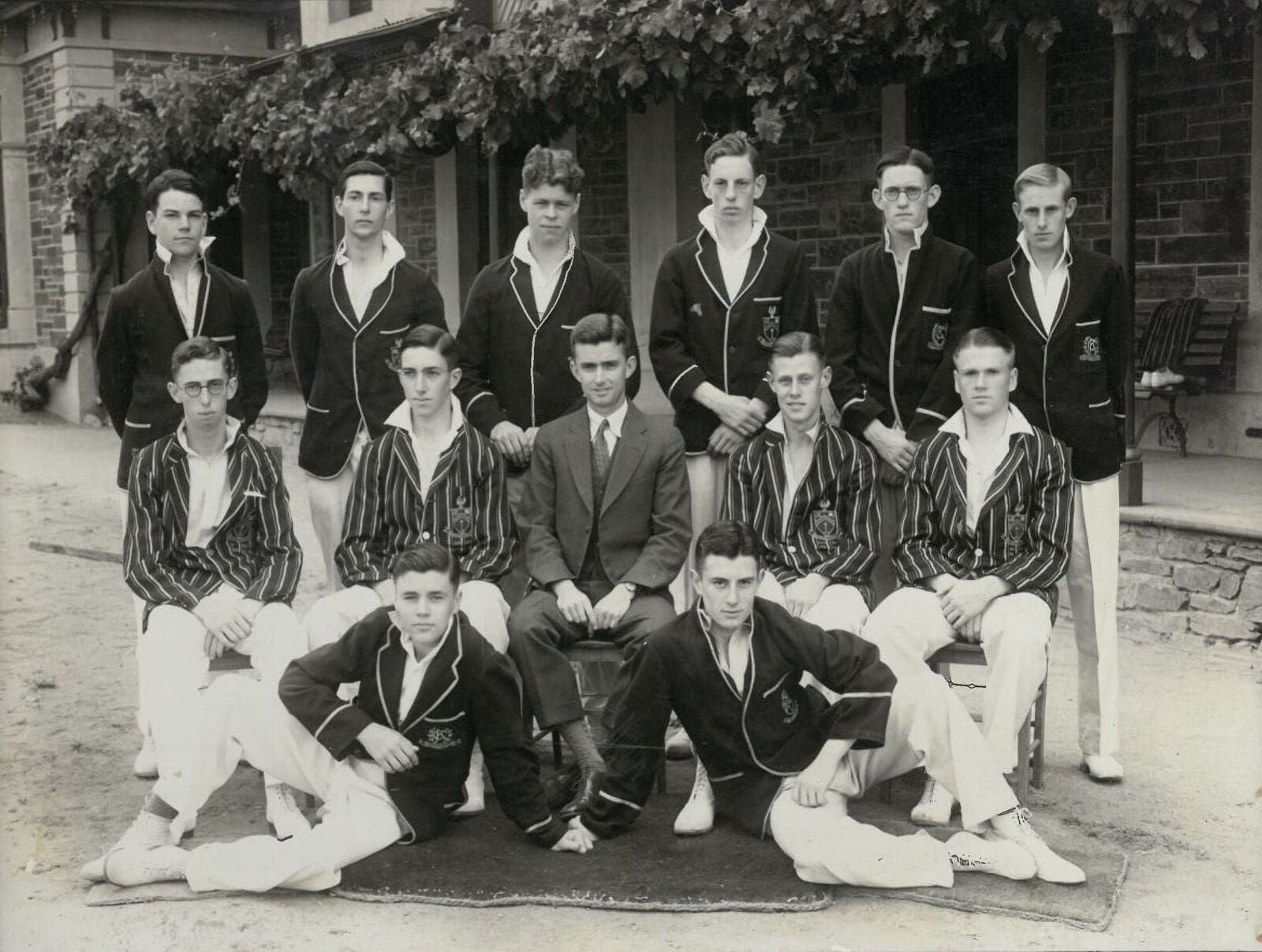
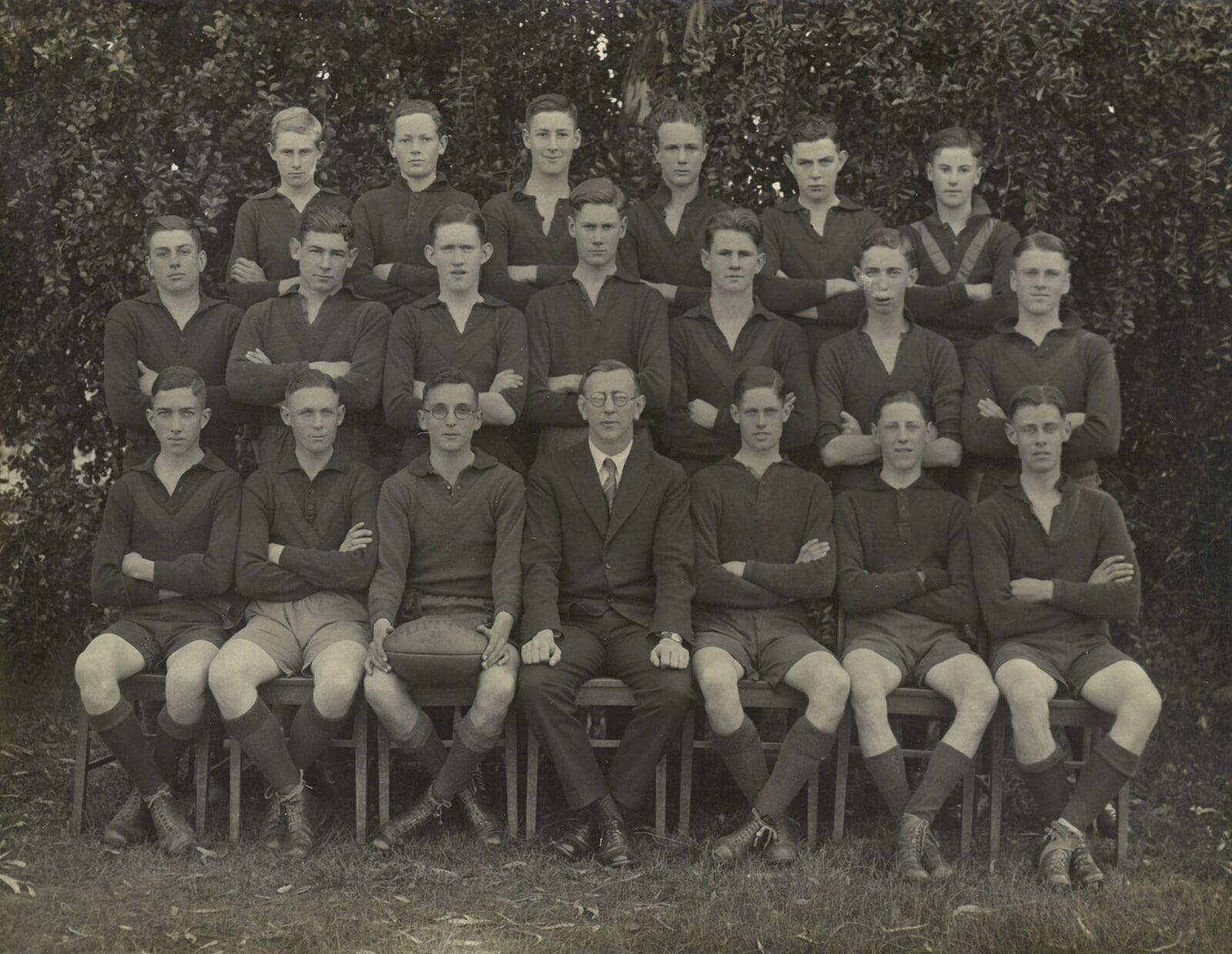
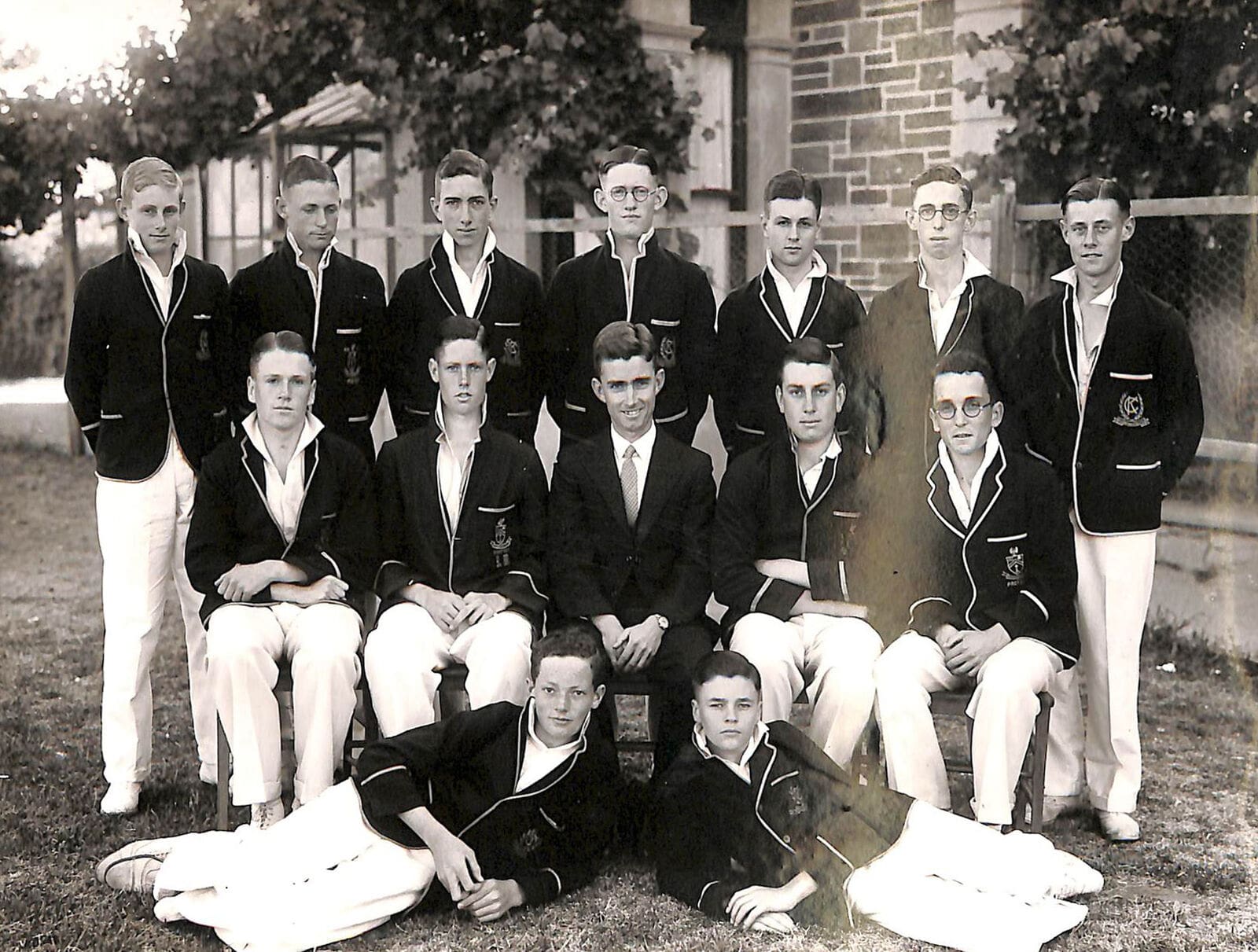
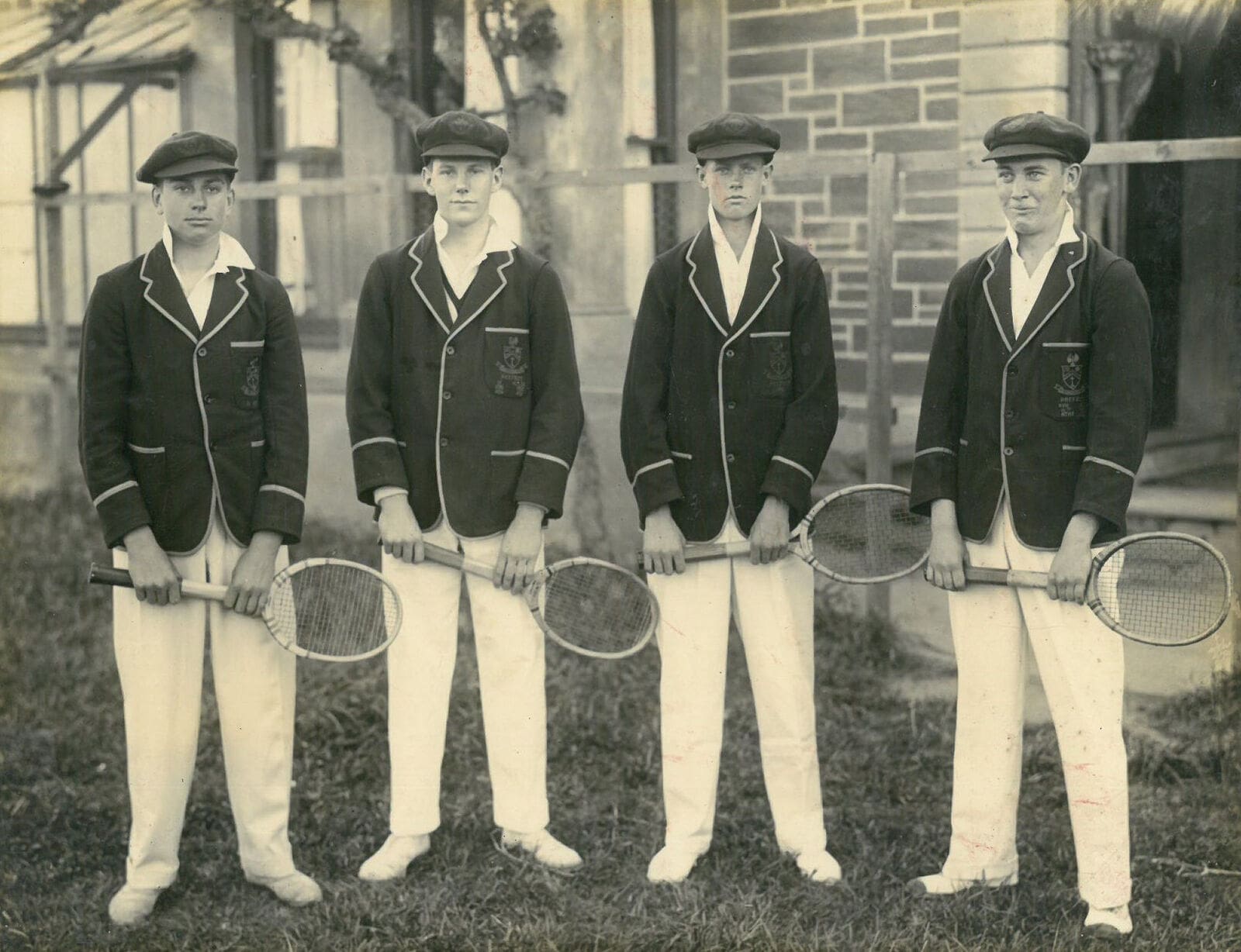
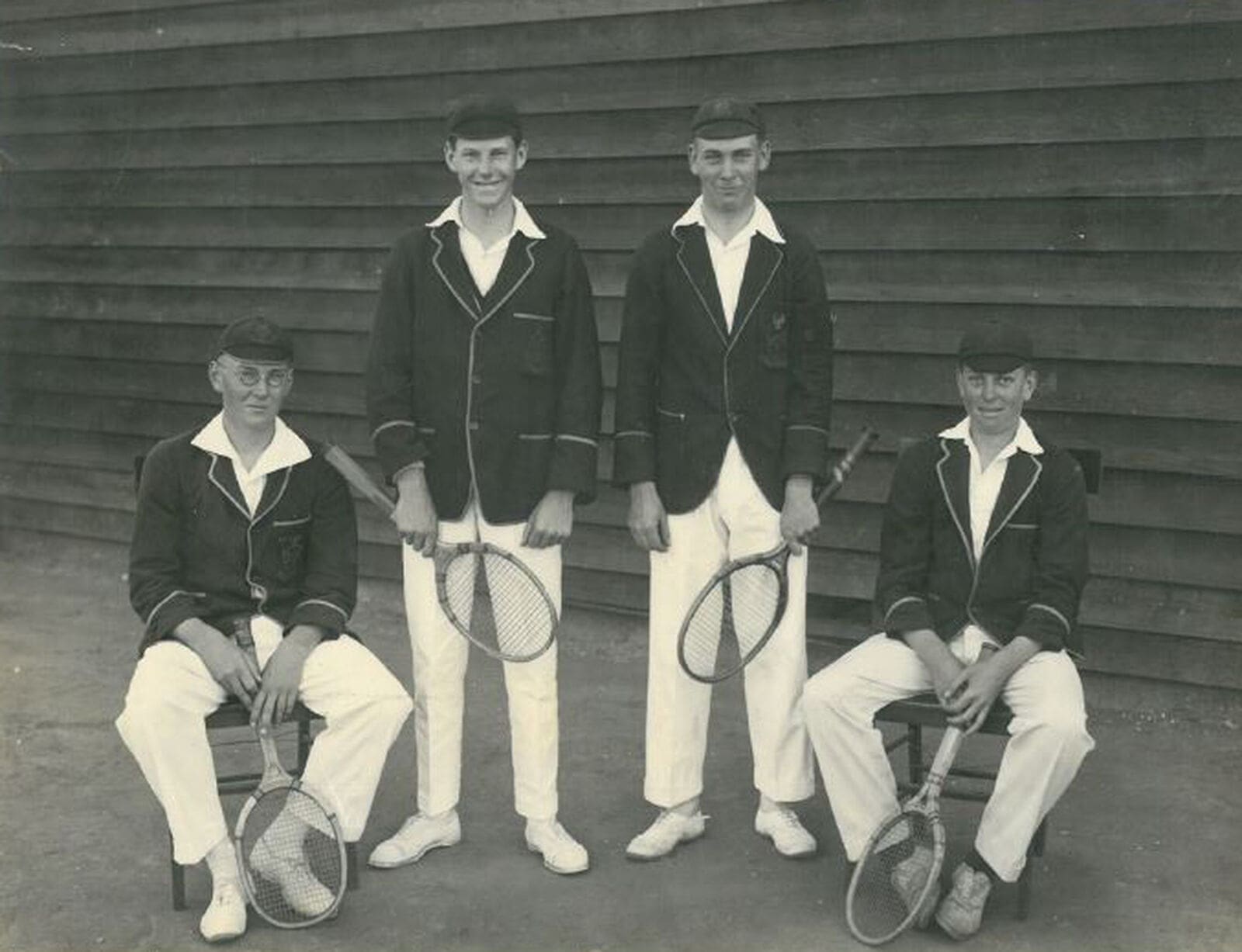
Celebrating 100 Years (2024)